Support

Tynset

About

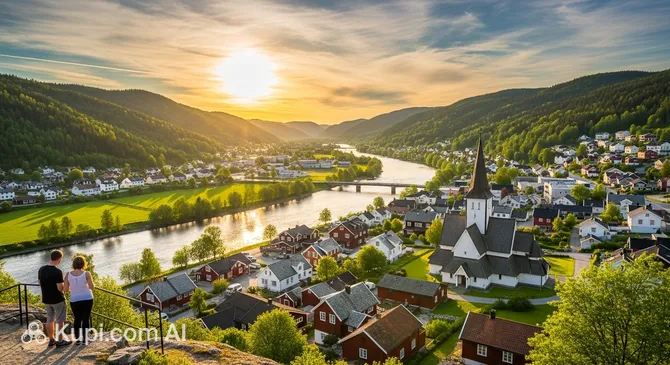
Tynset is a charming administrative center located in the heart of the Østerdalen valley. This small but colorful town attracts travelers with its authentic atmosphere and the picturesque landscapes of the Innlandet region. It is here that you can fully experience the rugged beauty and coziness for which Norway is so famous.

Tynset. Illustration.
Source: Kupi.com AI

The town's geographical position makes it an important hub in this part of the country, despite its small population of just over 5,000 people. The climate here is quite harsh, and Tynset is often called one of the coldest places in the region, which guarantees snowy and fairytale-like winters. The fascinating history of Tynset is closely intertwined with the development of trade and agriculture, which transformed a small settlement into a modern, cozy town.

Among the sights, a special place is held by the world's largest kick-sled (spark) — a giant structure that has become the symbol of the town and a popular spot for photographs. Tourists should also see the local wooden church with its characteristic architecture and visit the nearby Savalen recreational area, known for its year-round outdoor activities.

Tynset is an ideal destination for those seeking peace, fresh air, and unity with nature. The hospitality of the locals and the unique charm of the Norwegian countryside will make your trip unforgettable.

Weather Overview

The climate in this region is characterized by a harsh nature, typical of the interior regions of Norway. Winter here is a real test of cold: in January and February, the average temperature stays around -9°C, and at night the air often cools down to -12°C. This time of year is ideal for winter sports but requires serious preparation in terms of equipment.

The summer season is short and fresh. In July, the warmest month, average figures are around 11°C, and the maximum temperature rarely exceeds 15.5°C. When planning your trip, we recommend checking the weather in Tynset in advance, as conditions can change quickly.

Expect a cool summer with occasional precipitation and cold, snowy winters. Rain is not uncommon here, especially in the summer months when the number of wet days can reach 19, so a waterproof jacket and warm shoes will come in handy in any season.

Average monthly temperature

Average monthly precipitation

Interesting Facts

In addition to the main visual attractions, Tynset holds several curious features and local traditions that will surprise even experienced travelers. Here are a few facts that reveal the character of this Norwegian town from an unexpected side.

  • The Architectural "Brown Cheese." Tynset Town Hall (Tynset Rådhus) is jokingly called "Brunost" (Brown Cheese) by the locals. This nickname arose because of the building's specific shape and the color of the wooden cladding, which indeed resemble a slice of this national delicacy.

  • Julenissen's Residence. Very close to the town, in the Savalen resort area, is the House of Santa Claus (Nissehuset). It is not just a tourist decoration: a post office for children's letters operates here, and the international "Santa Claus Winter Games" are held annually, where bearded wizards compete in sled races and gift-sack throwing.

  • The Kick-sled Capital. Tynset is called the capital of kick-sleds not only because of the huge monument. The town is historically connected to this transport: the production facility of Norax, a leading manufacturer of sleds, was based here for a long time. Although the factory was moved to another region in 2020, the culture of using kick-sleds thrives here. In winter, they are used equally with cars for shopping trips, and "sled drivers" are treated with great respect on the sidewalks.

  • The Phenomenon of Temperature Inversion. Due to its location in the bottom of the valley, an interesting weather phenomenon is often observed in Tynset: it can be significantly colder in the town itself than on the surrounding hills. The temperature difference is sometimes so noticeable that locals climb into the mountains not only for the views but also to "warm up" on frosty days.

How to Get There

Route planning is an important part of any trip. Tynset is located deep in the country, so the journey here can be a real adventure, allowing you to enjoy the Scandinavian landscapes. You can find out all the ways to get to the city on our detailed page, and below we will look at the main transport hubs through which it is convenient to build a route.

The city of Tynset itself does not have its own civilian airport for regular flights. The nearest air harbor is Røros Airport (IATA: RRS), located in the town of Røros. This is a small regional airport located just 44.4 km from Tynset. The journey from here by taxi or rental car will take about 45–50 minutes. This is the fastest way to get close to your destination if you are flying on domestic flights.

For international travelers, Værnes Airport (IATA: TRD), located in the city of Trondheim, is often a more convenient option. It is a major transport hub with high passenger traffic, receiving many flights. It is located approximately 131.9 km from Tynset. The journey by car or bus from Trondheim will take about 2–2.5 hours, but the choice of flights here is much wider.

For clarity, here is summary information on the main airports:

AirportPassenger trafficDistance
Roros Airport21 57544 km
Trondheim Airport Værnes4 mln132 km
Scandinavian Mountains Airport25 000165 km
Kristiansund Airport, Kvernberget278 854178 km
Molde Airport, Årø481 406189 km

Railway connections in Norway are excellently developed, and a train trip can be an excursion in itself. If you plan to travel via the capital, your point of arrival will be Oslo Central Station (IATA: XZO). It is located in the city of Oslo, at a distance of about 231.9 km from Tynset. This is the country's largest transport hub, from where trains depart towards the Østerdalen valley. Travel time by train or car from the capital will be about 3–4 hours.

Another important point is Trondheim S Station (IATA: XZT), located in the city of Trondheim, 131.1 km from Tynset. Upon arrival here, you can transfer to a regional train or bus going south towards Tynset. The journey will take about 2 hours, offering views of the picturesque Norwegian nature.

Below is a table of the nearest major railway stations:

StationPassenger trafficDistance
Trondheim S Station1.5 mln131 km
Oslo Central Station54.8 mln232 km
Nationaltheatret Station14.6 mln264 km
Leksand Railway Station283 km

Main Attractions

Despite its modest size, Tynset offers travelers a surprising combination of cultural heritage, unusual art objects, and historical monuments. A walk through the town and its surroundings will allow you to get acquainted with the unique traditions of the Østerdalen valley and see places that local residents proudly preserve.

One of the most recognizable and photographed attractions is the World's Largest Kick-sled (Verdens største spark). This impressive structure, standing over 5 meters high, is installed on the main square in front of the Town Hall. It symbolizes Tynset's status as the "kick-sled capital" — here, this eco-friendly mode of transport is incredibly popular in winter. The giant sled has become a real brand for the town, and few tourists leave without a fun photo in front of it.

Architecture and history buffs should visit Tynset Church (Tynset kirke), often referred to as the "Cathedral of Northern Østerdalen." Built in 1795, this majestic wooden temple has a rare octagonal shape. The church is located on the Kirkegga hill, offering a panoramic view of the valley. Inside, ancient interiors have been preserved, creating a special atmosphere of peace and connection with the past.

In the very center of the town is the Ramsmoen Museum Centre (Ramsmoen museumssenter). This is not just a museum, but a living corner of history in the open air, where ancient buildings characteristic of this region are collected. Here you can learn about the lives of farmers from past centuries, visit art exhibitions, and stroll through a cozy park. Ramsmoen serves as the cultural heart of the town, where various events and festivals are regularly held.

A bit further from the center, in the Kvikne area, lie the ruins of the Kvikne Copper Works (Kvikne Kobberverk). Founded in the 17th century, this factory was once one of the largest in the country and played a key role in the industrial history of Norway. Today, tourists can explore the remains of old mines and structures, immersing themselves in the harsh but fascinating history of mining that shaped this region.

For those seeking entertainment and active recreation, Savalen is the ideal place. This resort area is known not only for its ski slopes and spa center but also as the home of the Norwegian Santa Claus — Julenissen. You can visit his residence, feed the reindeer, and dive into the atmosphere of a perpetual holiday, making Savalen a must-visit for families with children.

Local Cuisine

The gastronomic scene of Tynset is a reflection of the harsh climate and rich natural resources of the Østerdalen valley. Local cuisine is based on the concept of "kortreist mat" (short-travel food), which means using fresh products grown or harvested in the immediate vicinity. The menu here is based on hearty and warming dishes, ideal for recovering after an active day in the fresh air.

The main delicacy of the region is considered to be game. The forests around the town are rich in moose and reindeer, so steaks, meatballs, or rich elk (moose) stews are frequently found on the menus of local establishments. Another important element is freshwater fish, especially trout (ørret) and char from the Glomma river and mountain lakes. Lovers of authentic flavors should try rakfisk — fermented trout traditionally served with onions, sour cream, and flatbread, especially during the autumn-winter period.

You cannot talk about the cuisine of Innlandet without mentioning traditional dairy dishes. Be sure to try rømmegrøt — a thick sour cream porridge served with melted butter, sugar, and cinnamon. It is often eaten alongside spekemat — an assortment of cured meats and sausages for which this region is famous. Local farmers also produce excellent cheeses, including the famous brown cheese, brunost.

Regarding drinks, Norway is known for its love of coffee, and Tynset is no exception: a cup of black coffee accompanies almost any meal. Of the alcoholic beverages, the king of the table is aquavit (akevitt) — a strong potato spirit with caraway and spices, which perfectly helps digest fatty meat dishes. Local craft beer, brewed in small regional breweries, is also popular.

The dining culture in Tynset is characterized by a lack of pretension and a cozy, homey atmosphere. You won't find crowded food courts here; instead, locals and tourists prefer to dine in roadside taverns (kroa), cozy cafes in shopping centers, or hotel restaurants. These are places where the quality of ingredients and simplicity of presentation are valued, and portions are usually generous, designed for a true Norwegian appetite.

Travel Tips

Welcome to Tynset! To ensure your journey to this colorful corner of the Østerdalen valley is as comfortable and carefree as possible, we have prepared a list of useful recommendations to help you feel confident in any situation.

  1. Clothing and Gear. Tynset is known as one of the coldest places in the country, so the principle of layering is the law here. In winter, be sure to bring high-quality woolen thermal underwear, a down jacket, and warm waterproof shoes. In summer, the weather is changeable: even on a sunny day, it is worth having a windbreaker and a fleece jacket for cool evenings.
  2. Transport. The town center is compact enough for walking. A unique feature of Tynset is the ubiquitous use of kick-sleds (sparks) in winter. This is not just fun, but a full-fledged mode of transport used by everyone from young to old. For trips around the surroundings and the Innlandet region, we strongly recommend renting a car, as bus schedules may not be very convenient for tourists.
  3. Finances. The official currency is the Norwegian Krone (NOK). In Norway, bank cards are accepted almost everywhere, even in small cafes and kiosks, so cash may not be needed at all. Keep in mind that life here is expensive: plan your budget with a margin, as prices for food and services can be higher than the European average.
  4. Health and Safety. Tynset is a very safe and quiet town. However, remember that pharmacies (Apotek) here close quite early (usually at 5:00 PM) and are not open on Sundays. If you need specific medications, stock up in advance. The main health risk in winter is frostbite, so do not neglect your hat and mittens.
  5. Communication. Almost all local residents speak English fluently, so there will be no communication problems. For mobile communication, it is convenient to buy a prepaid SIM card (e.g., MyCall or Telia) at 24-hour convenience stores like Narvesen or 7-Eleven, but a passport will be required for registration. Free Wi-Fi is available in most hotels and cafes.
  6. Local Etiquette. Norwegians value personal space and quiet. Greetings are usually reserved — a handshake when meeting is perfectly appropriate. In queues and public places, it is customary to maintain distance. If you are invited to a home, it is good manners to take your shoes off when entering.
  7. What to Avoid. Never walk on prepared ski tracks (loype) — this is considered a serious breach of etiquette and causes strong dissatisfaction among locals. Also, do not loudly discuss or criticize high prices in public places — it is perceived as tactless.
  8. Shopping and Weekends. Remember the "sacred" Sunday: on this day, almost all shops are closed, including grocery supermarkets (only small kiosks at petrol stations are open). If you plan to buy wine or spirits, look for the state-owned Vinmonopolet shop and note that it closes very early on Saturday, usually at 3:00 PM.

By following these simple tips, you can avoid minor troubles and focus entirely on your vacation. Tynset is a hospitable town that, despite the harsh climate, will surely warm you with its cozy atmosphere!

Entertainment & Nightlife

Nightlife in Tynset is not about noisy metropolitan raves, but about cozy evenings in the company of locals, live music, and a warm, almost home-like atmosphere. The town is small, so the entertainment scene here is compact, but no less soulful. Evening entertainment is mainly concentrated in the center, where you can find places for a quiet glass of wine as well as for dancing until morning on weekends.

The center of attraction for those looking for fun is Nattsvermer'n bar. This is perhaps the most popular establishment in town, which locals call the "heart of the nightlife." It has a relaxed atmosphere: DJs often play on weekends or cover bands perform, and the bartenders offer an excellent selection of drinks. It's an ideal place to get acquainted with Norwegian bar culture without unnecessary pretension.

For a more relaxed and respectable stay, the bar at the Tynset Hotel is perfect. Here you can enjoy an exquisite dinner in the restaurant and then move to the lounge area with a glass of aquavit or a cocktail. The atmosphere here is more reserved, making it an ideal place for long conversations after a day spent in nature. Another option for a casual evening is Stasjon Grill & Sportsbar — a classic sports bar where fans of beer and sports broadcasts gather.

The cultural life of the town in the evenings bustles at the Tynset Kulturhus. This modern cultural center brings together a cinema, a theater stage, and a concert hall under one roof. Before heading to the bar, many tourists and locals come here for film premieres or musical performances, which regularly take place in the large hall.

Practical tips:

  • Opening hours: The lively bar scene usually starts after 10:00 PM, especially on Fridays and Saturdays. On weekdays, establishments may close quite early.
  • Dress code: A casual style is accepted in Tynset. Comfortable and neat clothing will be appropriate everywhere, even in a nightclub. In winter, don't forget your warm wardrobe — moving between venues can be freezing.
  • Safety and transport: The town is exceptionally safe for night walks. However, there are few taxis here, and at night it is better to order them in advance by phone, as catching a car on the street can be problematic.

Parks & Museums

Tynset and its surroundings are a space where the boundaries between the urban environment and the wilderness are practically blurred. Travelers here will find a harmonious combination of well-kept cultural landscapes and the rugged beauty of untouched forests and mountains characteristic of the Innlandet region. Green zones here are not just parks, but gateways to the vast expanses of Norway that begin literally at the hotel doorstep.

One of the main natural gems of the area is Lake Savalen. It is not just a body of water, but a vast recreational area that attracts tourists year-round. In summer, you can walk along well-maintained trails along the shore, have a picnic on specially equipped beaches, or rent a boat. In winter, the surroundings of the lake turn into a paradise for skiers, but even a simple walk through the snowy forest around Savalen gives a sense of a fairytale and complete unity with nature.

For lovers of panoramic views and mountain air, the Haverslia natural area is the ideal place. This is a popular area for hiking located near the town center. Routes here range from easy walking trails to more serious climbs leading to peaks from which breathtaking views of the Østerdalen valley open up. Locals value this place for its silence, purest air, and the chance to encounter wild animals such as moose or reindeer in their natural habitat.

The cultural heart of the town beats in the Ramsmoen Museum Centre (Ramsmoen museumssenter). Located in the very center of Tynset, this open-air museum is a complex of historical buildings moved here from various corners of the region. Visitors can enter old farmhouses, barns, and workshops to see how people lived in the valley centuries ago. In addition to the architecture, the museum regularly hosts art exhibitions and themed events, bringing history to life for modern guests.

Another important historical site is the Kvikne Copper Works (Kvikne Kobberverk), located in the northern part of the municipality. Although this place is somewhat removed from the town center, it is of colossal importance for understanding the history of the region. Here you can see the remains of copper mines that operated from the 17th century and visit a museum that tells of the hard labor of the miners. The landscape around the mines, altered by centuries of extraction, is a unique open-air industrial monument.

Insider tip: if you want to feel the true atmosphere of antiquity without the crowds of tourists, head to Bortistu Neby. This is one of the oldest farms in Tynset, preserved in its historical form. Often, chamber concerts, literary evenings, or exhibitions of local artisans are held here. A walk through the estate grounds will transport you to the past and allow you to enjoy the aesthetics of traditional Norwegian wooden architecture in a peaceful setting.

Getting Around

Tynset's transport system is significantly different from what residents of megacities are used to. You won't find a metro, trams, or trolleybuses here. Since the town is compact, the main way to get around the center remains walking; however, for connections with the surroundings and neighboring regions, there is a reliable network of bus and train routes integrated into the general system of the Innlandet region.

The main bus operator in the region is the company Innlandstrafikk. Local buses connect the town center with residential areas and nearby settlements such as Alvdal, Savalen, or Tolga. It is important to note that the schedule is often tied to school hours and working hours: there are enough trips on weekdays, but in the evenings and on weekends, service intervals can increase significantly, and some routes may not run at all.

Railway transport plays a key role in the life of the town. Tynset Station is located on the historical Røros Line (Rørosbanen). Trains here are not only a way to get to Oslo or Trondheim but also a convenient option for short trips to neighboring towns. The railway station is in the very center, within walking distance of the main square and hotels, making it an excellent landmark for tourists.

The fare payment system in Norway is highly digitalized, and Tynset is no exception. The most convenient way to buy tickets is by using mobile applications. We recommend installing the national app Entur or the regional Innlandstrafikk. In them, you can build a route, find the current schedule, and buy a ticket, which just needs to be shown to the driver or inspector on your smartphone screen. Buying a ticket from the driver for cash is possible but will cost significantly more (onboard purchase surcharge), so it's better to take care of this in advance.

If you plan to explore the natural beauty outside the town, public transport may not be the most flexible option. In this case, it is worth considering alternatives. Taxis in Tynset are available, but there are few cars, and it's better to order them in advance by phone, especially in the evening or on weekends. Car-sharing services are not developed here, but classic car rental points are available, which is the best choice for independent travelers.

A unique feature of the local "transport system" in the winter period is kick-sleds (spark). As already mentioned, Tynset is the capital of this mode of transport. In winter, sidewalks are not salted down to the asphalt, leaving a thick layer of snow specifically so that residents and tourists can glide on sleds. Many hotels provide them for rent for free or for a nominal fee. This is not an attraction, but a real and very fast way to get from point A to point B within the center.

For cyclists, the town is also very convenient, especially in summer. The terrain in the center is relatively flat, and the car traffic is calm. A bicycle can be rented at sports shops or tourist centers, allowing you to easily reach popular recreation areas like the Neby Bridge or the surrounding forest trails.

Accommodation

The choice of accommodation in Tynset, as in many small Norwegian towns, is not characterized by huge variety, but it offers quality and coziness. You won't find chain giants or ultra-luxurious five-star complexes here. The hotel stock primarily consists of cozy middle-class hotels, traditional mountain lodges (fjellstue), as well as campsites and cottages, which are ideal for fans of independent outdoor holidays.

In terms of location, accommodation options can be divided into two main zones. The Town Center (Sentrum) is an ideal choice for those traveling by train or bus. By staying here, you will be within walking distance of the railway station, shops, and the famous giant kick-sled. The second popular zone is the Savalen resort area, located about a 20-minute drive from the center. This is a magnet for those seeking spa treatments, ski slopes, and an atmosphere of solitude surrounded by forest.

Among the specific options, the Tynset Hotel is worth highlighting — a modern and comfortable hotel located in the heart of the city. It is excellent for both business trips and tourists wanting quick access to urban infrastructure. If your goal is a full-fledged resort vacation, pay attention to the Savalen Fjellhotell & Spa. This complex is known for its wellness center and proximity to Julenissen's residence, making it a favorite for family trips.

Booking tip: Tynset and its surroundings are very popular with Norwegians themselves, especially during the winter holidays and at Easter (Påske). On these peak dates, as well as during major local festivals, hotel rooms and the best cottages are booked out several months in advance. Plan your trip early to ensure you have a place to stay.

The price range varies from medium to high, which is typical for Norway. Budget travelers can save money by choosing accommodation in cabins (hytte) at campsites or private apartments. You can book accommodation through popular international online platforms, but for renting small cottages or spots at campsites, it is sometimes more effective to use the owners' direct websites or the local tourism portals of the Innlandet region.

Nearby Cities

For those who want to explore the surroundings, Tynset serves as an excellent starting point for day trips to several interesting nearby locations. This region, for which Norway is famous, is rich in cultural and historical attractions that can be reached by car or train.

One of the most attractive destinations is Trondheim — the country's third-largest urban area and its historical capital. Here you'll find the famous Nidaros Cathedral, the coronation site of Norwegian monarchs, as well as the picturesque Bakklandet district with its wooden houses and cozy cafes. A trip here will allow you to immerse yourself in the atmosphere of a large but cozy Scandinavian city with a rich history.

Fans of winter sports and Olympic history should visit Lillehammer. The host city of the 1994 Winter Olympic Games offers excellent opportunities for active recreation and visiting museums. Maihaugen deserves special attention — it is one of the largest open-air ethnographic museums in Europe, featuring hundreds of historical buildings.

Also of interest is Elverum, located on the banks of the Glomma river. This city is known for its Norwegian Forest Museum, which tells the story of the important role of forestry in the country's life, as well as the Christiansfjeld Fortress, which offers a panoramic view of the surroundings.

CityPopulationDistance
Alvdal2 60020 km
Roros1 80046 km
Hjerkinn23064 km
Oppdal7 00067 km
Berkak73 km

These nearby destinations provide an insight into the diverse culture and landscapes of the region, making your stay in Tynset even more enriching.

Shopping & Souvenirs

Tynset, being the commercial heart of the North Østerdalen region, offers travelers an unexpectedly rich selection of shops for a town with such a modest population. Shopping here is devoid of capital city bustle: it is steady, practical, and Scandi-cozy. Local trade is focused primarily on quality and functionality, which is particularly noticeable in the range of outdoor clothing and household goods.

Shopping Centers and Stores

All commercial life is concentrated in the compact town center. Two large shopping complexes operate here, providing locals and tourists with everything they need. Domus Tynset deserves special attention — it is a historically important shopping center that is not just a place for shopping, but a social point of attraction. Here you will find a wide range of goods, from food to electronics, as well as cafes where you can take a break.

Competing with it is the modern AMFI Tynset, which features popular clothing and footwear chain brands. It is in the shopping centers that the state monopoly Vinmonopolet is located — the only place where you can purchase spirits and wine. For those who prefer walking in the fresh air, the streets around the central square (Torvet) offer small private shops and boutiques with interior items.

What to bring back: local souvenirs

The main souvenir brand of Tynset is gastronomy. Thanks to the unique dry climate of the valley, the town became an ideal place for the production of cured meats. Be sure to buy the famous Santa Kristina ham (a local equivalent of Parma ham or jamón), which matures right here. This is a delicious and authentic gift that is highly valued throughout Norway.

Given the town's status as the "kick-sled capital," miniature models of spark have become popular souvenirs — a great memory of the unusual local transport. It is also worth paying attention to warm woolen products: sweaters with traditional patterns, mittens, and socks sold here are of the highest quality, designed for the region's harsh winters.

Markets and Fairs

If your trip falls in early October, you will catch Tynsetmart'n — a traditional fair that has been held since the 1950s. During these days, the town center turns into a huge open-air bazaar: farmers bring fresh produce, artisans display their wares, and the air is filled with the aromas of street food. This is the best time to buy unique handmade goods and immerse yourself in the local culture.

Useful Information

When planning your shopping, remember the working hours. Shops are usually open from 10:00 AM to 5:00 PM (shopping centers until 8:00 PM) on weekdays and close earlier on Saturdays (around 3:00–4:00 PM). Sunday is a day off for most points, except for small "emergency" grocery stores. Bank cards are accepted everywhere, so having cash kroner is not a necessity.

Tourists residing outside of Scandinavian countries can use the Tax Free service. Look for the Global Blue logo in shop windows (especially in shopping centers) and don't forget to ask for a receipt for a tax refund when purchasing goods over the set limit.
Reached the end of the page?

That means the route is fully explored