Support

Idre

Attractions

About

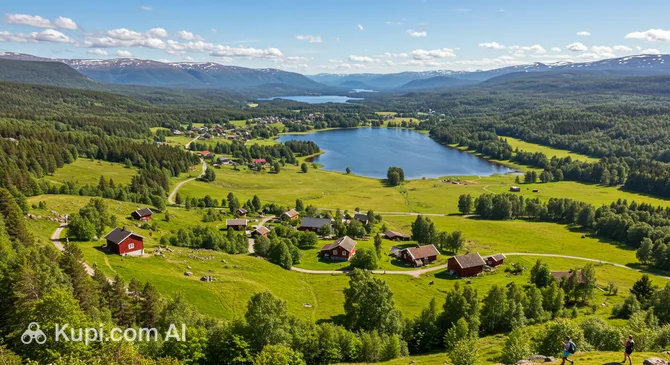
Idre is a true northern gem, nestled in the western part of Sweden. The town is located in the picturesque Dalarna County, right next to the Norwegian border. It is surrounded by majestic mountains, dense coniferous forests, and crystal-clear lakes, creating an atmosphere of complete harmony with nature.

Idre. Illustration.
Source: Kupi.com AI

First and foremost, this place is famous for its Idre Fjäll ski resort, which is considered one of the best in the region. There is a warm and friendly atmosphere here, with infrastructure designed down to the smallest detail. In winter, life is in full swing on the well-groomed slopes and trails, while in summer, travelers set out to explore cycling routes and hiking paths.

The town is perfect for family trips and romantic weekends. Curious tourists will also find the history of Idre interesting, as it is inextricably linked with the culture and traditions of this rugged yet beautiful land. This is a place where you can truly relax your soul, enjoy the silence, and discover the unique beauty of Scandinavian nature.

Weather Overview

The climate in this region can be described as moderately cold, creating ideal conditions for winter holidays and comfortable summer walks. Winters here are long and frosty: in January and February, the average temperature stays around -7°C...-8°C, and at night, the air can cool down to -10°C.

The summer season is mild and fresh, without exhausting heat. In July, the warmest month, thermometers show an average of +12.8°C, with maximum values reaching +17°C. Expect a cool summer with occasional light rain and cold, snowy winters. Precipitation falls regularly throughout the year, but its volume is small, although the number of rainy days in summer can reach 17 per month.

Spring arrives gradually, with temperatures around zero in April, while autumn quickly brings a chill as early as September. To choose the best time for your trip and properly prepare your wardrobe, we recommend checking the detailed weather in Idre before your journey.

Average monthly temperature

Average monthly precipitation

Interesting Facts

In addition to its main attractions, Idre holds many fascinating secrets and natural wonders that make a trip here unforgettable. Here are a few facts that will help you see this town from a new perspective:

  • The "Magic Road" on Mount Nipfjället. Near Idre, there is an amazing place known as Nipfjället. An optical illusion exists here that makes it seem as though the road is going uphill, when in fact it is descending. Tourists often turn off their car engines to watch in amazement as the car rolls "uphill" on its own.

  • Encounters with Wild Reindeer. Idre is one of the few places where Sweden offers travelers the chance to see reindeer in their natural habitat, not just on farms. In summer, unique beaver safaris and excursions to spot majestic moose are also organized here.

  • Ancient Sami Traditions. Historically, the town served as an important trading post for the indigenous people of the north—the Sami. These traditions are still honored today: travelers can get acquainted with the unique culture, try national dishes, and even go for a reindeer sleigh ride.

  • Impressive Ski Season. The resort is rightfully considered a mecca for winter sports: the skiing season here lasts from November to April. Guests have access to 29 kilometers of slopes with a vertical drop of up to 300 meters, attracting both downhill skiing and snowboarding enthusiasts, as well as cross-country fans.

How to Get There

When planning a trip to this ski resort, it is important to think through the logistics in advance, as it is located far from major metropolises. You can find out more about how to get to Idre to choose the most convenient route, and below we will look at the main transport hubs through which tourists most often arrive.

There is no airport in the town of Idre itself, but you can fly into Scandinavian Mountains Airport (SCR) in Sälen, which is about 78 km from Idre. This is the nearest air gateway serving flights during the winter season. The journey from here by taxi or transfer takes about 2 hours and 20 minutes.

Another popular option is to use a major international hub in neighboring Norway. You can fly into Oslo Airport Gardermoen (OSL) in Oslo, located about 205 km from Idre. Thanks to the developed infrastructure, it is convenient to rent a car from there; the trip will take approximately 5 hours and 30 minutes.

You can also consider the regional Røros Airport (RRS) in the Norwegian town of Røros (about 108 km from the resort). The road by car will take you approximately 3 hours.

For clarity, here is a summary of the main airports:

AirportPassenger trafficDistance
Scandinavian Mountains Airport25 00078 km
Roros Airport21 575108 km
Åre Östersund Airport239 000175 km
Trondheim Airport Værnes4 mln201 km
Oslo Airport Gardermoen26.4 mln205 km

Traveling by rail is also possible, though it will require a transfer to a bus or taxi for the final leg of the journey. There is no train station in Idre itself, but you can arrive at Leksand Railway Station in the town of Leksand, which is about 175 km from Idre. From there, you can reach the resort by taxi or bus in about 4 hours and 45 minutes.

If you are coming from Norway, a convenient arrival point is Oslo Central Station in Oslo (about 205 km from Idre). This is the region's largest transport hub with a huge passenger flow, from where buses and trains depart towards the Swedish border.

Below is a table of the nearest and most significant railway stations:

StationPassenger trafficDistance
Leksand Railway Station175 km
Trondheim S Station1.5 mln200 km
Oslo Central Station54.8 mln205 km
Falun Central Station210 km
Borlänge Railway Station800 000211 km

Main Attractions

Idre and its surroundings are a true paradise for lovers of wild nature and outdoor activities. Here, the sights were created not by architects, but by glaciers and winds. Travelers should take note of several iconic spots that allow you to feel the full power and beauty of the Scandinavian mountains.

One of the region's most recognizable natural icons is Mount Städjan. Its characteristic pointed silhouette, resembling a volcano, is visible from afar and has inspired Swedish artists and writers for centuries. Climbing to the 1,131-meter peak is a popular summer route that, despite its steepness, is accessible even to families with children. The reward for the ascent is a breathtaking panorama of protected forests and neighboring mountain ranges.

Just an hour's drive from the town is Fulufjället National Park, which is a must-include in your itinerary. The park's main crown jewel is the Njupeskär waterfall, the highest in Sweden. Water here thunders down from a height of 93 meters into a deep gorge. A convenient wooden trail leads to the waterfall, passing through an ancient forest where you can see the famous "Old Tjikko" spruce—one of the oldest trees on the planet, with a root system over 9,500 years old.

For those seeking peace by the water, Grövelsjön is the ideal spot—a mountain station and lake right on the border with Norway. The water in the lake is so pure that you can drink it without treatment. In summer, boat trips on the M/S Sylöra and hikes across the mountain plateaus are popular, and the landscapes resemble the rugged but beautiful settings of Viking sagas.

Local Cuisine

The cuisine of Idre is a gastronomic reflection of the rugged yet generous nature of Dalarna. There is no pursuit of complex experiments here; the diet is based on natural local products. Travelers should prepare for hearty dishes that are perfect for restoring energy after an active day on the ski slopes or forest trails.

The main delicacy of the region is undoubtedly game. Be sure to try the smoked reindeer, traditionally served with sweet and sour lingonberry sauce and fresh homemade bread. Local restaurant menus often feature moose in various forms: from tender steaks to rich stews. Fish lovers will appreciate the catch from the local pristine lakes—trout and Arctic char are prepared simply here, often grilled or marinated to preserve their natural flavor.

Culinary traditions are closely intertwined with Sami heritage. This is felt in the thick meat soups prepared according to old recipes. Special attention should be paid to the "forest's bounty": mushrooms and berries. In summer and autumn, the season for cloudberries, blueberries, and lingonberries reigns. They are added to meat, used as pie fillings, or served fresh with locally produced goat cheese.

As for drinks, in Idre, as in all of Sweden, there is a cult of coffee. It is brewed strong and aromatic, always accompanied by sweet pastries, such as the famous cinnamon bun. In the cold season, the best warming remedy is spicy hot glögg or homemade herbal infusions, which can be sampled during themed evenings.

The food culture here is informal and cozy. Tourists often dine in restaurants at the ski bases or in small cafes, enjoying the warmth of the fireplace. Simple but delicious street food is also popular: smoked fish sandwiches or hot soups that warm you up perfectly in the frost. In summer, visitors can visit farmers' markets to appreciate the full variety of northern gastronomy.

Travel Tips

A trip to Idre promises to be an unforgettable adventure amidst the wild nature and snow-capped peaks of Dalarna. To make your holiday as comfortable as possible and without organizational difficulties, we have prepared a list of useful recommendations that will help you feel confident in this northern land.

  1. Clothing and Gear. Mountain weather is changeable, so the main principle here is layering. In winter, be sure to bring high-quality thermal underwear, fleece jackets, and a windbreaker, as well as comfortable trekking shoes for summer walks. Don't forget sunglasses: the bright sun reflecting off the snow can be blinding even on frosty days.
  2. Getting Around. Public transport connects Idre with major transport hubs, but within the region itself, buses are infrequent. For a full exploration of natural beauties and trips between lifts and cottages, renting a car is highly recommended. Taxis here are an expensive pleasure and not always instantly available, so private transport will give you the necessary freedom.
  3. Financial Matters. The official currency is the Swedish krona (SEK). Sweden is one of the most "cashless" countries in the world, so bank cards are accepted almost everywhere, from supermarkets to small cafes on the slopes. You might not need cash at all, but having a small amount for technical failures won't hurt.
  4. Health and Safety. Idre is a very safe place, but the main threat can be wild animals (moose and reindeer) on the roads, especially at dusk. Be extremely careful behind the wheel. The pharmacy (Apotek) is located in the center of Idre village, but take note of the opening hours: it closes quite early and may not be open on Sundays.
  5. Communication and Language. Locals speak excellent English, so there will be no problems with communication. Wi-Fi is available in most hotels and restaurants; however, in the depths of national parks or on remote trails, the mobile network may drop out. We recommend downloading offline maps of the area in advance.
  6. Local Etiquette. In Sweden, personal space and waiting in line are highly valued. Shops and institutions often have ticket dispensers for electronic queues—be sure to use them. Trying to "just ask" without waiting in line is considered bad manners here.
  7. What to Avoid. Never walk on the groomed tracks (loipe) for cross-country skiing—this is considered a serious breach of etiquette and ruins the track for athletes. Also, strictly observe cleanliness: trash must be taken with you, even if you are deep in the forest.
  8. Buying Alcohol. If you are planning a dinner with wine in your cottage, remember the specifics of Swedish legislation. Alcohol stronger than 3.5% is sold only in the state-owned chain of stores, Systembolaget. There is such a store in Idre, but it has limited opening hours (usually until 6:00 PM on weekdays and until 3:00 PM on Saturdays), so plan your purchases in advance.

Following these simple rules will help you easily blend into the steady rhythm of life in Idre and avoid awkward situations. Enjoy the pure mountain air, magnificent scenery, and Scandinavian coziness, knowing that you are fully prepared for your trip!

Entertainment & Nightlife

Entertainment and nightlife in Idre have their own unique Scandinavian flavor. Do not expect noisy districts with neon signs and 24-hour raves typical of large metropolises. Evening leisure here is inextricably linked to the "After Ski" culture—a time when tired but happy skiers gather together to discuss conquered peaks, listen to live music, and warm up with drinks. The epicenter of evening life is the Idre Fjäll resort area, where most venues are concentrated.

The atmosphere in local establishments is incredibly relaxed and informal. The dress code is a loose concept: in most bars and pubs, you will feel comfortable in a regular sweater, jeans, or even a ski suit straight from the slopes. The crowd mainly consists of families, groups of friends, and sports enthusiasts from all over Europe. The fun usually starts in the afternoon, right after the lifts close, and transitions smoothly into cozy dinners.

Among the specific places where you can spend a great evening, several popular locations stand out:

Värdshuset is the heart of entertainment at the Idre Fjäll resort. This is where the most energetic After Ski parties take place. During the high season, cover bands and local musicians perform regularly, creating a lively and festive atmosphere. It’s the perfect spot for those who want to dance (sometimes right in their ski boots) and enjoy a beer in a boisterous crowd.

If you are looking for a more tranquil and refined setting, look no further than PW Kök & Bar, located in the Pernilla Wiberg Hotel. This venue offers a more sophisticated style: a cozy lounge with a fireplace, an excellent wine list, and signature cocktails. People come here for relaxed conversation and to enjoy mountain views through panoramic windows. It is a wonderful choice for a romantic evening or a peaceful end to the day.

Farfars Hörna is another atmospheric spot, combining the features of a classic steakhouse and a cozy pub. It has a warm, almost home-like atmosphere, and large groups often gather here in the evenings to enjoy hearty meat dishes and have a drink at the bar.

Beyond gastronomic delights and bars, Idre offers other types of evening leisure. At the local Aktivitetscenter (Activity Center), you can play bowling—a popular activity for families and groups, especially when it’s dark and frosty outside. During the day, if you decide to take a break from skiing, you can visit small local museums telling the story of Sami life or head to the indoor pool with a sauna to relax your muscles.

Practical tips for tourists:

  • Opening hours: Remember that nightlife here ends earlier than in big cities. Most bars close around midnight or 1:00 AM, and restaurant kitchens may stop serving as early as 9:00 PM–10:00 PM.
  • Prices: Alcohol in Sweden is expensive, and the bars in Idre are no exception. Be prepared for cocktail and beer prices to be higher than the European average.
  • Transport and Safety: Idre is an exceptionally safe place; you can walk the streets at any time of day. However, distances between cottage villages can be significant. If you live far from the resort center (Idre Fjäll), make sure to have the number of a local taxi service, as hailing a car on the street at night is almost impossible.

Parks & Museums

Idre is a unique place where the boundaries between the urban environment and the wilderness are virtually non-existent. You won't find typical city parks with paved paths and fountains here, as the entire region is one massive natural reserve. The town's cultural life is also inextricably linked with the history of settling this rugged land and the traditions of indigenous peoples.

Green Zones and Reserves

The main "park" for locals and tourists is the Städjan-Nipfjället Nature Reserve. This is a vast area of moorland and mountain peaks, easily accessible by car along one of the highest roads in the country. There are no fences or ticket offices here—just wide-open space where you can walk for hours, enjoying views of the famous volcano-shaped mountain, Städjan. It is an ideal spot for picnics and light trekking for the whole family.

While Fulufjället National Park is often mentioned for its waterfall, it also deserves attention as a unique ecosystem. This is an area of untouched taiga and mountain plateaus with convenient wooden boardwalks. A walk here feels like a journey through a fairy-tale forest: ancient spruces, soft mosses, and absolute silence, broken only by birdsong, create an atmosphere of complete peace and harmony with nature.

Museums and Cultural Centers

The most educational spot in the region is Naturum Fulufjället—a modern visitor center and nature museum located at the entrance to the national park. The exhibition is interactive and engaging for both adults and children: here you can learn everything about the flora and fauna of the mountain tundra, touch moose antlers, hear the calls of local birds, and understand how this landscape formed over thousands of years.

To get a touch of local history, it is worth visiting Idre Hembygdsgård (Open-Air Local Lore Museum). This complex of old wooden buildings transports visitors into the past, showing how peasants in Dalarna lived centuries ago. In summer, traditional festivals are often held here, including the famous Midsommar (Summer Solstice) celebrations with dancing and folk music.

Historical Heritage

In the center of the village sits the small but charming Idre Church (Idre kyrka). This wooden building, painted in traditional red, is the heart of the community's spiritual life. The church interior is simple and cozy, reflecting the modesty and resilience of the locals in the face of the harsh northern nature. Near the church, you can find memorials dedicated to the history of the Sami people in this region.

Insider Tip

If you are interested in history not just of daily life but of 20th-century events, we recommend driving a little further south towards the village of Särna to visit the Lomkällan Forest and Defense Museum. There you can see unique exhibits related to logging, as well as learn about the World War II period and the fortifications on the border with Norway. This place rarely makes it into standard short guides but leaves a strong impression with its authenticity.

Getting Around

The transport system in Idre differs significantly from what residents of large metropolises are used to. Since it is a small settlement in a mountainous area, there are no subways, trams, or trolleybuses. The backbone of public transport consists of bus routes that connect the village with neighboring towns and key tourist sites in the region.

The main operator of bus services is Dalatrafik. Its buses run between Idre and major transport hubs such as Mora, which has the nearest railway station. The schedule is strictly fixed and can change depending on the season, so it is highly recommended to check departure times in advance on the official website or in route planners.

For tourists who come for a skiing holiday, a vital piece of infrastructure is the special ski bus (Skidbuss). During the winter season, it runs regularly between Idre village center and the popular resorts of Idre Fjäll, Idre Himmelfjäll, and Fjätervålen. This is a convenient way to get to the slopes if you haven't rented a car. Holders of a valid ski pass can often use this bus for free, but it is best to check the terms at your hotel reception or at the tourist center.

The payment system in the Dalarna region is modern and oriented towards cashless transactions. The most convenient way to buy tickets is through the Dalatrafik mobile app, which is available for download on smartphones. In the app, you can buy single tickets or 24- and 72-hour passes, which are often more economical for tourists. You can also pay for your fare with a bank card directly from the driver when boarding the bus. Important: cash is generally not accepted on buses.

If you plan to get around by taxi, take the region's specifics into account. There are no services like Uber in Idre, and the fleet of local taxis is limited. Cars must be booked by phone in advance, especially in the evening or during holidays. A trip can be quite expensive due to the large distances and lack of high competition.

Given the sparse public transport schedule, the most popular alternative remains renting a car. This gives you complete freedom of movement between cottages, shops, and natural attractions. In summer, bicycle rental is also popular: Idre has a well-developed network of cycling paths, and two-wheeled transport becomes not just a means of getting around, but a great way to see the picturesque surroundings.

Accommodation

Accommodation in Idre has its own unique character, typical of Scandinavian ski resorts. You won't find an abundance of high-rise chain hotels here; the housing stock mainly consists of cozy wooden cottages (stugor), chalets, and apartments. The range of offers varies from budget cabins in campsites and hostels to luxury villas with saunas and panoramic mountain views, designed for large groups.

When choosing a place to stay, the area plays a key role. The most popular and convenient location for tourists is the Idre Fjäll resort area. By staying here, you get access to a ski-in/ski-out system, meaning you can hit the slopes right from your doorstep. This is the epicenter of life with shops, restaurants, and pools. For those seeking peace and solitude, the newly developing Idre Himmelfjäll area or the quiet Fjätervålen are excellent choices. If you want to save money or are planning a summer fishing trip, you can consider options in the village of Idre (Idre By) itself, though in this case, you will definitely need a car for trips to the lifts.

While cottages dominate, lovers of classic hotel service will also find options. The most famous example is the Pernilla Wiberg Hotel, located in the heart of Idre Fjäll. This Alpine-style hotel offers a high level of comfort, a spa area, and close proximity to golf courses in summer and ski slopes in winter. It is an excellent choice for those who do not want to spend time on cooking and household chores during their vacation.

Booking Tips

It is worth planning a trip to Idre well in advance. During peak periods, such as the Swedish "sports break" (Sportlov) in February and Easter weeks, the best accommodation options are booked six months or even a year ahead. Note the specifics of cottage rentals in Sweden: often bed linen, towels, and final cleaning are not included in the price and are paid for additionally or performed by the guests themselves.

The price range in the region can be described as medium to above average, especially in the winter season. Budget options can be found in campsites or the private sector further from the slopes. Reservations are most often made through the official resort websites (e.g., Idre Fjäll) or major Swedish rental platforms, though international aggregators also work.

Nearby Cities

For those who want to explore the surrounding area, Idre serves as an excellent starting point for day trips to several interesting nearby places. Although distances in northern Sweden can be significant, a trip to neighboring towns allows for a deeper immersion into the culture and history of the region.

One of the most notable destinations is Falun. Located about 3 hours away, this city is world-famous for its Great Copper Mountain (Falu Gruva), which is a UNESCO World Heritage site. Tourists come here to descend into ancient mines and learn the history of the famous Falu red paint, which has become a symbol of Swedish architecture. Additionally, the Lugnet national ski center is located here.

Another interesting option is Östersund, the only city in the neighboring Jämtland County. It is situated on the shores of the picturesque Lake Storsjön, which is associated with the legend of a local "Loch Ness" monster. The city is known for its open-air ethnographic museum "Jamtli," where actors recreate the life of past centuries, as well as its status as a UNESCO City of Gastronomy.

Below is information about the nearest major settlements that can be reached by car:

CityPopulationDistance
Sälen76983 km
Sveg2 50088 km
Koppang2 70094 km
Roros1 800106 km
Rena20 000109 km

These nearby destinations provide an insight into the diverse culture and landscapes of the region.

Shopping & Souvenirs

Shopping in Idre is calm and practical, perfectly matching the atmosphere of a cozy mountain resort. You won't find huge shopping malls or high-fashion boutiques here, but this is more than compensated for by the quality of the goods offered. The main focus is on sports equipment, outdoor clothing, essentials, and, of course, unique local souvenirs reflecting the culture of the Dalarna region.

Commercial life is concentrated in two main locations. The first is the center of the village itself (Idre By), where you will find large grocery supermarkets, a pharmacy, a branch of the state alcohol monopoly Systembolaget, and several small shops. The second important zone is the central square of the Idre Fjäll resort. Here, tourists can visit sports shops with a wide range of gear from well-known Scandinavian brands, as well as souvenir departments.

There are no large shopping centers in the traditional sense in Idre. The role of the main shopping hub is played by the area around the ICA Supermarket Idrebua in the center of the village. This is where you can buy not only groceries but also household goods, press, and basic items for tourists. Within the ski resort area, it is worth checking out the specialized Concept Store, which offers an excellent selection of clothing for skiers and snowboarders.

Traditional markets here are a seasonal phenomenon. During the winter holidays and in summer, small fairs are sometimes organized where local farmers and artisans offer their products. At these improvised stalls, you can find fresh pastries, homemade jams, and handcrafted items. This is a great opportunity to chat with the locals and taste the real flavors of the Swedish countryside.

The choice of souvenirs in Idre will delight lovers of authenticity. The main symbol of the region is the famous Dala horse (Dalahäst)—a wooden figurine painted by hand. Also, Sweden is famous for the works of Sami craftsmen: look for knives with reindeer horn handles, leather bracelets, and silver jewelry. For gastronomic souvenirs, be sure to bring back a jar of cloudberry (hjortron) jam, smoked reindeer or moose meat, as well as traditional crispbreads.

Most shops in the village center are open from 10:00 AM to 6:00 PM on weekdays, and on Saturdays, the working day is often shortened to 2:00 PM or 3:00 PM. Grocery supermarkets usually stay open longer, often until 8:00 PM or 9:00 PM, seven days a week. Cashless payment is widespread almost everywhere in Sweden: cards are accepted even in the smallest kiosks, so you may not need cash at all.

For tourists living outside the European Union, a Tax-Free system is available in several shops. If you see the Global Blue logo in the window or at the checkout, you can arrange a refund of part of the value-added tax when purchasing goods for a certain amount (usually from 200 Swedish kronor). Don't forget to ask for a special receipt when paying and present your passport.
Reached the end of the page?

That means the route is fully explored