Support

Oppdal

About

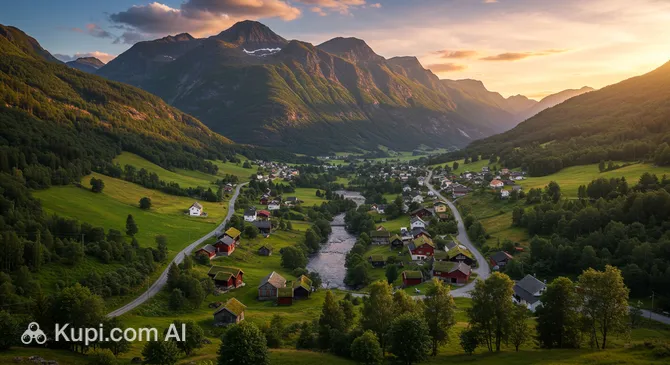
Oppdal is a picturesque spot nestled in the heart of the central part of the country. This small town, surrounded by majestic mountains and dense forests, is located approximately 120 kilometers south of Trondheim. Norway is famous for its natural beauty, and this region serves as a vivid testament to that. Situated at an altitude of 585 meters above sea level, it creates a special microclimate ideal for both active recreation and quiet contemplation of northern nature.

Oppdal. Illustration.
Source: Kupi.com AI

Despite its modest population of about 7,000 people, the town boasts a well-developed infrastructure while maintaining the unique charm of a Scandinavian province. An atmosphere of coziness and friendliness prevails here, and the history of Oppdal tells the story of how the administrative center of the municipality transformed into a hub for travelers who value tradition and comfort.

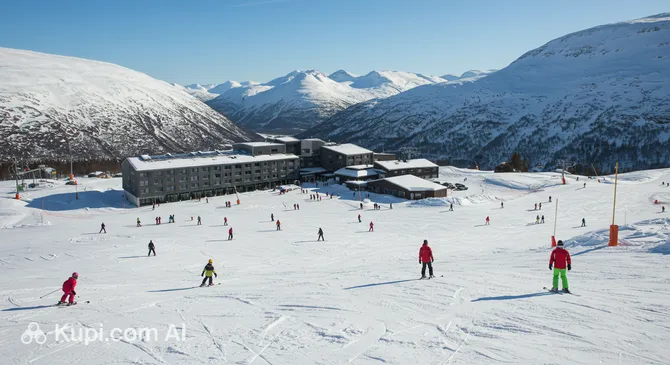
The region's main pride is the harmonious combination of pristine nature and sports opportunities. Oppdal is known as one of the best ski resorts: it features over 56 kilometers of well-groomed slopes, attracting winter sports enthusiasts. In summer, the landscape changes, inviting tourists to enjoy hiking, cycling, fishing, or thrilling rafting on mountain rivers.

This is a place where time seems to slow down, allowing you to forget the hustle and bustle and enjoy every moment. Oppdal is an excellent choice for those looking to soothe their soul, recharge their energy, and witness the true beauty of the North.

Weather Overview

The climate in this region can be described as harsh but charming in its own way, with a distinct mountain character. Winters here are long and frosty, creating excellent conditions for skiing. Traditionally, the coldest month is January, with an average temperature of about -8.4°C, while night frosts often reach -10.8°C.

Summer brings freshness rather than heat, which is perfect for active hiking. In July, the warmest month of the year, the air warms up to an average of 10.4°C, and maximum temperatures rarely exceed 14.2°C. Be prepared for high humidity: the number of days with precipitation is high all year round, peaking in summer (up to 21 days in July), although the rains themselves are often short-lived.

To ensure a comfortable trip, it is important to check in advance what the expected weather in Oppdal will be for the dates of your visit. Overall, expect a cool summer with occasional precipitation and cold, snowy winters that require high-quality warm gear.

Average monthly temperature

Average monthly precipitation

Interesting Facts

Beyond the popular tourist routes, Oppdal holds many fascinating details and natural features that make it a truly unique place.

Oppdal Ski Resort. Illustration.
Source: Kupi.com AI

Traveler photos:

  • Oppdal Ski Resort stands out for its scale even by Norwegian standards. It combines five skiing areas—Vangslia, Hovden, Sletvold, Stølen, and Ådalen—offering athletes a vertical drop of up to 715 meters and slopes over 3 kilometers long.

  • An impressive natural phenomenon is hidden in the town's surroundings—the Magalaupet gorge. Here, the turbulent Driva River has carved its way through hard rocks for centuries, creating deep "cauldrons" and whirlpools associated with many local legends and tales.

  • Oppdal is often called a "forge of champions" in winter sports. This relatively small town has been the birthplace of a surprising number of professional skiers and biathletes who have achieved success on the international stage.

  • For those interested in history, the Oppdalsmuseet is open here. It clearly demonstrates the traditions of mountain farmers: visitors can see old wooden buildings and household items telling the story of life in the region's harsh conditions in past centuries.

How to Get There

When planning a trip to this mountain region, it is important to choose the optimal route in advance. Oppdal is conveniently located at the intersection of important transport routes, making it accessible by both air and rail. You can find out more about how to get to Oppdal on our special page, and below we will break down the most popular methods.

Since there is no civilian airport in the town itself, travelers usually fly into neighboring major hubs. The most convenient option is Værnes Airport (IATA: TRD), serving Trondheim. This is an international hub receiving many flights. The distance to the resort is about 115 km, and the journey by car or transfer will take approximately 2 hours, which is significantly faster than from other major airports.

As an alternative, you can consider Kristiansund Airport, Kvernberget (IATA: KSU). It is located on the coast, about 111 km from Oppdal. Another option is the small regional Røros Airport (IATA: RRS), located 85 km away, although the number of flights there may be limited.

Summary information on the nearest airports is presented in the table:

AirportPassenger trafficDistance
Roros Airport21 57585 km
Kristiansund Airport, Kvernberget278 854111 km
Trondheim Airport Værnes4 mln115 km
Molde Airport, Årø481 406126 km
Ålesund Airport, Vigra1.1 mln184 km

The railway is one of the most scenic and comfortable ways to reach the destination. Oppdal has its own railway station located on the main Dovrebanen line, connecting the north and south of the country. Trains coming from Trondheim S Station stop directly in the center of Oppdal; the travel time is just under two hours.

There are also direct services from the capital. Trains departing from Oslo Central Station travel through picturesque valleys and mountains straight to Oppdal station without the need for transfers. This journey will take longer but will provide unforgettable views from the window.

The main railway stations connected to the service are:

StationPassenger trafficDistance
Trondheim S Station1.5 mln114 km
Oslo Central Station54.8 mln277 km

Main Attractions

Oppdal offers travelers not only magnificent landscapes but also a well-developed entertainment infrastructure where everyone will find something to their liking. The undisputed center of attraction for guests of the region is the Oppdal Ski Resort. This is one of the most extensive skiing areas in Norway, covering several mountains with slopes of varying difficulty levels. The resort is attractive to tourists for its versatility: families with children and extreme sports enthusiasts seeking steep descents and freeride opportunities all feel comfortable here.

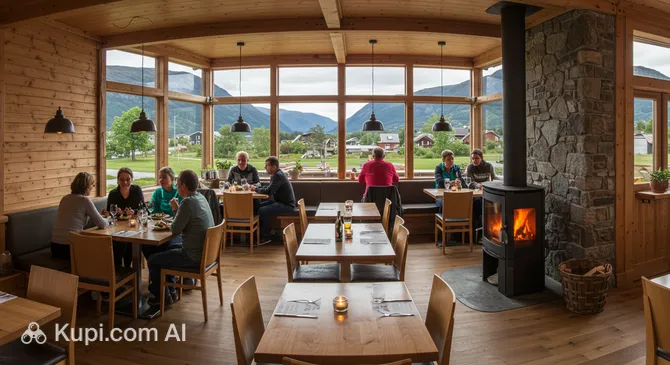
After an active day in the fresh air, the town's gastronomic map becomes an equally important part of the journey. Special attention should be given to the Skifer Restaurant, located in the hotel of the same name. This place attracts visitors with its stylish interior, which uses natural materials such as slate and wood, as well as a menu focusing on local products. Here you can try dishes made from venison or mountain trout, prepared with a modern Scandinavian touch.

Skifer Restaurant. Illustration.
Source: Kupi.com AI

Traveler photos:

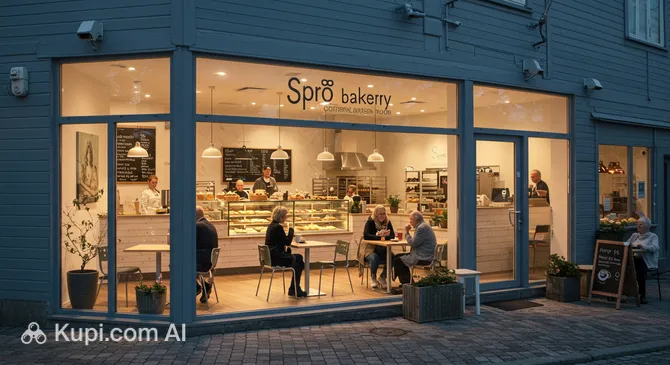
For a more intimate break or a light snack, the Sprø Bakery is an excellent choice. This cozy establishment has become a favorite meeting spot for both locals and tourists. The bakery is famous for its artisanal bread, airy pastries, and excellent coffee. Visiting this place is a wonderful way to start the day before an excursion or to warm up after a walk through the frosty streets.

In addition to the town infrastructure, Oppdal serves as a starting point for unique nature excursions. Many tourists come here for the chance to visit Dovrefjell National Park and see the mighty musk oxen. The combination of accessible skiing, quality food, and proximity to wilderness makes this town an ideal destination for a fulfilling vacation.

Local Cuisine

Oppdal's gastronomic culture is inextricably linked to the traditions of mountain farming and the riches of the surrounding nature. The local food philosophy is based on the "nature to table" principle, where organic local products play a key role and recipes are passed down through generations.

A special place on the menu is held by hearty dishes made from game and lamb. Travelers should try the tender venison roast or stewed lamb, which is traditionally served here with a thick lingonberry sauce and seasonal vegetables. The region is also famous for its meat delicacies: homemade sausages, smoked meats, and dried meat, which often make excellent souvenirs.

Fish lovers will appreciate the taste of the freshest mountain trout, caught in the region's cleanest icy rivers. It is often baked with aromatic herbs or served in a simple but exquisite form to emphasize its natural flavor. Another culinary symbol is the traditional Norwegian creamy salmon soup—a thick and warming dish perfect for restoring strength after active recreation in the mountains.

The sweet side of local cuisine is represented by the famous Norwegian waffles in the shape of hearts. They are traditionally eaten with thick sour cream and jam made from wild berries—cloudberries, blueberries, or strawberries, which grow in abundance in the local forests. It is also worth noting the farm cheeses, especially the piquant goat cheese produced using special local technologies.

The town's gastronomic life is full of events: food festivals are regularly held here, attracting gourmets from all around. At such events, you can personally talk with producers, try the best seasonal products, and immerse yourself in the atmosphere of true Norwegian hospitality.

Travel Tips

Preparing for a trip to the heart of Norway requires attention to detail, as mountain comfort largely depends on the right equipment and knowledge of local specifics. We have compiled a list of practical recommendations to help make your stay in Oppdal carefree and fulfilling.

  1. Clothing and Equipment. Mountain weather changes rapidly, so the main principle in clothing is layering. Even in summer, you will need a waterproof windbreaker and comfortable trekking boots for walks. In winter, be sure to bring merino wool thermal underwear; jeans are not suitable for active recreation as they get wet quickly and take a long time to dry.
  2. Transport. The town center is compact and pleasant to walk around. However, to reach remote ski slopes or the start of hiking trails, renting a car is most convenient. Public transport is represented by buses, but they do not run very often, especially on weekends. Taxis are available, but trips are expensive.
  3. Finances. Cashless payments are used almost everywhere here. Cards are accepted everywhere: in hotels, taxis, and even in small mountain huts. You will likely not need cash crowns (NOK). Tipping is not mandatory as service is included in the bill, but rounding up the amount in cafes is considered good manners.
  4. Health and Safety. Oppdal is a safe place with a low crime rate. The main risks are related to nature: sudden weather changes or difficult terrain. Pharmacies (Apotek) work standard hours and are closed on Sundays; there are no 24-hour locations, so it's better to have a basic first-aid kit with you.
  5. Connectivity and Communication. Almost all locals speak English fluently, so there will be no communication problems. Wi-Fi is available in almost all cafes and hotels. If you need mobile internet, a SIM card from local operators (Telenor, Telia) can be purchased at convenience stores upon presentation of a passport.
  6. Local Etiquette. Residents of the region value personal space but are always ready to help. A firm handshake is sufficient when meeting. An important detail of mountain etiquette: it is customary to greet fellow travelers on hiking trails (a simple "Hei!" is appropriate), even if you are not acquainted.
  7. What to Avoid. Never walk on prepared ski tracks (loipe)—this is considered a serious violation and ruins the surface. Also, if you go on a musk ox safari in Dovrefjell Park, it is strictly forbidden to approach the animals closer than 200 meters—it is deathly dangerous.
  8. Important Nuance. Remember "Sunday silence": most grocery stores and shopping centers are closed on Sundays. Only small convenience stores at gas stations (Bensinstasjon) with a limited selection and higher prices are open, so it's better to buy groceries in advance.

By following these simple tips, you can avoid minor inconveniences and focus entirely on the main thing—enjoying the majestic nature and cozy atmosphere of Oppdal. We wish you an unforgettable journey!

Entertainment & Nightlife

Nightlife in Oppdal has its own unique Scandinavian character. Don't expect noisy metropolitan clubs with neon signs open until morning. Evening leisure in this town is closely linked to the "après-ski" culture (relaxing after skiing), coziness, and warm social interaction. Main activities are concentrated in the town center along the main street, Aunevegen, as well as at major hotels that serve as hubs for both tourists and locals.

A central spot for an evening out is the Skifer Restaurant. In the evening, this establishment transforms from a classic restaurant into a stylish lounge bar. A relaxed atmosphere prevails here: a crackling fireplace, dim lighting, and panoramic windows with mountain views create the perfect backdrop for a glass of wine or local aquavit. The crowd here is respectable yet casual—ranging from skiers who have swapped their gear for sweaters to couples enjoying a romantic dinner.

Sprø Bakery. Illustration.
Source: Kupi.com AI

Traveler photos:

For those looking for a more informal setting, the Sprø Bakery is a great choice. Although the name implies morning pastries, this place is also popular in the evening. You can often order excellent stone-oven pizza and craft beer here. This establishment has become a kind of social hub for the town, where you can meet groups of friends and discuss plans for the next day in the mountains.

During the peak winter season, especially on weekends and during Easter holidays, the nightlife becomes noticeably more active. Many bars at the base of the slopes host parties with live music and DJs immediately after the lifts close. The dress code in most Oppdal establishments is very relaxed: casual or "sporty chic" is appropriate everywhere. The main rule is that clothing should be neat, but tuxedos and evening gowns are a rarity here.

Practical Tips and Safety:

Oppdal is an exceptionally safe town where you can comfortably walk at night even alone. However, keep the harsh climate in mind: when returning late in the evening, dress warmly as the temperature can drop sharply. Alcohol prices in Norway are traditionally high: a glass of beer in a bar will cost around 100–120 NOK, and cocktails start from 140 NOK. Note the strict age restrictions: beer and wine are sold to those 18 and older, while spirits are strictly for those 20 and older, and ID is frequently checked.

Since the town is compact, you can move between the main venues in the center on foot. If you are staying in remote cottages (hytter), save the number of a local taxi in advance, as ride-hailing apps may not work as quickly as in large cities, and hailing a car on the street at night is almost impossible.

Regarding daytime cultural entertainment, the Oppdal Culture House (Oppdal Kulturhus) is a key attraction. It houses a modern cinema, a library, and a concert hall where performances by local groups, theatrical productions, and exhibitions regularly take place. It's a great place to diversify your leisure time if the weather isn't suitable for walking.

Parks & Museums

Oppdal is a rare example of a town where the boundaries between the urban environment and the wilderness are practically non-existent. Here, you won't find the geometrically precise squares with fountains common in metropolises, because the role of the main "green belt" is played by majestic national parks and mountain valleys surrounding the settlement on all sides. The cultural life of the region is closely interwoven with history, offering guests an immersion into the atmosphere of ancient Norwegian traditions.

Natural Areas and Parks

The main natural treasure for which tourists from all over the world come here is the Dovrefjell-Sunndalsfjella National Park. It is a unique ecosystem, reminiscent of the Arctic tundra, located just a few minutes' drive from the center of Oppdal. The park is known not only for its harsh and breathtaking landscapes but also as the only place in Europe where you can see wild musk oxen in their natural habitat. It is an ideal spot for photo hunting and long hikes.

Another significant natural area is the Trollheimen mountain range ("Home of the Trolls"). This territory is famous for its deep valleys, crystal-clear lakes, and glaciers. Unlike the rocky Dovrefjell, Trollheimen impresses with its variety of vegetation and is considered one of the most beautiful places for trekking in Norway. Routes here range from easy family walks to difficult peak ascents.

Museums and Cultural Heritage

The central place in cultural life is occupied by the Oppdalsmuseet. This is a magnificent open-air ethnographic museum located near the town center. The complex consists of more than 30 historical wooden buildings, some of which date back to the 16th century. Walking between old barns, residential houses, and workshops, visitors can learn how people lived, worked, and survived in this mountain region centuries ago. Thematic exhibitions and events that bring history to life are often held here.

History buffs will also be interested in the exhibition center at the library and Oppdal Culture House, where exhibitions by local artists and photographers inspired by the region's nature are periodically held. This small but cozy space allows you to get acquainted with the contemporary art of Trøndelag.

Historical and Architectural Monuments

It is impossible to overlook the Oppdal Church (Oppdal kirke). Built in 1651, it is a beautiful example of cruciform wooden architecture. The building has preserved its historical appearance and interiors, creating a special atmosphere of peace. The church is still active and serves as an important spiritual center for the municipality.

Near the church is Vangfeltet—the largest Iron Age burial field in Norway. There are about 750 burial mounds here, making this site a unique archaeological monument. A walk through the cemetery grounds is a kind of journey through time, allowing you to touch the era of the Vikings and ancient rulers of these lands.

Insider Tip

If you want to enjoy a panorama of the town and valley but aren't ready for multi-hour climbs, head to the top of Allmannberget. This is Oppdal's "home mountain," rising directly above the center. The trail there is quite steep, but the view from the summit is worth every bit of effort, especially in the rays of the setting sun.
Getting Around

The public transport system in Oppdal differs significantly from the usual urban schemes of large metropolises. Since it is a small and compact town, there is no metro, tram, or trolleybus. The town center, where the main shops, hotels, and the railway station are located, is so cozy that it is easy and pleasant to explore on foot. However, for trips to remote attractions or ski slopes, you will need wheels.

The main form of public transport is buses. Regional routes are operated by the AtB company, which connects the town with surrounding villages and neighboring regions. It is important to note that the schedule here is oriented toward locals and schoolchildren, so on weekends and in the evenings, services can be rare. Tourists are strongly recommended to check the current schedule in advance via route planners.

During the winter season, when the region fills with skiers, a special ski bus (Skibuss) begins to operate. This is perhaps the most sought-after form of transport for resort guests. It runs between the town center, major hotels, and the skiing zones (Vangslia, Hovden, Stølen). This is a convenient and often free (with a ski pass) way to get to the lifts without worrying about parking a rental car.

As for fare payment, digitalization reigns here. The easiest and most advantageous way to buy a ticket is to use the AtB mobile app or the national Entur app. In these apps, you can plan a route and pay for the trip immediately by linking a bank card. Buying a ticket from the driver with cash is possible but will cost more, and change for large bills is not always available. You need to validate the electronic ticket upon entry by showing the smartphone screen to the driver.

If you value independence, it is worth considering alternatives. Taxis are available in Oppdal (local service Oppdal Taxi), but trips are quite expensive compared to public transport. Cars are best ordered by phone in advance, as they are difficult to catch on the street. For exploring national parks and remote corners, renting a car is the ideal option. This will give you full freedom of movement and allow you not to depend on bus schedules.

In summer, bicycle rental is gaining popularity. Thanks to the relatively flat terrain in the valley and the availability of e-bikes, two-wheeled transport is becoming an excellent alternative to the bus for short-distance trips. It's also worth mentioning the cable car (Gondolen) in the Vangslia area: although it's more of a tourist attraction than urban transport, it serves as a great way to ascend into the mountains for both skiers in winter and hikers in summer.

Accommodation

Oppdal offers travelers a variety of accommodation options that will satisfy both lovers of urban comfort and those dreaming of complete seclusion with nature. Housing here is predominantly represented by cozy traditional Norwegian cottages (so-called "hytter"), apartments, and several large hotels. The range of offers varies from budget campsites and simple guest houses to comfortable mid-range hotels and luxurious chalets with saunas.

When choosing a place to stay, you should be guided by the purpose of your visit. The town center is the most convenient area for those traveling by train or wanting to be within walking distance of shops, cafes, and cultural centers. The main hotels are located here, providing a high level of service and proximity to transport hubs.

For fans of active recreation, the areas adjacent to the ski slopes, such as Vangslia or Hovden, would be an ideal choice. In these zones, cottage and apartment rentals are widespread, many of which operate on a "ski-in/ski-out" basis, allowing you to start skiing literally from your doorstep. Staying here provides a special mountain atmosphere: a crackling fireplace and a view of snow-capped peaks from the window will be a great addition to your vacation.

If you are looking for more budget-friendly options, pay attention to the campsites located on the outskirts of the town. They often offer inexpensive cabins with basic amenities, as well as spots for tents and motorhomes, allowing you to enjoy nature without extra spending.

Booking Tip: Oppdal is a very popular destination, especially during peak periods: winter school holidays, Easter, and at the height of the summer season (July). Demand for quality housing at this time is very high, so it is strongly recommended to book your stay several months before the trip.

The pricing policy in the region corresponds to the general Norwegian level: from medium to high. The cost of accommodation depends on the season and proximity to the lifts. You can book accommodation through major international online platforms or directly on the websites of local tourist bases and campsites.

Nearby Cities

For those who want to explore the surroundings, Oppdal serves as an excellent starting point for day trips to several interesting nearby locations:

The undisputed leader for an excursion is Trondheim—the historical capital of Norway and the country's third-largest city. You can get there by train or car in about an hour and a half to two hours. The city is famous for the majestic Nidaros Cathedral, considered a national shrine, as well as the charming old Bakklandet district with its colorful wooden houses and cobbled streets.

If the coast beckons you, head to Molde, known as the "City of Roses." It is located on the shores of the Romsdalsfjord and is famous for its incredible panorama: from the Varden viewpoint, you can see 222 mountain peaks. This journey will take a bit more time, but the scenic road is worth it.

Another interesting destination is Kristiansund—a city spread across four islands at the very edge of the ocean. It is known for its unique architecture restored after the war and its history of clipfish (dried fish) production. Additionally, the famous Atlantic Road—one of the most beautiful drives in the world—starts from here.

CityPopulationDistance
Berkak31 km
Hjerkinn23042 km
Storen4 39658 km
Dombas2 30065 km
Tynset5 60867 km

These nearby destinations allow you to get a sense of the diverse culture and landscapes of the region.

Shopping & Souvenirs

Шопинг:

General Overview
Shopping in Oppdal is not about huge outlets and high fashion, but about quality, Scandinavian coziness, and practicality. As a popular center for winter sports, the town is famous for its excellent selection of sports equipment and outdoor clothing. You can find everything here: from high-tech ski suits to traditional wool sweaters. Furthermore, the region is rich in artisans and farmers, so tourists often take home unique handmade goods and gastronomic souvenirs.

Main Shopping Streets
The heart of the town's retail life beats along the central street Aunevegen. This is a compact and pleasant walking area where most of the specialized shops are concentrated. Here you will find boutiques with interior decor, casual clothing stores, and sports outlets. A walk along this street allows you to combine shopping with enjoying views of the surrounding mountains.

Shopping Centers
The main attraction for shoppers is the Domus Oppdal shopping center. This is not just a mall, but a real center of social life where everything you need is gathered under one roof. It houses a large supermarket, a pharmacy, a branch of the state alcohol monopoly Vinmonopolet, as well as departments for books, toys, electronics, and home goods. It's the perfect place to buy groceries for dinner at the cottage or to purchase items forgotten at home.

Souvenirs and Local Goods
Oppdal offers several unique categories of goods that will make a great reminder of your trip:

  • Slate products (Skifer). Oppdal is famous for its slate deposits. Local craftsmen create stylish interior items from this stone: coasters, serving dishes, and decorative figurines.
  • Woolen products. Norwegian wool is known for its quality. Warm socks, mittens, or blankets with traditional patterns are the most popular gifts.
  • Local delicacies. Pay attention to dried meat (fenalår), game sausages, and farm cheeses.

For a tasty souvenir or a snack for the road, it's worth stopping by a place like the Sprø Bakery. Here you can buy the freshest artisanal bread, crispbread (knekkebrød), and traditional Norwegian pastries, which are famous throughout the area.

Opening Hours and Payment
Most shops in the center are open from 10:00 to 17:00 or 18:00 on weekdays. On Fridays, hours may be extended. On Saturdays, retail outlets close earlier, usually at 15:00 or 16:00. It is important to remember that Sunday is a day off for most shops, including large supermarkets (only small convenience grocery stalls may be open). Credit card payments are accepted everywhere, even for small purchases; cash is practically unnecessary.

Tax Free
Norway offers tourists the possibility of a VAT refund. Many shops in Oppdal, especially those selling souvenirs and clothing, are part of the Global Blue system. If you make a purchase above the established minimum (usually around 315 NOK for regular goods), ask for a Tax Free check at the checkout. You can get a partial refund when leaving the country at the airport or border.

Reached the end of the page?

That means the route is fully explored