Support

Andalsnes

About

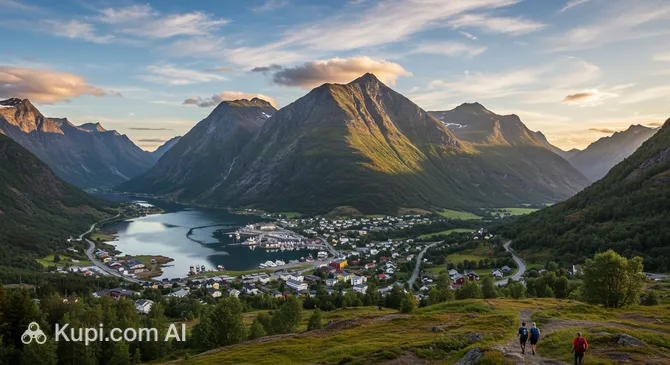
Åndalsnes is a true Norwegian diamond, nestled at the mouth of the Rauma River where it flows into the deep Romsdalsfjord. The town is surrounded by majestic mountains that stand guard over the valley, creating stunning panoramas worthy of an artist's brush. It is for landscapes like these, combining crystal-clear waters and rugged cliffs, that travelers choose Norway as their holiday destination.

Åndalsnes. Illustration.
Source: Kupi.com AI

With a population of about 2,300, Åndalsnes is the administrative center of Rauma municipality in the Møre og Romsdal region. Despite its compact size, the town plays an important role in regional life and possesses a unique atmosphere where the coziness of a northern province meets the buzz of a tourist hub. The history of Åndalsnes is closely intertwined with the development of transport routes and the rise of mountain tourism, which has made it an essential point on the country's map.

This place is ideal for active travelers. Åndalsnes serves as the terminus for the famous Raumabanen (Rauma Line), a journey on which is considered one of Europe's most scenic rail routes. Additionally, the town is the starting point for breathtaking trekking trails. It is worth visiting to feel time slow down amidst alpine landscapes and to enjoy harmony with pristine nature.

Weather Overview

The climate of Åndalsnes is dictated by its location among majestic fjords and mountains: it is cool with fairly high humidity throughout the year. Winter months bring steady frosts, with January typically being the coldest month with an average temperature of -4.2°C. At this time of year, travelers should be prepared for snowy weather, as precipitation occurs frequently — on average about 19 days per month.

The summer season is mild and lacks exhausting heat, creating comfortable conditions for hiking. In July, the warmest month, the thermometer shows an average of 12.4°C, occasionally rising to 15.8°C. However, an umbrella or raincoat will not be superfluous: even in summer, the number of rainy days remains high (up to 21 days in August). More detailed weather in Åndalsnes by month will help you more accurately plan your trip dates and pack a suitable wardrobe. Expect a moderately warm summer with frequent precipitation and cold, snowy winters.

Average monthly temperature

Average monthly precipitation

Interesting Facts

Beyond its main attractions, Åndalsnes holds many fascinating secrets and natural records that make it a unique spot on the map. This "alpine town" is famous not only for its views but also for its engineering marvels.

  • The Troll Wall (Trollveggen). This is home to the highest vertical rock face in Northern Europe. Its height exceeds 1,000 meters, making it a legendary attraction for climbers and mountaineers from all over the world who come to challenge the rugged Norwegian mountains.

  • Scenic Railway. The Raumabanen line passes through the town, and a journey on it is considered one of the most beautiful in Europe. Passengers can admire emerald valleys and waterfalls, while crossing the famous Kylling Bridge — a true engineering marvel — leaves an unforgettable impression.

  • Mountaineering Center. Åndalsnes is home to the unique Norwegian Mountaineering Centre. This modern complex allows you to learn the history of conquering peaks, test yourself on a climbing wall, and even take a virtual ascent without leaving the building.

  • World-class Trekking. The town is the perfect starting point for the Romsdalseggen route, which is among the most beautiful in the country. The slopes of the local mountains feature the famous Rampestreken viewpoint, offering a dizzying panorama of the fjord and valley.

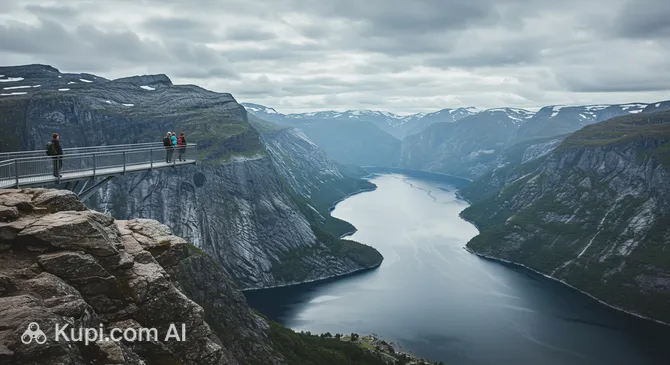
Rampestreken Viewpoint. Illustration.
Source: Kupi.com AI

Traveler photos:

How to Get There

A journey to the fjord region begins with choosing your route. Åndalsnes, surrounded by majestic mountains, is an important transport hub; however, you can get here in various ways by combining flights and land transport. You can explore all the ways to get to the city in more detail on a separate page, and below we will look at the main options for arriving through the nearest transport hubs.

Åndalsnes itself does not have its own airport, so travelers usually fly into neighboring cities. The closest air gateway is Molde Airport, Årø (MOL), located in the city of Molde. It is approximately 29 km from Åndalsnes (as the crow flies, but the road includes ferry crossings or fjord detours). A taxi or transfer journey, taking the local terrain into account, can take about 65–70 minutes.

Another popular option is Ålesund Airport, Vigra (AES), which is the largest in the region and handles more international flights. It is located in the city of Ålesund, about 81 km from Åndalsnes. This is a major transport hub with an annual passenger flow of over a million people. The journey from here to Åndalsnes will take longer — approximately 2.5 hours by car — but the scenic views along the way compensate for the duration of the trip.

You might also consider flying into Kristiansund Airport, Kvernberget (KSU), located in Kristiansund, about 61 km from your destination. This is a medium-sized regional airport that can be convenient for certain connections.

For clarity, here is a summary of the main airports in the region:

AirportPassenger trafficDistance
Molde Airport, Årø481 40629 km
Kristiansund Airport, Kvernberget278 85461 km
Ålesund Airport, Vigra1.1 mln81 km
Hovden Airport111 27894 km
Sandane Airport41 000116 km

If you prefer rail transport, keep in mind that the major main-line hubs are located quite far away. For example, Trondheim S Station (XZT) is located in the city of Trondheim, about 191 km from Åndalsnes. This is a large transport hub with high passenger traffic. From there, you can continue your journey on regional trains or buses.

Another significant hub is Bergen Railway Station (QFV), located in the city of Bergen. The distance to Åndalsnes is about 285 km. Bergen is one of the country's key tourist centers, and many travelers begin their fjord journey from here, switching to other modes of transport to reach Møre og Romsdal.

Below is information about the nearest major railway stations included in the route network:

StationPassenger trafficDistance
Trondheim S Station1.5 mln191 km
Bergen Railway Station2.2 mln285 km

Main Attractions

Åndalsnes rightfully bears the title of Norway's mountaineering capital. This small town serves as the gateway to some of the country's most dramatic and impressive landscapes. Here, natural wonders combine with modern architecture and cozy places to relax, creating the perfect conditions for an unforgettable journey.

The absolute magnet for tourists is the famous Rampestreken viewpoint. This steel structure hangs over the abyss at an altitude of 537 meters above sea level, offering a breathtaking view of the fjord and mountain peaks. The path to it lies via the Romsdalstrappa stone staircase, built by Nepalese Sherpas. The climb requires some effort, but the panorama unfolding from the "air bridge" is worth every step. It is one of the most photographed spots in the region.

After active walks, it's worth stopping by Sødahlhuset. This is not just a cafe or restaurant, but a true cultural center with a special atmosphere. Located in a historic building, it combines a gallery, a shop featuring local handicrafts, and a cozy spot for gastronomic discoveries. Here you can sample dishes made from local products and experience warm Norwegian hospitality.

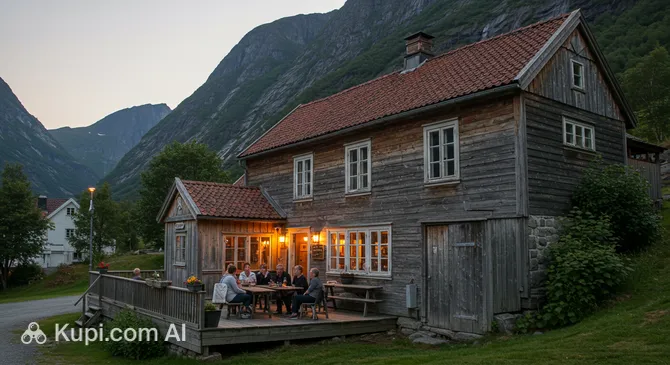
Sødahlhuset. Illustration.
Source: Kupi.com AI

Traveler photos:

No visit to Åndalsnes is complete without heading to the legendary Trollstigen (The Trolls' Path). Although it is some distance from the town center, it is perhaps the most famous tourist route in the area. The serpentine road with 11 hairpin bends climbs the mountainside, passing the powerful Stigfossen waterfall. Observation decks are built at the top, from where the road looks like a thin thread cast among giant rocks.

In the heart of the town, on the waterfront, stands the Norwegian Mountaineering Centre (Norsk Tindesenter). The modern architectural building, resembling a sharp mountain peak, is hard to miss. Inside is an interactive museum telling the story of Norwegian climbing history, as well as the country's highest indoor climbing wall. It is an excellent place to learn more about the region's culture and test your strength in safety before heading into the real mountains.

Local Cuisine

The gastronomic scene of Åndalsnes is a reflection of its rugged but generous nature. Local cuisine follows the "from fjord to table" and "from forest to plate" philosophy. The stars of the menu here are invariably the gifts of the sea. Tourists should definitely try the freshest salmon, prepared here in dozens of ways: from delicate smoking according to old recipes to grilling over an open fire. No less popular is the Atlantic cod, traditionally served with hearty mashed potatoes and a thick cream sauce flavored with northern herbs.

For those looking to warm up after a long mountain ascent, meat dishes are ideal. In the colder months, Åndalsnes is filled with the aroma of rich lamb stew — this hearty and simple dish is considered a classic of Norwegian comfort. You can also find game delicacies sourced from the surrounding forests in restaurants, such as venison or moose, often accompanied by a side of wild mushrooms.

Desserts hold a special place in the hearts of locals. In summer and early autumn, the mountain slopes are covered with a carpet of berries, and this abundance moves into the bakeries. Don't miss the chance to try homemade pies and pastries with blueberries, lingonberries, and, of course, the "gold of the marshes" — cloudberries. These berries are valued here for their unique taste and vitamin boost, and are turned into jams, sauces, and sweet fillings.

As for drinks, Norwegians are great coffee lovers, and Åndalsnes is no exception: a cup of hot black coffee accompanies almost every meal. Regarding alcoholic beverages, you should try the local aquavit — a strong spirit based on potatoes and spices (caraway, dill), which is often served with fatty meat and fish dishes to aid digestion. Craft beers and apple ciders from regional producers are also gaining popularity.

The food culture in town is characterized by simplicity and warmth. Locals love hosting farmers' markets where you can buy craft cheeses, honey, and smoked fish directly from the producers. If you are looking for a place where gastronomy intertwines with the region's cultural code, stop by Sødahlhuset. This establishment is famous for its approach to using local products and its cozy atmosphere, perfect for getting to know the culinary traditions of Møre og Romsdal.

Travel Tips

A trip to Åndalsnes is an immersion into the world of wild nature and majestic mountains, and to ensure it goes perfectly, it's worth preparing in advance. We have gathered a list of important practical recommendations to help you feel confident and comfortable in this "capital of Norwegian mountaineering."

  1. Clothing and Equipment. Weather in the fjords is changeable even in summer, so the layering principle is your main rule. Be sure to bring a windproof and waterproof jacket, as well as comfortable trekking boots with good grip for mountain walks. An umbrella is often useless here due to the wind; it's better to opt for a quality raincoat.

  2. Transport. Åndalsnes itself is compact, and the center is pleasant to explore on foot. However, for trips to remote natural sites (for example, to the foot of the Troll Wall), it is most convenient to rent a car. If you are without a car, use the tourist buses that run during the high season, as public transport does not run very often.

  3. Finances. The official currency is the krone (NOK), but you will hardly need cash. In Norway, cashless payment is developed everywhere: cards are accepted even in small kiosks and on buses. Be prepared for the fact that prices for food and services here are higher than the European average, so plan your budget with a margin.

  4. Health and Safety. The crime rate here is extremely low; the main danger comes from natural factors. Never ignore weather warnings before heading out on a trail. Pharmacies (Apotek) are in the town center, but they do not operate 24/7, so it's better to have a basic set of medicines with you.

  5. Communication and Language. Practically all locals, from bus drivers to shop assistants, speak English fluently. Wi-Fi is available in most cafes, hotels, and the tourist center. For constant access to maps in the mountains, we recommend purchasing a local SIM card (Telenor or Telia) at 24-hour convenience stores like Narvesen.

  6. Etiquette and Nature. Norwegians live by the "leave no trace" rule. Littering in nature is considered highly disrespectful. Also, when meeting on mountain trails, it's customary to greet approaching hikers with a short and friendly "Hei!".

  7. What to Avoid. Do not attempt difficult routes, such as Romsdalseggen, in jeans or sneakers — it is dangerous and earns disapproval from local rescue services. Also, don't try to haggle in shops or markets — it is not common practice here.

  8. Insider Tip. Åndalsnes is a popular port for cruise ships. Check the arrival schedule of the vessels: on days when giants are in port, there can be huge queues at the Rampestreken viewpoint. Plan your ascent for early morning or evening to enjoy the views in peace.

By following these simple tips, you can avoid minor organizational hiccups and fully focus on the beauty of northern nature. May your Scandinavian adventure amidst fjords and waterfalls become one of your brightest memories!

Entertainment & Nightlife

Nightlife in Åndalsnes has its own unique character that perfectly matches the spirit of this cozy town. You won't find loud metropolitan clubs with neon signs or red-light districts here. Evening leisure in the "mountaineering capital" is primarily about cozy get-togethers (the Norwegian "koselig") after a busy day in the mountains, live music in local pubs, and enjoying the taste of craft drinks in the company of like-minded people. Most activity is concentrated in the town center, near the train station and the harbor.

The main center of attraction for locals and tourists in the evening is Sødahlhuset. This venue is unique because it functions as a cafe and gallery during the day and turns into a lively bar and cultural hub in the evening. It often hosts concerts by local bands, quizzes, and themed nights. The atmosphere here is as informal and relaxed as possible: there is no dress code, and most visitors come in comfortable casual clothes or even trekking gear after descending from the mountains.

Another feature of Åndalsnes' nightlife is connected to natural phenomena. During the summer, thanks to the midnight sun, the concept of time fades away, and the Rampestreken viewpoint becomes a popular open-air "nightclub." Many tourists prefer to climb up here late at night or even in the early hours to watch the sunrise or enjoy a sunset that lasts for hours. This is a safe and unforgettable way to spend time, but don't forget to bring flashlights if you go in August or September.

For more classic entertainment, the bar at the Grand Hotel Bellevue is worth mentioning, where you can order a cocktail and sit in a quiet setting. The Rauma Kulturhus (Rauma Cultural House) also operates in town, serving as a cinema and theater. Here you can watch films (often shown in their original language with subtitles in Norway) or catch performances by touring artists. This is a great alternative to bars for those who prefer cultural leisure.

Practical tips for evening relaxation:

Alcohol prices in Norway are high, so the average bar bill can be significant (a glass of beer costs around 100–120 NOK). Most establishments close quite early by European standards — around midnight or 1:00 AM on weekends. In terms of safety, Åndalsnes is an ideal place; you can walk the streets safely at any time of day. Taxis can be found at night, but it's better to book a car in advance through your hotel or restaurant, as their numbers in town are limited. Given the town's compactness, most places are easily accessible on foot.

Parks & Museums

Åndalsnes is a unique place where the boundaries between the urban environment and wild nature are almost erased, and the concept of a "city park" takes on a whole new scale. You won't find large formal gardens with fountains here, as the entire town is surrounded by a natural green belt, and cultural institutions are closely intertwined with mountaineering history and local crafts.

Although Åndalsnes is small, it has cozy green areas for quiet relaxation. One of the locals' favorite spots is Nebba hill. This is a park area on a small elevation right on the edge of the town center. An easy trail leads here, accessible even for strolls with strollers. A bench and a flagpole are installed at the top, and the view over the fjord and the townscape serves as a great alternative to difficult mountain climbs for those who want to enjoy the panorama without extra effort.

Another scenic place for walks is the promenade along the Rauma River. The banks of this salmon river, which flows into the fjord, represent a natural recreational zone. It's pleasant to walk along the paths here, listening to the sound of the water and admiring the reflection of mountain peaks in the turquoise flow. This is an ideal spot for morning jogs or meditative relaxation in nature without leaving the town limits.

The cultural life of Åndalsnes is inextricably linked to the mountains. The main museum site is the Norwegian Mountaineering Centre (Norsk Tindesenter). In addition to sports areas, it houses a fascinating interactive museum. The exhibition is dedicated to the history of Norwegian climbing and the dramatic events of conquering local peaks. Visitors can see the historical equipment of the first mountaineers, hear the stories of the pioneers, and understand why this region is called the cradle of mountain sports in Scandinavia.

To experience art and crafts, visit Sødahlhuset. This multi-functional space, located in a historic 1930s building, is home to a gallery and creative workshop. Works by local artists, photographers, and artisans are regularly exhibited here. The atmosphere of this place allows you to touch the modern culture of the region in an informal and cozy setting.

Insider Tip: If you are interested in history, head to the nearby village of Isfjorden (just 6 km from Åndalsnes) to visit The Garment Museum (Konfeksjonsmuseet). Few people know that this region was once the center of Norway's textile industry. The museum, located in an old factory, tells the amazing story of how locals turned home sewing into a national-scale industry.

Getting Around

The transport system in Åndalsnes has its own characteristics, dictated by the town's size and its status as a tourist center. Given the compactness of the settlement (home to just over 2,000 people), you won't find the variety of subways, trams, or trolleybuses typical of megacities. The town center is so small that it can and should be explored on foot, enjoying the views. However, for trips to the surrounding areas and the start of hiking trails, public transport is necessary.

The main form of public transport is buses. Regional services are operated by the company FRAM. The bus network connects the town with nearby settlements and key attractions. Seasonal routes are particularly important for tourists. During the summer (usually from late June to August), special tourist buses run, taking travelers to iconic spots like the Trollstigen (The Trolls' Path) and the start of the Romsdalseggen ridge hike. In the off-season, the schedule becomes much less frequent, and services may run only a few times a day.

The railway holds a special place in the transport system. The Raumabanen (Rauma Line) is not just a way to get from A to B, but a full-fledged attraction. The trains here are modern and comfortable, with panoramic windows and audio guides. The station is located in the very center of town by the fjord, making travel as convenient as possible. This is an ideal option for day trips deep into the valley.

A relatively new and impressive mode of transport is the Romsdalsgondolen cable car. It starts right from the railway station and whisks passengers up to Mount Nesaksla in just a few minutes. Although it is primarily a tourist attraction, the gondola performs an important transport function, allowing quick access to a mountain-top restaurant and viewpoints without an exhausting climb on foot.

Payment System and Tips:

The Møre og Romsdal region, like all of Norway, is moving towards a cashless society. While you can pay for bus fare in cash, it is often more expensive and inconvenient (drivers may not have change for large bills). The most advantageous and simple way is to use the FRAM mobile app. In it, you can buy single tickets or 24-hour passes in advance, as well as plan your route. For planning trips across the whole country, the Entur app is also useful. Tickets are activated in the app before boarding; you usually only need to validate them visually by showing the driver your smartphone screen.

Alternative Ways to Get Around:

If you don't want to depend on bus schedules, which can be infrequent, consider the following options:

  • Car Rental. This is the preferred option for those who want to freely explore the surrounding fjords and waterfalls. Rental offices are in the town center, but in high season, it is better to book cars several months in advance.
  • Taxi. Taxi services exist in Åndalsnes, but there are few cars, and it's difficult to "hail" one on the street. It's better to book a trip in advance by phone or through your hotel. The cost of services is quite high.
  • Bicycle. Conventional and electric bikes can be rented at the tourist center and some hotels. Given the elevation changes, an e-bike is an excellent choice for a trip to the foot of the mountains or a ride along the Rauma River.

Accommodation

Where to stay:

Åndalsnes, being a small town with a population of just over 2,000, offers a fairly compact but diverse selection of accommodation. The specific nature of the "alpine capital" leaves its mark: formats that allow you to be closer to nature are popular here. Travelers can choose from classic mid-range and high-end hotels, cozy guesthouses, modern apartments, and, as is typical for Norway, numerous campsites with cabins (hytter) of varying comfort levels.

In terms of location, there are two main areas for accommodation:

  • Town Center and Waterfront. This area is ideal for those arriving by train or bus who do not plan to rent a car. By staying here, you will be within walking distance of the station, the cable car station, shops, and restaurants. This is a strategically convenient choice for short visits.
  • Isterdalen Valley and the Rauma River surroundings. If you have a car, it's worth considering accommodation 2–5 km from the center. Here, amidst the forests and at the foot of the mountains, you'll find campsites and cottage villages. This is the choice for those seeking peace, beautiful views right from their window, and the atmosphere of a real hiking trip, but with amenities.

As Åndalsnes is a popular tourist hub, several iconic hotels operate here. For example, in the heart of the city is the historic Grand Hotel Bellevue, which has been welcoming guests since the late 19th century, while nearby you can find Hotel Aak — the oldest tourist hotel in the country, specializing in hosting mountaineers and hiking enthusiasts. There are also many chain campsites, such as Åndalsnes Camping, offering both tent sites and fully equipped bungalows.

Price Range and Booking:

The cost of accommodation in Åndalsnes corresponds to the general price level in Norway — it is quite high.

  • Budget Segment: A tent pitch or a simple cabin without amenities at a campsite. This is the most economical way to stay overnight.
  • Mid-Range: Standard hotel rooms and small apartments.
  • High-End: Rooms in historic hotels or modern villas with panoramic glazing.

Booking Tip: Åndalsnes experiences heavy demand during the high season (July–August). The best accommodation options, especially budget cabins and rooms with fjord views, are booked 3–6 months in advance. If you plan a summer visit, do not leave your search for accommodation until the last minute — you risk being left without a roof over your head or overpaying for the only remaining suites. It is most convenient to book through major international aggregators or directly on campsite websites.

Nearby Cities

For those looking to expand their travel horizons, Åndalsnes serves as an excellent strategic base. Thanks to well-developed ferry and bus connections, you can take fascinating day trips to neighboring towns, each possessing its own unique character.

One of the most impressive destinations is Ålesund, located on the Atlantic coast. After a devastating fire in 1904, the city was completely rebuilt in the Art Nouveau style, and today its turrets, spires, and ornaments attract architecture lovers from all over the world. It is also home to Atlanterhavsparken — one of Northern Europe's largest saltwater aquariums.

Very close by, on the northern shore of the Romsdalsfjord, lies Molde. It is often called the "City of Roses" due to a climate that is surprisingly mild for these latitudes, allowing lush gardens to thrive. It is the cultural capital of the region, known for its jazz festival—the oldest in Europe—and the Varden viewpoint, which offers a legendary panorama of 222 snow-capped peaks.

Also worth visiting is Kristiansund, a city spread across four islands connected by bridges. It is famous for its centuries-old traditions of producing clipfish (dried salted cod) and serves as the gateway to the famous Atlantic Road. This scenic highway, literally "jumping" across the islets in the ocean, is considered one of the most beautiful driving routes on the planet.

CityPopulationDistance
Molde32 00232 km
Kristiansund18 27361 km
Haram9 20064 km
Alesund52 16380 km
Ørsta10 83380 km

These trips will allow you to see the diversity of Norwegian landscapes — from cozy fjords to the rugged open ocean.

Shopping & Souvenirs

Shopping in Åndalsnes has its own characteristics, dictated by its status as the "mountaineering capital." Don't look for high-fashion boutiques or huge outlets here. The main focus of local trade is on high-quality outdoor gear, cozy Scandinavian-style interior items, and local delicacies. The shops here complement the atmosphere of a leisurely mountain resort, offering goods that you might need right now — on a hike or to create comfort in a rented cabin.

The town's shopping life is concentrated in a compact center that is easy to explore on foot. Main shops are located along the waterfront and on streets adjacent to the train station, particularly on Havnegata and Jernbanegata. Here you will find pharmacies, bookshops, and, most importantly for this region, excellent sports shops. They feature a wide range of clothing and equipment from leading Norwegian brands designed for the harsh fjord weather.

For those who prefer one-stop shopping, the Alti Rauma shopping center operates in town. It is located near the fjord shore and is the main draw for locals. Inside, you'll find a supermarket, mass-market clothing stores, home goods, and the state-run Vinmonopolet — the only place where you can purchase spirits and wine. This is a convenient spot to restock provisions or buy items forgotten at home.

Market culture in Åndalsnes is seasonal. During the summer, especially when cruise ships arrive or festivals are held (such as the mountaineering festival), stalls with goods from local farmers and artisans appear on the central square and waterfront. Here you can find fresh strawberries, homemade jams, cheeses, and handmade wool and wood products sold by the producers themselves.

When choosing souvenirs, look for traditional knitted Marius sweaters, troll figurines, and pewter items. If you're looking for something more refined and original, be sure to visit Sødahlhuset. This cultural center has a shop featuring works by local designers, ceramics, textiles, and unique interior items that will serve as a stylish reminder of your trip to the Møre og Romsdal region. Brown cheese (brunost) and cuts of cured meat are also popular gifts.

Most shops in Åndalsnes are open from 10:00 AM to 5:00 PM or 6:00 PM on weekdays. The shopping center is open longer, usually until 8:00 PM. Saturday is a shorter day (often until 3:00 PM or 4:00 PM), and Sunday in Norway is traditionally a closing day for all retail except small grocery shops and souvenir stores in tourist zones. Payment is almost everywhere made by bank cards; cash may only be needed in rare cases at small street stalls, though even those often have mobile terminals.

Tourists residing outside Scandinavia can take advantage of the Tax Free system. Many clothing and souvenir shops, including sports departments, are part of the global tax refund system. Look for the Global Blue or Planet logo in shop windows. If you have made a purchase over a certain threshold (usually around 315 NOK for general goods), ask the seller for a special form. You can process the refund when leaving the country at the airport or at the border.
Reached the end of the page?

That means the route is fully explored