Support

Stjordal

About

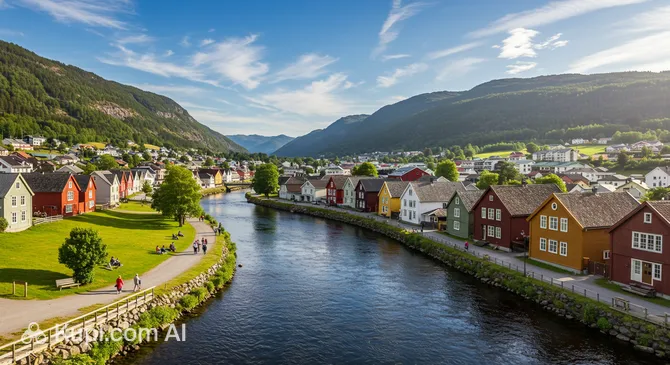
Stjørdal is a cozy and picturesque town located on the coast of the Trøndelag region, right at the mouth of the Stjørdalselva River. Here, river currents meet the waters of the fjord, creating the breathtaking landscapes that Norway is so famous for. Situated just a twenty-minute drive from Trondheim, the town successfully combines the dynamics of a modern center with the peaceful atmosphere of the countryside.

Stjørdal. Illustration.
Source: Kupi.com AI

With a population of about 24,000, Stjørdal is a major transport hub: it is home to Værnes International Airport, making the town easily accessible for travelers from all over Europe. Despite its developed infrastructure, the pace of life here is leisurely, allowing guests to truly relax and unwind from the hustle and bustle of big cities.

The town's uniqueness lies in the harmonious coexistence of different eras. The rich history of Stjørdal can be traced in the architecture of medieval churches, which stand alongside modern art galleries and cozy coffee shops that fill the streets with the aroma of fresh pastries.

Tourists will find a wide range of activities here: from fishing in crystal-clear rivers to cycling along scenic routes. A walk along the waterfront to admire the sunset over the fjord is a must. Stjørdal is an ideal destination for those seeking a balance between active leisure and quiet contemplation of Northern nature.

Weather Overview

Stjørdal's climate is typical for central Norway: it is moderately cool and humid, with a noticeable influence from the nearby sea. Summers here are mild and comfortable for long walks, but don't expect extreme heat. The warmest month is traditionally July, with an average temperature of about 13.9°C, and on fine days, the air can warm up to 17-18°C.

The winter season brings refreshing coolness and snowy landscapes. In January and February, average temperatures stay around -3...-4°C, sometimes dropping to -6°C. Before heading out, we recommend checking the current weather in Stjørdal, as conditions can change rapidly.

Precipitation in this region is frequent and regular throughout the year. The number of days with precipitation varies from 13 in November to 21 in October, so an umbrella or raincoat will be an essential part of your luggage. Expect a cool summer with occasional rain and fresh, but not extremely cold, winters.

Average monthly temperature

Average monthly precipitation

Interesting Facts

Beyond its main attractions, Stjørdal holds many fascinating secrets and legends revealed only to curious travelers. Here are a few facts to help you see this town from a new perspective:

  • Mystical Protection of an Ancient Temple. One of the town's main historical gems is Værnes Church (Værnes kirke), built back in the 11th century. It is not only a masterpiece of Romanesque architecture with preserved ancient frescoes but also a place shrouded in legend: locals believe the ancient walls are under the patronage of kind spirits who have protected the sanctuary for centuries.

  • Viking Age Heritage. The history of these lands dates back to deep antiquity. Archaeologists regularly find ancient burial mounds and artifacts in the vicinity, proving that legendary Vikings lived here and prepared their expeditions. Local folklore still preserves tales of the exploits of brave seafarers of that time.

  • Legendary Fishing. Stjørdal is considered one of the best places for salmon fishing in Norway. There is a popular story among anglers that the most giant salmon in the entire region was caught in these local waters, and every year enthusiasts come here hoping to break this mythical record.

  • A City of Living Traditions. Every year, the colorful "Olavsfest" festival takes place here, dedicated to Saint Olav — the eternal patron of the country. During these days, the town transforms: the streets fill with music and theatrical performances, and residents dress in national costumes, recreating the atmosphere of an ancient holiday.

How to Get There

When planning a trip to this Norwegian region, it's wise to think about logistics in advance. Stjørdal boasts excellent transport accessibility thanks to its proximity to major hubs, making the trip comfortable. You can find all the ways to get to the city on a separate page, and below we will look at the main arrival options.

An undisputed advantage for tourists is the location of the main regional air hub. The majority of travelers arrive via Værnes Airport (IATA: TRD). Although it serves the entire Trøndelag region, the terminal is actually located just 1.2 km from the center of Stjørdal. This makes the journey to the hotel incredibly short: the airport is practically within the city limits, so the transfer takes very little time.

Alternatively, you can consider other regional airports. For example, Røros Airport (IATA: RRS) is located about 101 km away. Flights are also available to Kristiansund Airport, Kvernberget (IATA: KSU), which is 160 km from the city.

For clarity, here is a summary of the nearest airports:

AirportPassenger trafficDistance
Trondheim Airport Værnes4 mln1 km
Roros Airport21 575101 km
Ryumsjøen Airport37 767153 km
Kristiansund Airport, Kvernberget278 854160 km
Åre Östersund Airport239 000183 km

Rail connections are also a convenient way to reach the region. The nearest major hub is Trondheim S Station (IATA: XZT). According to reports, this important transport hub is located just 2.1 km away, providing fast connections to other parts of the country.

Information about the nearest railway station is provided below:

StationPassenger trafficDistance
Trondheim S Station1.5 mln2 km

Main Attractions

The attractions of Stjørdal offer a fascinating journey through time, from medieval legends to modern-day curiosities. The town and its surroundings are rich in places that help visitors better understand the culture of the Trøndelag region and enjoy its rugged Northern beauty.

One of the most impressive historical locations is Steinvikholm Castle (Steinvikholm slott). The ruins of this majestic fortress, built in the 16th century by Norway's last Catholic archbishop, are situated on a small island in the fjord. This site attracts tourists with its dramatic history and picturesque setting. In summer, open-air opera performances are often held here, and the walk to the castle across the causeway or a boat trip provides unforgettable views of the water.

Fans of panoramic views and military history should visit Hegra Fortress (Hegra Festning). This defensive complex, carved into the rocks, now functions as an open-air museum. Visitors can explore the preserved tunnels, barracks, and trenches. Beyond its historical value, the fortress is famous for its observation decks, offering breathtaking views of the Stjørdal valley and the winding river, making it a perfect spot for hiking and photography.

Very close to the town is a place whose name is known worldwide — Hell Station (Hell stasjon). This small railway station in the village of Hell has become a real magnet for travelers due to the wordplay (in English, the name means "the place of the damned"). Taking a photo under the sign "Hell — Gods Expedition" (which translates to "Goods Expedition" in Norwegian, but sounds like "Expedition of the Gods" in English) is considered a mandatory part of the itinerary for many visitors to the region.

For those who want to dive deeper into local traditions, the Stjørdal Museum (Stjørdal museum Værnes) is open to the public. It is located in an old parsonage next to Værnes Church. The museum's exhibits tell the story of the life, crafts, and culture of the valley's residents over the centuries. Here you can see archaeological finds, traditional costumes, and learn more about the famous "Viking theater," which is an important part of the town's cultural heritage.

Local Cuisine

The gastronomic traditions of Stjørdal clearly illustrate why the Trøndelag region is often called the food pantry of Norway. Local cuisine is built on a "farm-to-table" philosophy, where organic ingredients play a key role. The proximity of fjords and fertile valleys provides chefs with the freshest fish, meat, and high-quality dairy products.

The main delicacy here is undoubtedly salmon. Thanks to the Stjørdalselva River, known for its rich catches, this fish is prepared here with exceptional skill. Guests are invited to try salmon in various forms: from delicate lightly salted and aromatic smoked versions to salmon baked with local herbs. Cod prepared according to old recipes that preserve the natural taste of the sea is equally popular.

For fans of exotic and authentic flavors, Stjørdal offers a unique experience — tasting rakfisk. This is fermented fish with a characteristic intense aroma, usually served on thin potato flatbreads (lefse) with onions and sour cream. A perfect end to a meal or addition to breakfast is the famous brunost — brown cheese with a caramel hue and a sweetish taste, which is a point of national pride.

The food culture in the town is diverse and accessible. Local establishments often serve a traditional "koldtbord" — a bountiful buffet with cold appetizers where everyone will find something to their liking. For a quick snack while walking, street food is a great choice: look out for reindeer meat hot dogs or mini-sandwiches with fresh seafood.

Seasonal fairs and festivals, especially in the autumn, add a special charm to the gastronomic life. During this time, city markets abound with treasures from the forest and farms: fresh pastries, homemade honey, wild berries, and mushrooms. This is the best time to immerse yourself in the culinary atmosphere of the region and try real Northern delicacies.

Travel Tips

Stjørdal is often the first town travelers see when flying into the central part of the country, as the region's main airport is located here. To ensure your trip to Norway is as comfortable as possible and free of organizational hitches, we have prepared a list of important practical recommendations.

  1. Clothing and Weather. The climate in Trøndelag is changeable, so the principle of "layering" is relevant all year round. Even in summer, be sure to have a waterproof windbreaker and comfortable walking shoes, as rain can start suddenly. If you plan to visit churches, there is no strict dress code, but a neat and modest style of dress is appreciated.

  2. Transport Logistics. The town is compact, and it is pleasant to explore the center on foot. For trips to Trondheim or the surrounding area, it is most convenient to use commuter trains (Vy trains) — the station is in the very center of town, near the waterfront. Taxis in Stjørdal are very expensive, so to save on your budget, it's better to rely on trains and buses. The Vy or AtB apps will help you plan your route and buy tickets online.

  3. Money and Payment. The local currency is the Norwegian Krone, but you will hardly need cash. Bank cards are accepted everywhere: from large supermarkets to small kiosks and buses. Nonetheless, having a small amount of cash just in case doesn't hurt. Tipping is not mandatory as service is included in the bill, but rounding up the amount is appreciated.

  4. Safety and Water. Stjørdal is an exceptionally safe place where you can walk peacefully at any time of day. Tap water here is of the highest quality and is considered among the best in the world, so feel free to drink it from the tap without spending money on bottled water. Pharmacies (Apotek) operate on a standard schedule, and there may not be 24-hour points, so bring your personal medications with you.

  5. Communication and Language. There is practically no language barrier here: almost all locals, from schoolchildren to retirees, speak fluent English. Wi-Fi is available in most cafes, hotels, and at the airport. If you need mobile internet, SIM cards from operators like Telenor or Telia can be bought at convenience stores like Narvesen or 7-Eleven.

  6. Local Etiquette. Norwegians value personal space. In public transport, it is not customary to sit next to a stranger if there are free double seats available. It is customary to say hello when entering a shop or bus. Communication here is informal but polite; people are usually addressed by their first name.

  7. What to Avoid. Do not try to haggle in shops or markets — prices are fixed. Also, avoid speaking loudly in public places or expressing emotions boisterously — this might embarrass the reserved locals. And, of course, littering in nature is strictly forbidden — the environment is treated with great care here.

  8. Store Operating Hours. It's important to remember that in Norway, most grocery stores and shopping centers are closed on Sundays. In Stjørdal, only small "duty" stores (often with the prefix "Søndagsåpent") or points at gas stations might be open on this day, where the selection is smaller and prices are higher. Plan your grocery shopping in advance.

We hope these tips help you feel confident and relaxed in Stjørdal. By following these simple rules, you can focus on the main thing — enjoying the rugged beauty of the fjords and the cozy atmosphere of this northern town.

Entertainment & Nightlife

Despite its measured pace of life, Stjørdal offers its guests a rich cultural program and a variety of leisure options. The heartbeat of the town's social life is undoubtedly the Kimen Cultural Center (Kimen Kulturhus). This modern architectural structure, designed to resemble a stacked woodpile, brings a cinema, library, concert halls, and cozy cafes together under one roof. Regular theater productions, art exhibitions, and film screenings make the center an ideal place for family relaxation in any weather.

For music lovers, the famous Blues in Hell festival is a highlight. This musical event, held annually in early autumn, gathers blues enthusiasts from all over Europe. The festival takes place in the village of Hell, located just outside the town, and is famous for its unique atmosphere and performances by world-class stars. The wordplay in the name (linked to the village's "hellish" name) only adds to the event's charm and popularity.

Active holiday seekers should check out the Stjørdal Golf Club (Stjørdal Golfklubb). The local 18-hole course is considered one of the most scenic and high-quality courses in the Trøndelag region. Playing here allows you not only to enjoy the thrill of the sport but also to admire magnificent views of the surrounding hills and the fjord. The club is open to both experienced players and beginners looking to learn the basics of the game.

For those who prefer shopping, it's worth visiting the Torgkvartalet shopping center, located in the heart of the town. This large mall features both well-known Scandinavian brands and small boutiques. Here you can buy clothes, souvenirs, and home goods, and after shopping, relax in one of the many restaurants. A stroll through the shops is a great addition to exploring Stjørdal's urban environment.

In the summer season, the list of activities expands to include water sports. The coast of the Stjørdalsfjord is excellent for kayaking and paddleboarding. Local rental points provide all the necessary equipment so you can explore the shoreline from the water, enjoying the peace and beauty of Norway's northern nature.

Parks & Museums

Stjørdal is a town where nature and culture are in constant dialogue. Excellent conditions are provided for tourists: from peaceful walks in historical gardens to encounters with ancient art and modern exhibitions. The town's green zones flow seamlessly into wild natural landscapes, and museum spaces carefully preserve the heritage of the Trøndelag region.

If you are looking for a place for a quiet break in the fresh air, consider the following locations:

Værnes Parsonage Garden (Prestegårdshagen). This historical park, located next to the church and museum, is a true oasis of silence. The garden was laid out in the mid-19th century in the English landscape style. Here you can stroll along winding paths among century-old trees, flower beds, and neat lawns. It is an ideal place for a quiet read or a picnic surrounded by the history of Norway.

Stjørdalselva River Promenade. A picturesque pedestrian area stretches along the banks of one of the country's most famous salmon rivers. The route is equipped with comfortable paths and resting places, offering views of the water and surrounding hills. It is a popular spot for locals going for a run and for tourists wishing to enjoy the river breeze and watch the fishermen.

The town's cultural life is centered in several key spots that reveal both the ancient and modern sides of the region:

Stjørdal Museum Værnes. The museum occupies the building of an old parsonage (Prestegården), which is an architectural monument in itself. The exhibition immerses visitors in the life and culture of past centuries: from 19th-century interiors to craft workshops. Special attention is paid to archaeological finds and the history of the famous "Viking theater." This place literally allows you to touch the valley's past.

Art Gallery in Kimen (Stjørdal Kunstforening). The modern Kimen Cultural Center houses an exhibition space for the local art association. It regularly hosts exhibitions of contemporary Norwegian artists, photographers, and sculptors. The gallery is known for its diversity of genres and openness to experimentation, making it a hub for lovers of visual arts.

Rock Carvings at Leirfall (Helleristningene på Leirfall). While not a museum in the classic sense of a building with walls, this is one of the most important open-air museums in Scandinavia. The Bronze Age rock art complex includes hundreds of images of ships, people, and animals carved into the rocks thousands of years ago. Special walkways and information boards make the visit convenient and educational.

Insider Tip: Be sure to visit the Stjørdal Museum grounds during the summer when a cozy cafe operates in the historical garden. Try local waffles with brunost (brown cheese) right on the grass under the canopy of old lime trees — it will give you the most authentic feeling of a Norwegian summer afternoon.

Getting Around

The public transport system in Stjørdal is compact, efficient, and closely integrated with the transport network of the entire Trøndelag region. As the town is relatively small, there is no metro or tram system, and the primary means of transport for locals and tourists are regional trains and buses. All transport coordination is handled by the company AtB, allowing for the use of unified tickets across different modes of transport.

The railway acts as the "backbone" of the transport system. The Trønderbanen line runs through the entire municipality, connecting the town center with the suburbs and neighboring Trondheim. Key stations are located within the town: Stjørdal (central station), Værnes (directly in the airport terminal), and the famous Hell station. Trains run frequently, approximately once an hour, and every half hour during peak times, making them the fastest way to get where you need to go.

The bus network complements the rail service, covering areas further from the tracks. AtB buses (usually green or grey) run through the town and connect Stjørdal with nearby valleys and villages. It's important to note that on weekends, especially on Sundays, bus intervals can increase significantly, and some routes stop running earlier than usual.

Fares in the region are organized according to a zone system. The most convenient and cost-effective way to buy tickets is through the AtB mobile app (available for iOS and Android). In the app, you can plan your route, see the current schedule, and buy a single ticket or a 24-hour pass. There are also rechargeable t:kort transport cards, but for a short visit, tourists find the app easier to use. Buying a ticket from the driver with cash is possible but will be significantly more expensive (a service surcharge is added).

If you plan to use taxis, be prepared for high fares, which are typical for all of Scandinavia. It's better to order a car in advance by phone or app (e.g., 07400), as catching a taxi on the street can be difficult, except at ranks at the airport and station. Popular aggregators like Uber may be unavailable or limited here, so local taxi services remain the primary option.

For those who prefer freedom of movement, car rental is an excellent alternative. Since a major international airport is located in Stjørdal, offices of all leading global rental companies are present. This is particularly convenient if you plan to explore the picturesque surroundings of the Stjørdalen valley, where public transport is infrequent. Cycling is also popular in the warmer months: the terrain in the town center is quite flat, and distances are short.

Tourists should remember an important rule: a ticket purchased in the app must be activated before boarding the vehicle. Ticket inspectors conduct regular checks, and fines for fare evasion are quite substantial. A ticket purchased for the Stjørdal zone is usually valid for a certain period (e.g., 90 minutes), allowing for transfers from train to bus without extra charge within the paid zones.

Accommodation

The choice of accommodation in Stjørdal is largely dictated by its status as a major transport hub in Central Norway. Thanks to its proximity to the international airport, the town has a surprisingly developed hotel stock for its size. Here, tourists can find options ranging from modern business hotels to cozy campsites surrounded by nature.

Geographically, accommodation zones can be divided into two main locations. The first and most popular is the Værnes Airport area. Large chain hotels are concentrated here, offering a high level of service and walking distance to the terminal. This is an ideal choice for those on a short business trip, planning an early flight, or simply valuing maximum comfort. The second zone is the town center (Sentrum) and its surroundings. Staying here allows you to be closer to shops, restaurants, and the waterfront, immersing yourself in the steady life of the locals.

The typical range of accommodation varies from mid-range to high-end. There are few budget city-style hostels here. However, the region is famous for its opportunities for lovers of authentic stays: in the river valley and by the fjord, you can find excellent campsites and rental cottages (hytter). This is a popular choice for anglers coming for the famous salmon and road-trippers who value freedom and scenic window views.

Booking Tip: Given the destination's popularity with business travelers and conference attendees, demand for hotel rooms near the airport is consistently high throughout the year. It is recommended to book your accommodation in advance, especially if your trip coincides with major festivals (such as the music festival in Hell) or the summer holiday season.

Pricing policies reflect the general level in Norway: the cost of living here is higher than the European average. Most accommodation facilities are available on popular international online platforms, which is the most convenient booking method. However, for renting cabins in campsites or small private apartments, it sometimes makes sense to check local Norwegian websites as well.

Nearby Cities

For those looking to explore the surrounding area, Stjørdal serves as an excellent starting point for day trips to several interesting nearby locations:

The absolute favorite for a short trip is Trondheim, located just 26 kilometers away. It is the country's third-largest urban area and its historical capital. Here, travelers can visit the famous Nidaros Cathedral — Norway's national sanctuary, stroll through the charming old Bakklandet district with its colorful wooden houses, or explore the history of music at the Rockheim museum. Excellent rail connections make the trip fast and effortless.

History buffs should head to Verdal. This town is known as the site of one of the most significant battles in the country's history — the Battle of Stiklestad in 1030, where King Olav the Holy died. Today, it is home to the National Cultural Center, which hosts large-scale open-air theatrical performances in the summer, reconstructing those ancient events.

For those seeking a peaceful retreat in nature, Malvik is a great choice. Located right next door, this municipality offers scenic hiking routes along the fjord and forest trails, perfect for picnics and outdoor activities away from the city bustle.

CityPopulationDistance
Stjørdalshalsen13 0321 km
Malvik14 42512 km
Trondheim194 86026 km
Heimdal31 km
Levanger10 33337 km

These nearby destinations provide a great overview of the region's diverse culture and landscapes.

Shopping & Souvenirs

Shopping in Stjørdal is a relaxed and pleasant activity, free from the bustle of major metropolises. The town offers a balanced mix of modern shopping centers and cozy street-side shops. As Stjørdal is a regional commercial center, you can find everything you need: from clothing by famous Scandinavian brands to unique locally produced goods. Special attention should be paid to gastronomic souvenirs, as the Trøndelag region is famous for its farm products.

The heart of the town's commercial life is its center — the Stjørdalshalsen district. The main shopping artery is Kjøpmannsgata (Merchant Street) and the adjacent pedestrian zone (Gågata). Here you will find small boutiques, interior design stores, sporting goods, and cozy cafes. A stroll through this area allows you to combine shopping with viewing the town's architecture and relaxing outdoors.

For those who prefer comfortable shopping under one roof, the main draw is the Torgkvartalet shopping center. Located in the very center of town, it houses more than 60 stores, including popular clothing, footwear, electronics, and cosmetics chains. This is a modern mall where the whole family can spend several hours. Another well-known spot is Hellsenteret (located in the Hell district), which offers a good selection of shops and supermarkets, convenient for road-trippers.

Although there is no permanent large market in town, seasonal fairs and farmers' market days, known as Bondens marked, are held regularly. At these events, local producers offer fresh vegetables, berries, honey, homemade pastries, and meat delicacies. It's a great opportunity to taste the real flavors of the region and buy organic products directly from the farmers.

As souvenirs from Stjørdal, tourists most often bring items reflecting Norwegian character. Look out for wool sweaters with traditional patterns, which will keep you warm in any cold weather. Gastronomic souvenirs are also very popular: smoked salmon (since the local river is famous for its fish), brown brunost cheese, cloudberry jam, and local chocolate. Handmade pewter or glass items also make great gifts.

Most shops in Stjørdal are open Monday to Friday from 10:00 to 20:00, and on Saturdays until 18:00. It is important to remember that on Sundays, large shopping centers and most shops are closed. Only small convenience stores and shops at gas stations remain open. The main method of payment is by bank cards (Visa, MasterCard), which are accepted everywhere, even in kiosks and at markets. Cash is used very rarely.

Tourists living outside Scandinavia can take advantage of the Tax Free system. If you make a purchase over a certain amount (usually from 315 NOK) in stores marked with a "Global Blue" or "Tax Free" sign, don't forget to ask for a special receipt. When leaving the country (for example, at Værnes Airport), you can claim a partial VAT refund by presenting your purchases and passport.
Reached the end of the page?

That means the route is fully explored