Support

National History Museum

About

The National History Museum is a modern cultural institution located in the picturesque Greater Iqbal Park in the city of Lahore, Pakistan. This unique museum is a digital space where history comes to life through advanced technology, offering visitors an innovative look at the country's rich heritage.
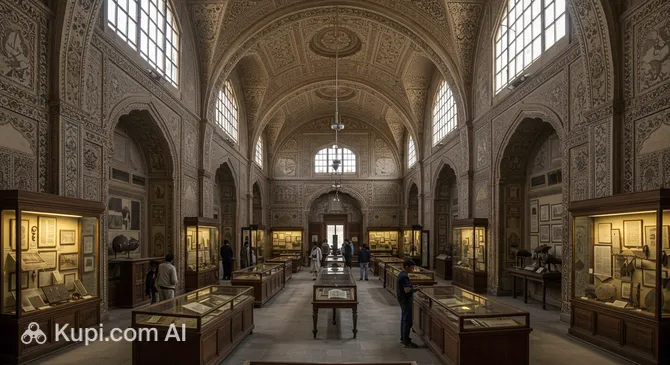
National History Museum. Illustration.
Source: Kupi.com AI

Traveler photos:

Unlike traditional displays, the National History Museum focuses on interactivity and multimedia installations. You won't find dusty display cases here; instead, immersive digital narratives, virtual reconstructions, and audiovisual materials await, plunging you into key moments of Pakistan's history. This makes it particularly attractive to those seeking a fresh and engaging way to connect with the past.

The project, implemented by the Parks and Horticulture Authority of Pakistan, aims not just to preserve history but to make it accessible and interesting to a wide audience, including the younger generation. Visiting the National History Museum in Lahore is an opportunity to take an exciting journey through time using the most modern means of information presentation.

Contacts

For the latest information on opening hours, ticket prices, and available tours at the National History Museum, it is recommended to visit the museum's official website or contact local tourist information centers in Lahore. This will help you get the most accurate and up-to-date data.

How to contactContact
AddressGreater Iqbal Park, H8V6+WQ6, Walled City of Lahore, Lahore, Pakistan
Phone number+92 333 1868200

What to Do

A visit to the National History Museum in Lahore offers a fascinating immersion into Pakistan's history through modern technology. The primary focus here is on digital exhibits that interactively tell the story of key moments in the nation's formation, as well as its cultural and historical heritage. Visitors can interact with the displays, gaining a unique experience of studying the country's past.

In the museum's halls, you can trace Pakistan's journey through various eras and view important documents, photographs, and artifacts presented in an innovative digital format. This is not just looking at display cases, but rather an active exploration where everyone can find something interesting and educational to gain a deeper understanding of the events that shaped the modern state.

Since the National History Museum is located within Greater Iqbal Park, it is convenient to combine your visit with other iconic sites. One of the main symbols of the park and all of Lahore is the majestic Minar-e-Pakistan. This monument was erected on the spot where the Lahore Resolution was passed on March 23, 1940—the first official demand for the creation of an independent Pakistan. A stroll through the park and a visit to the minaret will be a wonderful addition to your museum experience.

Getting There

Getting to the National History Museum in Lahore is quite easy, as it is located in a well-known and easily accessible spot. The museum is situated within Greater Iqbal Park, which is a popular city attraction in its own right. This park is spread across the central part of Lahore, in close proximity to the famous historic Walled City of Lahore.

To reach the National History Museum, you can use various forms of transport. Lahore's public transport offers routes that pass near Greater Iqbal Park. Additionally, you can always choose a taxi—a convenient and relatively quick way to reach your destination from any point in the city. Since Greater Iqbal Park is well known to locals and taxi drivers, you should have no trouble explaining where you need to go.

Nearest city: Lahore

History & Facts

The National History Museum is located in Lahore, a city with an incredibly rich and multi-layered past. For centuries, Lahore has been one of the cultural and political centers of South Asia. A particularly iconic period for the city was the era of the Mughal Empire, when Lahore even served as the capital of this powerful state for a time (1526–1857). This heritage left the city with countless architectural masterpieces—mosques, forts, palaces, and gardens—and a deep historical layer that the city's museums strive to preserve and showcase.

While the exact details of the founding of the National History Museum itself may not be as widely known as the history of, for example, the famous Lahore Museum (founded in 1865–66), its existence highlights the commitment of Pakistan and Lahore in particular to preserving their historical heritage. The Lahore Museum, by the way, is one of the oldest and largest in the country, and one of its first and most famous curators was John Lockwood Kipling, father of the writer Rudyard Kipling. This creates a rich museum context for the city.

The National History Museum, as its name suggests, is designed to highlight key milestones in the region's and country's history. The museum's exhibits likely cover various eras—from the ancient civilizations that flourished on this land to the Mughal period, which left behind magnificent monuments, and on to more recent historical events. Visitors can expect to see artifacts, documents, and works of art that tell the story of the formation and development of Pakistan.

Given that Lahore has witnessed the succession of many cultures and eras, the National History Museum likely offers its guests a unique opportunity to trace these transformations. Much like how the Lahore Museum has a special hall dedicated to the cultural shifts of different eras, with an ancient Buddhist stupa at its center, it can be assumed that the National History Museum also aims to showcase the diversity of cultural heritage that shaped modern-day Pakistan.

Time Needed

When planning a visit to the National History Museum in Lahore, it is worth setting aside approximately 2–3 hours for your tour. This amount of time is generally sufficient to see the main exhibits and gain a general overview of the rich history and culture of Pakistan presented in the museum.

During this time, you can walk through the main halls and examine key artifacts and displays telling the story of different eras and events. If you have more time or a specific interest in certain periods or collections, your visit may take longer, perhaps up to half a day. Some visitors prefer a more thorough study of the details, reading all the information boards and viewing temporary exhibitions if available.

Overall, for a first visit to the National History Museum, 2–3 hours is the optimal choice. However, if history is your passion, feel free to dedicate more time to this fascinating place to dive deeper into the region's past.

Working Hours

Unfortunately, exact information about the opening hours of the National History Museum in Lahore is currently unavailable. We recommend checking the official museum website or local tourist information centers for the current schedule before your visit. This will help you plan your trip and avoid any possible inconvenience.

Generally, major national museums are open to visitors year-round; however, opening hours may change depending on the season, public holidays, or special events. It is also worth checking in advance if pre-booking tickets is required, especially if you plan to visit during the peak tourist season.

DayOpening hours
MondayClosed
Tuesday10:00 – 16:30
Wednesday10:00 – 16:30
Thursday10:00 – 16:30
Friday10:00 – 16:30
Saturday10:00 – 16:30
Sunday10:00 – 16:30

Nearby

Visiting the National History Museum is undoubtedly a highlight, but exploring its surroundings can make your trip to Lahore even more fulfilling and memorable. Often, hidden near major landmarks are equally interesting sites that allow for a deeper immersion into the city's atmosphere and history.

By discovering nearby sites, you gain a more complete picture of Lahore's culture and diversity, while also optimizing your itinerary to see more in less time. Below is a list of some interesting places located near the National History Museum.

NameDistance
Minar-e-Pakistan0.3 km
Lahore Fort0.8 km
Rang Mahal1.5 km
Wazir Khan Mosque1.7 km
Delhi Gate2 km
Lahore Museum3 km
Iqbal Museum3.9 km

Have you reached the end of the page?

So the route has been studied inside and out