Support

Delhi Gate

About

The Delhi Gate is one of the most famous and impressive historical monuments in the city of Lahore, located in Pakistan. This gate is one of the thirteen entrances to the ancient Walled City and is a striking example of Mughal architecture. It gets its name from the fact that it faces east, toward Delhi—the former capital of the powerful empire.

The gate was designed by the prominent architect Hakim Ilm-ud-din, who embodied all the grandeur and sophistication of the Mughal style in its structure. Its monumental design and rich decoration reflect the cultural heritage of the region and transport visitors back to the reign of the emperors. It is not just an entrance to the city but a true work of art that has preserved the spirit of its era.
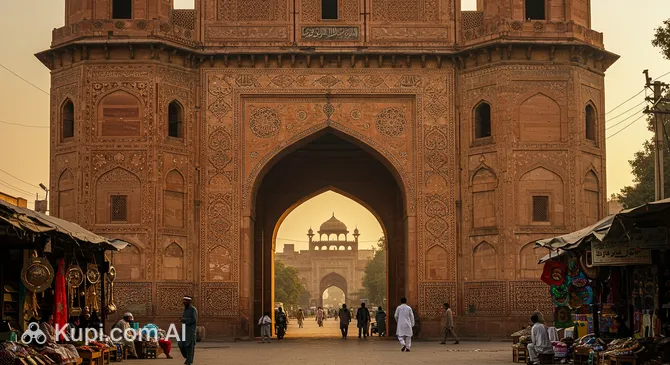
Delhi Gate. Illustration.
Source: Kupi.com AI

Traveler photos:

Located near the Delhi Gate is another interesting structure created by the same architect—the royal bathhouse (Shahi Hammam), which was intended for the ruler's family members and harmoniously complements the architectural ensemble. A visit to the Delhi Gate allows you not only to touch history but also to feel the atmosphere of ancient Lahore, full of secrets and legends.

Contacts

Since the Delhi Gate is primarily a public historical monument, it does not have a dedicated support service with a phone number or email address. You can find up-to-date information about access hours or potential events on Lahore tourism portals or at local information centers.

The gate is located in the eastern part of the historic Walled City and is one of the key starting points for a tour of the historic center. It is easily accessible by taxi or local public transport; you can use the Akbari Mandi market inside the Delhi Gate as a landmark.

How to contactContact
AddressInside Delhi Gate،, Akbari Mandi Walled City of Lahore, Lahore, 54000, Pakistan

What to Do

A visit to the Delhi Gate is an opportunity to immerse yourself in the rich history of Lahore and the majestic Mughal era. Travelers can examine the unique Mughal architecture in detail, admire the intricate craftsmanship, and take impressive photos against the backdrop of this historical monument. The gate serves as a fine example of the urban planning art of that time and allows you to experience the atmosphere of the ancient city that was once one of the centers of a powerful empire.

Walking around the Delhi Gate is equally fascinating. Historically, this area was a bustling center of urban life, making it an interesting subject for studying the layout of medieval Lahore. Observing the modern rhythm of life, one can imagine how trade thrived and caravans passed through here many centuries ago. Near the gate is the ancient bathhouse, or Shahi Hammam, built for the emperor's family, which is also an outstanding example of Mughal architecture.

The Delhi Gate is an excellent starting point for exploring other treasures of Pakistan located nearby. Within walking distance are iconic sites such as the majestic Lahore Fort and the famous Shalimar Gardens, which also belong to the legacy of the Mughal era and are included in the UNESCO World Heritage list. By dedicating time to visiting these attractions, you can get a full picture of the cultural and historical richness of this amazing region.

Getting There

Getting to the Delhi Gate is quite simple, as this famous gate is located in the eastern part of Lahore's historic center, within the so-called Old City. It is a popular and well-known landmark, so local taxi and rickshaw drivers will easily understand where you need to go and will quickly deliver you to your destination.

If you are planning a trip from other areas of Lahore, you can use taxi services or convenient ride-hailing apps. City buses and shuttle taxis also run regularly to the historic center, making this a budget-friendly option for travelers. Once you arrive in the Old City area, you will be within walking distance of the gate.

For tourists who prefer a more structured approach to exploring the city, many local travel companies offer organized tours of Lahore. These tour routes often include a visit to the Delhi Gate and other key attractions, such as the spice market and ancient bazaars. This is a great opportunity not only to reach the site hassle-free but also to learn more about the history and culture of Pakistan from a professional guide.

Nearest city: Lahore

History & Facts

The history of the Delhi Gate is inextricably linked to the heyday of Lahore as one of the capitals of the Mughal Empire. The gate was erected by order of Emperor Akbar, who ruled the city from 1584 to 1598. It was named for a specific reason: the gate faces directly east towards Delhi, which was the main center of the powerful empire. This symbolic direction emphasized the close connection between the two great cities.

In the Middle Ages, the area around the Delhi Gate was a hub of urban life through which the main trade and transport flows passed. However, the original gate and its adjacent buildings were completely destroyed during the period when Lahore became part of British India. The modern monument that fascinates tourists today is a reminder of past glory, although the ruins of the original structures are located about a kilometer from this site.

The fame of Lahore reached its peak during the Mughal rule, which lasted from 1524 to 1752. This dynasty left behind many magnificent architectural monuments, and the Delhi Gate is one of the most striking examples of their legacy in modern-day Pakistan. The beauty and grandeur of the city at that time were so well-known that they inspired the English poet John Milton to write in 1670: “Agra and Lahore, the seat of the Great Mogul,” immortalizing the city's fame in world literature.

Time Needed

When planning a visit to the Delhi Gate, you should consider how much time you are willing to dedicate to exploring this historic corner of Lahore. For a quick look at the gate itself, its surrounding area, and to take some memorable photos, 1-2 hours is quite enough. This time is sufficient to feel the atmosphere of the place, examine the architectural details, and walk around the nearby old streets and market stalls.

However, if you want to dive deeper into the history and culture of Pakistan, it is recommended to plan a longer visit. The Delhi Gate is the starting point for discovering other iconic landmarks of the Mughal era. If you also decide to visit the nearby Lahore Fort or the famous Shalimar Gardens, it's best to set aside a full day for such a rich excursion. This will allow you to enjoy each of these unique monuments without rushing.

Working Hours

Since the Delhi Gate is a public historical monument and one of the gates to Lahore's Old City, it is open to visitors 24/7 all year round. Entry to the gate area is free, and no prior booking or ticket purchase is required. You can freely walk through it at any convenient time.

Nevertheless, for a more comfortable and safe visit, it is recommended to visit the gate during daylight hours. It's also worth noting that nearby attractions, such as the Shahi Hammam royal bathhouse or the Wazir Khan Mosque, may have their own opening hours and visiting rules. For the most accurate and up-to-date information on possible tours or events held by the Walled City of Lahore Authority, it is recommended to check their official resources.

Open 24 hours

Nearby

Visiting the Delhi Gate is just the beginning of a fascinating journey through the historic heart of Lahore. To truly soak up the atmosphere of this ancient city, it's worth exploring its surroundings. A stroll through the old streets located nearby will allow you to discover other gems of Mughal architecture and gain a deeper understanding of Pakistan's rich cultural heritage.

Many iconic sites are within walking distance of the Delhi Gate, making exploration convenient and enjoyable. Each of these attractions tells its own unique story and completes the overall picture of Lahore's grandeur during the Mughal Empire. By taking the time to see them, you will get a more complete and vivid impression of your trip.

NameDistance
Wazir Khan Mosque0.3 km
Rang Mahal0.7 km
Lahore Fort1.2 km
Minar-e-Pakistan2 km
National History Museum2 km
Iqbal Museum2 km
Lahore Museum2.3 km

Have you reached the end of the page?

So the route has been studied inside and out