Support

Pakpattan

About

Pakpattan is a cozy and welcoming city located in the south of the Punjab province in Pakistan. It sprawls across scenic plains near the mighty Sutlej River, where ancient traditions harmoniously intertwine with modernity. The city is known for its special spiritual atmosphere, attracting travelers seeking authentic experiences.
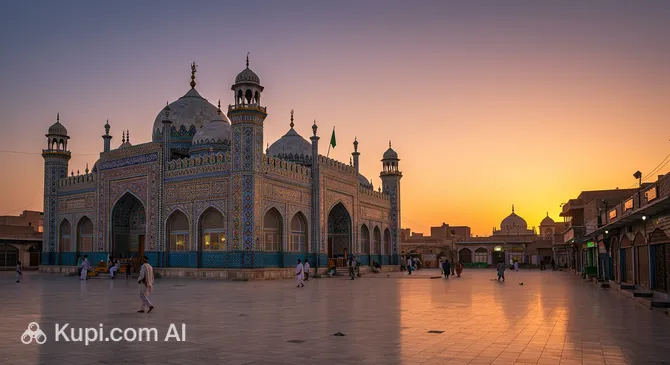
Pakpattan. Illustration.
Source: Kupi.com AI

With a population of about 140,000 people, Pakpattan retains the charm of slow provincial life, free from the hustle and bustle of major metropolises. As the administrative center of the district of the same name, it plays an important role in the local trade and cultural life of the region. Guests are welcomed here with traditional eastern hospitality.

The main feature of Pakpattan is its deep spiritual significance. The city is famous for its ancient shrines, which attract thousands of pilgrims and tourists every year. Visiting these sites allows you to touch the rich history of the East and feel the unique energy of this ancient city.

If you aim to discover lesser-known corners of the world, appreciate rich history, and seek genuine cultural experiences, Pakpattan will be a true discovery for you. This city offers a unique journey into the heart of Pakistani traditions and spirituality.

You can find more interesting facts on the Pakpattan city history page.

Weather Overview

The weather in Pakpattan is characterized by very hot summers and mild winters. The highest temperatures are observed from May to August, when the average daytime temperature consistently exceeds 30°C. For example, in June, the average temperature is 33.7°C, and the maximum can rise to 39.5°C. The coolest month is January, with an average temperature of 12.5°C and a minimum around 6.6°C.

Precipitation in Pakpattan is generally insignificant. The highest amount of rainfall and rainy days occur in July (an average of 3 mm of precipitation and 14 rainy days) and August (2 mm of precipitation and 9 rainy days). Most other months, especially from October to April, are characterized by very dry weather with minimal rainfall. Expect a very hot summer with little rain and cool, dry winters. For more detailed information, check the full forecast: weather in Pakpattan.

Average monthly temperature

Average monthly precipitation

Interesting Facts

The city of Pakpattan in Pakistan, known primarily as a spiritual center, actually holds many amazing stories and little-known details that make it even more attractive to curious travelers.

  • The city owes its poetic name, "Pure Ford" (which is exactly what "Pakpattan" translates to), to the legendary Sufi saint Baba Farid. Tradition says that he personally blessed the local river crossing, making it sacred and giving rise to the city's name.

  • Pakpattan is a true city of masters, where the secrets of traditional crafts, such as intricate wood carving, pottery, and the creation of unique textiles, have been passed down by word of mouth for many generations. Many craft dynasties still preserve their unique techniques.

  • Although the mausoleum of Baba Farid is the main shrine, not everyone knows that during the annual Urs festival, Pakpattan is completely transformed. For a few days, it becomes one of the busiest places in South Asia, where hundreds of thousands of pilgrims flock, filling the city with a special atmosphere of spirituality and celebration.

  • For its significant contribution to the spiritual and cultural life of the region, as well as thanks to the famous poets, musicians, and educators who emerged from its walls, Pakpattan deservedly bears the unofficial title of the "heart of spiritual Punjab."

How to Get There

When planning a trip to this spiritual center of Punjab, it is important to think through the logistics in advance, as there is no airport in the city itself. You can learn more about how to get to Pakpattan by studying all available routes and modes of transport on a separate page.

Most tourists arrive in the region via major transport hubs in neighboring cities. The closest option is Faisalabad Airport (LYP), which is located at a distance of about 118 km. The journey from here by car will take approximately 3 hours and 20 minutes. However, the most popular choice for international travelers remains Allama Iqbal International Airport (LHE), located in Lahore, about 162 km from Pakpattan. This is a major aviation hub receiving flights from all over the world; the trip from there will take about 4–4.5 hours.

You can also consider Multan Airport (MUX), located 190 km from the city. This can be convenient if you are traveling on domestic flights or from Middle Eastern countries. Travel time by taxi will be about 5 hours. For clarity, here is summary information on the main airports in Pakistan through which you can reach the city:

AirportPassenger trafficDistance
Faisalabad Airport360 524119 km
Bhatinda Airport31 004132 km
Allama Iqbal International Airport5.4 mln162 km
Multan Airport1.5 mln190 km
Bahawalpur Airport34 493195 km

Regarding ground transport, direct trains to Pakpattan may not be the fastest way for a tourist. Most often, travelers combine a rail trip to major stations in Lahore, Sahiwal, or Okara with a subsequent transfer. Roads connect the city with the province's main highways, so intercity buses remain one of the most accessible and common ways to reach Pakpattan from anywhere in the country.

Main Attractions

Pakpattan, located in the Punjab province, is primarily known as an important spiritual center of Pakistan. The city attracts pilgrims and tourists interested in Sufi culture and history, thanks to its main shrine and the events associated with it.

The central and most revered attraction of Pakpattan is the Dargah of Baba Farid. This is the mausoleum of the great 12th-century Sufi saint, poet, and thinker Sheikh Fariduddin Ganjshakar, widely known as Baba Farid. His teachings and poetry have had a huge influence on the culture of the region, and his shrine has become a place of worship for millions of people over the centuries. A visit to this place allows you to touch the rich spiritual heritage of Sufism.

The architectural complex of the Dargah of Baba Farid is significant in its own right. It includes the saint's tomb, decorated with intricate carvings, a mosque for prayer, and spacious courtyards where believers gather. Tourists can appreciate the unique features of the Islamic architecture of this region and soak in the atmosphere of peace and devotion. A special part of the shrine is the "Gates of Paradise" (Bahishti Darwaza), which open only once a year during the Urs festival, and passing through them is considered a blessing.

The annual Urs of Baba Farid festival is one of the largest and most vibrant religious events in Pakistan. It takes place in the first month of the Islamic calendar, Muharram, and attracts hundreds of thousands of pilgrims and visitors from all over the country and abroad. During these days, Pakpattan is transformed: the city is filled with the sounds of prayers, Sufi chants (qawwali), and lively fairs unfold around the shrine. This is a unique opportunity to see the living traditions and deep religiosity of the local population.

In addition to the shrine itself and participating in the festival, the ancient streets and bazaars of Pakpattan adjacent to the Dargah may be of interest to tourists. A stroll through them allows you to feel the atmosphere of a traditional Punjabi city, observe the daily life of its inhabitants, purchase local handicrafts, incense, or try authentic local cuisine. Although Pakpattan is primarily a place of pilgrimage, its historical flavor and the hospitality of its residents will leave a pleasant impression.

Local Cuisine

The cuisine of Pakpattan is a bright reflection of the rich culinary traditions of Punjab, offering travelers a real gastronomic immersion into the culture of Pakistan. It is characterized by generosity, a variety of flavors, and the use of aromatic local spices.

Among the dishes that are definitely worth trying in Pakpattan are aromatic pilafs and spicy curries, which are traditionally served with fresh roti flatbreads. Special attention should be paid to the local biryani – a dish of rice with meat or vegetables, prepared using a unique set of local spices, often garnished with fresh herbs and crispy fried onions. Also popular are juicy chapli kebabs – spicy minced meat patties that can be found both in restaurants and from street vendors.

Of the drinks in Pakpattan, lassi is especially valued – a refreshing yogurt-based drink, perfect for hot weather. Its "lal lassi" version is popular. Of course, no meal is complete without aromatic tea, which is an integral part of local hospitality and culture.

Those with a sweet tooth should definitely try barfi – a delicate milk fudge often offered to guests. The gastronomic life of Pakpattan is largely concentrated in the lively street markets. Here you can enjoy hot samosas, those same chapli kebabs, and the freshest seasonal fruits grown on the fertile lands of Punjab. Markets also sell local honey, nuts, and a rich selection of traditional spices.

A special atmosphere is created by the food festivals that accompany local holidays and fairs. For example, during the pilgrimage to the mausoleum of Baba Farid, the city is transformed: tents with treats appear everywhere, and local residents happily share traditional dishes, demonstrating true Eastern hospitality. A visit to Pakpattan is a wonderful opportunity to get acquainted with authentic Punjabi cuisine and feel its unique character.

Travel Tips

Welcome to Pakpattan! To make your journey to this historical city in Pakistan as comfortable and memorable as possible, we have prepared a few practical tips. They will help you navigate better and enjoy the hospitality of the local people.

  1. Clothing and Essentials: In Pakpattan, as in many parts of Pakistan, a conservative dress style is recommended, especially for women. Keep shoulders and knees covered. When visiting religious sites, such as the famous shrine of Baba Farid, women should cover their heads, and all visitors must remove their shoes. The climate in the region is hot and dry for much of the year, so choose light, breathable clothing made from natural fabrics. Be sure to bring comfortable walking shoes, sunscreen, a hat, and a universal power adapter.
  2. City Transport: The main modes of transport in Pakpattan are auto-rickshaws (chingchi) and local buses. These are the most affordable ways to travel short and medium distances. Taxis are also available, but it's best to book them through your hotel or via recommendation. Ride-hailing apps may have limited coverage. Renting a car is usually not necessary for tourists, as the city is relatively small and many attractions can be seen on foot or by local transport.
  3. Financial Matters: The national currency is the Pakistani Rupee (PKR). You can exchange currency at banks or authorized exchange offices. Credit and debit cards are accepted mainly in large hotels and some shops, but it is strongly recommended to carry enough cash, especially for market purchases and rickshaw fares. ATMs exist, but not all may accept international cards, so it's better to check this in advance. Tipping is not always mandatory but is appreciated for good service (usually 5-10% of the bill in restaurants).
  4. Health and Safety: Pharmacies (often called "medical stores") can be found in the city, but 24-hour ones may be rare. Basic medicines are available, but if you need specific prescriptions, it's best to bring them with you along with the prescription. For serious medical help, you might need to travel to larger cities. Pakpattan is generally considered a safe city; however, as everywhere, follow basic precautions: watch your belongings, avoid displaying valuables, and avoid walking alone in poorly lit areas at night.
  5. Communication: The main language in Pakpattan is Punjabi, while Urdu is also widely spoken. English is understood and spoken in the tourism sector and among the educated population, but not everywhere. Learning a few basic phrases in Urdu or Punjabi (e.g., "Assalam-o-Alaikum" – hello, "Shukriya" – thank you) is highly appreciated by locals. A local SIM card can be purchased at official operator stores with a passport. Wi-Fi is available in most hotels, but public Wi-Fi is rare.
  6. Local Etiquette and Traditions: The greeting "Assalam-o-Alaikum" is the norm. When interacting with locals, be polite and respectful, especially toward elders. It is customary to remove shoes when entering a home. If you are invited for tea or a meal, it is considered polite to accept. Avoid public displays of affection. Always ask for permission before photographing people, especially women.
  7. What to Avoid: Try not to engage in discussions on sensitive political or religious topics unless a local person initiates the conversation and you feel comfortable. Do not point your finger at people or religious objects – it is considered impolite. It is also not customary to give or receive items with the left hand, as it is considered "unclean."
  8. Special Feature of Pakpattan: The city is an important center of Sufism, and its main attraction is the shrine of the saint Baba Farid (Hazrat Baba Fariduddin Ganjshakar). A large Urs festival is held here annually, attracting thousands of pilgrims. If your trip coincides with this event, be prepared for large crowds, but it is also a unique opportunity to see local traditions in all their glory. At other times, visiting the shrine is a profound cultural experience that requires respectful behavior.

We hope these tips help you plan an unforgettable journey to Pakpattan. We wish you pleasant impressions and interesting discoveries in this unique corner of Pakistan!

Entertainment & Nightlife

Pakpattan is a city with deep spiritual roots, so classic "nightlife" in the Western sense has its own unique characteristics here. Since you are in Pakistan, there are strict restrictions on alcohol, so you won't find the usual bars, noisy nightclubs, or discos. Evening leisure in Pakpattan is an immersion into the atmosphere of Sufi mysticism, culinary discoveries, and lively conversation in tea houses.

The main center of attraction, where life hums until late at night, is the area around the Shrine of Baba Farid. This is the heart of the city that never sleeps. In the evening, the complex is beautifully illuminated, and the air is filled with the scents of incense and the sounds of prayer. Often you can witness the performance of qawwali — traditional Sufi music that creates a mesmerizing, almost trance-like atmosphere. For many tourists, visiting the shrine at night becomes a substitute for a concert or theater performance.

Instead of pubs and lounges, traditional street cafes and tea houses (dhabas) play the role of social clubs. Most activity is concentrated in the main bazaars and streets adjacent to the shrine. Here you can sit late over a cup of hot tea with milk (doodh-patti) and try local delicacies. The atmosphere here is friendly but conservative; the crowd consists mainly of men, although families also visit restaurants.

During the day, entertainment in Pakpattan is of a calm, contemplative nature. You can stroll through the historical quarters, studying ancient architecture, or visit local parks to escape the city bustle. The city also serves as a starting point for pilgrims interested in the history of Sufism in the region.

When planning an evening walk, remember local norms. The dress code should be modest and covered (trousers and long sleeves are mandatory for both men and women), especially near religious sites. Pakpattan is considered a relatively safe city, but tourists are advised to stick to well-lit central streets and avoid deserted alleys at night. For moving around after dark, it is best to use motor rickshaws, agreeing on the fare in advance.

Parks & Museums

Pakpattan, primarily known as an important spiritual center, offers its guests not only pilgrimage routes but also the opportunity to relax in a few green zones and touch the local culture.

For those looking for a corner of tranquility in nature, public parks and gardens can be found in the city where locals spend their free time. Although Pakpattan is not famous for extensive park complexes, small squares or landscaped areas can offer a pleasant place for a stroll and a rest from the city bustle. Often such green zones are located near significant urban sites or residential areas, providing space for family recreation.

The main cultural and historical heart of Pakpattan is undoubtedly the Shrine of Baba Farid. This is not just a religious site, but also a place where you can deeply feel the history and traditions of the region. The complex around the shrine is itself a living museum, reflecting centuries-old customs and architectural styles. While the city may not have large state museums with extensive collections, the spirit of Pakpattan's history and culture is most fully felt right here. Sometimes small private collections or exhibitions can be found at local madrasas or cultural centers dedicated to the Sufi heritage.

In addition to the mausoleum, the architectural appearance of the city is shaped by ancient mosques and the narrow streets of the old city, a walk through which can be an exploration of its own. To dive deeper into the atmosphere of Pakpattan, it is worth visiting the local bazaars. These are not only places for shopping but also a vivid picture of daily life, where you can see traditional crafts and taste local delicacies. For a more authentic experience, try to visit the Shrine of Baba Farid during one of the religious holidays or festivals (Urs), when the atmosphere there is particularly intense and crowded, but remember the need to respect local customs and traditions.

Getting Around

When planning your travel around Pakpattan, it's worth noting that the city's transport system has its own characteristics, differing from major metropolises. Here you won't find subways, trams, or trolleybuses. The primary means of transport for locals and tourists are local buses and the ubiquitous auto-rickshaws (often called "chingchi"). You may also find shared taxis or minivans operating along specific routes.

The fare payment system in Pakpattan is quite simple and traditional. Generally, payment is made in cash directly to the bus driver, the conductor, or the rickshaw driver. Specialized transport cards, long-term passes, or mobile payment apps have not yet gained wide popularity here. Therefore, tourists are advised to always carry small bills for convenience. The cost of a ride in an auto-rickshaw is usually negotiable, so it's vital to agree on the price with the driver before the journey begins to avoid misunderstandings.

Tourists using public transport in Pakpattan should be prepared for the fact that information about bus routes might not always be available in English or in the usual format of maps and diagrams. Don't hesitate to ask locals for help or confirm the direction with the driver. Buses and rickshaws are typically most active during the day. In the evening, the number of vehicles on the lines may decrease, and intervals between them may increase. Bus tickets, if they formally exist, are purchased from the conductor or driver upon boarding.

As an alternative to public transport in Pakpattan, you can consider using taxis, though they may be less common and more expensive than auto-rickshaws. For more comfortable or long-distance trips, as well as for traveling to the surrounding areas, hiring a car with a driver is a viable and common service. Services such as car-sharing or urban bike rentals are generally non-existent or very poorly developed in Pakpattan.

Accommodation

When planning a trip to Pakpattan, you can choose accommodation according to your preferences and budget. Various accommodation options are available in the city, mainly targeting budget and mid-range travelers. Typically, these are small local hotels, guesthouses, and possibly private apartments for rent.

When choosing a place to stay in Pakpattan, you should pay attention to areas located closer to the city center or main transport routes. This will provide convenient access to local shops, markets, and points of interest, as well as make it easier to move around the city. Although Pakpattan is not a major tourist center with an abundance of international hotel chains, you can find decent options for a comfortable stay that offer authentic local flavor.

It is recommended to book accommodation in advance, especially if your trip coincides with local festivals or other significant events when demand for lodging may increase. The main price range varies from budget to mid-range. For searching and booking accommodation, it is convenient to use popular online platforms and aggregators. In some cases, a direct booking option is possible by contacting the hotel or guesthouse administration.

Nearby Cities

For those who want to explore the surroundings, Pakpattan serves as an excellent starting point for day trips to several interesting nearby locations:

CityPopulationDistance
Arifwala95 65531 km
Bahawalnagar141 93541 km
Sahiwal247 70644 km
Dipalpur87 17644 km
Okara232 38652 km

These nearby destinations provide insight into the diverse culture and landscapes of the region. Each trip promises new experiences and an introduction to the local flavor, complementing your journey to Pakistan.

Shopping & Souvenirs

Shopping in Pakpattan is an immersion into the atmosphere of traditional Pakistani trade, where the main focus is on local goods and handicrafts. The city is not famous for large modern shopping centers but offers an authentic shopping experience in lively bazaars and small shops. Here you can find unique items that reflect the culture and lifestyle of the Punjab region.

Main retail outlets in Pakpattan are concentrated around the central streets and near major attractions, such as the shrine of Baba Farid. These areas are lively bazaars where many small shops and street vendors offer a wide range of goods. Strolling through these streets, you can find textiles, clothing, footwear, household items, and much more.

In Pakpattan, you are unlikely to find large modern shopping malls in the usual sense. Shopping here is more traditional, centered on street markets and individual specialized stores. This allows for a closer acquaintance with the local trade culture and finding truly authentic goods.

Markets are the heart of commercial life in Pakpattan. Local bazaars are colorful and noisy places where you can buy fresh produce, spices, fabrics, traditional clothing, as well as various handicrafts. Visiting such a market is not just shopping, but a real cultural adventure. It is customary to haggle here, so don't hesitate to discuss the price with sellers.

As souvenirs from Pakpattan, it is worth bringing home items made by local artisans. Look for traditional textiles, such as embroidered shawls or tablecloths, ceramics, and wood or metal crafts. Local sweets and spices are also popular, allowing you to take a piece of the taste of Pakistan with you.

Shops in Pakpattan are usually open from late morning (around 10:00-11:00) and operate until evening (20:00-21:00). On Friday, the holy day for Muslims, some shops may be closed during prayer times or have reduced hours. The main means of payment, especially in markets and small shops, is cash (Pakistani Rupee). Larger stores may accept bank cards, but it is always better to have some cash on hand.

The possibility of a tax refund (Tax Free) for tourists in Pakpattan is unlikely, as this system is usually common in major cities with a high flow of international tourists and in stores catering to them. When making large purchases in more established stores, you can inquire about this, but you shouldn't rely on it heavily.

Reached the end of the page?

That means the route is fully explored