Support

Colon

About

Colón is a true maritime gateway for Panama to the Caribbean Sea, a city where centuries of history and the dynamics of modern life are wonderfully intertwined. Located on the country's northeast coast, just 80 kilometers from the capital, Colón is the country's main port on the Atlantic coast and plays a key role in international trade thanks to its strategic position at the entrance to the famous Panama Canal.
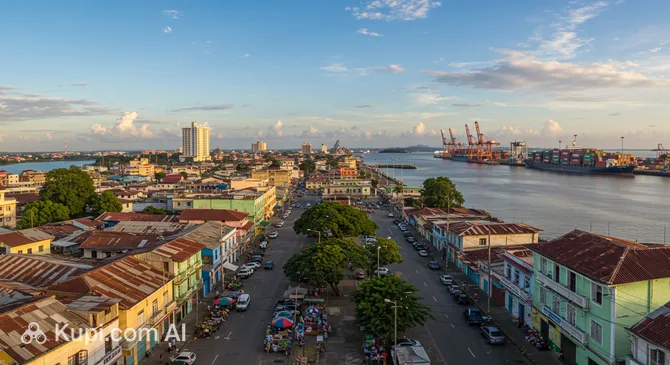
Colón. Illustration.
Source: Kupi.com AI

With a population of about 204,000 people, Colón is the country's second-largest city and the administrative center of the province of the same name. Founded in 1852 as the terminus of the Panama Railroad connecting two oceans, today the city is known for its unique atmosphere, blending a colonial past, port bustle, and a relaxed Caribbean rhythm.

The main attraction drawing thousands of visitors here is the Colón Free Trade Zone (Zona Libre de Colón)—one of the largest duty-free zones in the world and a true shopping paradise. Additionally, Colón is a convenient base for reaching the locks of the Panama Canal to see this grand engineering feat firsthand. History buffs will also appreciate the old fortifications that recall the city's rich past.

Colón is a city of contrasts and vivid impressions, offering its guests much more than just a port. Discover its colorful streets, lively markets, and unique Caribbean spirit. A trip to Colón promises to be fulfilling and memorable!

More interesting facts can be found on the Colón city history page.
Weather Overview

The weather in Colón is characterized by high temperatures and humidity all year round. The average annual temperature fluctuates between 26-27°C, with minimum values around 24-25°C and maximums reaching 27-28°C. Precipitation is common here, especially from May to November, when the number of rainy days reaches its peak and the volume of rainfall increases. The driest months are from January to April, but rain is still possible during this period. Expect a warm and humid climate with frequent but usually brief tropical showers throughout the year.

For more detailed weather information, including a monthly forecast, you can visit the Colón Climate page.

Average monthly temperature

Average monthly precipitation

Interesting Facts

Beyond its famous port arteries and proximity to the Panama Canal, Colón hides many fascinating secrets and little-known details that add special character to the city. Here are just a few that might surprise even the seasoned traveler:

  • Risen from the Ashes: In 1885, Colón was almost completely destroyed by fire. However, the city literally rose from the ashes thanks to the French, who were starting an ambitious project to build the Panama Canal at that time, forever inscribing the city into the history of this mega-structure.

  • A World Trade Giant: Colón is home to the second-largest free trade zone in the world—the Zona Libre de Colón, surpassed in scale only by Hong Kong. Annual trade turnover here exceeds 10 billion dollars, offering an incredible range of products from electronics to jewelry at attractive prices.

  • Legacy of Pirates and Conquistadors: In the vicinity of Colón, the impressive ruins of Fort San Lorenzo have been preserved. This 17th-century Spanish outpost was built to protect the Caribbean coast from frequent pirate attacks and is today a UNESCO World Heritage site, silently holding stories of naval battles and the colonial era.

  • The Name and the "Time Capsule": The city owes its name to none other than Christopher Columbus (Cristóbal Colón in Spanish). In addition to a monument to the great navigator, you can find a real "time capsule" in Colón—an old railway station built in 1909, whose appearance has remained virtually unchanged for a century.

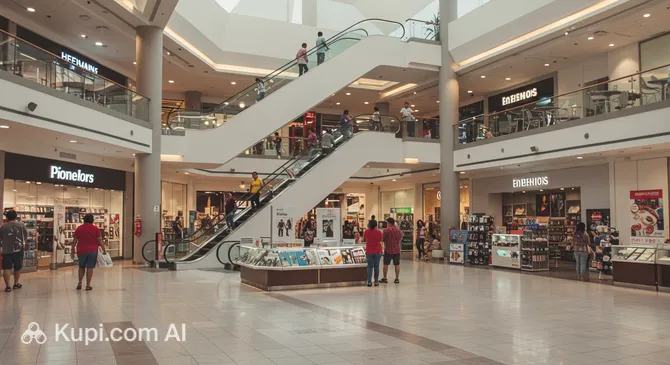
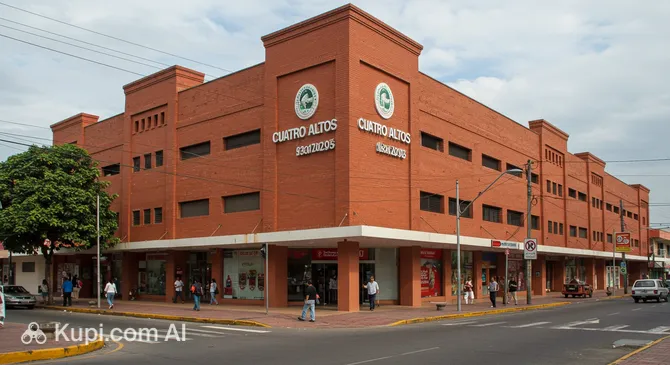
Cuatro Altos Mall. Illustration.
Source: Kupi.com AI

Traveler photos:

How to Get There

Planning your route is an important part of any trip. Colón is a major transport hub, and you can get here in various ways depending on where you start your journey. You can explore all ways to get to the city in more detail on our dedicated page, and below we will look at the main air gateways tourists use to enter this region.

Colón itself does not have a large civilian airport that accepts international flights, so most travelers fly into the nation's capital. The main hub is Tocumen International Airport (IATA: PTY), located in Panama City. This is the region's largest aviation hub, receiving flights from all over the world. The airport is about 65 km from Colón. The journey by taxi or transfer will take about 2 hours, depending on highway traffic.

Another option is Albrook "Marcos A. Gelabert" International Airport (IATA: PAC), also located in Panama City, about 57 km from Colón. This airport is more frequently used for domestic flights and private aviation. The journey from here to the center of Colón takes about 1 hour and 45 minutes. It is also worth mentioning Panama Pacifico Airport (IATA: BLB) in Balboa (about 59 km from Colón), which serves some budget airlines.

For your convenience, here is summary information for the main airports:

AirportPassenger trafficDistance
Marcos A. Gelabert International Airport350 00057 km
Panama Pacifico Airport394 42259 km
Tocumen International Airport19.3 mln65 km
Rio Hato (Scarlett Martinez International)62 159112 km
Bocas Del Toro110 000258 km

Since the main airports are located in the capital, the final leg of the journey to Colón is usually completed by road. A modern highway connects Panama City and Colón, with comfortable buses and taxis running regularly. There is also a historic railroad along the Panama Canal, which serves more as a tourist attraction, allowing you to enjoy scenic views of the jungle and locks on your way to the city.

Main Attractions

Colón, an important port city in Panama, offers travelers several notable places that reflect its commercial spirit and local life. Among them, several key attractions stand out that will help you get to know the city better.

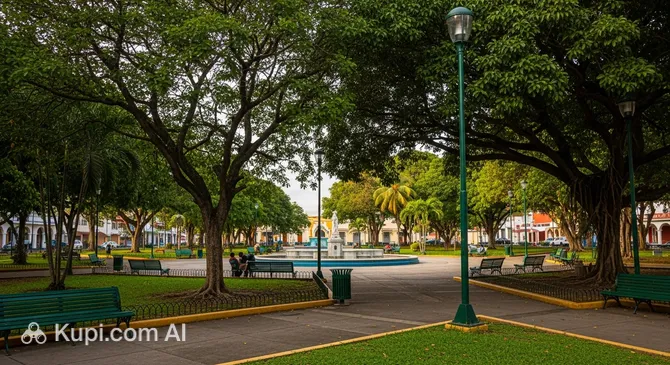
One of the main green areas and a place for relaxation in Colón is 5 de Noviembre Park. This park not only provides a pleasant space for walking and escaping the city bustle but also holds historical significance, being named after an important date for Panama. Here, you can observe the daily life of the city's residents and attend local events that are occasionally held on its grounds.

5th of November Park. Illustration.
Source: Kupi.com AI

Traveler photos:

For those interested in shopping, the Cuatro Altos Shopping Center is one of the most popular spots. Given Colón's proximity to one of the largest free trade zones, this mall attracts both locals and tourists with its wide range of goods. Here you can find everything from clothing and electronics to souvenirs, making it an essential point for practical purchases.

Cuatro Altos Mall. Illustration.
Source: Kupi.com AI

Traveler photos:

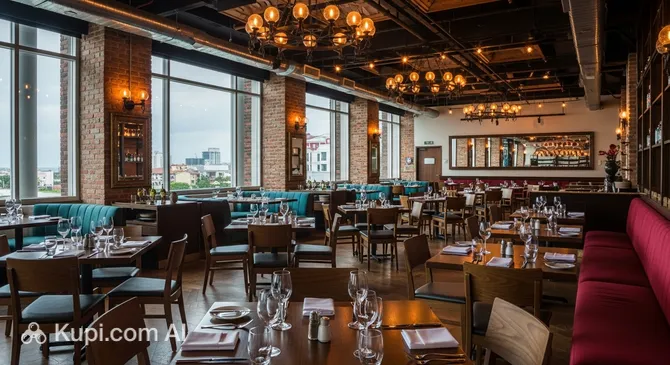
If you want to grab a snack or have a full dinner in a pleasant setting, look no further than Hudson Restaurant. This establishment is known for its hospitality and a diverse menu that offers dishes for every taste, including both local culinary delights and popular international items. The restaurant is a good choice for relaxing after a busy day exploring the city.

Hudson Restaurant. Illustration.
Source: Kupi.com AI

Traveler photos:

These places provide insight into different aspects of life in Colón—from its historical roots and leisure opportunities to modern commercial activity.

Local Cuisine

The gastronomy of Colón is a vibrant reflection of its multicultural history, representing an appetizing mix of Caribbean, African, Latin American, and European culinary traditions. Fresh seafood is the foundation of local cuisine: fish, lobsters, crabs, and other seafood are prepared in many ways here. Travelers can expect a true gastronomic adventure full of exotic flavors and aromas.

Among the dishes that you should definitely try in Colón is ceviche—pieces of fresh fish marinated in lime juice with onions, cilantro, and chili peppers. No less popular are plátanos (fried plantains, both sweet and green), fragrant coconut rice with beans, often served as a side dish, and the hearty sancocho—a thick, rich soup with chicken, vegetables, and aromatic herbs, considered one of Panama's national dishes. For a snack or street food, people often choose patacones—crispy discs made from double-fried green plantains.

To quench your thirst, locals and tourists prefer natural juices made from tropical fruits like mango, papaya, passion fruit, or guava. Regarding alcoholic beverages, keep an eye out for Panamanian rum, which is known for its quality. Coffee lovers will appreciate the strong and aromatic brew prepared here with special skill.

The dining culture in Colón is diverse. You can enjoy freshly prepared dishes at numerous street cafes where a relaxed atmosphere prevails. For a more substantial lunch or dinner, you can choose one of the restaurants offering both traditional Panamanian cuisine and dishes from other countries. For instance, you can stop by Hudson Restaurant to explore local gastronomic offerings. Furthermore, the city regularly hosts fairs and food festivals, and colorful markets always offer fresh produce, including seafood straight from the fishermen.

Don't forget to leave room for dessert! Coconut pies and various sweets made with cane sugar are popular in Colón. The city's gastronomic scene offers a vivid immersion into Caribbean flavor culture, where everyone will find something for themselves, from simple street snacks to exquisite restaurant meals.

Travel Tips

Planning a trip to Colón? Wonderful! To ensure your journey through this port city in Panama goes smoothly and leaves only pleasant impressions, we have prepared some practical tips to help you find your way on the ground.

  1. Clothing and Essentials:

    Colón has a tropical climate, so choose light, breathable clothing made from natural fabrics. Don't forget a raincoat or umbrella, especially if your trip falls during the rainy season (May to December). Comfortable walking shoes, sunscreen, a hat, and insect repellent are essential. For electrical appliances, you may need an adapter (Type A and B sockets are used in Panama, voltage 110V). When visiting churches, choose modest clothing that covers shoulders and knees.

  2. City Transport:

    The main modes of transport in Colón are buses and taxis. Buses, including the colorful "diablos rojos," can be an economical option, but figuring out the routes can be tricky. Taxis are more convenient; always agree on the fare in advance. Some international ride-hailing apps might work, but check their availability upon arrival. Renting a car is possible, but keep in mind that city navigation can be difficult, and general security measures should be remembered.

  3. Finances: Currency, Cards, Tipping:

    The official currency of Panama is the Panamanian balboa (PAB), which is pegged to the US dollar (USD) at a 1:1 ratio. US dollars are in free circulation and accepted everywhere. Credit and debit cards are accepted in most hotels, restaurants, and large stores, but always carry some cash for small purchases, markets, and taxis. ATMs dispense US dollars. Tipping in restaurants is usually 10-15% if service is not included. It is customary to round up the fare for taxi drivers.

  4. Health and Safety:

    Pharmacies ("farmacias") are available in the city. Be sure to get travel medical insurance before your trip. Colón, unfortunately, has a reputation for a higher crime rate. Exercise increased caution: avoid walking alone, especially after dark and in sparsely populated areas. Do not display valuables or large sums of money. Before visiting any districts, check their safety with hotel staff or locals you trust. Drink bottled water.

  5. Communication and Internet:

    The official language is Spanish. English may be common in tourist zones and hotels, but not everywhere. Learn a few basic phrases in Spanish: "Hola" (Hello), "Gracias" (Thank you), "Por favor" (Please), "¿Cuánto cuesta?" (How much does it cost?). A local SIM card can be purchased at mobile shops. Wi-Fi is available in most hotels and some cafes.

  6. Local Etiquette:

    Panamanians are generally friendly and hospitable. It is customary to greet with a handshake. Use polite forms of address: "Buenos días" (good morning), "Buenas tardes" (good afternoon/evening). Show patience and respect for local customs. In public places, try not to speak too loudly.

  7. What to Avoid:

    Do not wear flashy, expensive jewelry or display large amounts of cash to avoid attracting unwanted attention. Also, avoid photographing people without their explicit permission, as this can be perceived as disrespectful.

  8. Special Tip – Colón Free Trade Zone (Zona Libre de Colón):

    Colón is famous for its Free Trade Zone, one of the largest in the world. If you are interested in shopping (especially wholesale), find out the access rules for tourists (a passport is usually required). However, be vigilant: the areas adjacent to the Zone can be unsafe, so exercise caution when visiting and moving nearby.

We hope these tips help you better prepare for your trip to Colón and enjoy everything this colorful and historically significant city in Panama has to offer. We wish you a safe and exciting journey!

Entertainment & Nightlife

Evening Colón offers tourists a chance to immerse themselves in a local atmosphere that differs from bustling tourist centers. Nightlife here is mainly concentrated around restaurants where you can spend a pleasant evening, and a few bars offering local drinks and snacks. While the city is not famous for massive nightclubs, you can find cozy spots to relax after a busy day.

Most evening activity is concentrated in the central areas of the city and near the waterfront. Popular places for dinner and socializing are the local restaurants. For example, you can visit Hudson Restaurant, known for its cuisine, or stop by Beirut Restaurant, which offers Middle Eastern dishes. These establishments usually stay open until late evening, creating a pleasant atmosphere for visitors. The crowd here is a mix of locals and visitors. The dress code in most places is quite casual, but for dinner in a nice restaurant, it's better to choose neat, casual attire.

Hudson Restaurant. Illustration.
Source: Kupi.com AI

Traveler photos:

When planning an evening out, it's best to arrive at restaurants and bars after 7:00 PM or 8:00 PM. Prices in Colón establishments are generally moderate, especially compared to the capital. For moving around the city at night, it is recommended to use official taxis or trusted ride-hailing apps. It is important to remember safety precautions: avoid walking through poorly lit or deserted areas after dark. Central streets and the areas around hotels are usually safer.

During the day, Colón also has plenty to offer. You can go shopping at one of the malls, such as Cuatro Altos Shopping Center or Millennium Plaza. For lovers of outdoor walks, 5 de Noviembre Park is a great place to take a break from the city bustle. Although the city lacks large theaters or world-class amusement parks, exploring the local culture and daily life can be an interesting experience.

Parks & Museums

Colón, a city with a rich maritime history, offers its visitors both outdoor spots for relaxation and opportunities to explore its cultural heritage. Although the city may not be famous for an abundance of traditional museums, its streets and architecture tell fascinating stories themselves.

Among the city's green zones, 5 de Noviembre Park particularly stands out. It is a pleasant place for walks where you can relax from the city bustle, watch the daily life of locals, and enjoy the tropical greenery. The park serves as a popular gathering and leisure spot, offering visitors a breath of fresh air in the city center.

In addition to 5 de Noviembre Park, it is worth noting Sucre Park (Plaza Sucre). This square, named after General Antonio José de Sucre, is also an important public space where you can see monuments and rest. For those who enjoy walking by the water, the Paseo Marino waterfront offers sea views and is popular for evening promenades.

When it comes to museums, it is important to note that Colón does not boast a large number of traditional museum institutions. However, this does not mean there is a lack of cultural richness. The city's history is literally written into its streets and buildings. The architecture of the old districts, with its colonial buildings, speaks eloquently of Colón's heyday as a key transit hub. A walk through these streets becomes a journey into the past, allowing you to appreciate the city's significance in the history of Panama and world trade.

For a more authentic experience and understanding of local culture, in addition to viewing historic buildings, you can visit local markets. While not museums in the traditional sense, they provide a vivid picture of the daily life, traditions, and crafts of the region. Also, while exploring the city, you may discover small galleries or cultural spaces reflecting the modern life of Colón.

Getting Around

Getting around Colón can be done in several ways, and knowing the specifics of local transport will make your trip more comfortable. The city's transport system is primarily based on buses and taxis.

Buses are the most common and affordable type of public transport in Colón. These are generally local city buses, which can vary in size and condition. The route network covers most areas of the city, connecting the center with the outskirts. Schedules may not be strictly followed, and information about routes is best obtained from locals or drivers. Fares are usually paid in cash directly to the driver upon entry; it is recommended to carry small change. The fare is generally very low.

Taxis are another popular way to move around Colón, especially convenient for traveling to a specific address or at night. You can hail a car on the street or find one at designated taxi stands. It is extremely important to agree on the price of the trip with the driver before starting your journey, as taximeters are not always used, and the price often depends on the distance and time of day. In some cases, mobile apps for ordering a taxi may be available, but it's best not to rely on them as your only option.

The payment system for public transport in Colón is quite simple. For buses, as mentioned, it is cash. Specialized transport cards or long-term passes for tourists are less common here than in major metropolises. Therefore, always have cash in the local currency on hand to pay your fare.

A few practical tips: buses usually run from early morning until late evening, though frequency may decrease in the evening hours and on weekends. Keep an eye on your belongings in public transport. If you are unsure about a route, don't hesitate to ask the driver or other passengers for directions—locals are usually helpful.

As an alternative to public transport, for short distances in the center of Colón, you can use walking. This will allow you to get to know the city better. Renting a car can be an option if you plan to explore the surroundings, but for moving within Colón itself, it is not always practical due to local traffic and parking issues. Organized bike rental systems may be absent in the city, but the possibility to rent a bike privately is occasionally found.

Accommodation

When planning a trip to Colón, you will find a variety of accommodation options to suit different preferences and budgets. The city offers a choice ranging from budget guesthouses and hostels to mid-range hotels and comfortable apartments available for short-term rent. Although luxury resorts are less common here, comfortable accommodation is guaranteed.

When choosing a place to stay in Colón, it is worth paying attention to areas located near major transport hubs and commercial zones. The central part of the city and areas adjacent to popular shopping centers, such as Cuatro Altos Shopping Center or Millennium Plaza, can offer convenient access to shops, restaurants, and urban infrastructure. Some tourists also prefer staying in quieter residential neighborhoods, from where it is easy to reach recreation spots like 5 de Noviembre Park.

To guarantee the availability of a suitable option and the best prices, especially if your trip coincides with the peak tourist season or major events in Panama, it is recommended to book accommodation in advance. This will allow you to choose from a larger number of offers and avoid the rush.

The price range for housing in Colón varies from economy options to mid-level. You can book a hotel or apartment through popular international online booking platforms, which often offer reviews and price comparisons. Direct booking via hotel websites or by phone is also an option, which sometimes allows you to get special deals.

Nearby Cities

For those who want to explore the surrounding area, Colón serves as an excellent starting point for day trips to several interesting nearby locations:

CityPopulationDistance
Cativa34 5587 km
Sabanitas19 05211 km
Puerto Pilon16 51712 km
Chilibre53 95538 km
Alcalde Diaz41 29245 km

Among these cities, the following stand out particularly:

Panama City, the nation's capital, offers an amazing blend of a modern metropolis with its skyscrapers and the historical charm of the Casco Viejo colonial district, a UNESCO World Heritage site. Tourists can visit the famous Panama Canal, explore the ruins of the old city at Panamá Viejo, or enjoy the vibrant nightlife and gastronomic diversity.

Chilibre attracts nature lovers and those seeking a quiet getaway. This area is located near Chagres National Park, offering opportunities for ecotourism, hiking through the rainforest, and bird watching. It's a great place to experience Panama's rich flora and fauna just a few dozen kilometers from Colón.

These nearby destinations provide a glimpse into the diverse culture and landscapes of the region.

Shopping & Souvenirs

Colón offers rather specific shopping opportunities, largely thanks to its famous Free Trade Zone (Zona Libre de Colón), one of the largest in the world. However, it should be kept in mind that the Zona Libre is primarily oriented toward wholesale trade. For retail tourist buyers, access may be restricted or subject to certain conditions. Nonetheless, there are other shopping locations in the city, including modern malls.

The main shopping area is undoubtedly the Zona Libre de Colón. This is a massive duty-free zone where you can find electronics, clothing, perfumes, jewelry, and more at attractive prices if you manage to make a retail purchase or if you are buying goods for subsequent export. Outside the Free Zone, commercial activity is concentrated on several central streets where shops for local goods and daily necessities are located.

For more traditional shopping, there are several shopping centers in Colón. Among them, the Cuatro Altos Shopping Center stands out, offering a variety of shops, a food court, and entertainment. Another popular spot is Millennium Plaza, where you can also find a good selection of goods and services.

Millennium Plaza. Illustration.
Source: Kupi.com AI

Traveler photos:

As for markets, Colón, as a port city, has local markets where you can find fresh produce, seafood, and everyday items. However, they are more oriented toward locals than tourists looking for souvenirs. There are fewer specialized tourist or flea markets with a wide selection of handicrafts here than in other tourist centers of Panama.

As souvenirs from Colón and Panama as a whole, it is worth bringing back handmade items from indigenous peoples, such as the colorful "molas" (textile appliqués) of the Guna people. Panama hats are also popular (though historically produced in Ecuador, they have become a symbol of the country), along with high-quality Panamanian coffee and rum. In the shops of the Free Zone, if you manage to make a purchase, you can find good deals on electronics or perfume.

Shops in Colón typically operate from Monday to Saturday, roughly from 9:00-10:00 AM to 6:00-7:00 PM. Large shopping centers may have longer hours, including Sundays. The official currency of Panama is the balboa, but the US dollar is in free circulation and accepted everywhere at a 1:1 rate. Credit cards (Visa, MasterCard) are widely accepted in malls and large stores.

The tax refund system (Tax Free) in Panama (ITBMS, similar to VAT, usually 7%) for tourists is not as common or simple as in some other countries. Goods purchased in the Zona Libre are already exempt from taxes, as the zone is intended for re-export. When shopping in regular stores outside the Free Trade Zone, the possibility of a tax refund for tourists is limited. It is recommended to clarify this matter directly in large stores when making significant purchases.

Reached the end of the page?

That means the route is fully explored