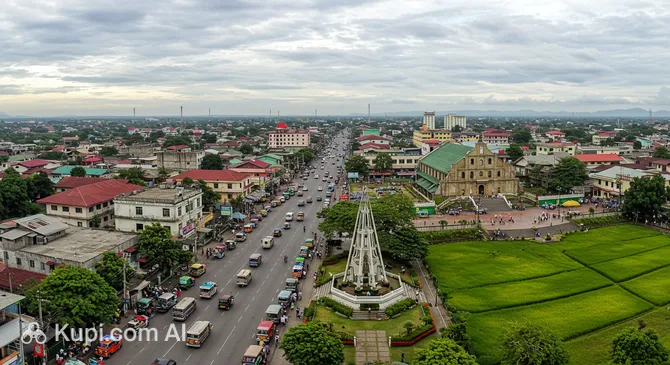
Cabanatuan is a dynamic economic and transportation hub located in the heart of Nueva Ecija province in the Philippines. The city is often called the "Rice Granary," as it is surrounded by endless fertile fields that provide food for the country. With a population of over 320,000, Cabanatuan is the largest commercial center in Central Luzon, where modern shopping malls stand alongside bustling local markets.
Cabanatuan. Illustration.
Source: Kupi.com AI
Geographically, the city holds a strategic position along the vital Cagayan Valley Road, making it a key link between the northern provinces and Manila. The climate here is typically tropical, with a pronounced rainy season that feeds the region's agricultural lands. Although the city is primarily focused on business and logistics, its rich historical heritage and welcoming atmosphere attract travelers looking to experience authentic Philippine provincial life.
Among the city's main features are its unique status as the tricycle capital and significant historical sites, such as the St. Nicholas of Tolentine Cathedral. Cabanatuan offers tourists a rare opportunity to immerse themselves in the atmosphere of a true commercial crossroads, where the history of revolutionary events intertwines with the modern rhythm of life. We invite you to visit Cabanatuan to feel its tireless energy and discover the hospitality of Central Luzon.
Weather Overview
The city of Cabanatuan has a classic tropical savanna climate, characterized by high temperatures throughout the year and a clear division into dry and wet seasons. The hottest period is April and May, when the average maximum reaches 34–35°C. Humidity can be quite high during this time, so travelers are advised to plan their walks for the early morning or evening hours.
The rainy season usually begins in June and lasts until October, peaking in July and August. During this period, intense tropical downpours are possible, which bring coolness but may temporarily make moving around the city difficult. If you want to know more about what the weather in the city will be like on specific dates, it is worth checking meteorological reports in advance.
The most comfortable time to visit Cabanatuan is from December to February. During these months, the weather is moderately warm with an average temperature of about 26°C and minimal precipitation. The nights become pleasantly cool (around 21–22°C), which is ideal for exploring sights and walking through local parks without the sweltering heat.
Average monthly temperature
Average monthly precipitation
Interesting Facts
Tricycle Capital: Cabanatuan officially holds the title of the "Tricycle Capital of the Philippines"—more than 30,000 tricycles roam the city streets at once, serving as the main and most colorful form of transport.
Military Triumph: In 1945, the famous "Raid at Cabanatuan" took place here, which entered military history textbooks as one of the most daring and successful operations to rescue prisoners of war from a Japanese camp.
Revolutionary Status: In May 1899, the city briefly became the official capital of the First Philippine Republic when Emilio Aguinaldo's government moved its residence here.
Rice Granary: Thanks to the huge volume of grain production in the surrounding areas, Cabanatuan is considered the main logistics hub distributing rice throughout the archipelago.
Charter City Status: Cabanatuan received its official recognition as a "charter city" in 1950, which gave a powerful boost to its economic development.
How to Get There
The transport accessibility of Cabanatuan is due to its role as an important road hub in Central Luzon. Although the city does not have its own airport, most tourists arrive here from Manila or Clark. The main flow of passengers is provided by modern intercity buses departing from terminals in Cubao or Pasay. The trip on a comfortable bus takes from 2 to 4 hours, depending on traffic, and passes through picturesque agricultural plains.
The road network connects Cabanatuan with key provinces in the region via the Cagayan Valley Road. For more detailed route planning and finding current transport schedules, you can explore the special section on how to get to the city. A personal car or rented vehicle are also popular ways to travel, allowing tourists to make stops in small, colorful towns along the way.
Railway communication in the region is currently used mainly for freight, but the city retains its status as an important logistics hub. Within the city itself and its immediate suburbs, the main means of transport remain the famous Philippine tricycles and jeepneys, which connect bus terminals with central squares and historical sites.
Station
Passenger traffic
Distance
Angeles station
3
56 km
San Fernando station
5
59 km
Balagtas station
4
75 km
Balintawak station
7
92 km
Fernando Poe Jr. station
7
92 km
Main Attractions
The main attractions of Cabanatuan are inextricably linked with the region's heroic past and important milestones in Philippine history. One of the central points of the city is the St. Nicholas of Tolentine Cathedral—a majestic building that served as the headquarters of the revolutionary government at the end of the 19th century. Tourists are attracted not only by the cathedral's architecture but also by its significance as the de facto capital of the Philippine Republic in 1899.
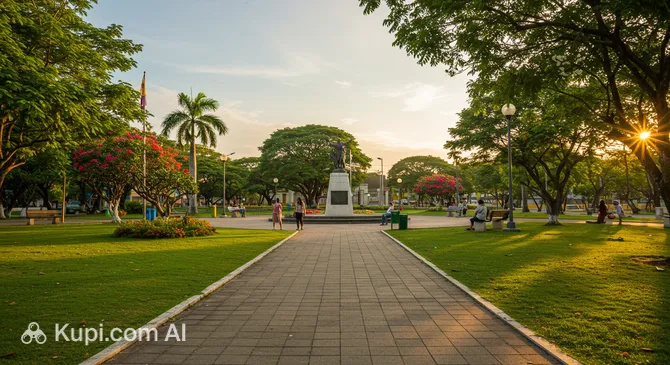
Local residents and visitors alike choose Freedom Park for walks and relaxation. This cozy public space is decorated with monuments dedicated to national heroes and serves as a venue for city festivals. The park is a great place to observe the daily life of townspeople and enjoy the peaceful atmosphere in the shade of the trees.
Freedom Park. Illustration.
Source: Kupi.com AI
Traveler photos:
History buffs should also visit the Camp Pangatian Memorial, located a few kilometers from the center. This memorial complex was erected in memory of the legendary "Raid at Cabanatuan" in 1945, when more than 500 people were liberated from captivity in one of the most successful rescue operations of World War II. An equally significant site is the monument to General Antonio Luna, erected at the site of his tragic death, making Cabanatuan an important point for everyone interested in the military history of the Philippines.
Local Cuisine
The gastronomic image of Cabanatuan reflects its status as the agricultural heart of the Philippines. Rice is not just a side dish here but the basis of life, so it is definitely worth trying dishes made from the freshly harvested crop in local cafes. The cuisine of Nueva Ecija is famous for its rich meat soups and aromatic stews, such as "adobo" and "sinigang," prepared using local herbs and spices.
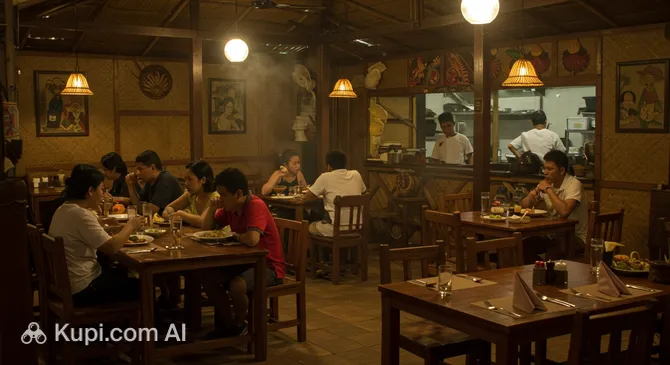
For an introduction to classic Philippine cuisine in a cozy setting, Vicenticos is a great choice. This place is popular among locals for its homey atmosphere and traditional recipes. If you prefer a more refined presentation and modern interior, check out Lamarang Restaurant, where local products are transformed into true culinary masterpieces.
Lamarang Restaurant. Illustration.
Source: Kupi.com AI
Traveler photos:
Don't miss the chance to try street food at the local markets, where the famous Philippine dessert "halo-halo" and freshly squeezed tropical fruit juices are sold. Cabanatuan is also known for its meat shops, where you can find excellent types of local sausage—longganisa. End your meal with a cup of strong Philippine "barako" coffee, which perfectly complements the sweet rice cakes.
Travel Tips
Planning a trip to Cabanatuan requires taking into account some local characteristics that will make your visit comfortable and pleasant. We have prepared several tips to help you quickly settle into this dynamic Philippine city.
Clothing and essentials: Choose light clothing made of natural fabrics, as it is usually very hot in the Central Luzon region. Be sure to bring sunglasses and sunscreen, and during the rainy season (June–October), a compact umbrella. A modest dress code (covered shoulders and knees) is recommended for visiting cathedrals.
Transport: Use tricycles for short trips around the city—it's fast and inexpensive. If you're planning a trip to Manila, choose air-conditioned buses (De Luxe) that depart from the main terminals.
Finances: The main currency is the Philippine peso (PHP). SM City malls and hotels accept cards, but always have small cash for tricycle fares and market purchases. ATMs can easily be found in bank branches in the center.
Health and safety: Drink only bottled water. Cabanatuan is generally safe, but follow standard precautions: keep an eye on your bags in crowded places and markets. Pharmacies (Mercury Drug) are found on every major street.
Communication: The official languages are Tagalog and English. Most residents understand English well, especially young people and service staff. It will be helpful to learn a couple of phrases: "Salamat" (thank you) and "Magkano?" (how much?).
Local etiquette: Filipinos are very friendly and value politeness. Greet people with a smile. Try to avoid open conflict or loud arguments in public—this is considered bad manners.
What to avoid: Do not plan important trips during peak hours (morning and evening), as serious traffic jams can occur due to the abundance of tricycles on the roads.
Connectivity: Buy a SIM card from local operators Globe or Smart at any mall for stable 4G/5G internet, as public Wi-Fi can be slow.
Cabanatuan will open its doors to you as a welcoming and active city. By following these simple rules, you can focus on exploring its history and culture, enjoying every moment of your journey.
Entertainment & Nightlife
Cabanatuan is primarily a business and commercial center, so the entertainment industry here is focused around large shopping complexes. The main life after sunset hums in the SM City mall area, which features modern cinemas, bowling centers, and numerous cafes. This is the most popular place for evening walks, where young people and families with children gather.
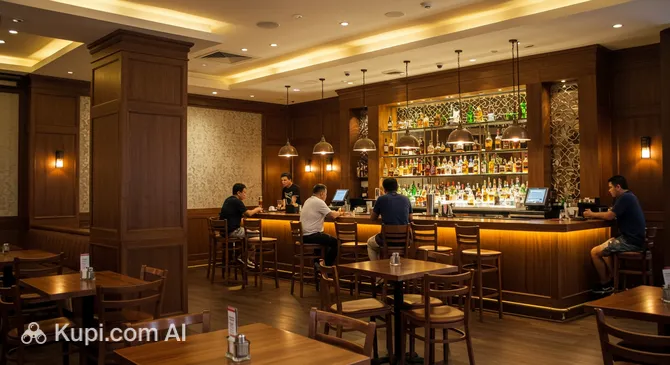
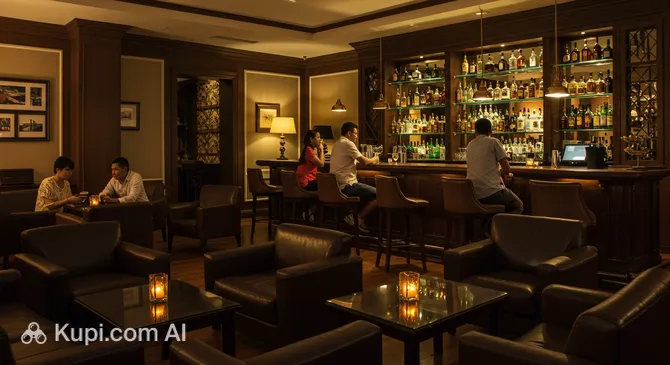
If you are looking for a place to have a delicious dinner and spend time in good company, pay attention to Gerry's Grill SM City Cabanatuan. This establishment is famous for its relaxed atmosphere, live music on certain days, and an excellent selection of grilled dishes. For a more quiet and prestigious evening, the Harvest Hotel Bar is suitable, where you can enjoy cocktails in the hotel's elegant setting.
Gerry's Grill SM City Cabanatuan. Illustration.
Source: Kupi.com AI
Traveler photos:
The city's nightlife does not feature the abundance of noisy clubs typical of Manila but offers cozy karaoke bars—a favorite pastime for Filipinos. Safety in central areas and near major hotels is maintained at a good level, and for moving around at night, it is best to call a taxi through the hotel receptionist or use a tricycle, which roam the city almost around the clock.
Parks & Museums
The parks and cultural spaces of Cabanatuan serve as quiet oases amidst the bustling commercial activity. One of the most significant historical sites is the Antonio Luna Death Place Marker. This small but important monument marks the site of the tragic death of one of the most prominent generals of the Philippine Revolution, allowing tourists to touch the country's heroic and dramatic past.
Local residents choose Freedom Park (Freedom Park) for outdoor recreation, as it is the city's main public space. It is a green area with walking paths where cultural events and open-air exhibitions are often held. It is also worth visiting Plaza Lucero—the historical square in front of the cathedral, which has been the center of Cabanatuan's social life for centuries.
Freedom Park. Illustration.
Source: Kupi.com AI
Traveler photos:
Although there are no classic art museums in the city, its streets and squares are themselves an exhibition of history. The Camp Pangatian Memorial complex serves as an open-air museum dedicated to the events of World War II. Here you can see plaques and installations telling of the courage of Filipino and American soldiers, making a visit to this place a must for everyone who values historical memory.
Getting Around
The public transport system in Cabanatuan is a unique experience that cannot be missed. The city is famous for its colossal concentration of tricycles—motorcycles with covered sidecars. With more than 30,000 units of this transport, Cabanatuan is rightfully considered the tricycle capital. It is the most accessible and maneuverable way to get anywhere in the city; fares are fixed for short distances, but it is better to agree on the cost of a trip to remote areas in advance.
In addition to tricycles, jeepneys—brightly decorated Philippine minibuses—are used for travel along the city's main roads. They run on set routes and are the cheapest form of transport for travel between districts. Payment in a jeepney is made in cash to the driver, and it is a great way to feel the rhythm of life of the local residents.
Several large bus terminals operate in Cabanatuan for trips to neighboring cities and provinces. Carriers such as Five Star and Baliwag Transit are based here, offering trips to Manila and the north of Luzon island. Although there are no subways or trams in the city, a dense network of private drivers and bus routes makes moving around the region quite convenient, provided you take into account peak hours and traffic intensity.
Accommodation
Cabanatuan, being a major business and educational center, offers a wide range of accommodation options focused primarily on business travelers and transit tourists. Modern mid-range hotels and cozy guest houses predominate here. For those who value a high level of service and comfort, the best choice would be hotels in the central part of the city, located within walking distance of the SM City and Robinsons shopping malls.
If you are looking for a full vacation with elements of resort infrastructure, pay attention to BL Resort and Hotel. This establishment offers guests not only comfortable rooms but also swimming pools, which is a great bonus in the hot tropical climate of Luzon. These types of hotels are often chosen for family celebrations and corporate events.
Harvest Hotel Bar. Illustration.
Source: Kupi.com AI
Traveler photos:
Budget travelers, the city can offer many inexpensive hotels and motels along the main highways. It is recommended to book accommodation in advance, especially if your trip coincides with major holidays or business conferences. In general, the price range in Cabanatuan remains very affordable compared to Manila, and most hotels provide stable Wi-Fi and shuttle services.
Nearby Cities
Cabanatuan serves as an excellent starting point for exploring the province of Nueva Ecija and neighboring regions of Central Luzon. Thanks to its central location, the city makes it easy to plan day trips to neighboring municipalities, each of which has its own unique rural charm and history.
Very close is the cozy Aliaga, known for its picturesque rice fields and traditional way of life. It is also worth stopping by San Leonardo, where you can see old colonial houses, or heading to the large town of Talavera, which is actively developing as an important agricultural center. Trips to these places by tricycle or rented car will allow you to see the real Philippines beyond the bustling metropolises.
City
Population
Distance
Aliaga
70 363
12 km
San Leonardo
68 536
13 km
General Mamerto Natividad
44 311
14 km
Penaranda
32 269
15 km
Talavera
132 338
16 km
The surroundings of Cabanatuan offer travelers the opportunity to get acquainted with the country's agrarian heritage, visit local farms and small temples. Exploring these quiet corners of the region will give you many vivid impressions and help you better understand the cultural diversity of Central Luzon.
Shopping & Souvenirs
Shopping in Cabanatuan is an exciting combination of modern shopping standards and traditional Philippine trade. The city is rightfully considered the commercial heart of the province, where residents of surrounding regions flock for shopping. Here you can find everything: from the latest electronics and global clothing brands to the freshest farm products.
The main center of attraction for lovers of comfortable shopping is SM City Cabanatuan (SM City). This is a huge space where hundreds of shops, supermarkets, food courts, and entertainment areas are gathered under one roof. Another popular place is WalterMart Cabanatuan (WalterMart), which is conveniently located and offers an excellent selection of home and daily goods.
City Cabanatuan Mall. Illustration.
Source: Kupi.com AI
Traveler photos:
If you want to feel the local color, head to the Cabanatuan Public Market. It is the perfect place to buy top-quality local rice, fresh tropical fruits, and traditional sweets. Handmade wickerwork and wooden items made by craftsmen from surrounding villages are often brought from here as souvenirs. Most shops are open from 10:00 to 21:00; large malls accept cards, but you will definitely need cash Philippine pesos at the markets.