Support

Caraga

About

Caraga is a cozy town located in the province of Davao Oriental in the southeast of Mindanao Island, Philippines. This picturesque corner attracts travelers with its natural diversity, rich culture, and unique atmosphere. Here, pristine nature and a traditional way of life blend harmoniously. Caraga holds significant administrative importance within Davao Oriental province and offers guests a unique opportunity to experience the authentic culture of this part of the country.

The town is spread among dense tropical forests and scenic hills. With a population of about 39,700 people, Caraga retains the charm of a small provincial center. There is no hustle and bustle of megacities; instead, a soulful simplicity, hospitality, and a slow pace prevail, allowing you to truly relax and unwind.
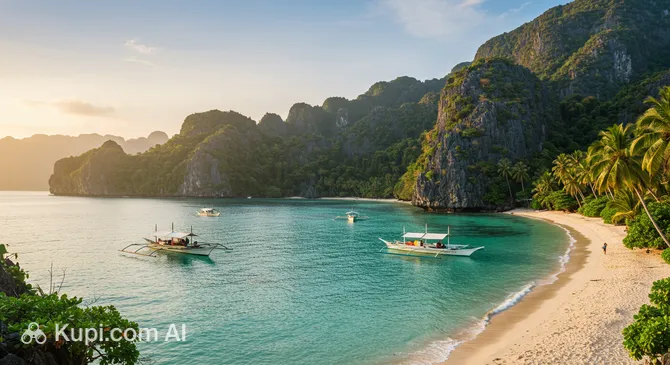
Caraga. Illustration.
Source: Kupi.com AI

Caraga is a wonderful opportunity to dive into the heart of the real Philippine countryside. Here, you can stroll through picturesque streets, visit colorful local markets to taste fresh fruits and local delicacies, and admire the lush tropical greenery. The town serves as a gateway to amazing natural treasures: impressive waterfalls, crystal-clear rivers, and mysterious forests await you, making Caraga an ideal destination for eco-tourism enthusiasts and adventure seekers.

If you dream of a vacation away from noisy tourist routes and want to discover the authentic culture and breathtaking nature of Mindanao Island, Caraga will be a true discovery for you and will provide unforgettable impressions.

You can find more interesting facts on the history of Caraga page.

Weather Overview

The weather in Caraga is characterized by consistently high temperatures throughout the year. The average monthly temperature ranges from 25.2°C (in February) to 27.0°C (in May), while maximum daytime temperatures are usually in the range of 27.7°C - 29.9°C, and minimum nighttime temperatures are 22.6°C - 24.1°C. Expect frequent but mostly light precipitation: despite the total monthly rainfall being small (from 5 to 10 mm), the number of rainy days per month is quite significant, varying from 21 to 28 days.

For more detailed information about climatic conditions and current weather forecasts by month, you can visit the Caraga Climate page.

Average monthly temperature

Average monthly precipitation

Interesting Facts

In addition to its scenic landscapes and hospitable residents, Caraga, located in the Davao Oriental province of the Philippines, holds many surprising stories and little-known details. Here are just a few of them:

  • Did you know that the town of Caraga gave its name to an entire namesake region in the Philippines? The name originates from the ancient Caraga people, who once inhabited these lands and were famous for their bravery and seafaring skills.

  • In the vicinity of Caraga, ancient legends of hidden treasures and mysterious forest spirits are still alive. These tales inspire locals to hold colorful festivals and rituals, and they make the town a place where you can hear the most unusual stories about encounters with mythical creatures guarding the local jungles and rivers.

  • Caraga is a true paradise for wildlife lovers. Rare bird species live in these parts, and in the rivers, you can find exotic fish and even freshwater crocodiles, making eco-tours through the surrounding tropical forests and bodies of water particularly exciting.

  • The town and its surroundings are home to various ethnic groups, each of which carefully preserves its unique customs, language, and crafts. Thanks to this, Caraga is known as a place where folklore traditions harmoniously coexist with modernity, and local artisans are famous for their skillful wood carving and the creation of traditional musical instruments.

How to Get There

Getting to the town of Caraga, nestled in the Davao Oriental province in the Philippines, can be done in several ways; however, for most tourists, the most convenient and fastest option is a flight to one of the regional airports. After arriving at the airport, the further journey to Caraga is usually made by bus, taxi, or rental car.

The closest and one of the most convenient options is Butuan Airport (IATA: BXU). It is located in Butuan City, approximately 33.2 km from Caraga. A taxi or local transport ride from here to the center of Caraga takes about 1 hour and 10 minutes. Butuan Airport is a busy regional airport serving primarily domestic flights.

Another option, especially if you are planning a route through a larger hub or arriving on an international flight (with a transfer to a domestic one), could be Laguindingan International Airport (IATA: CGY). This major airport is located in Cagayan de Oro, at a significant distance – about 143 km from Caraga. A journey from Laguindingan Airport to Caraga by car or bus can take approximately 4 hours. Despite the distance, its advantage is the larger number of available flights.

It is also worth considering flying into Surigao Airport (IATA: SUG), located in the city of the same name, Surigao. It is approximately 110 km from Caraga. The road from Surigao Airport to Caraga will take about 3 hours by ground transport. This airport serves mainly domestic destinations and may be convenient depending on your overall route through the Philippines.

For clarity, here is a summary of the main airports through which you can reach Caraga:

AirportPassenger trafficDistance
Butuan Airport450 00033 km
Surigao Airport37 583110 km
Sayak Airport (Siargao)529 822121 km
Mambajao64 000124 km
Laguindingan International Airport2 mln143 km

Main Attractions

Caraga, nestled in the province of Davao Oriental in the Philippines, offers travelers a unique blend of natural beauty and historical heritage. Despite its relatively small size, this town is ready to surprise you with several notable places that will leave a lasting impression.

One of the most iconic spots is Pusan Point. It is not just a scenic point on the map, but the easternmost tip of the Philippines, where the country meets the first rays of the rising sun. Visiting Pusan Point is a unique opportunity to enjoy breathtaking sunrises, feel like you are at the "edge" of the archipelago, and take unforgettable photos against the backdrop of the endless Pacific Ocean. For the convenience of visitors, there are often viewing platforms and rest areas, making it an ideal place for contemplation and connection with nature.

For connoisseurs of history and architecture, the San Salvador del Mundo Parish Church is a must-visit. Founded in 1883, this church is one of the oldest on Mindanao Island and an important witness to the region's colonial past. Its ancient stone walls, preserved architecture, and special spiritual atmosphere attract not only pilgrims but also everyone interested in the rich cultural heritage of the Philippines.

In addition to these key attractions, Caraga charms with its coastal atmosphere. Take a stroll along its embankments, enjoy the fresh sea breeze, and discover local beaches. Although they may not be as famous as those in popular resorts, it is here that you can find solitude and feel the true spirit of the Philippine province. It is a wonderful opportunity to take a break from the city bustle, admire the beauty of Caraga Bay, and observe the life of local fishermen.

Local Cuisine

The culinary traditions of Caraga are a true feast for a gourmet, where fresh seafood, locally grown vegetables, and juicy tropical fruits play the leading roles. Rice and coconut form the basis of many dishes, giving them a unique local flavor. One of the most iconic treats that is definitely worth trying is kinilaw — fresh fish marinated in vinegar with onions, ginger, and chili peppers. This dish is especially valued for its bright, refreshing taste and simplicity of preparation.

In addition to seafood, Caraga's gastronomic scene will delight lovers of sweets and unusual snacks. Be sure to taste local banana and sweet potato delicacies, such as crispy fried banana chips or aromatic sweet pies, which make excellent edible souvenirs. On a hot day, there is nothing better than refreshing yourself with the popular Philippine dessert halo-halo. This vibrant assortment of crushed ice, fruit pieces, sweet beans, jelly, and a scoop of ice cream, drizzled with condensed milk, is a real salvation from the tropical heat.

Street food in Caraga is a separate pleasure and a great way to get acquainted with local flavors. At bustling markets and street stalls, you will find appetizing grilled chicken and pork skewers, as well as a variety of fried seafood. For those who are not afraid of gastronomic experiments, it is suggested to try balut — a boiled duck egg with a partially developed embryo, which is considered a true delicacy and aphrodisiac in the Philippines.

As for drinks, in Caraga, as everywhere in the Philippines, freshly squeezed juices from mango, pineapple, papaya, and other exotic fruits are popular. You can also always enjoy refreshing young coconut juice (buko juice). Speaking of alcoholic beverages, it's worth paying attention to local beer, such as San Miguel, which is very popular. Local rum, like Tanduay, known for its quality, is also common. Lovers of more exotic options can try tuba — fermented coconut palm sap, which is a traditional alcoholic drink. Locals and tourists often eat in small family eateries called "carinderias," where you can try home-cooked food at affordable prices. Farmers' markets are not only a place to buy fresh produce but also an opportunity to see the culinary diversity of the region, purchase local spices, coffee, and homemade sweets. Occasionally, gastronomic festivals are held in the town, where local chefs demonstrate their skills.

Overall, the gastronomic scene of Caraga attracts tourists with its authenticity, emphasis on fresh local products, and an amazing combination of flavors. Whether it's spicy kinilaw, hearty skewers from a street stall, exotic halo-halo, or traditional tuba, the culinary discoveries in this town will give you unforgettable impressions and allow you to dive deeper into the culture of the Philippines.

Travel Tips

Welcome to Caraga! To make your trip to this charming corner of the Philippines as comfortable and memorable as possible, we have prepared some practical tips. This information will help you better navigate on-site and avoid potential inconveniences.

  1. Clothing and Essentials: A tropical climate prevails in Caraga, so choose light, breathable clothing made from natural fabrics. Don't forget sunscreen, a hat, and sunglasses. Comfortable shoes, such as sandals or light sneakers, are essential for walking. Also, pack a light raincoat or umbrella in case of a sudden downpour. When visiting churches and other religious sites, choose modest clothing that covers shoulders and knees. For electrical appliances, you may need an adapter (the Philippines uses Type A, B, and C sockets, voltage 220V).
  2. City Transport: The main modes of transport in Caraga, as in many small Philippine towns, are jeepneys (colorful local buses) and tricycles (motorcycles with a sidecar). These are authentic and inexpensive ways to get around. Taxis in the traditional sense may be scarce, and popular ride-hailing apps may have limited coverage. Renting a car is not always practical due to local traffic specifics, but you could consider renting a scooter if you have driving experience.
  3. Financial Matters: The local currency is the Philippine Peso (PHP). It is recommended to carry sufficient cash, as bank cards are not accepted everywhere, especially in small shops, markets, and local cafes. You can exchange currency at banks or official exchange offices; it's better to do this in a larger city on the way or upon arrival in the country. ATMs may be available, but their number is limited. International cards (Visa, Mastercard) are usually accepted in hotels and large establishments. Tipping is not mandatory, but always welcome for good service (usually 5-10% of the bill).
  4. Health and Safety: Be sure to get travel medical insurance before your trip. There are pharmacies in town, but the assortment may be limited, so it's better to bring basic medications with you. Observe standard precautions: watch your belongings, do not leave valuables unattended, and avoid walking alone in poorly lit areas after dark. Overall, Caraga is a peaceful place, but vigilance never hurts. Drink only bottled or boiled water.
  5. Communication and Connectivity: The official languages in the Philippines are Filipino (Tagalog) and English. English is quite widely spoken, especially among young people and in the service sector, so there should be no communication problems. Learn a few simple phrases in the local dialect or Tagalog, for example, "Salamat" (thank you) — this is always appreciated by the locals. A SIM card with internet access can be purchased from local operators (e.g., Globe or Smart). Wi-Fi is available in most hotels and some cafes.
  6. Local Etiquette: Filipinos are very friendly and hospitable. A smile and a polite greeting are the best ways to start a conversation. Show respect for elders and local traditions. When entering a private home, it is customary to remove your shoes. Try not to raise your voice and avoid conflict situations; Filipinos value harmony in communication.
  7. What to Avoid: Try not to publicly criticize local ways or customs, even if they seem unusual to you. Avoid photographing people without their prior permission, especially in private settings. Disrespectful behavior towards religious symbols or sites is also unacceptable.
  8. Explore Nature: Caraga is located in the Davao Oriental region, which is famous for its stunning beaches, waterfalls, and natural beauty. Be sure to set aside time to explore the surroundings — it will give you unforgettable impressions. Also, don't miss the chance to try fresh seafood and exotic fruits at the local markets.

We hope these tips help you plan the perfect trip to Caraga. We wish you bright impressions and a pleasant stay in this picturesque corner of the Philippines!

Entertainment & Nightlife

Nightlife in Caraga offers travelers the chance to immerse themselves in a local atmosphere that differs from the noise of big cities. You won't find massive nightclubs or districts filled with bars here, but you can enjoy a calmer and more authentic evening rest typical of small Philippine towns.

The primary spots for evening entertainment in Caraga are likely local bars and eateries, where you can try Philippine drinks and dishes in the company of locals. Since information on specific establishments that can be recommended with certainty is limited and often changes, the best way to find a suitable place is to ask for advice from locals or at your hotel. Sometimes, you can hear live music or participate in karaoke, which is very popular in the Philippines. The atmosphere is usually very friendly and relaxed, with no strict dress code. Establishments generally stay open until late evening, but not all night.

The center of evening activity might be the main streets of the town or areas near the local market, where life continues to bustle after sunset and where street food can be found. It is probably not worth looking for specific "nightlife districts" in Caraga; rather, it will be individual establishments scattered around the town offering a quiet pastime.

The best time for evening outings is after dinner when the daytime heat subsides. Prices in local establishments are usually very affordable. To get around at night, it is recommended to use local motorcycle taxis (habal-habal) or tricycles, having agreed on the price in advance. Check with your hotel staff for reliable ways to call transport after dark.

Caraga, like many small Philippine towns, is generally considered a safe place. However, as elsewhere, it is worth observing basic precautions: do not leave belongings unattended and avoid poorly lit and deserted streets late at night. Walking in the central, busier parts of the town will be more comfortable.

During the day, Caraga and its surroundings offer other types of leisure. While information on major theaters or museums directly in the town may be limited, the Davao Oriental region, where Caraga is located, is famous for its natural beauty. There may be interesting nature parks, beaches, or outdoor activity spots nearby. It is also worth paying attention to local markets, where you can get acquainted with daily life and buy souvenirs while enjoying the hospitality of the Philippines.

Parks & Museums

Caraga, nestled in the province of Davao Oriental in the Philippines, offers travelers the opportunity to touch both the natural beauty of the region and its modest but original cultural heritage. While the town may not abound with large entertainment complexes or world-famous museums, its charm lies in its authenticity, calm atmosphere, and proximity to nature.

For lovers of nature and quiet relaxation, Caraga and its surroundings can offer several interesting options. Instead of large formal parks, it is worth paying attention to local public squares or plazas. They often serve as the center of social life in small Philippine towns, where you can rest in the shade of trees and observe the slow flow of local life. Given its location in the coastal region of Davao Oriental, it is very likely that picturesque coastal sections or secluded beaches ideal for walking and enjoying the sea breeze can be found near Caraga. Also, the town's surroundings may hide small nature trails leading through hills or to local waterfalls, which will be of interest to light hiking enthusiasts.

The cultural and historical heritage of Caraga is most vividly represented by its ancient structures. A key attraction and a true gem is the San Salvador del Mundo Parish Church. This historic church, founded in the 19th century, is recognized as a National Cultural Treasure of the Philippines. Its architecture and preserved interior elements attract those interested in colonial history and religious art. A visit to this church is an opportunity to touch the centuries-old history of the region.

Regarding museums in the traditional sense, in a small municipality like Caraga, they may be represented by modest municipal displays or private collections dedicated to local history, indigenous culture, or the life of past generations. Such small exhibitions, if available, can offer a more personal and soulful look at the region's heritage than large galleries. Sometimes historical artifacts or information can be found at the church itself or in administrative buildings.

For a more authentic immersion into the life of Caraga, it is definitely worth visiting the local market. This is not just a place to buy fresh produce and souvenirs, but a bright showcase of daily life where you can chat with friendly locals. As an insider tip: do not be afraid to explore the surroundings and ask townspeople about little-known but beautiful natural spots — often it is such spontaneous discoveries that give the brightest impressions of a trip.

Getting Around

The main types of public transport in Caraga are colorful jeepneys and motorcycle taxis known as tricycles. Jeepneys are extended jeeps, often brightly painted and decorated, which ply set routes connecting various districts of the town and its surroundings. They are one of the most popular and affordable ways to get around. Tricycles, which are motorcycles with an attached sidecar, offer more individual trips for short and medium distances, often operating on a "door-to-door" principle. In some areas, you can also find pedicabs for very short trips.

The payment system in Caraga is predominantly cash-based. In jeepneys, the fare is passed to the driver or conductor (if there is one) during the ride; the exact amount depends on the distance. The cost of a tricycle ride is usually negotiated with the driver in advance, before the journey starts, especially if you are traveling on a non-standard route or hiring it for a specific time. There are generally no specialized travel passes, reloadable transport cards, or mobile apps for paying for public transport in Caraga. It is recommended to have small bills and coins for ease of payment.

To use a jeepney, you can wait for it at designated stops (although they are not always clearly marked) or simply signal the driver with your hand anywhere along the route. Tricycles often wait for passengers at special stands near markets, shopping areas, or they can simply be "caught" on the street. Public transport in Caraga usually starts operating early in the morning and runs until evening. At night, the amount of transport is significantly reduced, and finding a free tricycle can be more difficult.

Alternative ways to get around Caraga and its surroundings include "habal-habal" — motorcycles operating as taxis, particularly popular for trips to hard-to-reach places where jeepneys do not go. For more comfortable or long-distance trips, you can consider renting a private car with a driver; this can be arranged through local hotels or directly with drivers. Taxis in the classic sense (with meters) are rare in small towns like Caraga. Bicycle rentals may be available in some tourist spots but are not the primary means of moving around town.

Traveling on public transport in Caraga is not just a way to get to your destination, but also an opportunity to experience local color. Be prepared for the fact that jeepneys can be crowded, especially during peak hours, and a tricycle ride will give you an unforgettable experience of close acquaintance with the life of the town.

Accommodation

When planning a trip to Caraga, you will be able to find an accommodation option for every taste and budget. Various types of housing are usually available in the town: from budget guesthouses and small local hotels to more comfortable options such as short-term rental apartments. Depending on the specific location of Caraga, for example, proximity to the coast or natural sites, you can also find small resort hotels or cottages.

When choosing a place to stay, tourists should pay attention to areas that provide convenient access to major transport hubs or potential local attractions. Often, the most convenient options are concentrated in the central part of the town or along the main streets, which simplifies movement and access to shops, cafes, and restaurants.

Although major international hotel chains may not be as widely represented as in the megacities of the Philippines, local hotels and guesthouses often offer a cozy atmosphere and the opportunity to dive deeper into the local culture. Information about specific establishments is best sought on popular online booking platforms or at local tourist information centers.

The price range for accommodation in Caraga can vary from budget to mid-range. To guarantee the best choice and the most favorable prices, especially during the peak tourist season or during local holidays, it is recommended to book accommodation in advance. Most hotels and guesthouses accept bookings through well-known international and local online platforms, and some smaller establishments may also offer direct booking by phone or email.

Nearby Cities

For those looking to explore the surroundings, Caraga serves as an excellent starting point for day trips to several interesting nearby locations.

Just 27 kilometers away is Butuan — a city with a rich historical heritage. It is known as the home of the ancient "balangay" boats, which testify to early maritime traditions in the Philippines. Here, tourists can visit the National Museum and immerse themselves in the region's history.

Another notable place is Bayugan, located just 10 km away. This city is often called the "cut flower capital" of the province and attracts travelers with its colorful festivals, as well as its proximity to picturesque caves and waterfalls, perfect for nature lovers.

CityPopulationDistance
Bayugan109 49910 km
Sibagat33 95718 km
Butuan372 91027 km
San Miguel172 07330 km
Kolambugan28 26535 km

These nearby destinations provide insight into the diverse culture and landscapes of the region, making the trip even more fulfilling and memorable.

Shopping & Souvenirs

Shopping in Caraga offers an authentic local experience rather than a pursuit of global brands. The town is not famous for large shopping centers, but here you can find daily necessities, fresh produce, and get acquainted with local trade. The main emphasis is on small shops and markets where you can feel the flavor of the Philippines.

The main trade activity in Caraga is usually concentrated along the main street or in the central part of the town, known as the "poblacion." Here you will find small family-owned shops, pharmacies, hardware stores, and perhaps a few clothing stores. Do not expect wide shopping avenues here; instead, these will be busy streets with locals making their daily purchases.

You will likely not find major modern shopping malls familiar to big cities in Caraga. However, there may be small local department stores or shopping rows offering a basic range of goods – from clothing and footwear to electronics and household items. These establishments are primarily oriented toward the needs of the local population.

The heart of trade in Caraga is undoubtedly the local public market. This is a great place to see the daily life of the town, buy the freshest fruits (depending on the season, these could be mangoes, bananas, papaya), vegetables, seafood, and meat. Here you can also often find local delicacies, pastries, and inexpensive ready-to-eat food. The atmosphere at such markets is always lively and colorful.

As souvenirs from Caraga, it is worth paying attention to the work of local craftsmen, if any are presented at the market or in small shops. These could be woven items, or crafts made from wood or shells. Local sweets and preserved fruits are also popular. Don't forget to try and perhaps take home local varieties of coffee or cocoa if they are grown in the Davao Oriental region.

Most small shops in Caraga are typically open from the morning (around 9:00-10:00) until evening (18:00-19:00), and some may close for a lunch break. The public market starts its work very early in the morning. The main method of payment is cash in Philippine Pesos (PHP). Credit cards may only be accepted in a very limited number of places, so always have enough cash with you. ATMs may be available, but it is better to check their availability and functionality in advance.

The possibility of a VAT refund (Tax Free) for tourists in the Philippines exists, but it usually applies to purchases in accredited stores in major cities and international airports. In a small town like Caraga, finding stores participating in the Tax Free system is unlikely. If you plan major purchases, it is better to make them in the large shopping centers of Manila or other major tourist centers of the country where you can process the necessary documents for a tax refund.

Nearby cities

Reached the end of the page?

That means the route is fully explored