Support

Tandag

About

Tandag is a picturesque administrative center of the Surigao del Sur province, located on the northeastern coast of Mindanao. This city, washed by the waters of the Philippine Sea, combines the charm of provincial life with the importance of a regional hub. For travelers exploring the Philippines, Tandag often serves as a gateway to the region's natural wonders, offering a cozy atmosphere and the warm hospitality of the locals. With a population of about 62,000, the city remains lively without being overwhelmed by the bustle of a major metropolis.
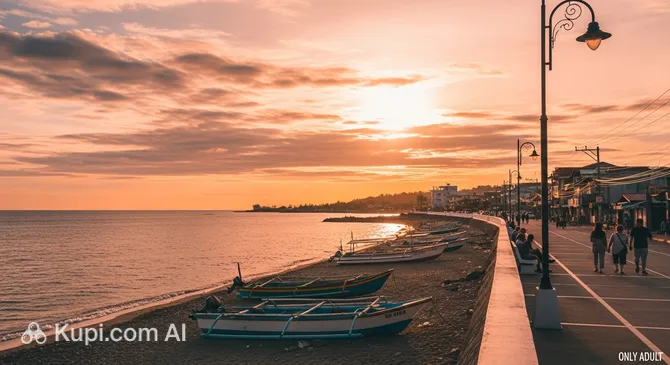
Tandag. Illustration.
Source: Kupi.com AI

The city has deep roots and is considered one of the oldest settlements in this part of the country. Tandag's history is fascinating and inextricably linked to the era of Spanish colonization and the Christianization of the region, as evidenced by ancient traditions and religious holidays. Every year, the Diwatahan Festival is celebrated here on a grand scale, filling the streets with music, dancing, and colorful costumes, attracting guests from all over the province.

Among the key places to visit is the Tandag City Boulevard. This is the perfect location for evening walks, offering magnificent views of the ocean and sunrises. The spiritual heart of the city is the San Nicolas de Tolentino Cathedral, which is impressive for its architecture and significance to the local community. Additionally, its proximity to Mabua Beach and other natural attractions makes the city an excellent base for beach lovers.

Tandag is a place where you can feel the true rhythm of Filipino life far from the crowded tourist trails. Be sure to include this city in your itinerary to enjoy fresh seafood, the sea breeze, and the sincere warmth of the locals.

Weather Overview

The climate of Tandag can be described as mild and tropical, with a very stable temperature regime throughout the year. Thanks to its proximity to the sea, there is no extreme heat or severe cold, making the city comfortable to visit in almost any season. The average air temperature varies slightly from 24.6°C in February to 26.7°C in August and September.

Travelers should be prepared for high humidity, as rainfall is a frequent and regular occurrence. The number of rainy days per month ranges from 24 in April to 30 in December; however, these are often refreshing tropical showers that quickly give way to sun. Expect consistently warm weather year-round with periodic rains that maintain the region's lush greenery.

The highest daytime temperatures are usually recorded from May to September, reaching 29°C. Nighttime figures rarely drop below 22°C, even in the "coolest" months at the start of the year. To choose the perfect time for a visit and be ready for nature's whims, we recommend checking what the weather in Tandag is like right now before you start packing.

Average monthly temperature

Average monthly precipitation

Interesting Facts

Beyond its main attractions, Tandag holds many fascinating secrets and stories that make it unique on the map of the Philippines. This city is not just an administrative center, but a place where legends of sunken ships intertwine with a rich historical heritage.

  • The Legend of the Name "Tamda". The origin of the city's name is shrouded in an amusing story of misunderstanding. Local legend says that when the first Spanish explorers asked a fisherman for the name of the area, he thought they were pointing to a school of fish in the water and replied "tamda," which in the local dialect means "to look down" or "to peep." Over time, this word transformed into the modern name Tandag.

  • The Mystery of the Sunken Galleon. A persistent legend among locals and divers suggests that a real Spanish galleon rests in the waters near the Linungao Islands. It is believed that the ship sank here during the colonial trade era when Tandag was an important port of call for vessels sailing along the southern coast of Mindanao.

  • Ancient Capital of Caraga. Tandag holds the status of one of the oldest settlements in the region. As early as 1650, it became the capital of the vast Caraga district, which covered the territories of present-day Agusan and both Surigao provinces. In those days, the city was protected by the powerful stone fort Real Fuerza de San Jose, the historical remains of which still excite the imagination of archaeologists.

  • Inhabitants of the Twin Islands. The famous Linungao Islands, connected to the city, are home not only to a shrine (the Grotto of Our Lady of Lourdes) but also to wildlife. The forests of these islands are inhabited by troops of long-tailed macaques and colonies of bats, which can sometimes be seen while walking along special paths.

How to Get There

When planning a trip to northeastern Mindanao, it is important to think about logistics in advance and find out how to get to Tandag. Since the city is not directly served by major international flights, most tourists choose to fly to neighboring provincial centers and then continue their journey by land along the scenic coastal roads.

The most popular and logical transit point is Butuan Airport (BXU). It is located in Butuan City and receives regular flights from Manila and Cebu. Although it is geographically closest to Tandag (about 77 km in a straight line), keep in mind that the road follows winding routes. A bus or minivan trip from here will take several hours but will allow you to enjoy views of the local nature.

An alternative option is Surigao Airport (SUG). It is located in Surigao City, a bit over 100 km from Tandag in a straight line. Passenger traffic here is more modest; however, for some travelers, this route may be more convenient in terms of flight times or ticket costs. The journey from here to Tandag also requires a long land transfer.

Special mention goes to Sayak (Siargao) Airport (IAO). Looking at the map, it might seem very close—only 85 km away. However, this is a deceptive impression: the airport is located on an island. Logistics through Siargao involve a complex and long route, including not only a land transfer but also a ferry crossing, which depends on schedules and weather. This option should only be chosen if you are planning a multi-destination tour including the famous surfing island.

Below is information on the nearest airports (distance is indicated in a straight line; the actual road journey will be longer):

AirportPassenger trafficDistance
Butuan Airport450 00077 km
Sayak Airport (Siargao)529 82285 km
Surigao Airport37 583104 km
Mambajao64 000160 km
Laguindingan International Airport2 mln195 km

There is no railway service in this part of the Philippines. The primary way to travel between cities remains intercity buses and private minivans that ply the coastal highways, connecting Tandag with the region's major transport hubs.

Main Attractions

As the historical and cultural heart of the province, Tandag offers travelers not so much polished tourist attractions as soulful and natural spots filled with local color. Here, you can touch history, enjoy seascapes, and find peace in sacred places.

One of the most recognizable landmarks is the Linungao Islands. These two islands, large and small, are connected to the mainland part of the city and create a unique landscape. The main point of attraction here is the Grotto of Our Lady of Lourdes. By climbing the steps to the shrine, you will find yourself in a place of spiritual power and can enjoy a breathtaking panoramic view of the city and the ocean. Moreover, the islands are known for their wildlife: monkeys and bats inhabit the local forests, and sightings often delight tourists.

For evening relaxation, Tandag City Boulevard is ideal. This lively waterfront is a favorite gathering spot for locals and visitors alike. People come here to catch the sunset, breathe in the fresh sea breeze, and sample street food from numerous stalls. A stroll along the boulevard is the best way to feel the city's true rhythm while watching fishing boats and enjoying the simple yet cozy atmosphere.

History and architecture enthusiasts should visit the San Nicolas de Tolentino Cathedral. It is not just the city's main Catholic church but also a symbol of its resilience. The parish's history dates back to the early 17th century when Tandag was an important Spanish outpost. Although the current building has undergone changes and renovations, it remains a majestic reminder of the region's rich past and a center for religious festivities, especially during the September festival honoring its patron saint.

If you are looking for a beach within the city limits, head to Mabua Beach. Unlike the white-sand beaches of neighboring islands, the shore here is covered with fine dark sand, giving it a special charm. It is a popular spot for picnics and swimming, offering a picturesque view of Mancagangi Island. The beach is valued for its accessibility and calm atmosphere, making it perfect for a family holiday.

Local Cuisine

Tandag's culinary scene is a real treat for seafood lovers. Thanks to the city's location on the shores of the Pacific Ocean, the local menu is based on the freshest fish, crabs, shrimp, and shellfish, which often reach the table just a few hours after being caught. The natural flavor of the products is highly valued here, so the most popular cooking method remains "sinugba"—charcoal grilling, which gives the dishes a unique smoky aroma.

The region's main culinary hit, which is a must-try, is Kinilaw. This is the Filipino version of ceviche: pieces of raw fish (usually tuna or mackerel) are marinated in vinegar with calamansi, ginger, onions, and chili peppers. In Tandag, coconut milk is sometimes added to kinilaw, making the taste smoother and creamier. For dessert, look for the local delicacy of the Surigao del Sur province—Sayongsong. This is a soft, purple-colored rice cake made from glutinous rice, coconut milk, and sugar, carefully wrapped in banana leaves.

Among the drinks, the king of the table is fresh buko juice (coconut juice), which is perfect for quenching thirst in the tropical heat. If you want to get acquainted with the local alcohol culture, ask for Tuba—traditional coconut wine. Locals often gather in the evenings to enjoy a glass of this drink, which can range from sweet to tart depending on the fermentation period.

The dining culture in Tandag is very casual and lacks pretension. There aren't many expensive restaurants, but cozy carinderias—small eateries with home-cooked food where the locals themselves dine—are widespread. In the evening, the city boulevard becomes the epicenter of gastronomic life. Numerous street food stalls open along the waterfront, offering chicken and pork barbecue (isaw), as well as fried bananas on skewers. It's the best place for an affordable dinner while enjoying the sea breeze and the city's lively atmosphere.

Travel Tips

A trip to Tandag promises to be filled with authentic experiences and provincial tranquility. To make your stay as comfortable as possible and free of surprises, we've prepared a list of useful recommendations to help you feel confident in the capital of Surigao del Sur.

  1. Clothing and Gear. Given the tropical climate, prioritize light clothing made from natural fabrics (cotton, linen). Be sure to bring a raincoat or umbrella—rain can start suddenly here even on a sunny day. Modest clothing covering the shoulders and knees is required for visiting the San Nicolas de Tolentino Cathedral. Comfortable, non-slip shoes will also come in handy if you plan to climb the steps to the Grotto of Our Lady of Lourdes.
  2. Transport Nuances. There are no taxis in the traditional sense (cars) in Tandag. The main way to get around is tricycles (motorcycles with sidecars). For short distances around the center, this is the most convenient option. If you need to reach outlying areas, look for a "habal-habal" (moto-taxi). Important: always agree on the price of the trip before boarding to avoid misunderstandings.
  3. Finances and Cash. The currency is the Philippine peso. Cards are rarely accepted, mostly only in large hotels or chain stores. There are ATMs in the city (for example, near the central plaza), but they might not work or might not accept some foreign cards. We strongly recommend having a sufficient supply of cash, preferably in small bills for fares and market food.
  4. Health and Hygiene. There are pharmacies (such as Mercury Drug) in the city center, but few are open 24 hours. Pack a basic first-aid kit, and be sure to include a high-quality mosquito repellent (dengue fever is a risk in the tropics). Drink exclusively bottled water, and avoid ice in drinks at street cafes unless you are sure of its source.
  5. Connection and Internet. Wi-Fi in hotels can be slow or unstable. The best solution is to buy a local SIM card (Globe or Smart) immediately upon arrival in the Philippines or at mobile shops in central Tandag. 4G mobile internet in the city is quite reliable for using maps and messaging. English is understood by almost everyone, but a few words in the local dialect (e.g., "Salamat" — thank you) will bring a smile to locals' faces.
  6. Local Etiquette. Filipinos are very friendly and quick to smile. Returning a smile is a common courtesy. When interacting with elderly people, show marked respect. Try to behave discreetly in public; loud talking or shouting is not common.
  7. What to Avoid. Never raise your voice or show open aggression in public, even if a problem arises. In the local culture, "losing face" is a serious incident, and shouting will achieve nothing but alienation. Also, strictly avoid littering on the streets and beaches—there is a deep respect for environmental cleanliness in Tandag.
  8. Life Hack: Early Start. Life in the province begins very early. If you want to buy the freshest fruit or seafood (especially the famous tuna), head to the public market at dawn, around 5-6 AM. Furthermore, this is the best time for a stroll along the boulevard before the sun gets too hot.

Tandag is a city that reveals itself to those ready to slow down and embrace its steady rhythm. By following these simple tips, you can avoid everyday inconveniences and fully focus on the beauty of nature, the taste of local cuisine, and the warmth of Filipino hospitality.

Entertainment & Nightlife

Nightlife in Tandag, as in many provincial capitals of the Philippines, lacks big-city pretension and noise. You won't find neon signs of massive nightclubs or raves that last until morning. Instead, the city offers a cozy, relaxed atmosphere where evening leisure is inextricably linked to the sea, music, and heartfelt conversations. The main rule of local relaxation is "simplicity and sincerity": shorts, flip-flops, cold beer, and good company.

The epicenter of evening activity is Tandag City Boulevard. As dusk falls, this waterfront transforms: lamps are lit, numerous street food stalls open, and the air is filled with the aroma of barbecue. This is the perfect place for Filipino-style "bar hopping": you can move from one open stall to another, trying local "isaw" skewers and enjoying the sea breeze. Locals come here with families and groups of friends to sit on plastic chairs by the water, discuss the news, and listen to the sound of the ocean.

For those seeking a more classic format with a roof over their head and a menu, there are several popular establishments in the city. Gold Bar & Restaurant is a favorite—a place with a cozy atmosphere located near the boulevard. Here, you can not only have a delicious seafood dinner but also enjoy a couple of cocktails or local Red Horse beer to unobtrusive music. If you prefer a quieter setting, it's worth checking out Oceana at the Villa Maria Luisa Hotel. This establishment offers a more secluded experience, excellent service, and sea views, making it suitable for a romantic dinner.

An integral part of the Filipino night is videoke (karaoke). In Tandag, singing is almost a sport. Many small bars and even cottages on Mabua Beach are equipped with karaoke machines. Don't be shy to join in: no one here will judge you for a lack of musical ear; the passion of the performance is what matters. Often, such parties last late into the night, bringing together complete strangers.

Practical tips for evening outings:

  • Safety: Tandag is a very safe city. Walking along the boulevard and in the center is comfortable even alone. However, as with anywhere, it's best to avoid unlit alleys on the outskirts.
  • Transport: The main mode of transport is tricycles. Keep in mind that their numbers drop sharply after 9:00 PM - 10:00 PM, and drivers may ask for a double fare ("special trip"). It's better to arrange a pickup with a driver in advance or have the number of a local moto-taxi handy.
  • Dress code: Extremely casual. Most bars and restaurants have no strict rules; beach style is perfectly appropriate.
  • Money: Cards are rarely accepted. Always carry cash in small denominations.

If you want to vary your leisure time during the day, Tandag offers several interesting options besides the beaches. You can climb to the Grotto of Our Lady of Lourdes for meditation and panoramic photos or walk around the Provincial Sports Complex, where locals engage in jogging and Zumba classes in the evenings. This is a great way to see the city's everyday life from the inside.

Parks & Museums

While Tandag is not overloaded with classic museum halls, its cultural and natural heritage is organically woven into the urban environment. For travelers exploring the Philippines, this city becomes a kind of open-air museum where historical monuments stand alongside lush green zones, and traditions come to life right on the streets rather than behind glass display cases.

The heart of the city's social life is the Tandag City Plaza, located directly across from the San Nicolas de Tolentino Cathedral. This is a classic public space, nestled among the greenery of centuries-old trees that provide saving shade on hot days. For tourists, it's a great place to rest after excursions while observing the steady pace of provincial life: children playing, students studying, and elderly people discussing the news. Cultural events and small open-air concerts are often held in the center of the plaza.

Nature lovers should check out the Linungao Islands Eco-Park. Although this place is better known as a religious shrine (the Grotto of Our Lady of Lourdes), the surrounding area is a magnificent nature reserve. There are walking paths surrounded by thick tropical forest and mangroves. A walk here is an opportunity to see endemic plant species and observe wild monkeys in their natural habitat without traveling far from the city center.

In terms of cultural and historical sites, the Surigao del Sur Provincial Capitol complex is a dominant feature. This impressive architectural structure, located on a hill, symbolizes the region's administrative power. The spacious grounds around the Capitol are well-maintained and often decorated for holidays, making it a popular spot for photo sessions. The building itself is interesting for its design, combining modern and traditional elements, and serves as the backdrop for many of the province's official celebrations.

One cannot fail to mention the historical significance of the San Nicolas de Tolentino Cathedral. Even if you are not religious, this building deserves attention as a monument to the resilience of the local culture. The cathedral's architecture, though updated, preserves the spirit of past centuries, and inside you can find elements that tell the long history of Mindanao's Christianization. It is a key point for understanding how the identity of Tandag's residents was formed.

Insider tip: If you want to see an "unpolished" yet very picturesque side of Tandag, head to the mouth of the Tandag River at sunset. Where the river meets the ocean, there are no developed parks, but it offers a stunning view of fishing boats returning home and the silhouettes of mountains on the horizon—a sight worthy of any art gallery.

Getting Around

Tandag's transport system is simple, straightforward, and perfectly reflects the steady pace of life in the Philippine provinces. You won't find a metro, trams, or large city buses here. Public transport is represented by colorful local means of movement, which can be an interesting experience for a tourist in themselves. The city is compact, so getting around doesn't take much time and is very inexpensive.

The main and most popular mode of transport is tricycles—motorcycles with a covered sidecar for passengers. They function as city taxis and ply all the streets of the center and residential areas. Tricycles offer two types of service: "regular," where the driver picks up other passengers along the way, and "special," where you rent the entire vehicle for a trip to a specific point without stops. For tourists with luggage, the second option is preferable.

For trips to neighboring villages or outlying areas of the city, jeepneys and multicabs are used. These are extended versions of jeeps or micro-buses that run on fixed routes. They don't have a strict schedule; they depart once the cabin is full. This is the most budget-friendly way to travel, allowing you to feel the local flavor, though they can be cramped and hot during peak hours. Stops are made at the request of passengers—simply tap a coin on the handrail or say loudly, "Para po" (stop, please).

If you plan to visit natural attractions outside the city limits where tricycles don't go (such as waterfalls in the mountains), you will need a habal-habal. These are moto-taxis whose drivers specialize in trips along difficult dirt roads and steep inclines. You can find them at makeshift stands at intersections or near the city market. This is the only way to reach hard-to-access locations without renting a private car.

The payment system in Tandag is exclusively cash-based. Transport cards, mobile apps, or contactless payments do not work here. Payment is made directly to the driver at the end of the trip (in tricycles) or passed through a chain of passengers (in jeepneys). Prices are fixed for locals, but tourists should clarify the fare before boarding. Always carry small bills (20, 50, 100 pesos) and coins, as drivers often don't have change for large banknotes.

Standard taxi services (cars) or apps like Grab/Uber are not available in Tandag. Self-drive car rentals are also uncommon; usually, a car can only be rented with a driver through arrangements with locals or a hotel. However, the city center is compact enough for walking, especially around the boulevard and the cathedral.

Tourists should keep in mind that public transport in the province finishes early. After 8:00 PM – 9:00 PM, the number of tricycles on the streets drops sharply, and catching a ride becomes more difficult. If you're planning a late dinner, arrange with a driver in advance to pick you up at a set time or ask restaurant staff to help call for transport.

Accommodation

Accommodation options in Tandag perfectly match its status as a quiet administrative center. You won't find major international hotel chains or luxury five-star resorts here. The bulk of the accommodation consists of budget mini-hotels, cozy pension houses, and mid-range hotels catering to business travelers and local tourists. Most options offer clean rooms with basic amenities, air conditioning, and sincere Filipino hospitality.

When choosing a location, consider the purpose of your visit. If proximity to transport, the market, and the cathedral is important, choose hotels in the city center (Poblacion). This will allow you to be in the heart of things and easily reach any point by tricycle. For those who prefer the sound of the surf and a more relaxed atmosphere, accommodation near Mabua Beach is ideal. Here, you can stay in small beach houses or local resorts to watch sunrises overlooking the ocean.

Places like Hotel Villa Maria Luisa or Shacene Pension House have a good reputation among travelers. They offer an optimal price-quality ratio, on-site restaurants, and consistent service. Such establishments often become centers of social life, hosting local events and weddings.

The price range in Tandag is quite affordable, ranging from budget to mid-range. As for booking, there are some nuances. Many small pension houses and lodges are not listed on major international aggregator sites (such as Booking or Agoda). The most reliable way to book a room in such places is to find their official social media page and write directly or call.

Planning tip: While finding accommodation isn't usually a problem, the situation changes drastically during the Diwatahan Festival (January) and the city's patron saint's feast (September). During these periods, the city fills with guests from all over the province, so it is necessary to book accommodation in advance, preferably several weeks before the trip.

Nearby Cities

For those who want to explore the surroundings, Tandag serves as an excellent starting point for day trips to several interesting nearby locations. The city's location makes it easy to reach both mountainous areas and unique marine sanctuaries in the province.

Of particular note is Socorro, which is the gateway to the famous Bucas Grande Islands. This destination is popular for Sohoton Cove, where you can swim with stingless jellyfish and explore karst caves. For a refreshing break, visit Barobo, known for its crystal-clear Bogac Cold Spring and island-hopping opportunities. The closest neighbor, San Miguel, offers a quieter atmosphere and picturesque views of the agricultural lands in the island's interior.

CityPopulationDistance
Tago39 83116 km
Bayabas8 97917 km
Lanuza13 64217 km
San Miguel172 07327 km
Cagwait21 74728 km

These nearby destinations provide an insight into the region's diverse culture and landscapes, making a trip through Surigao del Sur even more rewarding and memorable.

Shopping & Souvenirs

Shopping in Tandag can hardly be called the main goal of a trip, as the city does not claim to be a fashion capital. You won't find huge shopping and entertainment complexes with luxury brands typical of Manila or Cebu here. However, for travelers wanting to buy essentials, restock provisions, or purchase authentic local goods, the city offers quite comfortable conditions. Trade here is organized simply and heartily, reflecting the steady pace of life in Surigao del Sur.

The center of modern retail in the city is Gaisano Capital Tandag. This is the main and, essentially, only large shopping mall in the traditional sense. It houses a large supermarket with a wide range of products, a household goods department, and a department store with clothing and footwear. For tourists, it's an "island of civilization" where you can buy forgotten toiletries, beachwear, electronics, or just hide from the midday heat in the air conditioning.

If you want to experience true local color, head to the Tandag City Public Market. This is the heart of the city's commercial life, always noisy and crowded. The market is divided into sections: a "wet" area with the freshest seafood, vegetable rows with tropical fruits, and a manufactured goods area. You can also find ukay-ukay shops (second-hand stores) here, which are very popular in the Philippines: with enough patience, you can find quality branded items for pennies.

As for souvenirs from Tandag, gastronomic gifts are the most common choice. Be sure to look out for dried fish (buwad) and squid—the region is famous for its seafood, and the market sells them in convenient vacuum packaging. Local rice and coconut sweets are also popular. If you're lucky, you can find crafts from local artisans, such as woven bags or mats made from natural fibers, sold in small shops around the market square.

When planning your shopping, keep in mind that most shops open early, around 8:00 AM, and close by 7:00 PM – 8:00 PM. The Gaisano shopping center stays open slightly longer. Regarding payment, Tandag is very much a cash-only territory. Credit cards are only accepted in the large shopping mall and some pharmacies. At the market, in souvenir shops, and small stores, you can only pay in Philippine pesos, so always keep a supply of small bills.

The Tax Free system is practically non-existent in Tandag. Local shops do not participate in international VAT refund programs, as they are primarily oriented toward the domestic market. If you are planning major purchases with the aim of a tax refund, it's better to postpone them until you visit large malls in the capital or international airports before your flight.

Reached the end of the page?

That means the route is fully explored