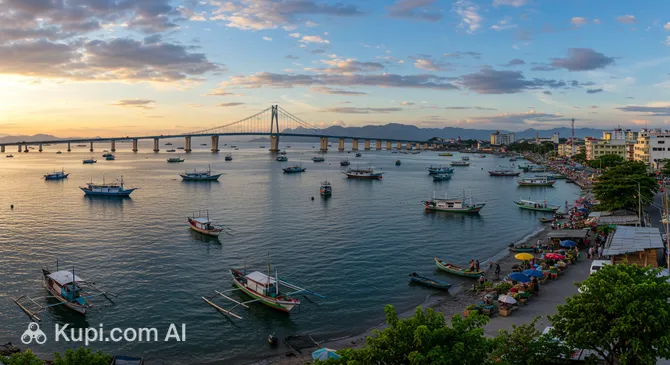
Dagupan, a bustling city in Pangasinan province, offers its guests not only a dynamic urban life but also pleasant corners for outdoor relaxation and places to touch upon its rich history and culture. Here you will find both picturesque zones for relaxation and interesting sites telling stories of the city's past and present.
One of the main places for relaxation and enjoying nature in Dagupan is Tondaligan Blue Beach. This is a popular spot among both locals and tourists, known for its long shoreline with characteristic grayish sand. Here you can swim, sunbathe, have a picnic, or simply stroll while enjoying the sea breeze and views of the Lingayen Gulf. The beach often becomes a center for various events and water activities, offering a relaxed stay by the water.
The heart of the city's social life and an important green space is Dagupan City Plaza (Plaza Rizal). This is not just a square, but a historically significant site where city festivals, concerts, and meetings are often held. A monument to Jose Rizal, the national hero of the Philippines, is usually installed in the plaza. It is a great place to relax in the shade of trees, observe the daily life of citizens, and feel the atmosphere of Dagupan.
For those seeking tranquility and interested in symbolic places, the Japanese-Philippine Garden of Peace is worth a visit. This garden was created in memory of historical events and symbolizes friendship between nations. It is a quiet and beautifully designed space with elements of Japanese landscape design, ideal for calm walks and reflection away from the city hustle.
A key location for immersing yourself in the city's history and culture is the Dagupan Museum (Museo na Dagupan). It is often housed in a historically significant building, such as the old city hall, and its exhibits tell of the region's past, city development, local traditions, art, and prominent figures who contributed to its history. Visiting the museum is a great way to better understand the identity of Dagupan and its residents. The city's cultural life is also enriched by various festivals and events where you can see the works of local craftsmen and artists.
In addition to specialized cultural institutions, Dagupan's architectural and historical heritage is represented by significant structures such as the Cathedral of St. John the Evangelist. This old cathedral is not only an important religious center but also an impressive example of colonial church architecture, playing a vital role in community life. The building itself, which may house the Dagupan Museum, often possesses historical value.
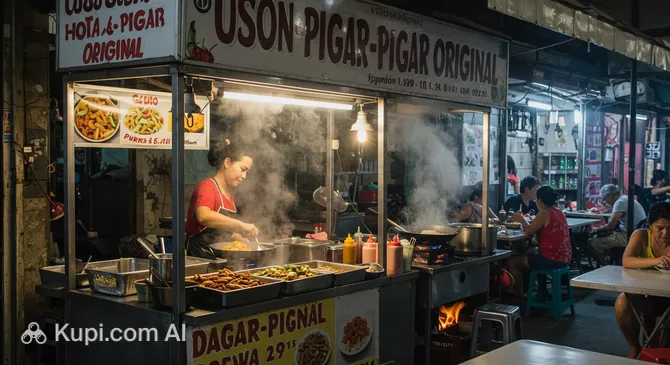
For a more authentic experience and to get acquainted with the local color, take a walk along the Pantal River, where you can see the daily life of fishing communities and enjoy river landscapes. It's also worth visiting the lively local markets—this is the best way to try the fresh seafood that Dagupan is famous for, and the renowned local dish "pigar-pigar."