Mandaue is a dynamic and energetic city located in the heart of the Philippines on the island of Cebu. Known as the industrial and commercial capital of the region, it harmoniously combines the spirit of a modern metropolis with a deep cultural heritage. Part of Metro Cebu, the city serves as a key economic hub and is often referred to as the "Furniture Capital of the Philippines" due to the outstanding craftsmanship of its local artisans.
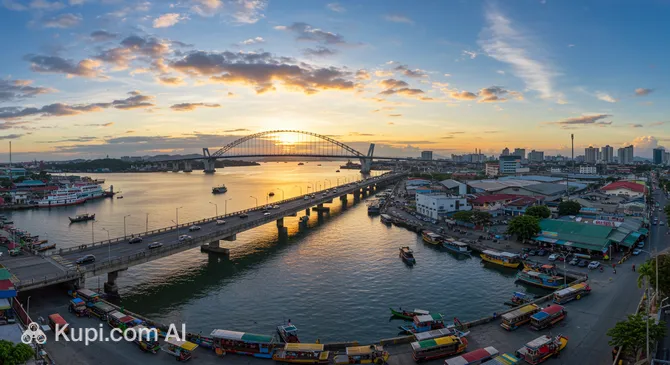
Mandaue. Illustration.
Source: Kupi.com AI
Geographically, Mandaue occupies a strategic position on the island's eastern coast, connected to the neighboring Mactan Island by two majestic bridges. With a population of about 364,000, the city is a bustling hive where modern shopping malls stand alongside historical buildings and manufacturing districts. While the city is primarily business-oriented, its unique atmosphere of industriousness and hospitality attracts travelers seeking an authentic Philippine experience.
The rich history of Mandaue dates back to the pre-colonial era when it served as an important trading post. Today, tourists should take note of the National Shrine of Saint Joseph and the City Hall (Presidencia), which reflects the architectural style of the early 20th century. Visiting this city is an excellent opportunity to see the "real" Philippines, while being just a stone's throw away from the main resort areas of Cebu Island.
Weather Overview
A typical tropical monsoon climate prevails in Mandaue, characterized by high humidity and stable warm temperatures throughout the year. Average temperatures usually range from +25°C to +32°C. There is no traditional change of four seasons; instead, there is a dry period and a rainy season.
The most favorable time to visit is from January to May, when rainfall is at its lowest and the sun pleases vacationers almost every day. The wet season begins in June and lasts until December. During this time, expect short but very intense downpours, which often occur in the afternoon or at night. You can find out more about the current situation and changes in the section dedicated to weather in Mandaue.
The city's high level of urbanization combined with industrial activity creates an "urban heat island" effect in the center, so the humidity may feel more intense here than on the coast. Travelers are advised to always carry water and use sunscreen, as the tropical sun remains very active even in cloudy weather.
Average monthly temperature
Average monthly precipitation
Interesting Facts
Mandaue is officially recognized as the "Furniture Capital of the Philippines": high-end local products are exported worldwide, decorating luxury mansions and hotels.
The first mention of this settlement dates back to Ferdinand Magellan's expedition records in 1521 under the name Mandawe.
The city is home to one of the country's largest breweries—the San Miguel plant, which supplies fresh beverages to the entire Visayas region.
Mandaue is connected to Mactan Island by two bridges, one of which—the Marcelo Fernan Bridge—is one of the longest cable-stayed bridges in the Philippines.
The city holds a unique "highly urbanized" status, giving it full administrative independence from the province of Cebu.
How to Get There
Mandaue is a key transport hub for Cebu Island, making it easily accessible for travelers from anywhere in the world. The primary "gateway" to the city is the international airport on the neighboring Mactan Island, while its convenient location at the intersection of major roads ensures excellent connectivity with other parts of the province. To plan your route in advance, you can find detailed information on how to get to Mandaue.
Mactan-Cebu International Airport (IATA: CEB) is located just a few kilometers from the city. It is one of Asia's best airports, receiving flights from Singapore, Hong Kong, Tokyo, and other major hubs. The trip from the terminal to central Mandaue by taxi or via the Grab app takes 15 to 30 minutes, though during peak hours, traffic on the bridges can increase this time to an hour.
Regarding rail travel, there is currently no active passenger train network on Cebu Island. Most transportation relies on road vehicles. Intercity buses connect the city with the northern and southern regions of the island. Travelers can also use ferries arriving at the port of neighboring Cebu City, from where Mandaue can be reached by taxi in just 15–20 minutes.
Main Attractions
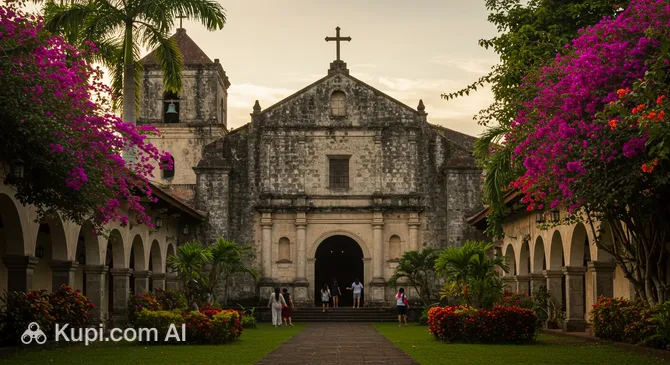
Despite its industrial status, Mandaue offers several iconic landmarks that reveal its spiritual and cultural side. One of the main magnets for pilgrims and architecture enthusiasts is the National Shrine of Saint Joseph. It is one of the oldest churches in the region and serves as the center of grand annual celebrations in honor of the city's patron saint.
The Carmelite Monastery deserves special attention. A place of peace and serenity hidden amidst the urban noise, it attracts visitors with its austere beauty and opportunities for spiritual retreat. The monastery plays an important role in the religious life of locals, and a visit leaves a deep impression thanks to its special atmosphere of tranquility.
Carmelite Monastery. Illustration.
Source: Kupi.com AI
Traveler photos:
For those seeking outdoor relaxation, D' Family Park is an excellent option. This green space within the urban landscape is very popular with local families. Here you can stroll in the shade of trees, have a picnic, or simply observe the unhurried life of the city dwellers. The Marcelo Fernan Bridge is also worth seeing—a modern symbol of the city offering impressive panoramic views of the channel and Mactan Island.
Local Cuisine
A gastronomic journey through Mandaue is unimaginable without tasting the famous dishes of Cebu province. The top favorite remains Lechon—a spit-roasted suckling pig with crispy skin and tender meat seasoned with local herbs. Be sure to visit the Lechon Restaurant (across SM Cebu) to try one of the best versions of this legendary dish.
For those interested in local Asian fusion, Barangay Seoul Express is an interesting choice, where Korean culinary traditions meet Filipino flair. Street food also plays a huge role: at markets and food courts, you must try Kinilaw (raw fish marinated in vinegar), Isaw skewers, and the famous Halo-halo dessert—a mix of shaved ice, fruits, jelly, and purple yam ice cream.
The food culture in the city is diverse: from casual "carinderias" to fine dining restaurants in shopping malls. For drinks, locals prefer fresh coconut or mango juices, as well as products from the local San Miguel brewery. In the evenings, open-air food parks are popular, where you can enjoy a variety of dishes for every taste to the sound of live music.
Travel Tips
Visiting Mandaue will be a bright and comfortable adventure if you prepare for the specifics of the local rhythm of life in advance. Here are some practical tips from experienced travelers to help you feel at home:
Clothing and Essentials: Choose light clothing made of natural fabrics, as the city is almost always hot and humid. Don't forget comfortable shoes for walking through malls and an umbrella in case of a sudden tropical downpour. When visiting shrines like the St. Joseph Church, try to cover your shoulders and knees.
Transport: For moving around the city, it is best to use the Grab app. It is safer and more convenient than hailing a taxi on the street. Jeepneys are a great experience, but they can get very stuffy in traffic jams.
Finances: The main currency is the Philippine Peso (PHP). Large shopping centers and hotels accept cards, but always keep cash for markets, tricycles, and small cafes. ATMs are common but may charge a withdrawal fee.
Health and Safety: Drink only bottled water. Pharmacies, which are numerous in the city (such as the Mercury Drug chain), carry all necessary medications. In crowded places, keep an eye on your bags to avoid being a victim of petty pickpockets.
Communication: The primary language is Cebuano, but almost all residents speak English excellently. Buy a local SIM card (Globe or Smart) right at the airport for access to maps and translators.
Local Etiquette: Filipinos are very friendly. A smile and a polite "Salamat" (thank you) will open many doors. Respect elders and be patient in queues.
What to Avoid: Don't plan important meetings or airport trips with tight timing—traffic in Mandaue is unpredictable. Avoid walking in poorly lit industrial areas late at night.
Weather: Follow the forecasts, especially during the typhoon season (June to December). Heavy rains can lead to localized road flooding.
By following these simple recommendations, you can fully immerse yourself in the atmosphere of this amazing industrial hub and enjoy the hospitality of its people. Have a great trip!
Entertainment & Nightlife
Evening and nightlife in Mandaue is mainly concentrated in the commercial districts and large shopping complexes. While the city does not claim to be the country's main party destination, there are enough venues to have a great time. Modern bars and restaurants where you can listen to live music or dance are quite popular.
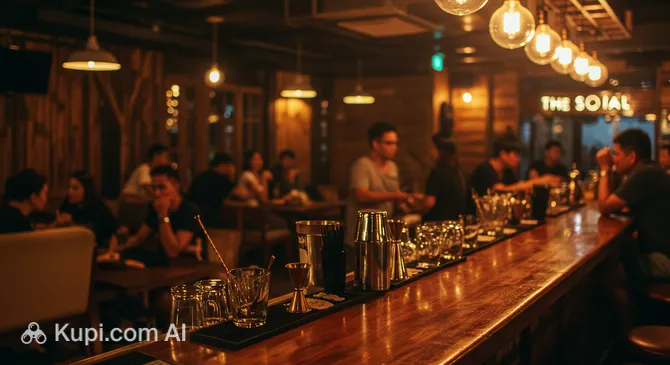
One of the city's trendiest spots is The Social. This venue attracts a young and active crowd with its stylish interior, excellent selection of cocktails, and relaxed atmosphere. If you are looking for a place with high energy, it is worth checking out Pipeline IT Park—a popular bar hub where life stays vibrant until late at night. Local residents and expats often gather here to enjoy socializing with friends.
The Social. Illustration.
Source: Kupi.com AI
Traveler photos:
For family leisure during the day, entertainment zones in shopping malls like SM J Mall are perfect, offering modern cinemas and play areas. Active recreation enthusiasts should look into Skywaterpark Cebu, a rooftop water park that offers a unique swimming experience with views of the cityscape.
Parks & Museums
Although Mandaue is primarily an industrial center, it has its own green corners and cultural attractions. The main oasis for city residents is D' Family Park. This cozy space, surrounded by lush vegetation, allows you to escape the urban noise, play sports, or spend time with loved ones in the fresh air.
While the city lacks large classical museums, historical buildings serve as cultural centers. For example, the Mandaue Presidencia—the city hall built in a neoclassical style—is an architectural monument and a witness to many historical events. Another important cultural site is the Carmelite Monastery, which, despite being an active religious institution, attracts those who appreciate peace and austere sacred architecture.
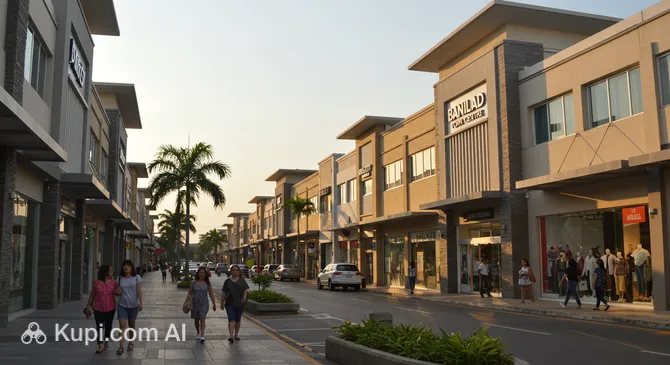
Banilad Town Centre. Illustration.
Source: Kupi.com AI
Traveler photos:
For those seeking more modern leisure options surrounded by greenery, it is worth visiting the open spaces of shopping centers like the Banilad Town Centre. Here, landscape design and open terraces create a pleasant atmosphere for strolling. Generally, tourists often head to neighboring Cebu City for large-scale museum exhibits, but it is Mandaue that offers a chance to see the living, unembellished history of the region's industrial development.
Getting Around
The transport system in Mandaue is a lively and somewhat chaotic mechanism typical of a large Philippine city. The backbone of public transport consists of the legendary jeepneys—brightly painted minibuses running on fixed routes through all 27 districts (barangays). This is the cheapest and most colorful way to get around, though it may require some skill for a newcomer.
For shorter trips within neighborhoods, locals use tricycles (motorcycles with sidecars). If you value comfort, the best choice is calling a taxi through the Grab mobile app. This will save you from having to haggle and ensure an air-conditioned ride, which is important in the tropical heat. It is worth noting that during peak hours—7 to 9 AM and 5 to 8 PM—the city roads are heavily congested, and travel can take two to three times longer.
Fare for jeepneys and tricycles is typically paid in cash, so always have small coins and bills on hand. There is no metro or tram system in the city, so all life is concentrated on the highways. Pedestrian zones are limited, so tourists most often choose motor transport to move between attractions or shopping centers. If you plan a trip to the north of the island, use the buses that regularly depart from the North Bus Terminal.
Accommodation
The hotel sector in Mandaue caters to a wide range of travelers—from business tourists to those using the city as a convenient base for exploring the surroundings. The city center is dominated by modern mid-range and business hotels offering quality service at affordable prices. While luxury beach resorts are located on neighboring Mactan, within Mandaue itself, you can find excellent options with panoramic rooftop pools.
The most popular areas for accommodation are the vicinities of major shopping malls, such as SM J Mall, or zones near the bridges leading to the airport. This ensures quick transport accessibility and proximity to restaurants. For long-term stays, expats and digital nomads often choose apartments in new condominiums, which can be booked through popular online services.
During peak tourist seasons (for example, during the Sinulog Festival in January or at Easter), accommodation in the city and neighboring Cebu City gets booked up instantly, so it is recommended to book rooms at least 2–3 months in advance. The price range here is quite affordable compared to Manila, and the level of hospitality remains traditionally high.
Nearby Cities
Thanks to its location in the center of the metropolitan area, Mandaue serves as an ideal starting point for exploring the most interesting places in central Philippines. In literally half an hour, you can find yourself in a completely different atmosphere—from historical colonial districts to white sandy beaches with crystal-clear water.
Just a few kilometers away is Cebu City—the oldest city in the country and a major cultural center. Here, you should see Magellan's Cross and the historic Fort San Pedro. In the opposite direction, across the channel, lies Lapu-Lapu City on Mactan Island, known for its luxury seaside resorts and the monument to Chieftain Lapu-Lapu. If you crave a quieter, more provincial atmosphere, you can head north to Consolacion or south to Talisay.
Exploring the city's surroundings will provide many vivid impressions. Whether it's a trip to Santo Nino to visit local shrines or a boat trip to remote islands, everyone will find something to their liking. The well-developed network of taxis and public transport makes it easy to plan such day trips without any hassle.
Shopping & Souvenirs
Shopping is one of Mandaue's strongest points, attracting residents from all over the island. The city is famous for its furniture showrooms, where you can find unique handcrafted rattan and wood items. For tourists, this is a great opportunity to purchase high-quality interior pieces or small artisanal souvenirs reflecting the city's status as the furniture capital.
The main destination for shopping and leisure is SM J Mall, which features a wide selection of international and local brands. Another popular spot is the Banilad Town Centre—a cozy space with boutiques, coffee shops, and lifestyle stores. Here, shopping takes place in a quieter and more intimate setting than in giant mega-malls.
Banilad Town Centre. Illustration.
Source: Kupi.com AI
Traveler photos:
If you want to experience the local flavor, head to the city markets. There you can find fresh exotic fruits, fabrics, and traditional Filipino products. Popular souvenirs from Mandaue include woven items, shell accessories, and the famous dried mangoes. Shops usually operate from 10:00 to 21:00; cards are accepted in large malls, but you will definitely need cash in Philippine Pesos for the markets.