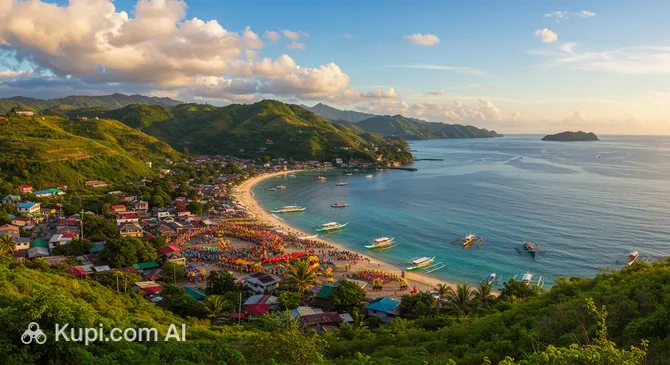
Marinduque harmoniously combines natural splendor with a rich cultural heritage, offering tourists not just a beach holiday but an opportunity to touch the history of the region. The island's green zones flow seamlessly into historical quarters, and museums carefully preserve traditions, making walks through local towns a fascinating journey through time.
Among the natural areas, the Malbog Sulfur Springs, located at the foot of Mount Malindig in the municipality of Buenavista, deserve special attention. This is not just a park but an open-air therapeutic resort. The water here is of volcanic origin, rich in sulfur, and considered healing for the skin. Tourists come here to relax in warm pools surrounded by tropical greenery, enjoying the peace and quiet of nature.
In the heart of the provincial capital lies Liwasan ng Boac Park. This is the central town plaza, surrounded by centuries-old trees and historical buildings. The park serves as the main meeting place for locals and a venue for cultural events. It's a pleasant place to take shelter from the midday heat while watching the steady life of the town, and in the evening, the square is beautifully lit, creating a cozy atmosphere for walks.
The island's main cultural treasure is the National Museum of Marinduque, located in Boac. The museum building itself is an attraction — it is a restored old Spanish structure that previously housed a prison and a school. The exhibition is dedicated to the province's rich history: you can see artifacts recovered from sunken galleons, traditional ceramics, and, of course, the famous masks of the Moriones Festival, which are a symbol of the island.
History buffs will find it interesting to visit the Battle of Pulang Lupa Marker. It is located in the mountains of Torrijos and is dedicated to a significant historical event from the struggle for independence. Besides the monument, this place attracts tourists with a stunning viewing platform: it offers a breathtaking panoramic view of the entire island and the surrounding sea, making the climb well worth the effort.
Marinduque's architectural character is also formed by its Ancestral Houses, many of which have been preserved in Boac and Gasan. Although these are private properties, many are open for external viewing and create an open-air museum effect, showcasing the "Bahay na Bato" (stone house) style typical of the colonial period in the Philippines.
For those seeking authentic experiences, we suggest stopping by the small private butterfly gardens scattered across the island. Marinduque is a major center for breeding these insects, and visiting such a farm allows you to see hundreds of bright tropical butterflies in their natural habitat, making it a great addition to your cultural program.