Support

Ishim

About

Ishim is a cozy and atmospheric city located in the south of the Tyumen Region, where merchant traditions and Siberian hospitality intertwine. While traveling through the vast expanse of Russia, it is worth stopping by to feel the steady rhythm of life and enjoy the architecture of past centuries. The city stands on the picturesque banks of the river of the same name, and its population is about 65,000 people, making it compact and convenient for walking.

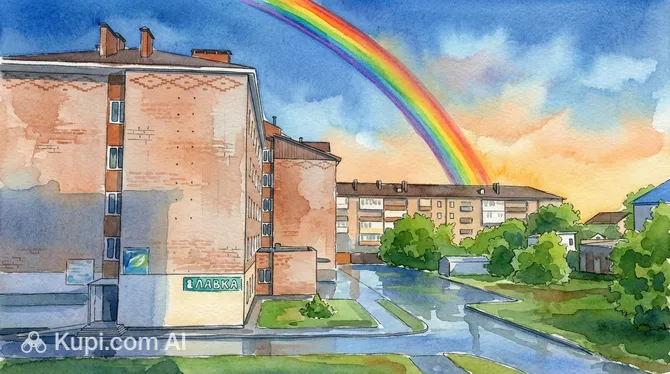
Ishim. Illustration.
Source: Kupi.com AI

The rich history of Ishim is inextricably linked with trade: it was once home to the famous Nikolskaya Fair, which was renowned throughout Siberia. Today, the city is proud of its status as a cultural center and the literary birthplace of Pyotr Ershov, the author of the famous fairy tale "The Humpbacked Horse." The memory of the storyteller is carefully preserved here, and his characters can be found in city sculptures and the names of cultural centers.

The city's appearance is graced by the majestic Epiphany Cathedral (Bogoyavlensky Sobor)—the first stone church in the Priishimye region—and well-preserved merchant mansions of the 19th century. A stroll through the historical center allows you to see unique examples of Siberian Baroque and wooden architecture. Ishim will be a wonderful discovery for tourists seeking authentic experiences and wanting to touch real Siberian antiquity far from noisy metropolises.

Weather Overview

Ishim's climate can be described as humid continental, which is typical for the south of Western Siberia. When planning a trip, it is important to consider seasonality, as the temperature difference between winter and summer here is quite significant. To choose the perfect time for a visit and see the current forecast, we recommend checking what the weather in Ishim is like now.

Winter in the city is long and frosty. The coldest month is traditionally January, with an average temperature of about -15.6°C, while night temperatures can drop to -19°C and below. Snow cover remains steady, creating classic Siberian landscapes. This time of year requires tourists to prepare carefully and wear warm clothing, especially for long outdoor walks.

Summer brings long-awaited warmth and is the most favorable period for tourism. The warmest month is July, when the air warms up to an average of +19.2°C, and daytime temperatures often exceed +24°C. The number of rainy days in summer varies from 10 to 12 per month, so an umbrella might come in handy, but overall the weather is conducive to viewing city architecture and relaxing by the river.

Transition seasons pass quite quickly here. Spring takes over in April, when temperatures cross zero into positive values, and by May it becomes summer-like and comfortable (average +12°C). Autumn begins in September with a gradual cooling, and by November the city prepares for winter again, meeting the first stable frosts.

Average monthly temperature

Average monthly precipitation

Interesting Facts

Beyond the well-known architectural monuments, Ishim hides many surprising details that form its unique character. Here are a few facts to help you look at this Siberian city from a new perspective:
  • The Feat of Praskovya Lupolova. The city's history has a touching chapter involving the daughter of an exiled officer. In the early 19th century, young Praskovya set out on foot from Ishim to Saint Petersburg to beg the Emperor for her father's pardon. Her story, full of hardship and courage, became known throughout Europe and inspired many writers of that time; a monument to the brave girl stands in Ishim.

  • The "Golden Crucian" on the Coat of Arms. The city's symbol—a golden crucian carp in a blue field—did not appear by chance. Ishim was famous for its rich lakes, and the local fish was so delicious and large that in winter, huge convoys were sent for sale to the country's major cities, including Moscow. It was the fish trade that became one of the foundations of the local economy's prosperity.

  • A Fair Phenomenon. In the 19th century, the winter Nikolskaya Fair in Ishim was the second largest in terms of trade turnover in all of Western Siberia. The scale of the event was amazing: at a time when the population of the city itself barely exceeded a few thousand people, up to 20,000–30,000 merchants and guests from all over Russia and neighboring countries flocked to the fair annually.

  • Siberian Baroque. Ishim is one of the few places where unique examples of this special architectural style have been preserved. The city's Epiphany Cathedral, the first stone church in the Priishimye region, was built in the "Siberian Baroque" style, characterized by complex facade plastic and the vertical upward focus common in the country's eastern regions.

How to Get There

When planning a trip to this Siberian city, it is worth thinking through the route in advance, as there are no direct flights here. The main flow of tourists arrives through major transport hubs in neighboring regions, combining a flight with ground transportation. You can learn more about how to get to Ishim by studying all available options, and below we will look at the most popular ones.

Since Ishim itself does not have its own airport, travelers usually choose to fly to the nearest regional centers. One of the most convenient options is Roshchino International Airport (IATA: TJM) in the city of Tyumen. This is a major aviation hub located approximately 281 km from Ishim. A trip from the airport to the city by taxi or bus will take roughly 7 hours and 20 minutes.

An alternative solution could be a flight to Omsk Airport (IATA: OMS), located in the city of Omsk, about 274 km from the destination. This is also a large airport with a high passenger flow. The journey by ground transport from here will take approximately 7 hours and 10 minutes.

For clarity, here is summary information on the main airports:

AirportPassenger trafficDistance
Petropavlovsk Airport253 000150 km
Remezov Airport68 000228 km
Kurgan Airport154 300263 km
Omsk Airport1.7 mln274 km
Roshchino2.6 mln281 km

Railway communication often proves to be a more direct and comfortable way to reach the city, as it has its own station. The city's main railway gateway is Ishim Station, which is located directly within the city limits, only 3.2 km from the center. This is a fairly busy station that receives trains traveling along the Trans-Siberian Railway, making it easy to get here without transfers from many parts of the country.

Below is information about the nearest railway stations:

StationPassenger trafficDistance
Ishim Railway Station400 0003 km
Maslyanskaya Station50 00047 km
Karasulskaya Station38 km
Golyshmanovo Station74 km
Nazyvayevskaya Station180 000133 km
Petropavlovsk Railway Station1.5 mln141 km
Bulaevo-1 Station50 000148 km

Main Attractions

Ishim is a true treasure trove for lovers of Russian provincial antiquity. The city has preserved the charm of a 19th-century merchant center, and a walk along its streets feels like a journey back in time. The main points of interest are related to the unique Siberian Baroque architecture and the literary heritage that locals are rightfully proud of.

Epiphany Cathedral is the undisputed landmark of the historical center and the city's main symbol. This majestic church, built in the second half of the 18th century, is considered a prime example of Siberian Baroque. Tourists are attracted by its complex, upward-reaching architecture and rich history: it was here in 1815 that the future famous storyteller Pyotr Ershov was baptized. The cathedral is beautifully restored and looks particularly impressive against the backdrop of the picturesque Ishim River embankment.

The P.P. Ershov Museum Complex is a must-visit, as Ishim is inextricably linked with the author of "The Humpbacked Horse." It is the only museum exhibition of its kind in the country, located in the historic building of a former girls' gymnasium. Here, you can not only learn about the writer's life but also immerse yourself in the atmosphere of Siberian life in past centuries. Interactive programs and a collection of editions of the famous fairy tale in different languages of the world are of particular interest.

St. Nicholas Church is another architectural masterpiece to include in your walking route. Built in the late 19th century, it is surrounded by a cozy church garden, which is one of the most beautiful and peaceful places in the city. The church is notable for preserving its historical interiors and was one of the few returned to believers in the 1940s, giving it a special atmosphere of spiritual serenity.

The Monument to Praskovya Lupolova, located in one of the central squares, immortalizes a real-life story that sounds like a legend. The monument is dedicated to a girl who, in the early 19th century, traveled on foot from Ishim to Saint Petersburg to petition the Emperor for her exiled father. The sculpture depicts Praskovya with a staff in her hand at the beginning of her long journey. This place touches tourists with its story of fortitude and daughterly love, which became famous far beyond the borders of Russia.

Local Cuisine

Ishim's gastronomic map is a reflection of the generous Siberian soul and the harsh climate that dictates its own rules for food. Local cuisine is based on hearty, warming dishes made from natural products. Traditions of the Russian feast are honored here, so portions in establishments are usually generous, and flavors are rich and home-style.

The main culinary symbol of the city is rightfully considered fish, as even the Ishim coat of arms depicts a golden crucian carp. You should definitely try crucian carp fried in sour cream. This dish is prepared with special care here: the fish is tender, with a crispy crust and a sweetish aftertaste characteristic of the region's lake fauna. Local restaurants and cafes also often serve fish soup (ukha) made from several types of fish and fish pies, which are perfect for a snack during a walk.

It is impossible to imagine a Siberian lunch without the famous pelmeni. In Ishim, they are made according to old recipes, often mixing three types of meat: beef, pork, and mutton or game. Pelmeni are traditionally served with broth, sour cream, vinegar, or mustard. Dishes made from mushrooms and wild berries gathered in the surrounding forests are also popular: milk mushrooms with sour cream or dumplings (vareniki) with cherries and blueberries are excellent additions to a meal.

Among local drinks, products from the Ishim Brewery, one of the oldest in the region, hold a special place. Tourists often taste the fresh local Zhigulevskoe beer, which is famous for its classic taste. For those who prefer non-alcoholic drinks, the best choice would be natural fruit drinks (mors) made from cranberries, cowberries, or sea buckthorn, as well as aromatic herbal tea with Siberian herbs, which warms perfectly on frosty days.

The food culture in the city is diverse: from cozy coffee shops in the historical center to colorful canteens that have preserved the atmosphere of the Soviet era. Locals value the products of the Ishim Confectionery Factory, so for dessert or a tasty souvenir, it is worth purchasing "Bird's Milk" chocolates or chocolate-covered prunes of local production. These sweets can be found in branded stores and on the shelves of regular grocery stores.

Travel Tips

Welcome to Ishim! To ensure your journey to this historical Siberian city is as comfortable as possible and leaves only pleasant memories, we have prepared a list of useful practical recommendations. These tips will help you avoid minor inconveniences and focus on exploring the unique architecture and culture of the region.

  1. Clothing and Seasonality. The weather here has a distinct Siberian character. In winter, thermal underwear, a warm down jacket, and non-slip shoes are essential, as frosts can be severe. In summer, it is quite comfortable, but evenings can be cool, so a windbreaker won't hurt. If you plan to visit churches (e.g., Epiphany Cathedral), women are recommended to have a headscarf, and men should choose trousers instead of shorts.

  2. Transport. Ishim is a compact city, and its historical center is best explored on foot so as not to miss the details of the merchant buildings. For trips to outlying areas, city buses and minibuses run (payment is usually to the conductor or driver). The most convenient option is a taxi; popular Russian apps (like Yandex Go) work well here, and trip prices are quite affordable.

  3. Finances. In supermarkets, hotels, and large cafes, bank cards (MIR system) are accepted without problems. However, Ishim is a provincial city, so always carry cash. You will need it for public transport fares, market purchases, or at small souvenir shops. ATMs of major banks are easy to find in the city center.

  4. Health and Safety. The city is quiet and safe for tourists, but standard precautions don't hurt. Pharmacies are in all districts, but few are 24-hour, so it's better to pack a personal first-aid kit in advance. Important: if you travel in summer and plan to walk in nature or by the river, be sure to use repellents—mosquitoes and midges are active in Siberia, and there may be ticks in the forests.

  5. Communication and Navigation. Local residents speak Russian; few know English. For orientation in the city, we strongly recommend downloading the offline 2GIS maps—they are the most detailed and current for this region, showing not only routes but also building entrances and business hours. Buying a SIM card won't be a problem: shops of all major operators are on the central streets (a passport is required).

  6. Local Etiquette. Siberians are open but reserved people. It is customary to say hello when entering small shops or addressing passersby. In public transport, it is customary to give up seats for the elderly. If you are invited to visit, it is good form to bring a small treat for tea.

  7. Things to Avoid. Don't be dismissive of Pyotr Ershov's work or compare Ishim unfavorably to large metropolises—locals are very proud of their literary heritage and history. Also, avoid drinking alcohol on streets and in parks—it is prohibited by law and frowned upon by those around you.

  8. Souvenir Tip. Ishim is called the city of the Humpbacked Horse. Don't leave without a themed souvenir: it could be a beautifully published book of fairy tales, a wooden figurine, or a gingerbread featuring the famous character. It's best to look for these items in museum shops or the "City of Masters" souvenir store.

We hope these tips help you navigate Ishim easily and feel at home. We wish you fascinating walks through the old streets, tasty gastronomic discoveries, and a warm Siberian welcome!

Entertainment & Nightlife

Nightlife in Ishim differs from noisy metropolises with its steady rhythm and cozy atmosphere. Here, you won't find massive nightclubs with world-class DJs, but the city offers excellent opportunities for a quiet evening rest, gastronomic discoveries, and pleasant walks. Most activity after sunset is concentrated in the central part of the city, where historical architecture is beautifully illuminated, creating a romantic mood.

The heart of the evening promenade is Karl Marx and Lenin streets, as well as the city embankment. In the warmer months, these are favorite meeting spots for locals and tourists. It is safe and comfortable to walk here late into the night. Most establishments operate in a "restaurant-club" or "cafe-bar" format: by day, you can have a hearty lunch, and on Friday and Saturday evenings, you can dance to live music or sets by local DJs. The dress code in these venues is casual, but a smart-casual appearance is always welcomed.

For those planning an evening program, we recommend looking into the following places:

  • Ishim Drama Theater — the perfect place for a cultural evening. The theater is famous for its productions and professional troupe. Attending a play is a great way to end the day for art lovers. It's better to buy tickets in advance as premieres are in high demand.

  • Avalon Entertainment Center — a versatile venue where life bustles until late evening. It houses a modern cinema, bowling alley, and a food court area. It is a popular meeting spot for young people to have fun in a group.

Prices for entertainment and dining in Ishim will pleasantly surprise you with their affordability compared to large regional centers. As for transport, buses finish their routes fairly early, around 9:00 PM – 10:00 PM. Therefore, for nighttime travel, it is most reliable to use a taxi. Popular ride-hailing apps operate in the city, and a car can be called in minutes. In terms of safety, the city is friendly to tourists, but for night walks, it is better to stick to well-lit central streets and park areas.

During the day, the city's entertainment program is no less interesting. Besides museums, it is worth visiting Festival Park, which often hosts city events and open-air concerts. For active recreation enthusiasts, there are sports complexes and swimming pools, and in winter, skating rinks open up, becoming a center of attraction for residents of all ages.

Parks & Museums

Ishim harmoniously combines the charm of an old merchant city with cozy green zones where you can take a break from walking through the historical center. Cultural life here is not limited to architecture: the city's museums house unique collections that tell of Siberia's rich past and the region's literary heritage, while parks offer excellent opportunities for leisurely outdoor relaxation.

Among the green zones, Festival Park is particularly popular. This is the main attraction for family vacations and young people. The park is well-maintained and tidy: there are rides, convenient walking paths, and in summer, city festivals and open-air concerts are often held here. Tourists appreciate this place for the opportunity to feel the city's living rhythm and see how locals relax.

For lovers of a more secluded connection with nature, Birch Grove (Beryozovaya Roshcha) is ideal. This natural park, located within the city limits, is a real forest area where the air is always fresh and clean. In summer, it is pleasant to hide from the heat in the shade of the trees, having a picnic or a jog, and in winter, the grove turns into a center for cross-country skiing. This is the perfect place to enjoy the silence of Siberian nature without going far beyond the city.

The main cultural gem is the P.P. Ershov Museum Complex. It combines several exhibitions, but the heart of the complex is the museum dedicated to the life and work of the famous storyteller. Here, you can see rare editions of "The Humpbacked Horse" translated into dozens of languages and learn surprising facts about the writer's biography. Interactive elements and a fairy-tale atmosphere make this museum interesting not only for adult literature enthusiasts but also for young travelers.

A visit to the Ishim Museum of Local Lore, located in the former City Council building—a 19th-century architectural monument—is a must. The museum's exhibition immerses you in the era when Ishim was a prosperous trade center, famous for its fairs throughout Russia. Visitors can examine merchant household items, old photographs, and unique ethnographic collections that reveal the character of the Siberian way of life.

Another interesting location is the Art Gallery, where works by local artists and masters of decorative and applied arts are regularly exhibited. This space provides a modern look at the traditions of the region. Often, you can not only view paintings here but also purchase unique handmade souvenirs that will be a great reminder of your trip.

Insider Tip: While walking around the city, pay attention to the numerous sculptures dedicated to the characters of Ershov's fairy tale. They are scattered in different corners of Ishim, and finding all the figures can turn into an exciting quest. The monument to the Humpbacked Horse himself looks especially colorful, where tourists love to take commemorative photos "for good luck."

Getting Around

Ishim's transport system is simple and straightforward, matching the steady rhythm of life in this small Siberian city. Since the historical center is quite compact, many attractions can be visited on foot while enjoying the architecture. However, if you need to get from the railway station to your hotel or visit outlying areas, a developed network of ground transport is at your service.

The core of public transport consists of buses and minibuses (marshrutkas). There are no metros, trams, or trolleybuses here. The route network covers all significant points of the city, including the bus station, railway station, markets, and residential areas. Intervals on popular routes are usually 10–15 minutes during peak hours, but during lunch and in the evening, the wait can be longer.

The fare payment system in Ishim is conservative but gradually modernizing. The cost of a trip is very affordable and one of the lowest in the region. Payment is made directly inside: to the conductor or the driver upon entry. The most reliable way is to have small cash on hand, as terminals for contactless bank card payments are not available on all buses, especially in private minibuses.

An important nuance for tourists concerns the transport schedule. Buses start running early, around 6:00 AM, but finish work quite early by big-city standards. After 8:00 PM – 9:00 PM, the number of trips is sharply reduced, and it becomes problematic to travel by public transport. At this time of day, the only reliable alternative is a taxi.

Taxi services in the city operate steadily and are inexpensive. Popular federal aggregators (such as Yandex Go) operate here, allowing you to order a car through a familiar app without calling a dispatcher. This is the most convenient way to get around in the evening or with heavy luggage. Car-sharing is not available in the city, and electric scooter rentals are seasonal and mainly concentrated in park areas for entertainment rather than as a full-fledged means of transport.

For route planning, it is highly recommended to use the 2GIS app. In this region, it works more accurately than other navigators, showing current bus routes, stop locations, and even real-time transport arrival times. This will help you save time and avoid getting lost in an unfamiliar city.

Accommodation

Where to stay:

In Ishim, the choice of accommodation may not be as wide as in major metropolises, but travelers will easily find a comfortable and affordable place to stay. The city's hotel stock consists mainly of small cozy hotels, mini-hotels, and guesthouses. There are no large international chain hotels or luxury five-star resorts here, but local establishments offer a decent level of service and a warm Siberian welcome. Renting apartments by the day is also popular, which can be a convenient option for families or groups.

When choosing an area to stay, tourists should consider the purpose of their visit. The most attractive is the historical center of the city (around Karl Marx, Lenin, and Sovetskaya streets). By staying here, you will be within walking distance of the main attractions—Epiphany Cathedral, the museum complex, and the embankment. This is the ideal choice for those who want to enjoy the atmosphere of the old town and walk. Another popular area is the vicinity of the railway station. Accommodation here is often chosen by transit travelers or those arriving by late train; it is easy to reach the center from here by taxi or bus.

The price range in the city can be described as budget and mid-range. The cost of living here will pleasantly surprise you with its affordability compared to regional centers. Even in the city's best hotels, prices remain very moderate. Most rooms are equipped with everything necessary for a comfortable stay, including Wi-Fi and private bathrooms.

Regarding booking, although there are usually vacancies on regular days, experienced tourists recommend taking care of accommodation in advance. This is especially true during the summer season and during major city events, such as festivals dedicated to Pyotr Ershov, when the demand for hotels rises sharply. To find and book, it is most convenient to use popular Russian online aggregators or find hotel contacts on maps and contact the administrators directly.

Nearby Cities

For those looking to explore the surroundings, Ishim serves as an excellent starting point for trips around Western Siberia. Thanks to its favorable location on the railway line and highways, several iconic places can be reached from here, perfect for a short visit or a busy weekend tour:

Tobolsk is the spiritual capital of Siberia, located about 246 km from Ishim. This is one of the most impressive tourist destinations in the region. The main goal of a trip here is to see the only white-stone Kremlin beyond the Urals, majestically rising on Cape Trinity. The city enchants with its historical atmosphere, museums, and views of the Irtysh River.

Tyumen is the first Russian city in Siberia, located 266 km away. Today it is a modern and dynamic regional center. It's worth coming here to walk along the unique four-level embankment of the Tura River and, of course, visit the famous thermal springs, where bathing is popular at any time of year.

Omsk is a major cultural center located 276 km away. The city attracts tourists with its beautiful historical center, especially Lyubinsky Prospekt, which has preserved 19th-century merchant buildings, and the Omsk Fortress. This is an excellent option for those interested in architecture and theatrical art.

Below is information about the nearest cities that may be of interest for a visit:

CityPopulationDistance
Golyshmanovo13 42467 km
Nazyvayevsk11 101133 km
Petropavl216 406139 km
Bulaevo8 433148 km
Tyukalinsk10 311173 km

These nearby destinations provide an idea of the diverse culture and landscapes of the region, complementing the experience of visiting cozy Ishim with the scale of large Siberian cities.

Shopping & Souvenirs

Shopping in Ishim is a calm and steady activity that differs greatly from the bustle of large shopping metropolises. You won't find galleries of luxury global brands here; however, the city offers excellent opportunities for purchasing high-quality local products, authentic souvenirs, and basic necessities. The city's retail sector harmoniously combines modern small shopping centers with colorful markets and cozy shops located in the historical part.

Main shopping life bustles in the city center, especially on Karl Marx Street and its adjacent blocks. Walking here, tourists can combine viewing merchant architecture with visiting various shops. Central streets are home to mobile phone stores, jewelry shops, clothing stores, and bookstores where you can find literature about the region. This is the best place for a leisurely promenade and searching for something special in small private shops.

For those who prefer to shop in one place, several shopping centers operate in Ishim. One popular spot is the Mechta Shopping Center, located in the central part. Here you can find mass-market clothing stores, electronics, household goods, and cosmetics. Also worth noting is the Gagarinsky Shopping Center, which offers a similar range and is convenient for family shopping. Although these centers are not giant in scale, they fully cover the basic needs of travelers.

The city's Central Market deserves special attention. This is a place where you can feel the true taste of Siberia. It's worth coming here for the freshest farm products: homemade cottage cheese, honey from local apiaries, and, of course, fish. The market is an important part of city life, where you can not only buy tasty treats but also chat with locals and find out the latest city news.

When choosing souvenirs from Ishim, first of all, pay attention to everything related to the name of Pyotr Ershov and his fairy tale "The Humpbacked Horse." Bookstores and souvenir shops sell gift editions of the tale, wooden and clay figures of characters, magnets, and postcards. A gastronomic souvenir would be products from the local confectionery factory (such as chocolates or dragées), as well as the famous Ishim fish—dried or smoked crucian carp, highly valued by gourmets. Herbal blends and pine nuts collected in the forests of the Tyumen Region are also popular.

Shops in Ishim usually follow a standard schedule: from 10:00 AM to 8:00 PM or 9:00 PM. Grocery supermarkets may be open longer, until 10:00 PM – 11:00 PM. Markets follow their own schedule and close earlier, often by 5:00 PM – 6:00 PM, so it is better to head for fresh products in the first half of the day. As for payment, bank cards are accepted almost everywhere, including most shops and cafes. However, for purchases at the market or in kiosks, it is recommended to have cash with you.

The Tax Free system (VAT refund for foreign citizens) exists in Russia, but in small cities like Ishim, it is almost impossible to find partner stores connected to this system. This service is more often available in large shopping centers in major cities and luxury boutiques. Therefore, when planning your budget in Ishim, you should not count on a tax refund.
Reached the end of the page?

That means the route is fully explored