Support

Pechory

About

Pechory is a fascinating and atmospheric town on the westernmost edge of Russia, located just a few kilometers from the border with Estonia. This cozy corner of the Pskov region is surrounded by picturesque hills, valleys, and dense pine forests, where the air is filled with the healing scent of needles. Due to its border location, there is a special blend of cultures here, and the town itself is often called an informal suburb of Pskov, which can be reached in just an hour.

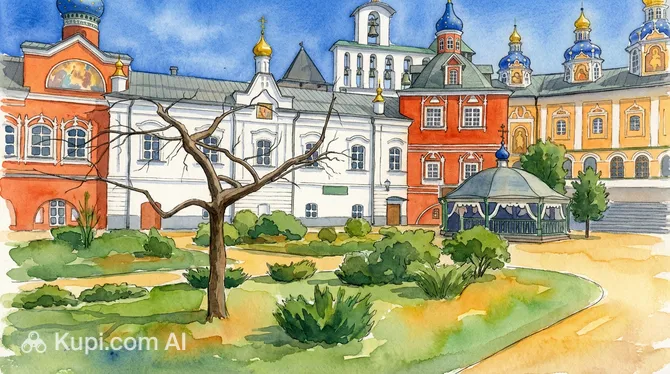
Pechory. Illustration.
Source: Kupi.com AI

With a population of just under 10,000 people, Pechory retains the charm of a small, "homely" town. There is no noise or bustle of large metropolises; instead, peace and tranquility reign. The ancient history of Pechory is felt on every street, where old stone and wooden buildings have been preserved, creating a unique architectural character.

The main pride and spiritual heart of the city is the famous Pskov-Pechery Monastery of the Dormition. It is a unique 15th-century architectural monument and one of the few monasteries that never closed, even in the most difficult times. Tourists come here to see the famous caves, enjoy the beauty of the churches, and feel the powerful energy of this sacred place.

Pechory is an ideal destination for travelers seeking harmony, inspiration, and the opportunity to touch the traditions of the Russian North. Come here for leisurely walks, peace of mind, and a true immersion in the atmosphere of olden times.

Weather Overview

The climate in Pechory can be described as moderate continental, which makes visiting the town comfortable for those who do not like extreme temperatures. Summer here is mild and pleasant, without exhausting heat: in July, the warmest month, the average temperature is about 18.2°C, and maximum values rarely exceed 22°C. This is an ideal time for leisurely walks in the monastery gardens and surroundings.

Winter comes with moderate frosts and snow. In January and February, the average temperature stays in the range of -3.1°C to -3.5°C, although the air can cool down to -5.5°C at night. The transitional seasons are quite long: while in March there is still a winter chill (about 0°C), by May the air warms up to a comfortable 11.6°C. September often pleases with "Indian summer" with average figures of around 13°C, but by November the temperature tends back to zero.

Precipitation falls quite regularly throughout the year, the number of rainy or snowy days varies from 10 to 15 per month. Expect a calm, cool summer with occasional rain and cold winters. To plan your trip as successfully as possible and choose the right clothes, we recommend checking the current weather in Pechory in advance for the dates of your visit.

Average monthly temperature

Average monthly precipitation

Interesting Facts

In addition to the main attractions, Pechory holds many fascinating secrets and historical features that are revealed only to the attentive traveler. Here are some facts that will help you look at the town from a new perspective:

  • Uninterrupted history of the cloister. The Pskov-Pechery Monastery is a unique phenomenon for the spiritual life of the country. It is the only large monastery that has never closed in its entire history. Even during the years difficult for religion in the Soviet era, the monastery continued to operate because, at that time, it was territorially part of Estonia, which allowed for the preservation of the continuity of monastic traditions.

  • Special architectural flavor. The fact that until 1940 the town was part of a neighboring state left a noticeable mark on its appearance and atmosphere. Pechory has preserved many interesting stone and wooden buildings from different eras, and the old cemetery, surrounded by a stone wall, is a reminder of the multi-layered history of this place.

  • A haven for inspiration. Local landscapes, resembling living paintings, have always attracted creative people. Famous personalities sought inspiration and peace of mind in the vicinity of Pechory, including the poet Igor Severyanin, the historian Nikolay Kostomarov, and the famous painter Karl Bryullov.

  • Secrets of the dungeons. The town is famous for its ancient caves, which are associated with numerous urban legends. There is a persistent belief that the mysterious underground passages of the monastery are not limited to its walls but extend far beyond the town, remaining silent witnesses to historical events of the past.

How to Get There

When planning a trip to this ancient town on the border with Estonia, it is worth thinking through the route in advance. The location has good transport accessibility, especially if traveling through the regional center. You can find out more details about how to get to Pechory by studying all available options, and below we will look at the most popular ways to arrive.

The town does not have its own airport, but the nearest air hub is very close. You can fly to Kresty Airport (IATA: PKV) in the city of Pskov, which is located about 46.7 km from Pechory. This is a convenient option for domestic flights. The journey from the airport to the destination by taxi or bus will take about 45–60 minutes.

For travelers who prefer major international hubs, the main option remains Pulkovo Airport (IATA: LED) in the city of Saint Petersburg. It accepts flights from all over the world; however, it is located at a considerable distance — approximately 269.2 km from Pechory. A trip from Pulkovo by road usually takes 3.5–4.5 hours, so many tourists combine a flight to Saint Petersburg with a subsequent trip by "Lastochka" train or bus.

For clarity, here is summary information on the nearest airports:

AirportPassenger trafficDistance
Kresty120 00047 km
Tartu Airport27 27077 km
Pärnu Airport1 100197 km
Riga International Airport7.1 mln240 km
Tallinn Airport3.5 mln242 km

Rail travel is one of the most comfortable ways to get to the town. Travelers are lucky: there is a local railway station, Pechory-Pskovskie, located just 3 km from the center. This allows you to arrive directly at your destination without unnecessary transfers.

Another important transport hub is the Pskov-Passazhirsky railway station, located 44.6 km from Pechory. A large number of long-distance trains from different regions of the country arrive here. From the Pskov station, you can reach the final point of the route by taxi or suburban bus in about 50 minutes.

Below is information about the nearest railway stations:

StationPassenger trafficDistance
Pechory-Pskovskiye Station50 0003 km
Pskov-Passazhirsky Railway Station1.5 mln45 km
Karamyshevo Station20 00069 km
Porkhov Railway Station50 000116 km
Dedovichi Station20 000142 km
Dno Railway Station100 000144 km

Main Attractions

Despite its modest size, Pechory boasts an incredible concentration of historical monuments and spiritual shrines. A trip here is an opportunity to touch centuries-old traditions and see unique architectural ensembles that are harmoniously integrated into the picturesque landscape.

The undisputed landmark of the town is the Pskov-Pechery Monastery of the Dormition. It is not just a cloister, but a real fortress with powerful walls and battle towers that protected the state's western borders for centuries. Tourists are fascinated by the unusual location of the churches in a ravine, the descent to which opens a stunning panorama, as well as the bright, ornate architecture of the buildings, creating a sense of celebration and peace.

A special place in the complex is occupied by the famous God-Created Caves. This is an extensive underground necropolis consisting of seven gallery-streets where a constant temperature is maintained year-round. A visit to the caves leaves an indelible impression due to its mysterious atmosphere and the realization that representatives of ancient families and monks who lived here many centuries ago are buried here.

An interesting example of Western architecture is St. Peter's Lutheran Church. This majestic red-brick building with a high spire is a reminder of the period when the town was under the influence of Estonian culture. Today, the church attracts guests not only with its austere appearance but also with regular organ music concerts, which are famous for their excellent acoustics.

To dive deeper into the local flavor, it is worth visiting the Pechory Museum of History. Its exhibition introduces the rich past of the region, archaeological finds, and, most interestingly, the culture and life of the Seto people — a small Finno-Ugric ethnic group living in this region. Here you can see unique national costumes, jewelry, and household items.

Local Cuisine

In gastronomic terms, Pechory is a real find for lovers of homemade and authentic Russian cuisine. Here, ancient culinary traditions are treated with special respect, with a preference for cooking from simple but high-quality local products. The main decoration of the table invariably remains pies with a wide variety of fillings: from hearty cabbage and wild mushrooms to fish. You should definitely try the famous Pskov kulebyakas and rasstegais, the taste of which will transport you to the atmosphere of the past.

Monastery products occupy a special place in the food culture. In the shops at the cloister, you can buy incredibly aromatic bread baked according to ancient recipes and fragrant local honey. Of the drinks, tourists are strongly recommended to try monastery kvass, which perfectly refreshes in the summer heat, and sbiten — a traditional hot drink with herbs and honey, ideally warming after long walks in cool weather.

For a quick snack, local street food is perfect: hot vatrushkas, puff pastries, and pirozhki are sold here literally fresh from the oven. If you want to immerse yourself in the life of the townspeople, head to the farmers' markets. In season, there is an abundance of fresh berries and vegetables, and you can also find excellent dairy products — homemade cottage cheese and cheese prepared according to family recipes passed down from generation to generation.

Pechory offers the opportunity to plunge into the atmosphere of a real Russian province, where the air is filled with the aroma of fresh pastries and food is prepared with soul. This is a place where gastronomic impressions become an important part of the overall acquaintance with the culture and history of the region.

Travel Tips

Preparing for a trip to Pechory requires attention not only to everyday issues but also to respect for local customs, as the rhythm of life here is largely set by the ancient cloister. To make your journey to this corner of Russia comfortable and without surprises, we have collected the most relevant recommendations.

  1. Clothing and Dress Code. Since the main attraction is an active monastery, your wardrobe should be taken seriously. Women will definitely need a head covering (scarf) and a skirt below the knees to visit the monastery grounds (wrap-around skirts are often provided at the entrance, but it is better to have your own). Men should not wear shorts or sleeveless T-shirts. Choose comfortable and broken-in shoes: you will have to walk a lot on cobblestones and descend old stone slopes.

  2. Transport. Pechory is a compact town, and the best way to get around is on foot. The historical center can be explored in a couple of hours. There is little public transport in the form of city buses, and it is rarely needed by a tourist. If you need to get to remote points or the station with luggage, it is easier to use a taxi (both local services by phone and popular aggregators work, but waiting may take time).

  3. Finances. Cards are accepted in supermarkets and cafes, but we strongly recommend having cash with you. You will need it in church shops, small souvenir kiosks, for buying farm products at the market, or for donations. There are ATMs of major banks in the town, but there are not many of them, so it's better to withdraw the necessary amount in advance.

  4. Documents and Safety. This is a critical point: Pechory is located in close proximity to the state border. Be sure to have your Russian passport (or appropriate documents for foreign citizens) with you. Document checks may be carried out at the entrance to the town or by patrols on the streets. There are pharmacies in the town, but there may not be any open 24/7, so it's better to assemble a basic first-aid kit at home.

  5. Communication and Connectivity. Mobile communication and internet from Russian operators work stably. However, due to the proximity of the border (literally a couple of kilometers), your phone may accidentally catch a signal from Estonian towers and switch to international roaming. We recommend disabling automatic network selection in your phone settings to avoid extra charges.

  6. Local Etiquette. A calm, almost prayerful atmosphere reigns in the town. It is not common to talk loudly, shout, or turn on music at full volume here, especially near the monastery walls. When meeting clergy on the street, it is polite to simply give way or give a discreet greeting. Taking close-up photos of monks and parishioners without their permission is considered bad manners.

  7. What to Avoid. Categorically avoid taking photos and videos of border infrastructure and the border guards themselves — this is prohibited by law. Also, do not try to enter monastery areas closed to tourists (cells, utility yards) without a blessing or accompaniment of a guide.

  8. Useful Tip. Take an empty water bottle with you. There is a holy spring (well) in the monastery, the water in which is considered healing and very tasty. You can collect it for free, and it will be an excellent non-material souvenir from your trip.

Pechory is a place where time flows differently, and the bustle recedes into the background. By following these simple rules, you can fully immerse yourself in the peaceful atmosphere of the town and take with you a sense of peace of mind.

Entertainment & Nightlife

Pechory is a town with a special way of life, where the rhythm is set by monastic silence, so you should not expect a vibrant nightlife in the usual sense of a metropolis. Here you won't find noisy nightclubs with DJs, karaoke bars open until morning, or entire entertainment districts. Evening leisure in Pechory is, above all, about gastronomic pleasure, quiet conversations, and peaceful walks.

The center of evening activity can be conditionally called the Oktyabrskaya Square area and the adjacent streets of the historical center. This is where the main catering establishments are concentrated. The atmosphere in local cafes and restaurants is very intimate, "homely," and calm. The crowd is appropriate: pilgrims, families with children, and tourists seeking a break from the city bustle. The dress code is relaxed everywhere, but given the specifics of the town, overly provocative outfits may look out of place.

For a pleasant evening, look at these proven locations. The "Everyday Saints" (Nesvyatye Svyatye) cafe has become a real center of attraction — an atmospheric and cozy place with excellent pastries and coffee, ideal for a quiet rest after visiting the monastery. Lovers of hearty home cooking should visit the "Uyut" cafe (often called "U Putnika"), which is famous for its large portions and hospitality. If you are looking for a place for a later dinner with restaurant service, pay attention to the restaurant in the "Pechory-Park" complex, which offers Russian and European cuisine.

When planning your evening, keep a few practical points in mind:

  • Opening hours: Kitchens in many establishments close as early as 9:00 PM – 10:00 PM. If you plan a late dinner, it's better to arrive in advance.
  • Transport: Public transport does not run at night. If you stay late at a restaurant or visiting friends, take care of a local taxi service phone number in advance, as popular apps may take a long time to find a car.
  • Safety: Pechory is a safe and quiet town. Night walks here do not pose a threat, but the streets may not be brightly lit everywhere, so it's worth sticking to the central routes.

As for daytime entertainment, it is cultural and educational. In addition to walking around the monastery, guests can visit the Pechory Museum of History, which often hosts interesting temporary exhibitions, or stop by the local House of Culture, where concerts and theatrical performances by local groups are periodically held. In summer, life is in full swing at town fairs and festivals often organized in squares and parks.

Parks & Museums

Pechory is not only a spiritual center but also a surprisingly green town where historical buildings harmoniously coexist with picturesque natural areas. Walking here is a special pleasure thanks to the clean air and peaceful atmosphere, and local museums offer a unique opportunity to get acquainted with the original borderland culture that you won't find anywhere else in Russia.

The City Park, located in the very center, is perfect for a leisurely holiday in the fresh air. This is a cozy green area where locals and pilgrims like to spend time. Here you can rest in the shade of trees after visiting the monastery or take a walk with children. If you want to feel a real unity with nature, go to the "Sosnovy Bor" (Pine Forest) forest park. This natural massif on the outskirts of the town is famous for its healing coniferous air, silence, and picturesque trails, ideal for Nordic walking or morning jogs.

The cultural program in Pechory is no less rich. A must-visit is the Pechory Museum of History. Its exhibition is a real key to understanding the complex fate of the region. Here you will learn about the centuries-old history of the Pskov-Pechery Monastery, see archaeological finds and, most interestingly, get acquainted with the ethnography of the Seto people. Unique collections of clothing, jewelry, and household items of this small Finno-Ugric group allow you to touch traditions that have been carefully preserved for centuries.

Another bright spot on the town map is the interactive museum-workshop "Flax Province" (Lnyanaya Guberniya). The Pskov land was historically famous for growing flax, and here they know everything about this "northern silk." The museum not only tells about ancient technologies for processing flax and hemp but also shows collections of modern clothing in ethnic style. This is a place where history comes alive: guests can participate in workshops and purchase authentic souvenirs.

Architecture lovers should just walk through the old streets of the center, for example, along Mezhdunarodnaya Street. Buildings from the period of the first Estonian Republic (1920–1940) have been preserved here, giving the town a light European charm. Pay attention to the former mansion of the timber merchant Rusakov and the old pharmacy building — they are beautiful examples of provincial architecture of that time.

Insider tip: If you have time, look into the surroundings of the town, for example, the beekeeping museum "Medovy Khutorok". There you can not only learn the secrets of wild-honey harvesting and see old inventory but also taste real Pechory honey with herbal tea, enjoying the views of a Russian village.

Getting Around

The transport system in Pechory has its own characteristics due to the town's compact size and its patriarchal way of life. Here you will not find a subway, trams, or trolleybuses. The town is so small that most tourist routes can be easily covered on foot, enjoying views of ancient architecture and nature. Nevertheless, for the convenience of locals and guests, a bus service operates.

Buses are the only form of public transport. The route network within the town is modestly developed and consists of only a few lines that connect the center, the "Pechory-Pskovskie" railway station, and remote residential quarters, as well as suburban villages. Intervals between buses can be quite long, especially on weekends and in the evening, so the bus here is perceived more as a way to get to the station with luggage than as a means for regular travel between attractions.

The fare payment system is as simple and conservative as possible. Validators and complex transport cards, familiar to residents of metropolises, are still a rarity here. Payment is usually made in cash to the driver or conductor upon boarding. The fare is low and fixed. Recently, terminals for bank cards have appeared on some buses, but tourists are strongly advised to always have small cash with them to avoid awkward situations if the equipment fails.

The most popular alternative to public transport is the taxi. This is an inexpensive and fast way to get from the train to the hotel or monastery. Both local dispatch services (phone numbers can be found at any hotel reception) and popular federal aggregators (for example, Yandex Go) operate in the town. However, it should be kept in mind that there may not be many cars on the line, and during peak hours or bad weather, the waiting time may increase.

For lovers of active recreation, bicycle rentals are available during the warmer months. There is no unified city bike-sharing system in Pechory, but local guest houses, hotels, and private rental points often offer a two-wheeled transport rental service. Given the quiet traffic and picturesque surroundings, a bike ride can be a great way to explore the town and reach remote natural corners.

The main advice for a tourist in Pechory: rely on your own strength and comfortable shoes. The historical center, where the main shrines and museums are concentrated, is a pedestrian zone. The distances between objects are small, and it is a leisurely walk that will allow you to fully experience the unique atmosphere of this place without depending on bus schedules.

Accommodation

Accommodation in Pechory has a special character typical of small historical towns in Russia. Here you won't find huge chain hotels or skyscrapers with panoramic suites. The town's hotel stock is mainly represented by cozy guest houses, small private hotels, and apartments. A special niche is occupied by housing for pilgrims — from modest dormitories at the monastery to quite comfortable pilgrimage centers.

When choosing an area to stay, most tourists try to settle in the historical center, within walking distance of the walls of the Pskov-Pechery Monastery. This allows you to be independent of transport and enjoy the bell chimes right from your room window. The streets adjacent to Oktyabrskaya Square and Mezhdunarodnaya Street are considered the most convenient: cafes, shops, and the main shrines are nearby. Those looking for privacy and silence should consider options on the outskirts of the town, closer to the forest, where you can rent a cottage or a room in a mini-hotel surrounded by pines.

An important booking tip: Pechory lives by the church calendar. During the great Orthodox holidays, especially the Dormition of the Mother of God (late August), the town experiences a real tourism boom. During this period, as well as at Easter and Christmas, finding a free place is practically impossible unless you take care of it 2–3 months in advance. On regular summer weekends, it is also recommended to book accommodation in advance, at least a couple of weeks before.

The price range in the town can be described as budget and mid-range. The cost of living here is generally lower than in neighboring Pskov or large tourist centers. Most offers are affordable rooms with a standard set of amenities. Booking is available through popular Russian online platforms, although many small guest houses still prefer direct communication by phone. Keep in mind that in the private sector, cash payment may be required upon check-in.

Nearby Cities

For those who want to explore the surroundings, Pechory serves as an excellent starting point for day trips to several interesting nearby places. Its convenient location in the west of the region makes it easy to reach the key historical centers of the region.

The undisputed leader for a short trip is Pskov, located just 43 km away. This is one of the oldest cities in the country, where you can walk through the impregnable Krom (Kremlin), see the Trinity Cathedral and unique churches included in the UNESCO heritage list. Another mandatory point of the program is often Izborsk (located on the way to Pskov), famous for its medieval fortress and picturesque Slovenian Springs. If you have time and private transport, you can make a longer trip to Veliky Novgorod to touch the origins of the Russian statehood.

CityPopulationDistance
Voru11 53336 km
Pskov209 84043 km
Põlva5 32443 km
Aluksne6 53555 km
Ostrov20 42769 km

These nearby destinations provide an idea of the diverse culture and landscapes of the region, making your journey through the Pskov land even more rich and memorable.

Shopping & Souvenirs

General Overview. Shopping in Pechory is of an original nature: here you will not find huge shopping centers with world brands, but you can purchase unique things with a soul. Trade in the town is inextricably linked with its main shrine and border location. Guests come here not for fashionable clothes, but for religious art objects, products of local artisans, and environmentally friendly farm products. This is a place for those who value authenticity and tradition.

Main Shopping Districts and Streets. The main commercial life is concentrated in the historical center, in the immediate vicinity of the monastery. The main point of attraction is Oktyabrskaya Square and the adjacent streets, including Mezhdunarodnaya Street. It is here, on the path of pilgrims and tourists, that most souvenir shops, church stores, and small shops with everyday goods are concentrated. A walk in this area allows you to combine sightseeing with buying memorable things.

Shopping Centers. Due to the small size of the town, there are no large malls or entertainment complexes in Pechory. The trade infrastructure is represented by small general stores and shopping rows where you can buy clothes, shoes, and household goods. For large-scale shopping, locals and tourists usually go to the regional center — Pskov, where the choice of shops and brands is much wider.

Markets. You can feel the real flavor of the town at the City Market, located near the center. This is an important place for gastronomic tourism: local farmers and owners of private households sell their products here. In season, the counters are bursting with fresh wild berries (blueberries, lingonberries, cranberries), mushrooms, pickles, and homemade preserves. You can also find high-quality dairy products here — cottage cheese, sour cream, and cheese, for which this area is famous.

Souvenirs. From a trip to Pechory, you should bring back things that keep the warmth of this place. First of all, these are monastery products: aromatic unleavened bread, honey cakes, blessed honey, and healing herbal teas. Ceramic products in the Pskov style (black-glazed pottery), linen tablecloths, and napkins are popular. A great gift would be warm knitted socks and mittens made of natural wool, which are often sold by local craftswomen, as well as the famous Pechory gingerbread.

Opening Hours and Payment. Most souvenir shops and small stores operate from 9:00–10:00 AM to 6:00–7:00 PM. Grocery supermarkets are open longer, usually until 10:00 PM. Chain stores and large church shops accept bank cards, however, for purchases at the market, in small kiosks, or from private traders, it is strongly recommended to have cash with you, as terminals are not available everywhere.

Tax Free. The tax refund system (Tax Free) is practically not represented in Pechory, as it is focused on large stores and international brands absent in the town. Tourists should not count on the possibility of issuing checks for VAT refunds in local souvenir shops.
Nearby cities

Reached the end of the page?

That means the route is fully explored