Support

Shlisselburg

About

Shlisselburg is a true historical treasure, nestled on the banks of the Neva River at its very source from Lake Ladoga. This compact city, located approximately 35 kilometers from Saint Petersburg, is part of the Leningrad Region of Russia and has a population of just over 14,000 residents. Its unique location offers guests incredible water panoramas and a special, leisurely atmosphere perfect for a thoughtful exploration of its rich history.
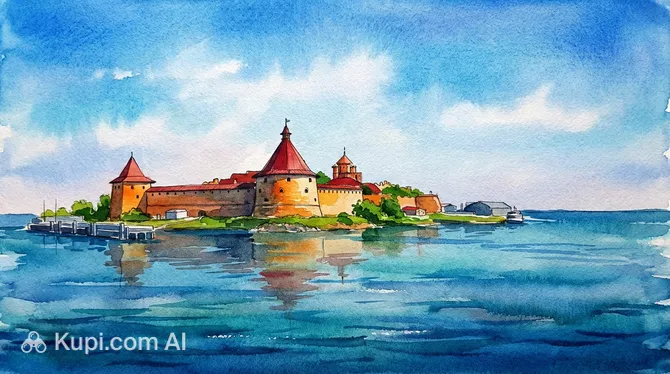
Shlisselburg. Illustration.
Source: Kupi.com AI

Founded in 1323 by the Novgorod Prince Georgy Danilovich as the Oreshek fortress, Shlisselburg played a key role in defending the northwestern borders for centuries. Later, in the 18th century, Peter the Great, appreciating the strategic importance of this location, renamed it Shlisselburg, which translates from German as "Key-city." This name perfectly reflects its significance as the "key" to the Baltic Sea and the country's inland waterways.

The city's main jewel and its signature landmark is undoubtedly the famous Oreshek Fortress, located on Orekhovy Island, which preserves the memory of numerous historical events. In addition to this outstanding monument, Shlisselburg attracts tourists with its ancient architecture that retains the charm of past eras and, of course, stunning views of the vast expanses of Lake Ladoga and the majestic flow of the Neva. Here, every stone seems to breathe history, creating a unique sense of immersion in the past.

Shlisselburg is an excellent destination for those who appreciate rich history, enjoy leisurely walks through atmospheric places, and wish to discover unique corners of the country's northwest. We invite you to visit this "key-city" to touch its centuries-old heritage and enjoy its unique charm.

You can find more interesting facts on the history of Shlisselburg page.

Weather Overview

The weather in Shlisselburg is characterized by a moderate climate with clearly defined seasons. Expect moderately warm summers with frequent but not heavy rain, and cold winters with regular but usually light snowfalls. The average temperature of the warmest month, July, is about 18.4°C (with maximum values up to 21.6°C), while in January, the coldest month, it drops to an average of -5.2°C (with minimum values down to -7.2°C). The highest number of days with precipitation occurs in October (17 days), and there are also quite a few wet days (rain or snow) in July (16 days) and December (16 days), while the total precipitation in millimeters remains relatively low throughout the year. For more detailed information on climate conditions, please visit the Shlisselburg Climate page.

Average monthly temperature

Average monthly precipitation

Interesting Facts

In addition to its famous fortress and picturesque canals, Shlisselburg hides many amazing stories and little-known details that make it a truly unique place. Here are just a few of them:

  • The city received its "key" name, Shlisselburg (translated from German as "Key-city"), for a reason. It was from here that the grand Staroladozhsky Canal began, built by decree of Peter the Great, which became a vital waterway connecting the Neva with Lake Ladoga and ensuring safe passage for ships.

  • The famous Oreshek Fortress, which gave birth to the city, is known not only for its military history. For centuries, it served as one of Russia's darkest political prisons, and today its ancient walls come to life through colorful knightly tournaments and historical festivals that attract guests from all over the country.

  • Few know that Oreshek Fortress, founded back in 1323, is one of the oldest stone fortresses in Russia. Its walls remember Swedish rule, when it was named Nöteborg, and many sieges, making it a living witness to the region's turbulent history.

  • Shlisselburg boasts more than just its fortress. The city made a significant contribution to Russia's engineering history, becoming a center for the construction of unique hydraulic structures, which largely determined its development and shipbuilding traditions.

How to Get There

Shlisselburg, located in close proximity to Saint Petersburg, does not have its own airport or long-distance railway station. Therefore, the main route for travelers lies through the transport hubs of the Northern Capital. You can find more details on how to get to Shlisselburg by various means of transport, but below we will look at the main air and rail gateways used by tourists.

There is no airport in the city of Shlisselburg itself, so the vast majority of guests fly into Pulkovo International Airport (LED), located in Saint Petersburg. This is the region's largest air hub, situated about 46 km from Shlisselburg. A trip from the airport by taxi or rented car will take about 1.5 hours, depending on the traffic situation (especially on the Ring Road). You can also get to the city from the airport using public transport with a transfer to the metro and bus.

The list of nearby air hubs also includes Kresty Airport (PKV) in Pskov and Besovets Airport (PES) in Petrozavodsk. However, they are significantly further away—more than 270 km from Shlisselburg. Using these airports is only practical if you are planning an extensive journey across Northwest Russia, as a direct drive from there to Shlisselburg will take over 4-5 hours by car.

For clarity, here is a summary of the main airports:

AirportPassenger trafficDistance
Pulkovo20.4 mln46 km
Lappeenranta33 852200 km
Savonlinna Airport15 000250 km
Besovets100 000274 km
Kresty120 000285 km

Railway communication is another popular way to reach the region. There is no long-distance railway station in Shlisselburg itself, but you can arrive at one of the stations in Saint Petersburg. One of the most convenient options is Moskovsky Railway Station, which receives Sapsan high-speed trains and many other trains from central Russia. It is located about 37 km from Shlisselburg, and the taxi ride takes just over an hour.

Another important hub is Finlyandsky Railway Station (FVS), also located in Saint Petersburg (about 38 km from the destination). Suburban electric trains and northern-direction trains arrive here. From Saint Petersburg stations, you can reach Shlisselburg by buses (from "Ulitsa Dybenko" or "Rybatskoye" metro stations) or by taxi.

Below is information about the nearest major railway stations:

StationPassenger trafficDistance
Mga Station21 km
Kolpino Railway Station33 km
Ladozhsky Railway Station5.9 mln33 km
Moskovsky Railway Station25.1 mln38 km
Finlyandsky Station13.7 mln38 km

Main Attractions

Shlisselburg, a small but surprisingly history-rich city in the Leningrad Region, offers its guests many interesting places to explore. Its attractions tell the story of centuries of history, bold engineering solutions, and the people who shaped its destiny. When planning a trip here, be sure to include several key sites in your itinerary.

The main jewel of Shlisselburg is undoubtedly the ancient Russian Oreshek Fortress. Located on Orekhovy Island at the source of the Neva, it was founded back in 1323. For centuries, the fortress served as an important outpost, witnessed many historical events, and even functioned as a political prison. Today, Oreshek is a unique open-air museum where visitors can explore ancient walls, mighty towers, and dark casemates, immersing themselves in the centuries-old history of the site while enjoying magnificent views of Lake Ladoga.

Another iconic attraction is the Staroladozhsky Canal. This grand hydraulic engineering project was built in the first half of the 18th century by decree of Peter the Great. The canal was created to ensure the safe passage of ships from the Neva to the Volkhov, bypassing the turbulent waters of Lake Ladoga. A walk along its granite embankments and preserved locks allows you to appreciate the scale of engineering thought of that time and imagine the busy shipping of past centuries.

In the heart of Shlisselburg, on Red Square, stands the Annunciation Cathedral. Built in 1764, it is one of the city's oldest stone buildings and a beautiful example of 18th-century architecture. Its snow-white walls with an elegant bell tower attract the attention of both believers and lovers of ancient Russian architecture. The cathedral is active, and visiting it allows you to touch the city's spiritual history.

One cannot overlook the Monument to Peter I, erected in the city in honor of its founder and a key figure in the history of the Northern War, through which Russia gained access to the Baltic Sea. The monument serves as a reminder of the Emperor's significant role in the fate of Shlisselburg, which according to his vision, became the "key-city." It is a popular spot for photos and an important symbol emphasizing the city's historical significance.

Local Cuisine

The gastronomic world of Shlisselburg is an exciting journey through the culinary traditions of Northwest Russia, generously seasoned with the gifts of Lake Ladoga. The local cuisine is simple, hearty, and incredibly soulful, reflecting the character of this historic city where natural products and time-tested recipes are valued.

The main treasure of Shlisselburg's cuisine is, without a doubt, the freshest Ladoga fish. Be sure to try dishes made from zander, pike, bream, and, of course, the famous local vendace. Fish is prepared in various ways here: they cook rich ukha (fish soup), bake it with aromatic herbs and spices, or fry it to a golden crust. A special pride of local hostesses are homemade fish pies—fluffy, juicy, and with generous filling, they are a true highlight of any table.

In addition to fish delicacies, Shlisselburg will delight lovers of traditional Russian pastries. Hearty pies with fish and onions are popular, as well as sweet options with northern berries. At local markets, you can find fresh farm products, homemade pickles, and, of course, the famous jams made from lingonberries, cranberries, and blueberries. The menus of cafes and small restaurants often feature not only Russian but also Scandinavian dishes, which add interesting notes to the city's gastronomic palette.

Regarding drinks, tea is traditionally popular here, often served with local sweets like aromatic gingerbread or traditional honey cakes. On a hot day, it is pleasant to refresh yourself with homemade mors (berry drink) made from northern berries or bread kvass. For alcoholic beverages, traditional Russian options may be offered to accompany the hearty fish dishes.

The food culture in Shlisselburg encourages leisurely meals in a cozy setting. Locals and tourists prefer small cafes and restaurants with home-style cooking, where you can taste dishes prepared with love and respect for tradition. The gastronomic experience in Shlisselburg is an opportunity to touch true northern hospitality and enjoy simple but incredibly delicious dishes.

Travel Tips

Welcome to Shlisselburg! This small but historically significant city at the source of the Neva and Lake Ladoga has many discoveries in store for you. To ensure your trip is as comfortable as possible and leaves only pleasant impressions, we have prepared some practical tips.

  1. Clothing and Essentials:

    The climate in Shlisselburg is moderate, similar to Saint Petersburg. In summer (June-August), bring light clothing, but be sure to pack a windbreaker or raincoat, as the weather near the water can be changeable. Comfortable shoes are extremely important, especially if you plan to walk a lot around the city and visit Oreshek Fortress. In the shoulder seasons (spring, autumn), a warm jacket, sweater, and waterproof shoes will be useful. In winter (December-February), dress warmly: a down jacket, hat, gloves, scarf, and warm boots. For visiting churches (e.g., the Annunciation Cathedral), women are recommended to have a headscarf and clothing that covers the shoulders and knees, while men should wear trousers. Don't forget a plug adapter (Eurostandard, type C/F).

  2. Transport:

    Shlisselburg is a compact city, and it's pleasant to get around its main part on foot. During the navigation period (usually from May to October), motor ships and boats run from the pier to the main attraction, Oreshek Fortress. Local buses also run within the city. For trips to neighboring settlements or Saint Petersburg, you can use buses or electric trains (from nearby stations). Taxis can be called by phone or through popular apps in Russia (e.g., Yandex Go). Renting a car to see Shlisselburg itself is not necessary, but it may be convenient if you plan to explore the surroundings of the Leningrad Region.

  3. Finances:

    The local currency is the Russian Ruble (RUB). Bank cards (mainly the "Mir" system) are accepted in most shops, cafes, and hotels. However, it is recommended to always have some cash with you, especially for paying for the boat ride, buying souvenirs from small vendors, or in small shops. Check in advance the possibility of using your international cards in Russia. There are ATMs in the city, but their number is limited. An approximate daily budget (excluding accommodation) can be from 1500-3000 rubles, depending on your plans for food and excursions. Tips in restaurants and cafes are usually 5-10% of the bill and are at your discretion if you enjoyed the service.

  4. Health and Safety:

    There are pharmacies in Shlisselburg (look for the "Аптека" sign) where you can buy over-the-counter medicines. It is best to check their operating hours on-site, as 24-hour pharmacies may be unavailable. In case of emergency medical assistance, a system is available for tourists by calling 112 or 103. Travel insurance is highly recommended. Shlisselburg is generally a safe city, but standard precautions should be taken: keep an eye on your belongings in crowded places, especially at the pier and on transport, and avoid walking in poorly lit and deserted areas after dark.

  5. Communication:

    The primary language of communication is Russian. English is not widely spoken, mostly by young people or tourism staff. Learn a few basic phrases in Russian: "Zdravstvuyte" (Hello), "Spasibo" (Thank you), "Pozhaluysta" (Please/You're welcome), "Skol'ko stoit?" (How much does it cost?), "Gde nakhoditsya...?" (Where is...?). A Russian SIM card can be purchased at mobile stores in larger cities (e.g., Saint Petersburg); a passport is required for purchase. Wi-Fi is available in some cafes and hotels. Offline map apps and translators can be very useful.

  6. Local Etiquette:

    When interacting with locals, it is customary to greet them (a nod, "Zdravstvuyte"). In public places, try not to be noisy or attract excessive attention. Russians may seem reserved at first, but they are usually hospitable and ready to help if approached politely. When visiting churches, maintain silence and follow established rules of conduct. Photography inside churches is sometimes prohibited or requires permission.

  7. What to Avoid:

    Try not to engage in discussions on sensitive political topics. Also, you should not photograph strategic objects, if encountered, without special permission. Show respect for local traditions and customs, even if they are unfamiliar to you.

  8. Additional Tip:

    Be sure to check the operating hours of Oreshek Fortress and the boat navigation schedule, especially if your trip is at the beginning or end of the tourist season. The operation of the ferry depends heavily on weather conditions on Lake Ladoga. Also, stop by the Museum of History of Shlisselburg to deeper understand the rich past of these places, connected with the name of Peter the Great and other important historical periods of the city.

We hope these tips help you better prepare for your trip and get the most out of exploring Shlisselburg, its unique history, and picturesque surroundings. Enjoy your journey!

Entertainment & Nightlife

Shlisselburg is a city with a rich history, and its evening life offers quiet and cozy options for relaxation rather than noisy club entertainment. If you are looking for wild night parties with many bars and discos until morning, this small city offers a more intimate atmosphere. Nightlife here is not concentrated on specific streets or special quarters; rather, it consists of individual venues where you can spend a pleasant time after a busy day of excursions.

Evening Shlisselburg invites leisurely walks and dinners in local establishments. The main options for evening leisure are restaurants and cafes. For example, you can visit the Staraya Krepost (Old Fortress) restaurant or the Petrovskaya Trapeza cafe, which often offer Russian and European cuisine. The atmosphere in such places is usually friendly and relaxed, with no strict dress code. Some establishments may stay open until late evening, especially during the tourist season, allowing guests to enjoy dinner or drinks. It is worth noting that the selection of specialized nightclubs or large concert venues in Shlisselburg is limited due to its size and historical focus.

When planning an evening in Shlisselburg, it is better to start earlier, as many establishments may close not too late, especially on weekdays. Average prices in cafes and restaurants are usually moderate. To get around the city in the evening, especially if you plan to return late, it is worth checking local taxi services in advance or using mobile apps to call them if they are active in the region. Public transport typically has a limited schedule in the late hours.

In terms of safety, Shlisselburg is generally a calm city. However, as in any other place, it is worth taking standard precautions during evening walks, especially in less populated areas. Walking on well-lit streets and using official taxi services is a sensible practice.

During the day, Shlisselburg offers tourists an interesting cultural program. The main point of attraction is undoubtedly the famous Oreshek Fortress, a visit to which can take up a significant part of the day. You can also walk through the historic city center, see other monuments, visit local small museums if available, or simply enjoy the picturesque views of Lake Ladoga and the Neva. There are no traditional amusement parks here, but the charm of the ancient city and its surroundings is a great attraction in itself for lovers of history and peaceful rest.

Parks & Museums

Shlisselburg, a city with a rich and multifaceted history, offers its guests not only an introduction to outstanding monuments of the past but also the opportunity to enjoy picturesque natural spots and visit interesting museums. Everyone will find something for themselves here, whether it be a peaceful rest in nature or an immersion in historical events.

For lovers of walks in the fresh air, Shlisselburg offers several pleasant places. One of them is the Peter the Great Park, located on the banks of the Neva. It is a great place for a leisurely stroll where you can relax in the shade of trees while enjoying views of the water and the famous fortress. The city's embankments are also attractive for promenades, especially in the summer months, offering impressive panoramas of Lake Ladoga and the source of the Neva. These green zones allow you to feel the tranquility and beauty of northern nature.

The main cultural jewel of the city is undoubtedly the legendary Oreshek Fortress. This unique historical and architectural complex, located on an island at the source of the Neva, functions today as a museum. Its exhibitions tell in detail about the fortress's centuries-old history, its role in key military events, and the fates of its famous prisoners. A visit to Oreshek is a true journey back in time. Another important cultural site is the Museum of History of Shlisselburg. It houses artifacts and documents highlighting the city's development, the daily life of its residents, and significant historical milestones, making it interesting for those who want to better understand the local character.

In addition to the fortress, there are other noteworthy historical and architectural sites in Shlisselburg. Pay attention to the system of ancient canals, particularly the Staroladozhsky Canal, which was once a vital waterway. A walk along its preserved sections and granite linings allows you to touch the engineering heritage of the past. Among religious buildings, the Annunciation Cathedral stands out as an architectural landmark and an important spiritual center for the city.

For a complete impression of Shlisselburg, we suggest not limiting yourself to only the most famous places. Stroll through the quiet streets of the old city, where you can still find examples of historical buildings. Also, be sure to find time to simply sit on the shore of Lake Ladoga, enjoying the space and fresh air—it will give you a sense of peace and unity with nature.

Getting Around

Public transport in Shlisselburg, given its compact size, consists mainly of buses and fixed-route taxis (marshrutkas). The city is small, so many distances can be covered on foot, enjoying the views of ancient streets and the embankments of Lake Ladoga and the Neva.

The main form of public transport is buses. They connect different areas of the city and provide services to Saint Petersburg and other settlements in the Leningrad Region. Marshrutkas complement the bus network, offering faster but sometimes less predictable trips. Bus schedules can usually be found at stops or requested from locals.

The fare payment system is quite simple. Generally, bus tickets can be purchased directly from the driver or conductor upon boarding. Payment is usually accepted in cash. The fare for city bus routes in Shlisselburg is typically around 40-60 rubles. On some routes, especially those connecting Shlisselburg with Saint Petersburg, payment with bank cards or regional transport cards like "Podorozhnik" may be possible. A bus trip to Saint Petersburg can cost between 150-250 rubles, depending on the specific route and carrier. Naturally, the fare for trips to Saint Petersburg will be higher than for movement within the city, given the distance.

A special place in Shlisselburg's transport system, especially for tourists, is occupied by water transport. Small boats and motor ships provide the crossing to the main attraction—the famous Oreshek Fortress, located on an island at the source of the Neva. The piers are located on the embankment, and during the navigation period (usually from May to October), boats depart regularly. Tickets for water transport are generally purchased at the pier before departure. A boat ticket to the famous Oreshek Fortress and back usually costs 500-800 rubles for an adult, but the price may vary depending on the carrier and the season.

Among alternative ways to get around Shlisselburg, taxis are available. You can call one using local service numbers or through popular mobile apps if they operate in the area. Given the small size of the city, a taxi ride will not be very expensive. For independent walks and a more detailed exploration of the city and its surroundings, you can consider walking or using a bicycle, if there is an option to rent one or bring your own.

Practical tips for tourists: when planning a trip to Oreshek Fortress, check the water transport schedule in advance, as it can change depending on the season and weather conditions. For bus trips, keep small cash on hand, as drivers may not always have change for large bills. Public transport operating hours usually cover daytime and evening, but movement may be limited late at night.

Accommodation

In Shlisselburg, travelers can find various accommodation options to suit different budgets and preferences. The choice typically includes guesthouses, small hotels, and rental apartments. Luxury resorts or large chain hotels are less common here, which gives the stay a more cozy and local character.

Since Shlisselburg is a small city, most housing options are located within walking distance of the main attractions, such as Oreshek Fortress (although the fortress itself is on an island, the ferry piers are easily accessible), or with convenient access to transport routes. The central part of the city and areas adjacent to the Lake Ladoga embankment are popular places to stay, offering beautiful views and proximity to cafes and shops.

The price range for housing in Shlisselburg varies from budget options in guesthouses to more comfortable apartments or rooms in small hotels. It is recommended to book accommodation in advance, especially if your trip falls during the summer months or public holidays, when demand is traditionally higher. For searching and booking, it is convenient to use popular online platforms or, in some cases, contact the property owners directly.

Nearby Cities

For those who want to explore the surrounding area, Shlisselburg serves as an excellent starting point for day trips to several interesting nearby locations:

CityPopulationDistance
Otradnoye25 62323 km
Vsevolozhsk72 86423 km
Kudrovo13 50130 km
Kolpino225 80133 km
Saint Petersburg5 384 34238 km

These nearby destinations offer a glimpse into the region's diverse culture and landscapes. Each of these cities has its own unique atmosphere and attractions, whether it be the majestic architecture of Saint Petersburg, the palace and park ensembles of Gatchina, or the cozy streets of Vsevolozhsk.

Shopping & Souvenirs

Shopping in Shlisselburg offers a cozy and local experience rather than a hunt for global brands. This historic city is not famous for large shopping centers, but you can find everything you need here, as well as purchase unique souvenirs to remember your trip. The main focus should be on small shops selling locally made goods and items related to the city's rich history.

The main retail outlets in Shlisselburg, as in many small towns, are concentrated in its central part. Walking along the main streets, you will find grocery stores, pharmacies, hardware shops, and small boutiques with clothing and souvenirs. There are no specialized shopping streets here, but most commercial establishments are within walking distance of each other.

You most likely won't find large modern shopping and entertainment complexes in Shlisselburg. The city preserves its historical appearance, and massive shopping malls are not a characteristic feature. However, you may come across small local department stores where various departments with everyday goods are gathered under one roof.

A small city market may operate in Shlisselburg. Such markets usually offer fresh local products—vegetables, fruits, dairy products, and sometimes fish, given the proximity to Lake Ladoga. You can also look for inexpensive household goods or even simple souvenirs from local craftsmen here. The atmosphere at such markets is usually very lively and authentic.

The main source of inspiration for souvenirs from Shlisselburg is undoubtedly the famous Oreshek Fortress. Look for miniature replicas of the fortress, magnets, postcards, and plates with its image, as well as books on the history of this unique place. Items with symbols of Lake Ladoga and the Staroladozhsky Canal are also popular. Sometimes you can find works by local artisans, although their assortment may be limited.

Most shops in Shlisselburg operate on a standard schedule: approximately from 10:00 to 19:00 or 20:00 on weekdays, with a possible shortened day on weekends. Grocery stores usually open earlier and close later. As for payment, bank cards are accepted in many permanent stores. However, when going to the market or small souvenir shops, it is better to have some cash with you.

The possibility of Tax Free for foreign tourists in Shlisselburg's shops is unlikely. This service is usually provided in large cities and specialized retail outlets oriented towards international tourism. If you plan to use the tax refund system, it is better to check for such a possibility in the large shopping centers of Saint Petersburg or other large cities in Russia.

Reached the end of the page?

That means the route is fully explored