Support

Ivangorod

About

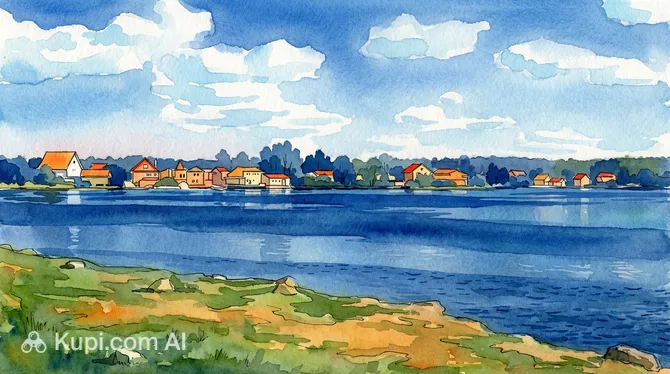
Ivangorod is an amazing outpost city where the atmosphere is permeated with the spirit of antiquity and the borderlands. Located on the steep bank of the Narva River, it literally looks Europe in the eye: just a few hundred meters away, on the opposite bank, Estonia begins. This cozy city is part of the Leningrad Region and, despite its modest size and population of about 10,000 people, plays an important role as a cultural bridge connecting Western traditions and original Russia.

Ivangorod. Illustration.
Source: Kupi.com AI

The city was founded in 1492 by decree of Grand Duke Ivan III as a powerful shield on the northwestern borders. The rich history of Ivangorod is written in every stone of its famous fortifications. Today, this place attracts travelers with the opportunity to touch the past, stroll through quiet streets, and enjoy views that cannot be confused with any others.

The main pride and tourist magnet is the majestic Ivangorod Fortress, rising on Devichya (Maiden) Hill. Its powerful walls and towers create a unique architectural ensemble, and the observation decks offer a breathtaking panorama of the turbulent waters of the Narva and the historical Parusinka district with the ruins of old factories.

A trip to Ivangorod will be an excellent choice for those who appreciate leisurely walks, love to study fortification architecture, and want to feel the unique energy of a place where two countries and two cultures meet.

Weather Overview

The climate of Ivangorod can be described as temperate, with mild winters and cool summers, making walks comfortable at almost any time of year. The warmest period is in July, when the average temperature is about 18.0°C, and during the day the air warms up to 21.2°C. This is an ideal time for outdoor sightseeing.

Winters here are generally not harsh but are snowy. In January and February, the thermometer shows an average of -3.5°C, dropping to -5.4°C at night. Expect moderately warm summers and cool winters, but be prepared for high humidity and frequent precipitation throughout the year.

In autumn and early winter, rain and snow occur most frequently: up to 18 days with precipitation are recorded in October and December. To ensure your trip is as comfortable as possible, we recommend checking what the weather in Ivangorod is expected to be for your chosen dates in advance and bringing waterproof clothing.

Average monthly temperature

Average monthly precipitation

Interesting Facts

In addition to majestic bastions, Ivangorod hides many surprising details that make it an exceptional place on the map of Russia. Here are a few facts that will help you look at this border town from a new perspective.

  • A unique confrontation of fortresses. Ivangorod Fortress has the status of the only one in the world located at a "flight of an arrow" distance (only about 150 meters) from another medieval citadel — Narva Castle. This is a very rare case where two powerful historical outposts of different states stand literally opposite each other, separated only by a river.

  • Industrial romance of Parusinka. The Parusinka district is a true sanctuary of 19th-century industrial architecture. Buildings of textile manufactories and the estate of Baron Stieglitz have been preserved here. The red-brick buildings and factory ruins create a unique atmosphere reminiscent of old English quarters, which attracts fans of unusual photo shoots.

  • Bilibin's fairytale heritage. The city is closely linked with the name of Ivan Bilibin, the famous illustrator whose drawings for Russian fairytales have been familiar to many since childhood. The local art museum houses a unique collection of his works and personal belongings, allowing you to immerse yourself in the magical world of folklore and graphics.

  • Living history at the festival. Every year, the fortress walls become the backdrop for the colorful "Byliny and Bogatyrs" festival. This event brings ancient legends to life: spectacular knightly tournaments take place here, buffoons perform, and craft workshops operate, transporting guests to the times of valiant warriors.

How to Get There

When planning a trip to the northwestern border of the country, it is important to think about logistics in advance, as there is no direct air connection to the city. You can find out all ways to get to the city in more detail on a separate page, and below we will look at the main transport hubs located nearby.

Since there is no airport in Ivangorod itself, the main hub for tourists is Pulkovo (IATA: LED). It is located in the city of St. Petersburg, about 125 km from your destination. This is the largest air hub in the region, receiving flights from all over the country and from abroad. The journey from the airport to Ivangorod by taxi or bus will take about 3.5 hours. Also, travelers with appropriate visas can use the international Tallinn Airport (IATA: TLL) in the city of Tallinn. It is 194 km away, and the trip from there (excluding time for crossing the border) will take about 5 hours.

For clarity, here is summary information on the main airports:

AirportPassenger trafficDistance
Pulkovo20.4 mln125 km
Tartu Airport27 270148 km
Kresty120 000178 km
Lappeenranta33 852186 km
Tallinn Airport3.5 mln194 km

If you prefer rail transport, it should be noted that many routes involve a transfer. The nearest large Russian station is Kingisepp Station, located in the city of Kingisepp, just 21.7 km from Ivangorod. This is the most convenient option for arrival from St. Petersburg: the journey from the station to the center of Ivangorod by taxi or suburban bus will take about 50–55 minutes. Geographically, the closest is Narva Railway Station (1.3 km), however, it is located in the city of Narva in Estonia, so this option is only suitable for travelers crossing the border.

Below are the nearest railway stations and their distance from the city:

StationPassenger trafficDistance
Ivangorod-Narva Station400 0001 km
Narva Railway Station569 0001 km
Kingisepp Railway Station22 km
Gatchina Varshavsky Station110 km
Luga-1 Railway Station300 000117 km
Zelenogorsk Railway Station124 km

Main Attractions

The undisputed heart of the city and its main symbol is the Ivangorod Fortress. This grandiose monument of Russian defensive architecture, founded at the end of the 15th century, is perfectly preserved to this day. Walking along the massive walls and climbing the towers, you feel as if you are traveling through time. The citadel's observation decks offer a unique panorama of the river and Hermann Castle located on the other bank, creating a rare architectural ensemble where two fortresses face each other across the water.

To immerse yourself in the world of art and fairytales, it is worth visiting the I. Ya. Bilibin Art Museum. The museum is located in a historical building — the former mansion of the merchant Panteleev. It houses a rich collection of works by the outstanding illustrator Ivan Bilibin, whose drawings for Russian folk tales have been familiar to many since childhood. The exhibition includes graphics, sketches of theatrical costumes, and the artist's personal belongings, allowing guests to touch the atmosphere of the Silver Age.

Special attention should be paid to the historical Parusinka district, where the heritage of Baron Stieglitz has been preserved. This place attracts tourists with industrial architecture of the 19th century that is unusual for Russia: the red-brick buildings of the cloth manufactory and residential houses for workers resemble old English neighborhoods. The gem of the district is the majestic Holy Trinity Church, built in the style of historicism. This church, which served as the family tomb of the Stieglitzes, amazes with its elegance of form and harmony.

If you are lucky with your travel dates, you may be able to see the impressive Narva Waterfalls. Most of the time, the riverbed remains dry due to the operation of the hydroelectric power station, but during days of scheduled water discharge, the streams rush down with great power, presenting a spectacular sight. It is best to observe this natural force from the observation decks in the Parusinka area.

Local Cuisine

The gastronomic culture of Ivangorod is a clear reflection of its geographical location. The city is located right on the border, so the local cuisine harmoniously combines the hearty traditions of Russian culinary arts and the restrained notes of Baltic gastronomy. The main asset of the local table is undoubtedly river fish. Freshly caught in the waters of the Narva, zander, pike, and bream become the basis for many dishes: from rich ukha to tender homemade cutlets and baked steaks that can be ordered in city cafes.

Pastry lovers will find themselves in a real paradise here. It is definitely worth trying traditional pies with various fillings: fish, cabbage, or potatoes. The famous Leningrad rasstegai and hearty kulebyakas are particularly popular. In local bakeries, you can always find fresh bread made according to old recipes, fragrant gingerbread, and golden vatrushkas, which are perfect for a snack during a walk.

For authentic flavors, head to the farmers' markets. Here, residents of surrounding villages offer homemade pickles, marinated wild mushrooms, and berries. Natural honey from local apiaries makes an excellent edible souvenir. In the cold season, traditional hot drinks will help you warm up: spicy sbiten and fragrant herbal teas collected in the meadows of the Leningrad Region.

Although there are few gastronomic festivals in the city, during the "Byliny and Bogatyrs" festival, a real feast fair unfolds. This is the best place to try dishes cooked over an open fire, traditional porridges, and, of course, medovukha. Street food on such days becomes not just a way to satisfy hunger, but part of the cultural immersion in the atmosphere of an old border town.

Travel Tips

Ivangorod is a unique place where the history of an ancient fortress intertwines with the reality of a state border. To ensure your trip goes smoothly and leaves only pleasant impressions, we have prepared a list of practical recommendations to help you avoid organizational difficulties in this border town.

  1. Clothing and belongings: prepare for wind and walking. Since the city sits on a river, it is often windy even in sunny weather, so a windbreaker or a wind-resistant jacket will come in handy in any season. For exploring the fortress walls and cobbled streets, comfortable flat-soled shoes are essential. If you plan to visit active Orthodox churches (for example, the Assumption or St. Nicholas churches), women should have a headscarf, and men should observe a modest style of dress.

  2. Transport: rely on your feet. Ivangorod is very compact, and you will get the best impressions during walking tours. Public transport is represented by buses, but they run with long intervals. To get from the station to the hotel or the border, it is easier to call a taxi (well-known aggregators and local services operate); renting a car within the city has no practical purpose.

  3. Finances: keep cash on hand. The official currency is the ruble of Russia. Although chain stores and museums accept bank cards, in small kiosks, souvenir shops, or at the market, payment is often cash-only. ATMs of major banks are available in the city center, but they are few, so it is better to withdraw the necessary amount in advance.

  4. Health and safety: first aid kit and vigilance. Ivangorod is a calm and safe city, but there may not be any 24-hour pharmacies here, so it is better to take a basic set of medicines with you. The main safety rule here is related to the city's special status: always carry your passport and permit with you, as document checks by a patrol are possible anywhere in the city.

  5. Communication: be careful with roaming. The main language of communication is Russian. An important nuance: due to the proximity of Estonia (just across the river), your phone may automatically catch a signal from a foreign operator. To avoid international roaming charges, we recommend manually selecting your operator's network in your phone settings and disabling automatic network search.

  6. Local etiquette: respect and calm. Residents of Ivangorod are friendly and appreciate interest in the history of their region. It is customary to say hello when entering small shops or museums. Given the status of the border zone, behave with restraint in public places, do not make noise in the evenings, and be understanding of possible document checks.

  7. What to avoid: photographing border objects. This is a critically important rule. You are free to photograph the fortress, streets, and landscapes, but it is strictly forbidden to film checkpoints, border posts, the "Friendship" bridge, and border service personnel. Violation of this rule can lead to the deletion of photos and administrative proceedings.

  8. Additional tip: apply for a permit in advance. Ivangorod is located in a border zone, and a special permit is required for entry (except for city residents and transit passengers with visas). You need to order it in advance (at least 2–4 weeks) through the Gosuslugi portal or at the border management office. Without this document, you may simply be taken off the bus or train upon approaching the city.

Following these simple rules will save you from unnecessary trouble and allow you to fully focus on the beauty of the old bastions and the picturesque views of the Narva. We wish you an exciting and comfortable journey to one of the most atmospheric corners of the Leningrad Region!

Entertainment & Nightlife

Ivangorod's nightlife has its own unique, chamber-like character, which is very different from the noisy entertainment of megacities. In a city with a population of about 10,000 people, you won't find large-scale nightclubs with world-class DJs or red-light districts. Evening leisure here is primarily about cozy gatherings in local venues and contemplating the majestic history in night lighting. The main "district" of evening activity is the central street — Kingiseppskoye Highway, where the main infrastructure is concentrated.

The most impressive evening entertainment in Ivangorod is a walk with a view of the borders of two states. At nightfall, the artistic illumination of the Ivangorod Fortress and the Narva Castle on the other bank is switched on. This sight creates a mystical and romantic atmosphere, for which many tourists take a promenade to the banks of the Narva River. It is quiet and peaceful here, and you can take stunning photos of the night fortifications reflecting in the water.

In terms of bars and dancing, the epicenter of events usually becomes the restaurants at large hotels and small city cafes. On weekdays, they operate as classic eateries where you can have a delicious dinner, and on Friday and Saturday, they often turn into venues for dancing with live music or a DJ. The crowd here is diverse: from locals celebrating holidays to tourists staying overnight before crossing the border. The dress code in these venues is as relaxed as possible — casual style will be appropriate everywhere.

From a safety standpoint, Ivangorod is one of the calmest places in the region. The status of a border zone implies increased patrolling of the streets by police and border guard officers, so walking here at night is safe even alone. However, remember that you must always carry your passport and permit with you, as document checks are possible at any time of day.

Practical tips for night owls:

  • Transport: Public transport does not run at night. The city is small, and most places can be reached on foot in 15–20 minutes. If you need a taxi, it is better to use local phone-call services, as popular aggregator apps may take a long time to find a car.
  • Prices: The cost of dinner and drinks here is significantly lower than in St. Petersburg, which will pleasantly surprise guests of the city.
  • Opening hours: Most cafe kitchens close around 22:00–23:00, so it is better to plan dinner in advance.

As for daytime entertainment, the city's cultural program is not limited to the fortress. History buffs should check out the local museums mentioned earlier or visit the city's House of Culture, where theatrical performances and concerts by local groups are periodically held. In warm weather, a picnic in the park areas of the Parusinka district is a great option, where you can combine relaxation with a view of the industrial architecture.

Parks & Museums

Despite the fact that Ivangorod is perceived primarily as a fortress city, there are places where the harsh stone architecture gives way to the tranquility of nature and refined art. A walk through the city allows you to alternate exploring powerful bastions with relaxing in shady alleys and visiting unique museum collections that reveal the cultural code of this border outpost of Russia.

The Baron Stieglitz Estate Park in the Parusinka district is perhaps the most atmospheric green zone in the city. Although only fragments remain of the former grandeur of the 19th-century estate park, this place possesses a special charm. Here you can walk among century-old trees, enjoying the silence and views of the historical buildings of the cloth factory. The park's landscape, descending to the river, is ideal for leisurely walks and reflection, and the ruined buildings give the scenery notes of romantic abandonment.

Another important natural landmark is the shoreline of the Narva River. Although there are no well-equipped granite embankments of capital scale here, natural paths along the high bank offer breathtaking panoramas. This is the best place to breathe in the fresh river air and see how lush vegetation hides the traces of ancient battles, turning defensive ramparts into picturesque green hills.

The main guardian of the city's history is the Ivangorod Museum-Fortress. It is not just walls and towers, but a full-fledged open-air museum complex. Inside historical buildings, such as the Small Powder Granary, there are exhibitions telling about archaeological finds, the history of the Great Northern War, and the life of the garrison. Interactive elements allow visitors to literally touch the past by seeing models of old fortifications and authentic weapons.

Art lovers should definitely visit the I. Ya. Bilibin Art Museum. This is a small but incredibly rich cultural space located in a former merchant's mansion. The museum specializes in Russian art of the late 19th and early 20th centuries. The core of the collection consists of works by the famous fairytale illustrator Ivan Bilibin and his wife, the artist Alexandra Shchekatikhina-Pototskaya. Here you can see not only famous book graphics but also sketches of theatrical costumes, as well as items of decorative and applied art.

Among the architectural monuments, Holy Trinity Church occupies a special place. Built with funds from Baron Stieglitz, it is an outstanding example of historicist architecture. The church is interesting not only for its external decoration but also because it served as the family burial vault for the family of philanthropists. The building is harmoniously integrated into the surrounding Parusinka landscape and forms a single ensemble with the industrial buildings of that era.

For those looking for unconventional experiences, we recommend going down to the dry riverbed in the area of the Narva Hydroelectric Station (if there is no water discharge). This "stone bottom" is an impressive natural canyon, exposing the power of geological formations. A walk here is like a journey through an extraterrestrial landscape, but requires caution and comfortable shoes.

Getting Around

Getting around Ivangorod will not cause any difficulties for travelers. It is a compact city with an intuitive layout, and the distances between the main points of attraction are small. The transport system here is developed just enough as necessary for a small border settlement, so the choice of how to get around depends entirely on your preferences and weather conditions.

Here are the main ways of moving around available to guests of the city:

  • Walking. This is undoubtedly the best way to get to know Ivangorod. The historical center, the fortress, and the main museums are within walking distance of each other. A walk from the bus station to the fortress walls will take no more than 15–20 minutes at a leisurely pace. However, it should be noted that the Parusinka district is remote from the center, and the walk there may take about 30–40 minutes, but the route will be scenic.

  • City Buses. The city has a municipal transport network connecting the center with remote areas, including Parusinka and the private sector. Buses run on a schedule that can be found at stops, but intervals can reach 30–40 minutes, especially on weekends. This is a budget option if you need to get to the Stieglitz estate or the Narva Waterfalls.

  • Taxi. The most convenient option for those who value time or travel with luggage. Both local dispatch services and popular Russian taxi aggregators operate in the city. Prices for trips within the city are very democratic. A car will be useful if you want to move quickly from the center to Parusinka or reach the railway station before your train departs.

  • Private Car. If you arrived by car, moving around the city will be comfortable: there are practically no traffic jams here, and there are usually no problems with parking. Free parking spaces are available at most attractions, hotels, and shops. However, pay attention to signs near the border checkpoint — there may be restrictions on stopping and parking there.

An important feature of transport logistics in Ivangorod is the need to always have documents with you. Since the city is located in the border zone of Russia, passport and permit checks can happen even when boarding a city bus or taxi. When planning a route, also keep in mind that there is practically no bicycle infrastructure (dedicated paths) in the city, but low traffic allows cyclists to feel quite confident on the roads.

Accommodation

The choice of accommodation in Ivangorod, as befits a small border town, is quite modest but cozy. You won't find luxury five-star resorts or international chain giants here. The basis of the room stock consists of small economy and mid-range hotels, mini-hotels, and guest houses. The atmosphere in such places is usually homely and calm, oriented towards travelers who need a comfortable place to sleep after exploring the fortress.

In terms of location, the most convenient for tourists is the city center, located along the Kingiseppskoye Highway and adjacent streets. Staying here guarantees walking distance to the main attractions — the Ivangorod Fortress, the checkpoint, and the Art Museum. The Parusinka district, although it has a special historical charm, is somewhat remote from the central infrastructure, so it is more convenient to stay there for those traveling by private car.

When planning a trip, it is important to remember the main rule: book accommodation in advance. Since the number of hotels in the city is limited (they can be counted on the fingers of one hand), during the peak tourist season, on May holidays, or during the "Byliny and Bogatyrs" festival, available rooms run out very quickly. In addition, having a hotel reservation simplifies the process of justifying the purpose of the visit when applying for a permit to the border zone.

The price range in Ivangorod can be described as budget and moderate. The cost of living here is significantly lower than in St. Petersburg or popular resort towns in the Leningrad Region. You can book a room through large Russian online travel aggregators or by contacting hotel administrators directly by phone. Also, the short-term apartment rental market is developed in the city, which can be an excellent alternative for families or small groups wanting to save money and have their own kitchen at their disposal.

Nearby Cities

Для тех, кто хочет исследовать окрестности, Ивангород служит отличной отправной точкой для однодневных поездок в несколько интересных близлежащих мест:

St. Petersburg — the cultural capital of Russia, located just a couple of hours' drive away. This city needs no introduction: majestic palaces, the world-famous Hermitage, drawbridges, and the romance of white nights. A day trip will allow you to walk along Nevsky Prospekt or take a canal cruise, experiencing the imperial scale of the Northern Capital.

Pskov — one of the oldest cities in the country, preserving the spirit of medieval Rus. The main point of attraction here is the powerful Pskov Krom (Kremlin), standing at the confluence of two rivers. History and architecture enthusiasts will appreciate the unique white-stone churches listed as UNESCO heritage sites and the calm atmosphere of the ancient city.

Gatchina — the ideal place for those who want to immerse themselves in the era of emperors. The famous Great Gatchina Palace, reminiscent of a medieval castle, and an extensive landscape park with lakes and pavilions are located here. This is a great option for leisurely walks in the fresh air surrounded by exquisite architecture.

CityPopulationDistance
Narva53 4242 km
Kingisepp47 31323 km
Sillamäe12 23027 km
Slantsy32 50830 km
Jõhvi10 54147 km

These nearby destinations provide an insight into the diverse culture and landscapes of the region, from imperial splendor to the rugged beauty of ancient fortresses.

Shopping & Souvenirs

Shopping:

Shopping in Ivangorod has its own characteristics, dictated by its status as a small border town. You won't find huge malls or high-fashion boutiques here — for those, locals and tourists usually head to nearby Kingisepp or St. Petersburg. However, the city offers everything necessary for a comfortable stay: from chain supermarkets to cozy shops with products from local farmers and artisans. Trade here has a calm, provincial character, primarily focused on daily needs and souvenir products for guests of the fortress.

The main shopping artery of the city is Kingiseppskoye Highway. This central street runs through all of Ivangorod, and most of the shops, pharmacies, and small shopping pavilions are concentrated along it. Walking here, you can find grocery stores, mobile phone shops, and hardware stores. A small cluster of shops can also be found on Gagarina Street, where life flows a bit more slowly, but the infrastructure is quite developed for a traveler's needs.

There are no large shopping and entertainment complexes in the usual sense in Ivangorod. Trade is concentrated in small shopping houses and department stores of Soviet or post-Soviet types. They function as local centers of attraction where departments of clothing, cosmetics, and household goods are gathered under one roof. If you need more extensive shopping, we recommend driving to Kingisepp (20 minutes by taxi), where the selection of shopping centers is significantly wider.

The City Market gives the town a special flavor. This is a place where you can buy fresh produce, seasonal vegetables and fruits, as well as household goods. The market is popular among both locals and tourists looking to buy something authentic and tasty. Fresh and smoked fish caught in local waters are often sold here, which is one of the gastronomic hallmarks of the district.

As souvenirs from Ivangorod, people most often take items related to its rich history. In souvenir shops at museums and the fortress, you can find magnets, mugs, and guidebooks with images of the famous bastions. However, the main "brand" of these places is considered to be fish, especially lamprey (in season) and smoked eel or bream. Items by local craftsmen and farm products — honey, herbal blends, and homemade pickles — are also popular.

Most shops in the city are open daily, usually from 09:00 or 10:00 to 20:00–21:00. Chain grocery supermarkets may be open until 22:00 or 23:00. Bank cards of Russian payment systems and cash rubles are accepted for payment almost everywhere. However, if you plan to make purchases at the market or in small kiosks, it is better to have some cash with you, as terminals may not be available everywhere.

The Tax Free system (VAT refund) in Russia operates for foreign citizens, however, it is extremely difficult to find shops connected to this system in Ivangorod due to the small scale of local trade. Tax Free points are usually located in large cities and international airports, so you should not count on processing a tax refund directly in local shops.
Reached the end of the page?

That means the route is fully explored