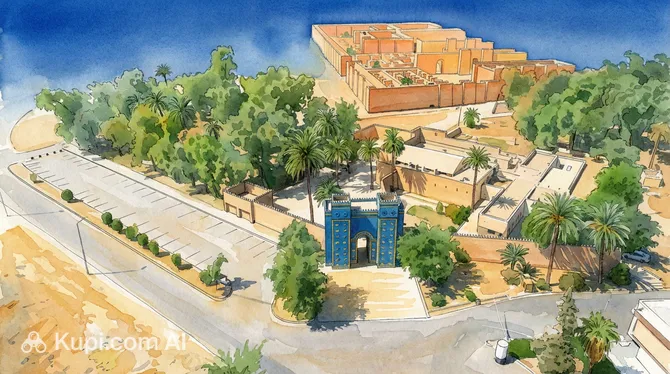
Al-Hilla District is one of the oldest and most colorful areas in the heart of Riyadh Province, Saudi Arabia. This place is steeped in the atmosphere of the old city, where modern rhythms of life intertwine with traditional ways. Located in the central part of the capital, this district serves as a living reminder of what the region looked like decades ago, attracting those seeking authenticity in a fast-growing metropolis.
Al Hilla District. Illustration.
Source: Kupi.com AI
Geographically, Al-Hilla is located in a desert zone, which defines its hot and arid climate. Despite the harsh natural conditions, the area is densely populated and serves as an important commercial hub. A significant portion of the population is engaged in commerce and craft production, giving the streets a dynamic and bustling character throughout the day.
For tourists, this area is primarily interesting for its traditional markets and proximity to the kingdom's key historical monuments. Walking through its narrow streets, you can feel the true spirit of Arabia, see ancient architecture, and get acquainted with the daily life of local residents. Al-Hilla District is an ideal starting point for those who want to begin their journey into the country's cultural heritage.
Weather Overview
The Al-Hilla District, like the entire central part of the Arabian Peninsula, is characterized by an extreme desert climate. Summers here are very hot: from June to August, the average maximum temperature often reaches +42°C...+43°C. Precipitation is practically non-existent in the summer months, and the air remains very dry, requiring travelers to pay special attention to hydration.
The winter period, on the contrary, pleases with mild and pleasant weather. In January and February, daytime temperatures stay in a comfortable range of +15°C...+24°C, although it can be quite chilly at night—the thermometer sometimes drops to +9°C. This is the ideal time for long walks through historical quarters and exploring outdoor attractions.
Expect predominantly sunny weather throughout the year with occasional rain in the spring and winter periods. Dust storms can occur in the spring, but they are usually brief. When planning a visit to Al-Hilla, it is best to choose the months from November to March, when the climate is most favorable for tourism.
Average monthly temperature
Average monthly precipitation
Interesting Facts
Al-Hilla is part of the historical core around which the modern metropolis of Riyadh grew, while preserving the street layout typical of old Arab quarters.
The district is known as the region's largest wholesale center—this is where you can find rare goods and fabrics brought from all over the kingdom.
Many buildings in this area were built using traditional techniques that allow rooms to be naturally cooled in conditions of extreme desert heat.
In the immediate vicinity of the district is the legendary Deera Square, where important state ceremonies and events are held.
Al-Hilla is a place where you can hear many dialects, as representatives from different regions of the peninsula traditionally live and trade here.
How to Get There
Getting to Al-Hilla District is quite simple, as it is located in the central part of the capital. The main air gateway for travelers is King Khalid International Airport (RUH). This is a large, modern hub receiving flights from all over the world. From the airport to the district, you can take a taxi or book a transfer via mobile apps; the trip will take about 30-40 minutes depending on traffic.
For those traveling within the country, the railway is a convenient option. The capital's main railway station provides regular service to the eastern regions. Modern trains offer a high level of comfort, and the journey from the station to Al-Hilla by car will take no more than 15 minutes.
The city is also connected by a network of high-speed highways to other major centers. Traveling by bus or rented car is a great way to see the country's desert landscapes. Within the city and the district itself, the public transport network is actively developing, making trips even more accessible.
Main Attractions
Al-Hilla District is located in close proximity to the capital's main historical treasures. One of the most significant attractions nearby is the Masmak Fortress—a majestic clay and mud-brick structure that played a key role in the unification of the kingdom. Visitors can see a museum exhibition here telling the story of the city's heroic past and the history of the state's foundation.
Another must-visit on your itinerary is Souq Al-Zal. This is the oldest market in the city, where the air is filled with the scents of frankincense and oriental spices. Here you can find unique antique items, traditional handmade carpets, and the famous Saudi daggers known as khanjars. The atmosphere of this place literally allows you to take a journey back in time.
For those interested in culture, the King Abdulaziz Historical Center is within walking distance. It is a modern museum complex surrounded by green gardens, showcasing artifacts that illustrate the country's development from antiquity to the present day. Visiting this place will help you better understand the deep connection between the traditions of the Al-Hilla district and the country's modern image.
Local Cuisine
The cuisine in Al-Hilla District is a real feast for foodies wanting to try authentic Najdi dishes. The main dish here is rightfully considered kabsa—fragrant rice with meat (usually lamb or chicken), heavily seasoned with spices and garnished with nuts. You should also try jareesh—a traditional porridge made of crushed wheat with yogurt and meat, which is an important part of the local heritage.
The district's gastronomic scene is represented by many small eateries serving fresh falafel, hummus, and shawarma. Dates hold a special place here, with dozens of varieties offered. They are traditionally served with strong Arabic coffee—gahwa—which is infused with cardamom and saffron, creating a unique warming taste.
For fish lovers, it's worth checking out specialized restaurants offering seafood from the Persian Gulf, grilled with local herbs. A meal in this area is not just about eating, but an important social ritual. Many establishments offer traditional floor seating on carpets, allowing you to fully immerse yourself in the atmosphere of Arabian hospitality.
Travel Tips
A trip to Al-Hilla District promises to be exciting if you consider a few practical points in advance. These tips will help you feel confident and enjoy every minute of your journey.
Clothing and dress code: Choose clothing made of natural fabrics that covers shoulders and knees. Despite the liberalization of rules, a modest clothing style is still a sign of respect for local traditions. Don't forget sunglasses and comfortable shoes for walking through the markets.
Transport: It is recommended to use official taxi apps (Uber or Careem), as this is the most reliable way to travel with a fixed price.
Finance: The local currency is the Saudi riyal (SAR). Cards are accepted almost everywhere, but for small shops in the Al-Hilla markets, it's worth having cash on hand.
Health: Always carry a bottle of water with you to avoid dehydration. Pharmacies are easy to find throughout the district and they stay open late.
Communication: The official language is Arabic, but in tourist areas and shops, many people speak English. Learn a few phrases like "Shukran" (thank you); it always builds rapport.
Etiquette: Avoid photographing local residents (especially women) without their explicit consent. Be prepared for many establishments to close for 20-30 minutes during prayer times (5 times a day).
What to avoid: Do not express affection publicly (hugging, kissing) and do not consume alcohol—this is prohibited by law and can lead to serious problems.
Specific advice: Visit the Al-Hilla markets either early in the morning or after 5:00 PM, when the heat subsides and trading becomes most lively.
By following these simple rules, you will discover the wonderful world of Arabian hospitality and take home only the warmest memories!
Entertainment & Nightlife
Entertainment in the Al-Hilla District is primarily traditional and cultural in nature. During the day, the main activity is centered around walking through historical centers and visiting museums, such as the National Museum. In the evening, when the heat subsides, the district and its adjacent central squares come alive: locals gather in traditional coffee shops to discuss the news over a cup of Arabic coffee and dates.
The nightlife here is devoid of the club noise typical of Western capitals, but offers a special atmosphere of evening markets and walks under the starry sky. Safety in this area is at a high level, allowing tourists to walk comfortably along the lit streets even at late hours. For young people and fans of modern leisure, venues such as Boulevard Riyadh City, which hosts concerts and theatrical shows, are available within a 15-20 minute taxi ride.
If you are looking for a quiet holiday, you should pay attention to the city parks located nearby, where you can enjoy the coolness of fountains. In Al-Hilla District, entertainment is primarily about immersing yourself in the local environment, observing the daily life of Saudis, and tasting street food, which becomes particularly diverse after sunset.
Parks & Museums
Despite the dense construction, you can find beautiful places for outdoor recreation near Al-Hilla District. Salam Park is a spacious oasis with a large artificial lake, walking paths, and green lawns. It is an ideal place for a family picnic or an evening stroll, where you can relax from the city noise and enjoy the coolness by the water.
For history buffs, the main attraction is the National Museum of Saudi Arabia. Its exhibits cover a vast period: from prehistoric times to the modern era. The museum impresses with its interactive displays and large-scale reconstructions of ancient temples and fortresses. It is one of the most technologically advanced and interesting cultural institutions in the region.
It's also worth stopping by the King Abdulaziz Historical Park, which surrounds the museum complex. Here you can see the royal family's vintage cars and walk in the shade of palm trees. These cultural and natural sites allow you to balance exploring the bustling markets of Al-Hilla with informative and peaceful relaxation.
Getting Around
The transport system in the Al-Hilla District is actively developing, offering tourists several convenient ways to get around. The backbone consists of city buses that connect the area with key points of the capital. Fare payment is usually made using smart cards, which can be purchased and topped up at special terminals or through a mobile app.
Taxi remains the most popular and comfortable means of transport, especially during hot hours. International and local ride-hailing services, such as Uber and Careem, operate actively in the city. This allows you to know the cost of the trip and the route in advance. For short distances within the district, many prefer walking, although weather conditions should be taken into account.
The capital has also launched a modern metro network that is gradually covering more areas. The metro stations impress with their futuristic architecture and are equipped with everything necessary for passenger comfort. Using public transport in Al-Hilla is a great way to feel the rhythm of life in the metropolis and reach any attraction quickly and affordably.
Accommodation
Accommodation options in the Al-Hilla area and its surroundings range from modest guest houses to luxury hotels of international chains. For those who want to be in the center of events and feel the flavor of the old city, small traditional hotels are suitable. They are often decorated in an Arabic style and offer a high level of hospitality at a moderate price.
If you prefer premium service, fashionable hotel complexes with swimming pools, spas, and fine dining restaurants are located 10-15 minutes away from the district. These hotels are usually closer to business districts but provide quick access to the historical zone. Rental apartments are also popular among tourists planning a long stay in Al-Hilla.
It is recommended to book accommodation in advance, especially during the winter season and during the "Riyadh Season" festival, when the influx of tourists increases significantly. When choosing a place to stay, look for proximity to major transport arteries to minimize travel time around the city.
Nearby Cities
Al-Hilla District serves as an excellent starting point for exploring the central part of the kingdom. Just a few kilometers away is Riyadh—a dynamic capital where skyscrapers sit alongside traditional quarters. A trip there takes only minutes and allows you to enjoy world-class shopping and ultra-modern architecture.
It is definitely worth visiting the historical city of Ad Diriyah, located just 22 kilometers away. This place is the cradle of the first Saudi state. A walk through the restored At-Turaif district, a UNESCO World Heritage site, will provide an unforgettable experience of viewing ancient palaces and mud-brick fortifications.
For those who want to see life outside the capital, an interesting destination is Al-Kharj, known for its agricultural lands and deep natural wells. Exploring the surroundings allows you to see the diversity of the country's landscapes: from endless sands to thriving oases, making every trip unique.
Shopping & Souvenirs
Shopping in Al-Hilla District is primarily a treasure hunt in traditional markets. The area is famous for its textile shops, where you can purchase high-quality fabrics, from the finest cotton to heavy velvet. This is where locals come for materials to sew national clothing, such as abayas and thobes.
In addition to fabrics, local shops offer a wide selection of home goods, kitchenware, and traditional incense. For tourists, the best souvenirs are sets of local dates, honey, and unique leather goods. Prices in this area are often lower than in large shopping centers, and the bargaining process is an integral and exciting part of the purchase.
Shops usually operate with a break for the afternoon heat and prayers, opening early in the morning and continuing until late in the evening. For those who prefer a modern format, huge malls with international brands are available in the nearby areas of the capital. However, it is in Al-Hilla where you can find those authentic items that convey the true character of this region.