Support

Bisha

About

Bisha is a fascinating corner in the southwest of Saudi Arabia, greeting guests with an atmosphere of traditional hospitality and the tranquility of provincial life. The city is nestled in the eponymous valley, which is rightfully considered the longest on the entire Arabian Peninsula. There is no bustle of megacities here, and life flows in harmony with nature and age-old traditions.

Located at an altitude of about 610 meters above sea level in the Asir province, Bisha is an important agricultural and administrative center of the region. With a population of over 200,000 people, the city unites hundreds of villages and settlements, creating a unique landscape where modern buildings sit alongside endless date groves and state farms.
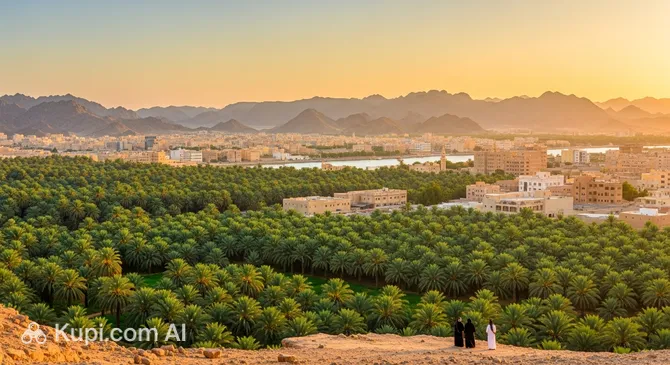
Bisha. Illustration.
Source: Kupi.com AI

The rich history of this region is inextricably linked with ancient trade routes and mining. One of the main gems of the surrounding area is the archaeological site of Al-Abla—one of the key centers of ancient metal mining in the region. Tourists are attracted here by the opportunity to see the authentic life of southern Arabia and enjoy the picturesque views of the valley.

Visiting this city is an invitation to slowly explore authentic markets, get acquainted with local farming traditions, and immerse yourself in a culture that has preserved its purity. Bisha is an ideal point on the itinerary for those seeking the true spirit of the kingdom away from the well-trodden tourist paths.

Weather Overview

Bisha is characterized by a hot desert climate typical of this region, but its geographical position introduces its own adjustments. Thanks to an altitude of over 600 meters above sea level, the summer heat here is somewhat easier to bear than on the coast, although temperatures in July and August often exceed the +39°C mark. Winters in the city are moderate and very comfortable: in January, daytime maximums stay around +25°C, while night-time coolness can drop to +10°C.

Precipitation in this part of Saudi Arabia is rare and most often occurs in the spring months (March and April) when the region comes under the influence of seasonal monsoons. The total amount of rain is small, and most of the year the sky remains cloudless. It is worth considering that due to the terrain features, sandstorms can sometimes occur in the valley, affecting visibility and air quality.

If you are planning a visit, it is useful to study the weather in Bisha by month in advance. The most favorable time for a trip is considered to be the period from October to March, when mild warmth sets in, ideal for sightseeing outdoors without the exhausting heat.

Average monthly temperature

Average monthly precipitation

Interesting Facts

  • Bisha was once a fully independent province of Saudi Arabia before becoming part of the Asir region.

  • The city is located in the Bisha Valley, which is officially recognized as the longest valley on the entire Arabian Peninsula.

  • This huge agrarian province includes about 240 villages and over 50 large settlements scattered along the valley bed.

  • The Al-Abla archaeological site, located nearby, is one of the most important ancient metallurgical centers in the history of the kingdom.

  • Thanks to its elevation of 610 meters above sea level, the climate here is somewhat milder than in the coastal lowland deserts of the country.

How to Get There

There are several ways to reach this strategically important center in the south of the country, although the city retains an atmosphere of remoteness from the main metropolises. Bisha serves as an important transit point connecting various parts of the Asir province, making it accessible by both air and land. If you are planning a trip in advance, it is worth exploring all the options for how best to get to Bisha.

Air service is provided through the local Bisha Airport (BHH). It regularly handles domestic flights from Riyadh, Jeddah, and Abha. The flight from the capital takes about 2–3 hours. From the terminal building, you can quickly reach the city center by taxi or rental car in just 20–40 minutes; traffic jams in this area are very rare.

AirportPassenger trafficDistance
Bisha Airport3 km
Al-Aqiq Airport340 606105 km
Abha Regional Airport4.4 mln192 km
Taif Airport1.2 mln271 km
Wadi Ad Dawasir Airport54 685279 km

For road trip enthusiasts, high-quality highways have been laid out. The journey from Abha is about 200 kilometers and takes from 2 to 3 hours along scenic mountain roads. There is also a SAPTCO bus service linking the city with Riyadh and other major centers, but keep in mind that such a trip can take up to 10 hours, and schedules may be limited.

Within the region, renting a car remains the most convenient way to get around. This gives you the freedom to explore the numerous villages and farms scattered throughout the valley. Intercity transport is moderately developed, so for foreign tourists, a personal or rented vehicle will be the key to a comfortable journey.

Main Attractions

Although Bisha is not a mass tourist center, this city hides real treasures for lovers of history and nature in its surroundings. The ancient archaeological site of Al-Abla is considered the main magnet for explorers. This place was once an important mining center, and today it allows you to touch ancient metal mining technologies that flourished in the Asir region thousands of years ago.

The Bisha Valley itself is a natural attraction of incredible scale. Walks through its territory reveal endless agricultural lands and traditional farms. The valley landscapes are particularly beautiful at sunset, when the soft light emphasizes the mountain relief and the greenery of palm groves, creating ideal conditions for landscape photography.

For those who want to feel the rhythm of local life, the traditional markets in the city center are a must-visit. These are not just places for trade, but real cultural hubs where you can see the products of local artisans, taste the freshest dates, and observe the traditional exchange of goods that has changed little over the decades.

The city's central squares reflect the rich heritage of the Asir province. Here you can encounter elements of traditional architecture and get acquainted with the original lifestyle of the southern people. The absence of crowds of tourists makes visiting these places a truly personal and deep experience, allowing you to feel the sincere hospitality of the local residents.

Local Cuisine

The gastronomy of Bisha is a true embodiment of the culinary traditions of the southern part of Saudi Arabia. The local diet is based on simple but hearty dishes made of meat, rice, and spices. Be sure to try kebabs and traditional mansaf, as well as sambusa—crispy pastries with various fillings. An important part of the meal is freshly baked khubz bread, which is served with almost any order.

Dates hold a special place in the food culture. Bisha is famous for its date groves, and this fruit is considered the best addition to any table here. A meal is usually accompanied by traditional Arabic coffee (gahwa), brewed with cardamom and served in small cups without sugar, which perfectly complements the sweetness of the local dried fruits.

The city's restaurant scene is concentrated around the markets and in central neighborhoods. Family establishments and authentic cafes predominate here, where you can try food prepared according to home recipes. It is worth remembering that there is a strict ban on alcohol in the city, so the emphasis is on fresh juices, especially from local fruits, and various types of herbal tea.

For those who want to experience food in its most informal form, head to the traditional markets. There you can find the best street food, the freshest products straight from the farms, and unique sets of spices that give Asir dishes their unique aroma. The city's gastro scene is quiet and conservative, but incredibly welcoming to those ready to discover new flavors.

Travel Tips

Preparing for a trip to Bisha will help you feel confident and fully enjoy the hospitality of this southern region. Here are some practical tips that will be useful for every traveler:

  1. Clothing and Dress Code: Choose clothing made of light, natural fabrics, but remember modesty. In public places, shoulders and knees should be covered. Comfortable closed shoes are mandatory for walking along the dusty roads of the valley or archaeological sites.
  2. Transport: The best way to get around is car rental directly at the airport. Public transport runs rarely, and it is more convenient to call a taxi through official services in the center.
  3. Finances: The official currency is the Saudi riyal. Cards are accepted in hotels and large stores, but for markets and small shops in villages, be sure to have a cash reserve. ATMs are easy to find in the city center.
  4. Health and Safety: The city is very safe, but always carry a water supply with you to avoid dehydration in the heat. Pharmacies are concentrated on the main streets.
  5. Communication: The primary language is Arabic. English is moderately common, so knowing basic phrases (greeting, thank you) will be very helpful. A SIM card from local operators can be bought at the airport or communication stores in the city.
  6. Local Etiquette: Be prepared for the fact that during prayers (5 times a day), shops and cafes close for 15–30 minutes. This time should be taken into account when planning your day.
  7. What to Avoid: Do not photograph local residents without their explicit consent, especially women. Also, avoid walking in remote desert zones alone after dark.
  8. Specific Tip: If you plan to visit Bisha in summer, keep an eye on forecasts for sandstorms—they can happen suddenly in the valley.

Following these simple rules will make your stay in the region comfortable and allow you to focus on the amazing discoveries this land offers!

Entertainment & Nightlife

Entertainment in a city as calm and traditional as Bisha is primarily family-oriented and contemplative in nature. Nightlife in the familiar Western sense with clubs and bars is absent here, as the city lives in accordance with conservative norms. However, this does not mean that the evenings are boring: after sunset, the city comes alive at local markets and in cozy cafes where residents gather for leisurely conversations.

The main places for evening leisure are the central streets and traditional bazaars. Here you can meet groups of friends and families enjoying the cool air over a cup of Arabic coffee. The atmosphere is very friendly and safe, making evening strolls through the illuminated neighborhoods a pleasant end to the day. If you are looking for more active recreation, locals often go on picnics in the Bisha Valley, where they organize traditional dinners under the starry sky.

For those who miss the city drive and large-scale entertainment, a popular option is a trip to neighboring Abha (about 2-3 hours away). Major shopping centers, theme parks, and seasonal festivals are available there. In Bisha itself, the focus is shifted to authenticity: visiting local farms or watching video tours about the region's nature are the main ways for guests to spend their free time.

Parks & Museums

The green zones of Bisha are not like the classic urban parks found in major capitals. Here, the Bisha Valley itself plays the role of the city's main "lungs." Thanks to developed agriculture, extensive date groves and farmlands stretch along the valley bed. These territories create a pleasant microclimate and are a favorite spot for locals for outdoor family picnics.

As for cultural institutions, there are practically no classic museums with exhibition halls in the city. However, their absence is more than compensated for by archaeological sites of global significance. The ancient site of Al-Abla can be called a real open-air museum. Here, researchers and tourists can see the remains of ancient settlements and mining shafts that tell the history of the region better than any exhibits behind glass.

For those looking for more organized park recreation, small municipal green zones are available near markets and central administrative buildings. Although the scale of landscaping might seem insufficient for such a large population, the valley's natural vegetation compensates for this lack. If you crave full-fledged forest walks and manicured national parks, it is worth heading to the Asir mountains, where nature appears in all its high-altitude majesty.

Getting Around

The public transport system in Bisha is quite modestly developed, which is typical for many provincial cities in the kingdom. The main way of getting around for those without a private car is by taxi and private minibuses known as "shari." They run between the city center, the main markets, and numerous villages in the valley. The fare in such minibuses is low, but they are often overcrowded during peak hours.

There are no metros, trams, or modern trolleybuses in the city. SAPTCO intercity buses stop in the city according to a schedule, linking it with major hubs, but within the province itself, their routes are limited. Due to the large span of settlements along the valley, walking is convenient only in the very center; for visiting remote farms or archaeological sites, transport is vital.

The most practical solution for a tourist is renting a car. This will allow you not to depend on infrequent public transport and to freely explore the surroundings. Traffic in the city is calm, jams are rare, and navigation is intuitive. Taxi services via mobile apps are also gradually becoming available, making it easier to move around the central areas.

Accommodation

The hotel infrastructure in Bisha is primarily oriented towards business travelers, transit tourists, and expats working in the agricultural sector. You won't find luxury five-star resorts here, but the city offers a decent choice of quality mid-range hotels in the 2–3 star category and furnished apartments.

The most convenient accommodation options are concentrated in the central part of the city and in areas adjacent to the airport. Apartments are in high demand among those planning to stay in the region for a long term, as they provide home comfort and the possibility of self-catering. Housing prices here remain very affordable compared to the kingdom's major metropolises.

When planning a visit, it is recommended to book accommodation in advance, especially if your trip coincides with important local holidays or periods of active trade in the markets. Most hotels offer a standard set of services, including Wi-Fi and parking, which is important given the need for a car in this region. Major booking services work properly, allowing you to easily find a suitable option online.

Nearby Cities

Bisha is an excellent starting point for exploring the unique Asir region. Although the city is located in a valley, majestic mountains offering completely different landscapes and climates begin just a few hours' drive away. The surroundings are rich in small towns, each preserving the unique cultural traditions of southern Arabia.

One of the most interesting destinations is An-Nimas, located about 105 km away. This city in the Sarawat Mountains is famous for its coolness and frequent fogs, creating a sharp contrast with the arid valley. It is also worth paying attention to Al-Baha—a city of gardens and ancient towers, which can be reached in a couple of hours while enjoying breathtaking mountain serpentines.

CityPopulationDistance
An Nimas53 908105 km
Al Majaridah53 629112 km
Al Baha21 983118 km
Al Qunfudhah300 516184 km
Khamis Mushait99 213186 km

For those ready for a longer journey, 186 km away is Khamis Mushait, a major commercial center of the region. Exploring the surroundings will allow you to see all the diversity of Saudi Arabia's nature: from the fertile lowlands of the valley to the cloud forests of the highlands. Each such trip is a chance to discover new facets of Arabic hospitality and the beauty of the landscapes.

Shopping & Souvenirs

Shopping in Bisha is primarily an immersion into the atmosphere of traditional oriental bazaars. You won't find huge glittering malls with international brands here, but you will find an abundance of authentic markets (souks) where trade is conducted just as it was decades ago. The main focus is on locally produced goods, agricultural products, and traditional crafts.

The most popular item to bring back from here is dates. Bisha is famous for its varieties, which are considered some of the best in the country. Also in the markets, you can find excellent local honey collected in the Asir mountains and unique spice sets. For souvenir lovers, handmade fabric items made in the characteristic southern style, as well as replicas of archaeological finds from ancient Al-Abla, will be of interest.

Main shopping points are concentrated in the central neighborhoods of the city. Shops usually open in the morning, close during prayer times, and take a long break during the hottest afternoon hours, resuming work in the evening. Major shops accept cards, but in small markets, it is always worth having cash in local currency. Don't forget that visiting the bazaar is also a social experience where polite communication with sellers is valued.

Reached the end of the page?

That means the route is fully explored