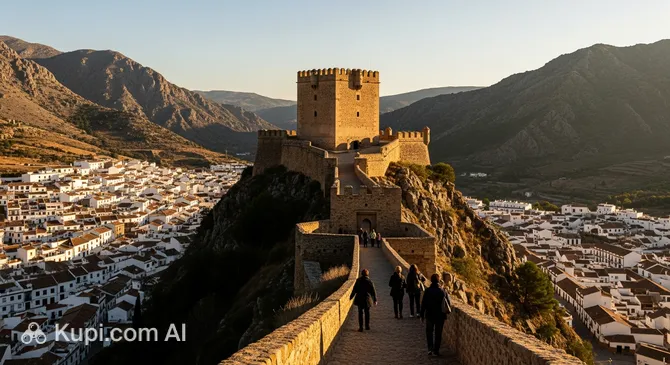
Petrer is a charming and distinctive town located in the heart of the Alicante province, in sunny Spain. Unlike the busy coastal resorts, this place offers travelers the chance to immerse themselves in the atmosphere of authentic Valencian life, where industrial traditions harmoniously coexist with centuries-old heritage. The town sits at an altitude of 465 meters above sea level and, together with neighboring Elda, forms a large urban conurbation while maintaining the cozy feel of a provincial center.
Petrer. Illustration.
Source: Kupi.com AI
The area around the town is famous for its rich history, dating back to the Roman and Arab eras. Petrer does not strive to be a center of mass tourism, which makes it an ideal choice for those seeking tranquility and authenticity. Here, you can see how modern industrial districts, known for the production of footwear and ceramics, seamlessly transition into the narrow streets of the old town leading to the majestic castle.
The main ornament and symbol of the city is Castell de Petrer — one of the most impressive fortresses in the region, towering over the residential quarters. It is also worth paying attention to the archaeological finds that testify to the ancient past of these lands. We invite you to visit Petrer to feel the rhythm of the real Spanish province, enjoy mountain views, and touch the living heritage of the past.
Weather Overview
The climate in Petrer is typical of the inland areas of the Alicante province: it is a Mediterranean type with pronounced arid features. Summers here are hot and dry, with temperatures in July and August frequently rising to +32°C and above. Winters, by contrast, are very mild and sunny, with average daytime figures around +14°C... +16°C, although nights can be cool.
Precipitation in the region is infrequent, averaging about 366 mm per year, and most of the rain falls during the transitional seasons — spring and autumn. If you are planning a visit, it is worth noting that the wettest months are traditionally March and September. However, even during these times, prolonged downpours are rare, and the sun quickly returns to the sky.
Thanks to its location at an altitude of 465 meters, the air in the city is well-ventilated, which makes the summer heat more tolerable than on the coast. Detailed weather in the city is available on our dedicated page, where you can find up-to-date forecasts. Overall, Petrer is wonderful to visit year-round, but April, May, and October are considered the most comfortable for walking.
Average monthly temperature
Average monthly precipitation
Interesting Facts
Petrer has preserved one of the most iconic Moorish castles in the province of Alicante — Castell de Petrer, which remains a symbol of the city and its main historical pride.
Archaeologists discovered the remains of the ancient Roman villa Villa Petraria here, dating back to the 3rd century, where ceramic kilns for producing bricks and tiles once operated.
Petrer forms a single urban area with the neighboring city of Elda, creating a unique conurbation where the boundaries between the two municipalities are practically erased in daily life.
The annual Moros y Cristianos festival in Petrer is considered one of the most vibrant and large-scale in the region, detailing historical battles and the Moorish past of these lands.
The municipality covers an area of over 104 square kilometers and is located at an altitude of 465 meters, providing the city with fresher air and pleasant ventilation compared to the coast.
How to Get There
Petrer has good transport accessibility despite not having its own airport. The city is located on an important road artery linking the coast with the center of the country, making it a convenient stopover point while traveling through eastern Spain. You can find detailed routes and tips on the page about how to get to the city.
The main air gateway for tourists is the Alicante–Elche Airport (ALC), located approximately 40 kilometers from the city. The journey by car or taxi from the terminal takes about 40–50 minutes. Regional buses also run between the airport, Alicante, and Petrer, although during peak hours, it is worth allowing extra time for potential traffic congestion.
Rail connections are available via the Elda-Petrer station, which serves both cities. From here, trains depart for Alicante, Valencia, and other major centers. The train journey to the coast takes about an hour, providing an excellent alternative to road transport for those who prefer to travel by rail.
The main architectural landmark of Petrer and its most recognizable sight is Castell de Petrer. This Moorish castle, built on a hill, is considered one of the best-preserved fortifications in the province of Alicante. A walk along its walls allows you not only to study medieval military architecture but also to enjoy panoramic views of the city and the Vinalopó River valley.
No less interesting are the Casas Cueva — unique cave houses carved directly into the rock around the fortress hill. Many of them were used as dwellings for centuries and today represent a living museum of folk life. Exploring the old town, you will also come across religious monuments such as the Ermita de San Bonifacio and the Ermita del Santísimo Cristo del Monte Calvario, which play a key role in the spiritual life of the locals.
For those interested in antiquities, the Damaso Navarro museum is a must-visit. Its halls house unique archaeological finds, including artifacts from the Roman villa Villa Petraria, dating back to the 3rd century AD. If you prefer outdoor walks, head to the Rambla De Puça pedestrian area or explore the Xorret del Catí mountain trails, which attract hiking and cycling enthusiasts with their picturesque landscapes.
Local Cuisine
The gastronomy of Petrer is a classic reflection of the traditions of inland Valencia. Local cuisine is based on simple but high-quality ingredients: extra virgin olive oil, fresh vegetables from the Vinalopó valley, meat, and fish. Hearty dishes are valued here, as they historically helped to restore strength after working in vineyards and shoe workshops.
Among the signature recipes that are definitely worth trying is gazpacho manchego. This is a flavorful hot dish made from game or rabbit, served on a thin flatbread. Classic paella and snail dishes prepared with herbs and spices are also always present on local restaurant menus. For dessert lovers, the city offers traditional pastries and sweets characteristic of this region.
It is customary to accompany a meal in Petrer with local wines. The Alicante region is famous for its wineries producing both robust reds and light whites. As a digestif, locals often prefer the traditional aguardiente. The city's gastronomic life is concentrated in cozy family taverns and restaurants in the center, where portions are generous and the atmosphere is exceptionally welcoming.
Travel Tips
Preparing for a trip to Petrer will be easier if you use these practical tips. The city warmly welcomes guests, and a little knowledge of local features will make your stay as comfortable as possible.
Clothing and essentials: In summer, take light clothing made from natural fabrics, sunglasses, and sunscreen, as temperatures often exceed +30°C. For walks to the castle and along mountain trails, comfortable shoes with good grip are essential.
Transport: It is best to get around on foot in the very center. To explore the surroundings and for trips to the mountains, it is recommended to rent a car, as buses to remote natural areas run infrequently.
Finances: The official currency is the Euro. Cards are accepted almost everywhere, but for markets and small cafes in the old town, it is worth having cash on hand. Tipping culture is moderate: leaving 5-10% of the bill in restaurants is sufficient.
Health and safety: Tap water is safe to drink. In the summer heat, remember to drink more water and try to stay in the shade during midday hours. The city is very safe, but standard precautions won't go amiss.
Communication: The primary language is Spanish. In tourist areas and hotels, English is understood, but a couple of phrases like "Hola" (Hello) or "Gracias" (Thank you) will be very warmly received by the locals.
Local etiquette: It is customary to say hello when entering a shop or cafe. Remember the siesta: many establishments close in the middle of the day (roughly from 2:00 PM to 5:00 PM).
What to avoid: Do not plan important business or shopping trips during siesta time — life in the city comes to a standstill during these hours. Also, do not leave valuables in plain sight in a rental car.
Specific tip: Visit the castle in the morning, right after it opens. This way, you will avoid the daytime heat and be able to take the best photos in the soft morning light.
Enjoy every moment in this quiet corner of Valencia, and may your trip to Petrer be filled with only pleasant discoveries!
Entertainment & Nightlife
Petrer is a town with a steady pace of life, where entertainment tends to be traditional and calm. The main centers of social activity are the central squares, where locals love to spend evenings chatting in numerous cafes and local bars. There are practically no loud night clubs or discos here, which makes the city's atmosphere cozy and family-oriented.
If you are looking for a more vibrant nightlife, you should head to neighboring Elda, located just a five-minute drive away, or to Alicante for cocktail bars, concerts, and dance floors. However, it is in Petrer that you can truly feel the spirit of a Spanish fiesta during the famous Moros y Cristianos (Moors and Christians) festival. During these days, the streets are filled with music, theatrical processions, and a festive mood that involves every guest.
Daytime leisure in the city is geared toward fans of active recreation and nature. The surroundings, such as the Xorret del Catí natural area, offer excellent trails for hiking and cycling with different levels of difficulty. This is a great way to trade the urban setting for mountain landscapes and then return to the city center to enjoy a quiet evening in one of the local taverns.
Parks & Museums
The cultural life of the city is inextricably linked to its past, and the main guardian of this heritage is the Museo Dámaso Navarro. This modern museum of archaeology and ethnology is a must-visit: here you can see unique artifacts from prehistoric times to the city's industrial boom. The exhibition is designed to be interesting for both adults and children, allowing you to literally touch history through archaeological finds from the castle and Roman villas.
In terms of park zones, Petrer focuses not on classic urban gardens, but on integration with the surrounding nature. The area around Castell de Petrer and the adjacent ancient cave houses, which form a kind of historical-landscape park, deserves special attention. Walking here, you enjoy not only the architecture but also the well-kept terraces with typical Mediterranean vegetation.
For those looking for a full outdoor retreat, the main destination is Xorret del Catí. This is a natural area in the mountains surrounding the city, which serves as a massive forest park. It is equipped with picnic areas, viewpoints, and many walking trails. It is the perfect place to escape the summer heat and enjoy the silence among the pines and rocks, which fully compensates for the lack of large urban parks in the very center.
Getting Around
The public transport system in Petrer is quite simple and efficient for a city of its size. The main means of transport here are buses. Since the city is closely linked with neighboring Elda, regular municipal lines run between them with intervals of 5–10 minutes. This makes moving within the conurbation quick and convenient for both residents and visitors.
For long-distance trips, regional bus routes are used, connecting Petrer with Alicante and Valencia. Tickets can usually be purchased directly from the driver or at the ticket offices at bus stations. Fares are low, and transport runs strictly according to the schedule, which can be checked at stops or in the mobile applications of the region's transport companies.
In the city center itself, you will hardly need public transport — Petrer is very compact, and most attractions are easily accessible on foot. Alternatively, you can use taxi services, which operate 24 hours a day. Bicycles are also a popular way to get around, especially for trips to natural areas, although the hilly terrain of some districts should be taken into account.
Accommodation
Accommodation in Petrer is geared towards travelers who value home comfort and authenticity. You won't find huge hotel chains or luxury resorts here, but the city offers a decent choice of budget hotels, pensions, and apartments. Most housing options are integrated into the urban environment, allowing tourists to feel like part of the local community.
The most popular area to stay is the city's historic center, near the castle. Choosing a guesthouse in this zone will allow you to wake up with a view of the medieval walls and be within walking distance of the main museums and taverns. For those planning a longer stay, renting an apartment in the residential quarters bordering Elda is a good option, as the infrastructure for shops and services is better developed there.
Accommodation prices in Petrer remain affordable throughout the year; however, during major festivals like "Moors and Christians," it is advisable to book places several months in advance. The spring months (March–May) are considered the optimal time to visit: the weather is already pleasantly warm, and the cost of renting accommodation is often lower than during the peak summer season.
Nearby Cities
Thanks to its location, Petrer serves as an excellent starting point for exploring the inland areas of the Alicante province and neighboring wine-growing zones. Just a couple of kilometers away is the city of Elda, with which it forms a single entity. It is worth visiting for a wider selection of shops, the Footwear Museum, and walks along lively commercial streets.
For a short one-day trip, Novelda, located 11 kilometers away, is perfect. This city is famous for its Modernist heritage, especially the magnificent Sanctuary of Santa Maria Magdalena, which is often compared to Gaudí's creations. Also of interest is Monóvar, known for its winemaking traditions and historical center with an aristocratic atmosphere.
City
Population
Distance
Elda
52 551
2 km
Monóvar
12 387
8 km
Novelda
25 611
11 km
Monforte del Cid
8 619
12 km
Castalla
11 097
15 km
If you feel like swapping the mountains for the sea, the drive to the city of Alicante takes no more than 40 minutes. This makes it easy to combine a cultural holiday in Petrer with relaxation on the beaches of the Costa Blanca. Exploring the surrounding towns will give you a more complete picture of the diversity and richness of the culture of this region of Spain.
Shopping & Souvenirs
Shopping in Petrer is primarily an opportunity to purchase high-quality leather goods. The city, like neighboring Elda, has been famous for its footwear production traditions for decades. In the streets of the center, you can find small specialized shops selling shoes and accessories from local factories at very attractive prices. This is a case where a souvenir from a trip will be not only beautiful but also practical.
For everyday purchases and immersion in the local flavor, it is worth visiting the weekly city markets. Here, vendors offer the freshest products from the Vinalopó valley: fragrant fruits, vegetables, local olive oil, and olives. There are no giant shopping malls in Petrer itself, which preserves the charm of traditional trade, but if you need a classic shopping center with global brands, residents usually head to neighboring Elda or Alicante.
As commemorative gifts, tourists often choose local ceramics — another traditional craft of the region. Shop opening hours are typical for provincial Spain: most of them close for siesta from 1:30 PM to 5:00 PM. Major retail outlets accept international bank cards, while in small market stalls, it is better to have some cash in Euros.