Support

Château de Prangins - Swiss National Museum

About

Rising on a picturesque hill above Lake Geneva, Prangins Castle (Château de Prangins) is a magnificent example of 18th-century architecture. This majestic structure in the commune of Prangins, near the town of Nyon, is the largest castle of its era in the country open to the general public. Today, it houses a branch of the Swiss National Museum, making it a key cultural center where Switzerland carefully preserves its history and traditions.
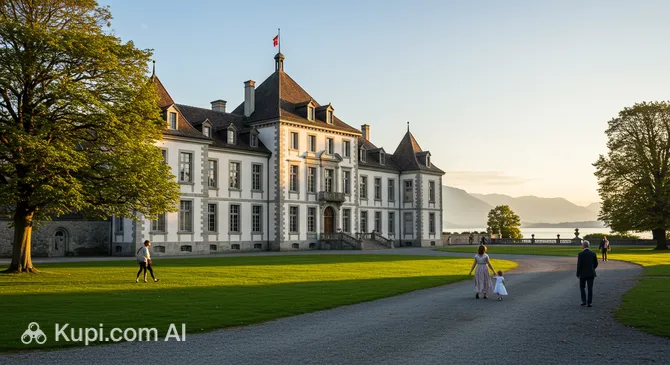
Prangins Castle
Prangins Castle. Иллюстрация. Источник: Kupi.com AI

The castle impresses with its classical elegance in the French Enlightenment style with subtle Baroque elements. It is surrounded by a magnificent five-hectare estate, featuring a romantic park, shaded alleys, and perhaps the estate's greatest pride—the largest historical kitchen garden in the country. Vegetables and medicinal herbs used by the castle's inhabitants centuries ago are still grown here, creating a living link between eras.

Inside the building, visitors will find 40 exhibition halls dedicated to the period from 1750 to 1920. The displays tell the story of the formation of Swiss identity and the development of the economy, education, and tourism through authentic household items and modern multimedia installations. Prangins Castle is not just a museum, but a place where history comes alive in aristocratic reception rooms and the quiet beauty of blooming gardens.

Contacts

For those planning a personal visit or wishing to clarify details about events at this historic site, the current contact information is provided below. You can contact the administration in advance by phone or email, or visit the museum's official website to check current ticket prices.

How to contactContact
AddressAv. Général Guiguer 3, 1197 Prangins, Switzerland
Phone+41 22 994 88 90
Websitechateaudeprangins.ch

What to Do

The highlight of your visit will be the immersion into the daily life of the aristocracy of past centuries. Be sure to visit the permanent exhibition "Noblesse Oblige!", where audio guides let you hear the voices of former residents and learn about their habits, celebrations, and daily lives in the luxurious reception rooms. Interactive elements allow guests to do more than just look at the exhibits—they can literally feel the rhythm of life of Baron Louis-François Guiguer and his family.

A stroll through the estate is equally fascinating. You can visit the unique historic kitchen garden, which features rare plant species once served at noble tables, or explore the medicinal properties of herbs at the "The garden reveals itself" exhibition. For those interested in the country's global history, the "Panorama of Swiss History" and "Switzerland on the Move" halls are open, featuring exhibits such as the famous Breguet watches and even reconstructions of colonial shops.

In addition to the permanent routes, the castle regularly hosts temporary art exhibitions, cultural festivals, and open-air concerts. Panoramic views of Lake Geneva from the park provide a stunning backdrop for photos and allow you to enjoy the tranquility of Swiss nature after an enriching intellectual experience in the museum halls.

Getting There

Prangins Castle is conveniently located in the commune of Prangins, just a couple of kilometers from the center of Nyon. If you prefer public transport, the best option is the Swiss Federal Railways (SBB) train to Nyon station from Geneva or Lausanne. From the station, it is about a 15-minute walk, or you can take bus lines 810 or 812, which will take you to the Prangins, Château stop in just a few minutes.

For those traveling by car, the drive from Geneva takes between 20 and 30 minutes via the A1 motorway (Nyon-Prangins exit). Free parking for museum visitors is available at the castle walls, making it an ideal destination for a relaxed day trip by private or rental car.

During the warmer months, the vicinity of the castle can also be reached by water. Regular CGN cruise ships ply Lake Geneva and stop at the port of Nyon. A stroll from the waterfront to the castle gates allows you to enjoy the fresh lake breeze and picturesque views of the Alps before immersing yourself in the 18th-century atmosphere.

Ближайший город: Nyon

History & Facts

The history of this site dates back to the Middle Ages, when a fortress stood here, only to be completely destroyed by fire during the Bernese invasion in 1536. Prangins Castle acquired its modern appearance in the 1730s thanks to the French banker Louis Guiguer. Having grown wealthy through the textile trade, he decided to build a residence in the classic French style and acquired the title of Baron de Prangins, transforming the ruins into a symbol of Enlightenment elegance.

The founder's son, Jean-George Guiguer, secured the castle's place in world cultural history by providing refuge to the great thinker Voltaire during the winter of 1754/55. During this period, the castle continued to develop: its own chapel was added, and the surrounding gardens were significantly expanded. Later, in 1814, the estate briefly passed into the hands of Joseph Bonaparte, Napoleon's elder brother, who carried out a major renovation of the interiors in preparation for his residence there.

In the 19th century, the building's purpose changed several times: it served as an institute for boys under the direction of the Moravian Brethren (Herrnhuters) and as a private residence for Prince Napoléon Joseph Charles Paul Bonaparte. This varied succession of owners left its mark on the architecture and interior decoration, which combines imperial grandeur with the austere practicality of an educational institution.

The modern chapter of the castle's life began in 1975, when the cantons of Vaud and Geneva donated it to the Swiss Confederation. After a long and meticulous restoration, in 1998—to mark the centenary of the Swiss National Museum—the castle opened its doors to the general public as its largest French-speaking branch, becoming a national historical monument.

Time Needed

To fully appreciate the architectural grandeur and the wealth of the museum's collections, visitors are recommended to set aside 2 to 3 hours for their visit. Typically, about an hour and a half is spent touring the internal exhibitions and castle interiors, while the remaining time is perfect for a leisurely stroll through the extensive park and the unique historic kitchen garden.

If you plan to visit the temporary exhibitions frequently held in the museum's halls, or if you decide to linger for a coffee with a view of Lake Geneva, it is worth budgeting half a day for your visit. The peaceful atmosphere of the estate invites long contemplation, so many tourists prefer to take their time, combining a cultural program with relaxation in nature.

Working Hours

Prangins Castle welcomes visitors throughout the week, except on Mondays. According to the official schedule, the museum is open Tuesday to Sunday from 10:00 AM to 5:00 PM. Please note that ticket counters and entrance to the grounds may close slightly earlier than the main closing time.

The museum remains accessible to guests on most public holidays, including Easter, Ascension, and Swiss National Day. The only fixed closing days of the year are December 25th and January 1st. During the Christmas holidays, opening hours may be slightly reduced, so it is recommended to check the official website for current information before your visit.

DayWorking hours
ПонедельникЗакрыто
Вторник10:00 – 17:00
Среда10:00 – 17:00
Четверг10:00 – 17:00
Пятница10:00 – 17:00
Суббота10:00 – 17:00
Воскресенье10:00 – 17:00

Nearby

Exploring the surroundings of Prangins Castle allows guests to fully experience the charm of the Swiss Riviera. The town of Nyon, located within walking distance, is rich in historical artifacts from the Roman era and medieval streets that perfectly complement your cultural itinerary.

NameDistance
La Jetée Bar Lounge1.2 km
Fishermen's Pub1.5 km
Rougemont Bakery1.5 km
Terrenal Restaurant1.5 km
Mumbai Bar1.7 km
Café Ex Machina1.7 km
Lake Geneva Museum1.8 km

Reached the end of the page?

That means the route is fully explored