Support

Beigang

About

Beigang is a cozy and vibrant town nestled on the western coast of Taiwan, in the picturesque Yunlin County. Situated at the mouth of the Beigang River, it charms visitors with a unique blend of fresh sea breezes and the scent of temple incense. Life here flows at a leisurely and steady pace, allowing everyone to immerse themselves in an authentic atmosphere.

With a population of around 41,000, Beigang retains the charm of a genuine Taiwanese provincial town while playing an important administrative role in Yunlin County. Thanks to its location in a region of fertile plains, the town is also a significant agricultural hub and one of the key centers of traditional Taiwanese culture.

Beigang. Illustration.
Source: Kupi.com AI

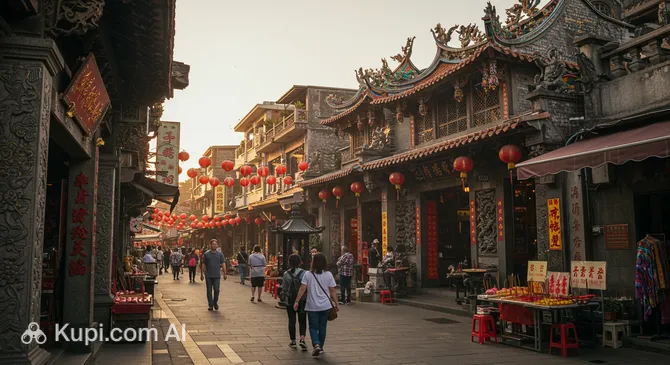
Beigang attracts travelers with its rich culture and the opportunity to touch history. Among its main highlights are numerous ancient temples, which are the heart of the town's spiritual life, and lively traditional markets where you can find local delicacies and crafts. Walking through narrow streets decorated with red lanterns gives the feeling of traveling through time and allows you to observe how locals carefully preserve centuries-old customs.

If you are looking for authentic experiences and want to gain a deeper understanding of Taiwan's culture, Beigang will be a real discovery for you. This hospitable town invites you to dive into its unique atmosphere, where the past and present are harmoniously intertwined at every step.

You can find more interesting facts on the history of Beigang page.
Weather Overview

The weather in Beigang is characterized by a warm and humid climate throughout most of the year. Expect hot and humid summers with frequent rain, especially from May to September, and mild, drier winters.

Temperatures in Beigang fluctuate noticeably throughout the year. Summer months, such as June, July, and August, are the warmest, with average temperatures around 27-28°C and maximum values exceeding 30°C. These months also see the most precipitation: June and August stand out as the wettest, with 13 mm and 12 mm of rainfall respectively, and up to 24-26 rainy days. Winter months, including January, February, and December, are cooler, with average temperatures ranging from 17-19°C, and significantly drier—for example, only about 1 mm of rain falls in November. You can find more detailed information about the weather conditions on the Beigang climate page.

Average monthly temperature

Average monthly precipitation

Interesting Facts

Beyond its main shrines and bustling streets, Beigang holds many surprising stories and unique traits that reveal the town from an unexpected perspective. The town is rich not only in well-known landmarks but also in little-known details that make getting to know it even more fascinating.

Beigang Old Street. Illustration.
Source: Kupi.com AI

Traveler photos:

  • Port Past and Architectural Heritage: In former times, Beigang was a significant trading port. This rich past is still evident in the architecture of the old town. On streets like Beigang Old Street, you can see historical buildings, some of which date back to the period of Japanese rule and are decorated with characteristic carved wooden panels.

  • Mysterious Fire Rituals: One of Beigang's most distinctive and lesser-known traditions is the "fire-walking" ritual. Locals believe that this ancient rite can bring good luck and cleanse away evil spirits, and it is still practiced in the town today.

  • The Art of Traditional Ceramics: Ancient houses in Beigang are often decorated with traditional ceramics, which are an important part of the town's cultural heritage. You can get acquainted with this art form by visiting the Bantao Yao Crafts Park, where unique specimens of Jiaozhi and Chen-nian ceramics are displayed.

  • The Living Legend of Goddess Mazu: Beigang is inextricably linked to the cult of the goddess Mazu, the patroness of sailors. In addition to the magnificent Chaotian Temple, the town preserves a legend about her miraculous rescue of a local fishing village. This legend highlights the deep faith and reverence that the people of Beigang hold for their celestial protector.

How to Get There

When planning a trip to this colorful corner of Taiwan, it is important to think about logistics in advance, as there are no direct flights to the town itself. Most tourists arrive via major transport hubs in neighboring regions, combining flights with ground travel. You can find out more details on how to get to Beigang to choose the most convenient route for you.

Since there is no airport in Beigang itself, travelers most often use the air harbors of neighboring cities. One of the most convenient options is Taichung International Airport (RMQ), located in Shalu. It is situated about 83 km from Beigang. This is an important regional hub with a medium passenger flow, from where you can reach your destination by taxi or pre-booked transfer in about 1.5 hours.

For those arriving from further away, Kaohsiung International Airport (KHH) is an excellent choice. This is a major international aviation hub located in Kaohsiung, about 110 km from Beigang. The drive by car will take about an hour and a half to two hours. You can also take the metro from the airport to the train station and transfer to a train heading toward Yunlin County or Chiayi City.

The closest airport on the mainland side is Tainan Airport (TNN), located in Tainan, approximately 70 km from Beigang. Although it is a small airport with fewer flights, it can be convenient for domestic flights or flights from certain Asian cities. Travel time by taxi is just over an hour.

For clarity, here is a summary of the main airports:

AirportPassenger trafficDistance
Chiayi Airport100 00015 km
Magong Airport2.4 mln69 km
Tainan Airport469 33870 km
Taichung Airport2.1 mln73 km
Taichung International Airport2.1 mln83 km

As for rail connections, there is no railway station in the town of Beigang itself. However, this is not an issue thanks to the island's well-developed transport network. Most tourists take trains (regular TRA or high-speed THSR) to the neighboring city of Chiayi. The high-speed rail station in Chiayi is only 15–20 km from Beigang. Comfortable buses and taxis regularly run from there, taking you to the town center in 20–30 minutes.

Furthermore, Beigang is well-connected by bus to major Taiwanese cities such as Taipei, Taichung, and Kaohsiung. Long-distance buses arrive at the Beigang bus station located in the town center, making this a very budget-friendly and convenient option for independent travelers.

Main Attractions

Beigang, a small but culturally rich town in Yunlin County, offers tourists a chance to experience Taiwan's unique traditions and history. Here, everyone will find something interesting, from ancient temples to lively streets and craft workshops.

Beigang Old Street. Illustration.
Source: Kupi.com AI

Traveler photos:

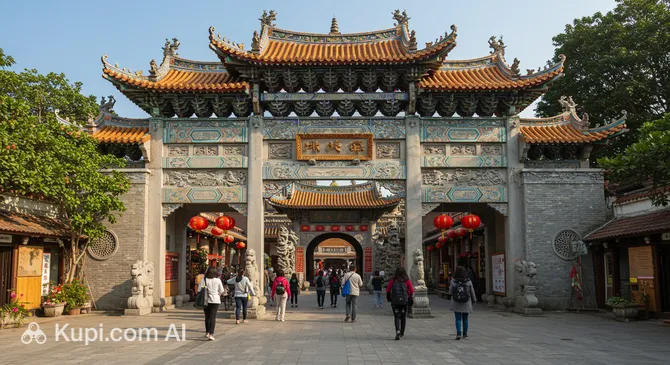
One of the main points of interest is Beigang Old Street. This is the heart of the town, where you can soak up the atmosphere of the past, taste local delicacies, buy traditional souvenirs, and observe the daily life of the residents. The street is especially lively during temple festivals, attracting pilgrims and tourists from all over the country.

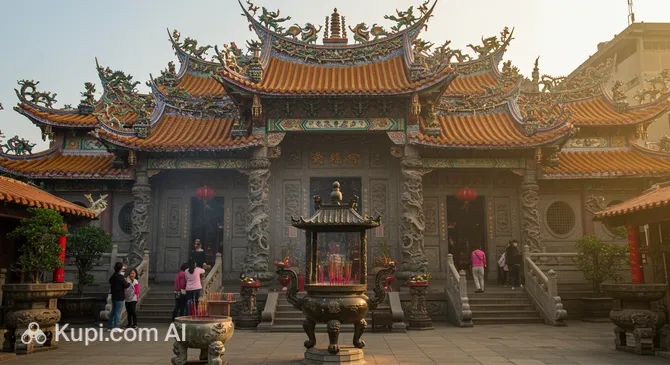
Nearby is the famous Nan'gang Shuixian Temple, dedicated to the deity Mazu, the patroness of seafarers. This temple is an important religious center and impresses with its intricate architecture, bright decorations, and rich history. A visit to the temple allows you to touch the spiritual life of Taiwan and witness ancient rituals.

Nangang Shuixian Temple. Illustration.
Source: Kupi.com AI

Traveler photos:

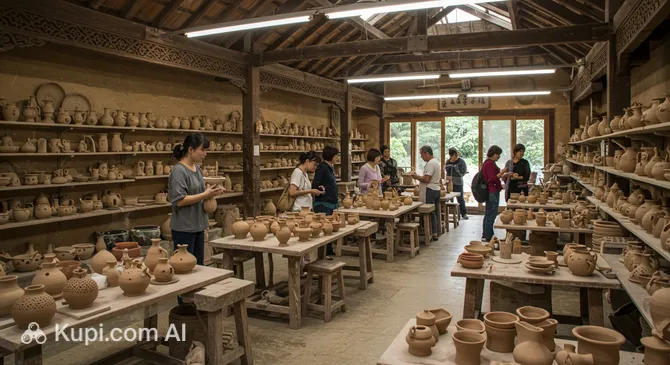
For lovers of art and crafts, the Bantao Yao Crafts Park is a must-visit. Here you can learn about traditional techniques for making Jiaozhi and Chen-nian ceramics, see the work of local masters, and even try your hand at creating a unique souvenir. The park offers interactive exhibitions and workshops, making the visit both educational and engaging.

Bantaoyao Crafts Studio of Jiao-Zhi Pottery & Chien-Nien. Illustration.
Source: Kupi.com AI

Traveler photos:

To gain a deeper understanding of the region's culture and lifestyle, it is worth visiting the Beigang Living Culture Museum. The museum's exhibits tell the story of the town's history, its traditions, festivals, and the daily lives of the locals. It is a great place to learn more about Beigang's rich heritage and its contribution to Taiwanese culture.

Among the modern landmarks, the Beigang Tourist Bridge stands out. This pedestrian bridge not only connects the riverbanks but is also a popular spot for walks, offering picturesque views of the town and its surroundings, which are especially beautiful at sunset. The bridge is often decorated for holidays, adding to its charm.

Local Cuisine

Beigang is a true gastronomic paradise for lovers of authentic Taiwanese cuisine. The town's signature treat is undoubtedly the legendary bean paste buns. Their recipe is passed down through generations, and the tender dough combined with a sweet but not cloying filling wins you over from the first bite. This delicacy is a must-try for every visitor to the town.

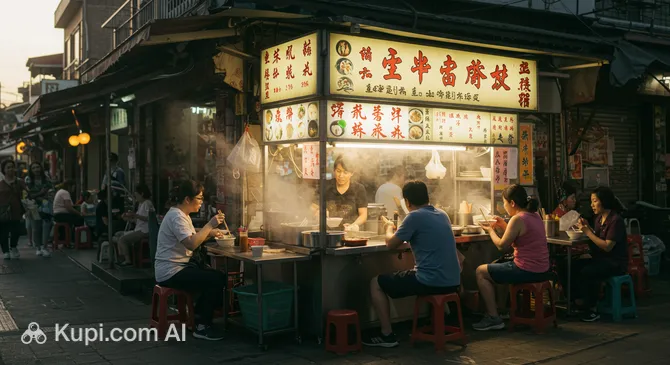
In addition to the famous buns, Beigang is known for excellent dishes made from fresh seafood—shrimp, squid, and fish prepared according to old recipes, often with the addition of aromatic spicy sauces and herbs. Another dish that should not be overlooked is the hearty rice noodle soup with pork. It can be found in street food stalls as well as cozy establishments, such as the popular Ya Ya Noodle Shop.

Ya Ya Noodle Shop. Illustration.
Source: Kupi.com AI

Traveler photos:

As for drinks, various teas and herbal drinks are popular in Beigang, perfectly quenching thirst and complementing the taste of local dishes. Of course, you can also find more familiar non-alcoholic beverages, as well as local beer and other alcoholic options for those who want to get to know this side of the local culture.

The food culture in Beigang is closely tied to street food and lively markets. It is here that you can dive into the town's real atmosphere, trying fried pies, fresh fruit, and many other local delicacies. Locals and tourists alike enjoy eating in small family restaurants and snack bars serving traditional dishes. The town is also known for its gastronomic festivals, which attract gourmets from all over the region.

Beigang's gastronomic scene is a vibrant blend of tradition and fresh flavors. By trying local specialties like bean paste buns, aromatic noodle soup, or exquisite seafood, you will discover the authentic taste of Taiwan and take home unforgettable culinary memories.

Travel Tips

Welcome to Beigang! To make your journey to this charming town in Taiwan as comfortable and memorable as possible, we have prepared some practical tips. They will help you find your way and enjoy every moment of your stay.

  1. Clothing and Essentials:

    Beigang has a subtropical climate. Summers are hot and humid, so choose light, breathable clothing made from natural fabrics. Winters are mild, but a light jacket or sweater will come in handy for evening walks. Don't forget an umbrella or raincoat, especially if traveling during the rainy season (usually in summer). You'll need comfortable shoes, as the town and its main shrine, Chaotian Temple, are best explored on foot. For electronics, bring an adapter (Taiwan uses Type A and B sockets, 110V). When visiting Chaotian Temple and other religious sites, show respect by choosing modest clothing that covers shoulders and knees.

  2. Getting Around Town:

    Beigang is a relatively small town, so many interesting places are within walking distance. For longer trips, you can use taxis, which are quite common. Local bus routes may also exist, but information about them might be primarily in Chinese. Renting a car might be worthwhile if you plan to explore the surrounding Yunlin County, but for getting around Beigang itself, it likely won't be necessary.

  3. Finances:

    The local currency is the New Taiwan Dollar (TWD). It is best to exchange currency at banks or authorized exchange offices in major cities upon arrival in Taiwan, as the selection in Beigang may be limited. Credit cards (Visa, Mastercard) are accepted in most hotels, large restaurants, and shops. However, for small stalls, markets, and street food, always carry enough cash. ATMs are available, but check with your bank for any potential fees for withdrawing cash abroad. Tipping in Taiwan is not mandatory but is always appreciated for good service.

  4. Health and Safety:

    Taiwan in general, and Beigang in particular, are considered very safe for tourists. Nevertheless, always take basic precautions: keep an eye on your belongings, especially in crowded places. There are pharmacies in town, but not all may be open 24/7 or have English-speaking staff. Be sure to take out travel medical insurance before your trip. In emergencies, you can visit local clinics or hospitals.

  5. Communication:

    The official language is Mandarin Chinese, and the Taiwanese dialect (Hokkien) is also widely spoken. English may be understood in tourist areas, hotels, and among young people, but not everywhere. Learn a few basic phrases in Mandarin, such as "Ni hao" (Hello), "Xie xie" (Thank you), "Bu ke qi" (You're welcome), and "Duo shao qian?" (How much does it cost?). You can buy a local SIM card with internet access at the airport or at mobile phone shops. Wi-Fi is available in many hotels, cafes, and public places.

  6. Local Etiquette:

    Taiwanese people are very polite and hospitable. A greeting usually involves a slight nod of the head. When visiting temples, such as the famous Chaotian Temple, behave respectfully: do not make noise, do not take photos with a flash where prohibited, and follow local rules. It is customary to give and receive items (such as business cards or gifts) with both hands. Showing patience and a smile will always help you make a connection.

  7. Things to Avoid:

    When eating, never stick your chopsticks vertically into a bowl of rice, as this resembles incense used at funerals and is considered a bad omen. Also, try to avoid loud arguments or public displays of anger, as this is considered impolite.

  8. Special Tip for Beigang:

    Beigang is inextricably linked to Chaotian Temple, one of the most important Mazu temples in Taiwan. Try to find out about local festivals related to Mazu, as participating in or observing them can be an unforgettable experience. Around the temple are many stalls where you can try traditional local snacks and sweets—don't miss the chance to get to know the authentic cuisine of the region!

We hope these tips make your journey to Beigang even more pleasant and fulfilling. Enjoy the hospitality of Taiwan, its rich culture, and the unique atmosphere of this amazing town!

Entertainment & Nightlife

Evening Beigang offers its guests a cozy and quiet atmosphere, ideal for those who prefer a relaxed holiday over noisy parties. While the town is not famous for bustling nightclubs, you can find pleasant places to spend the evening, enjoy local cuisine, and socialize.

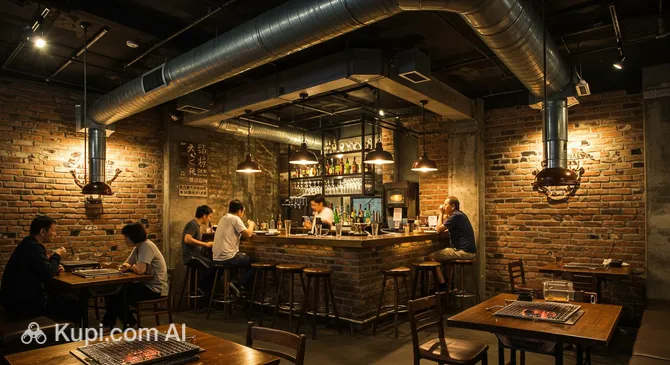
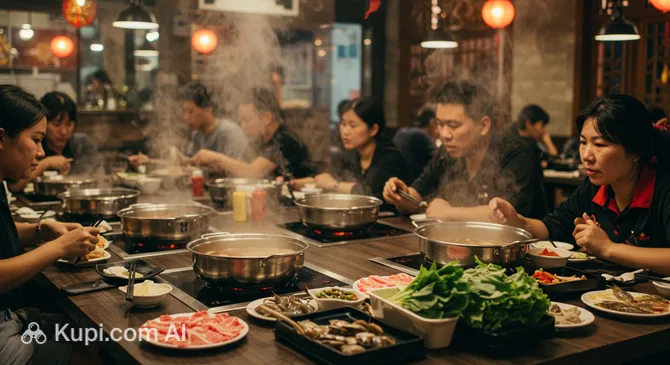
Most evening life centers around restaurants and small bars. One such place where you can have a good time is the Yuan Mu Tong Bar and Restaurant, which offers drinks and snacks in a cozy setting. It is also worth checking out local eateries and restaurants, many of which stay open until late evening. For example, you can stop by Ya Ya Noodle Shop or try hot pot at Tsushima Hot Pot Beigang. A walk along Beigang Old Street in the evening can also be a pleasant experience, as some shops and cafes may remain open, creating a special ambiance.

Yuan Mu Tong Handmade Cuisine & Yakiniku Bar. Illustration.
Source: Kupi.com AI

Traveler photos:

The atmosphere in Beigang at night is quite laid-back. The crowd is mostly local, but tourists will also find a hospitable welcome. There is usually no specific dress code; casual, comfortable clothing is appropriate. Most establishments start coming to life around dinner time and continue operating until late evening, but do not expect 24-hour parties. It is best to go out for dinner or drinks between 7:00 PM and 10:00 PM.

Prices in Beigang's establishments are generally moderate. You can reach your destination in the evening on foot if you are staying in the center, or by taxi. It is recommended to have the name and address of your destination written in the local language for easier communication with taxi drivers. You can call a taxi through your hotel reception or by using local ride-hailing apps, if available.

Tsushima Hot Pot Beigang. Illustration.
Source: Kupi.com AI

Traveler photos:

Beigang is generally considered a safe town for evening walks, especially in the central and tourist areas. However, as with everywhere, it is worth taking standard precautions: keep an eye on your belongings and avoid poorly lit and deserted places late at night.

During the day, Beigang also offers interesting leisure options. Guests can visit the Beigang Living Culture Museum to get to know local traditions better, or stroll through the Bantao Yao Crafts Park, where you can see works by local artisans. Various temples and historical sites scattered around the town and its outskirts may also be of interest.

Beigang Chun Living Museum. Illustration.
Source: Kupi.com AI

Traveler photos:

Parks & Museums

Beigang offers its guests both corners for peaceful relaxation in nature and places for immersion in the region's rich culture and history. The town is proud of its theme parks and interesting museums that tell the story of the traditions and daily life of the locals.

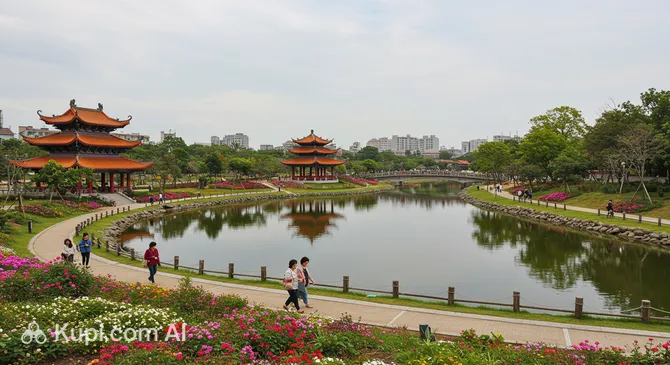
Among the green zones, the Bantao Yao Crafts Park stands out, dedicated to traditional Jiaozhi and Chen-nian ceramics. This is not just a park, but an entire arts village where you can see the work of masters, learn about the ceramic-making process, and even try it yourself. Another interesting place for walks is the Beigang Water Cultural Park, which likely introduces visitors to the region's water resources and their significance in the town's life.

Beigang Water Cultural Park. Illustration.
Source: Kupi.com AI

Traveler photos:

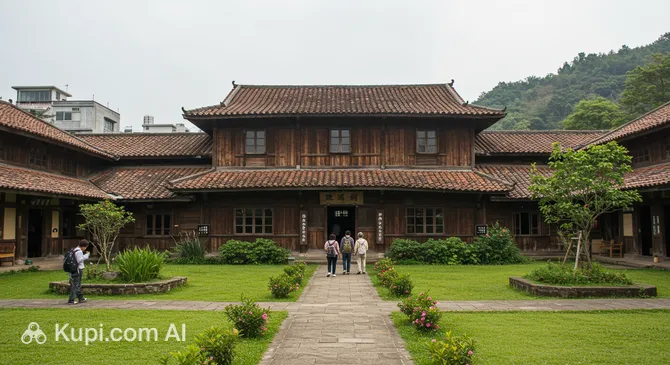
For those interested in history and culture, Beigang offers several noteworthy museums. The Beigang Living Culture Museum will surely introduce you to the daily life, customs, and traditions of the locals. It is a great place to gain a deeper understanding of the way of life in this part of Taiwan. Another interesting site is the Dingcaiyuan Rural Museum, which is likely dedicated to the rural history and lifestyle of the Beigang area, displaying agricultural tools and household items while telling the story of the agrarian sector's development.

Dingcaiyuan Rural Museum. Illustration.
Source: Kupi.com AI

Traveler photos:

In addition to parks and museums, there are other attractions in Beigang worth your attention. Be sure to stroll down Beigang Old Street, where you can feel the atmosphere of the past and see traditional architecture. Nearby is the Nan'gang Shuixian Temple, which is an important religious and cultural center. Take note of the town's many bridges, such as the Beigang Tourist Bridge, the Daughter Bridge, or the Beigang Sky Bridge—each may have its own unique story or offer scenic views. Also of interest is the Guben'gang Cultural Relief Mosaic, which likely depicts important historical or cultural scenes.

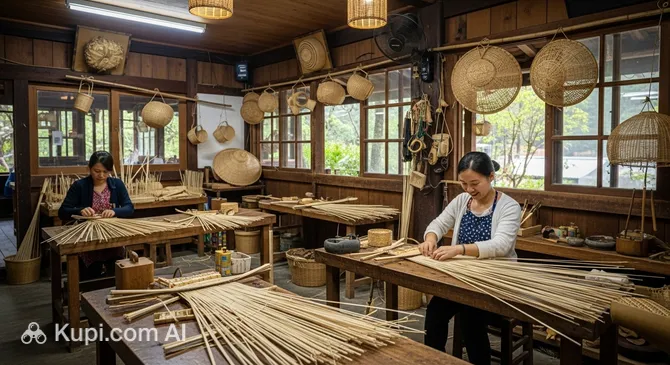
For an authentic experience, stop by the Beigang Craft Workshop, where you can see the work of local craftsmen and perhaps purchase unique souvenirs. An equally colorful place might be the Beigang Cattle Market, if it is open to tourists—it is a chance to see a part of local economic life that is usually hidden from travelers' eyes.

Getting Around

Getting around Beigang and its surroundings is quite convenient, although the public transport system here is not as extensive as in major metropolises. The main form of public transport is buses, which connect different parts of the town and provide links to neighboring settlements. There are no subways, trams, or trolleybuses in Beigang, which is typical for towns of this size.

For paying bus fares, the most convenient method is using smart cards like EasyCard or iPASS. These cards are widely available and can be used not only for transport but also for small purchases in shops. You can buy and top them up at most 24-hour convenience stores. Cash payment directly to the driver is also possible, but it is recommended to have the exact amount, as change may not be given. Fares are usually low and depend on the distance.

Tourists should keep a few practical points in mind. Bus schedules and routes can be checked at stops (though information may be predominantly in Chinese) or via online maps and transport apps. You need to tap your card on the validator both when entering and exiting the bus. Buses generally run from early morning until late evening, but the frequency on different routes can vary, especially on weekends and holidays.

As an alternative to public transport, you can always use taxi services in Beigang. They can be found at designated stands or called by phone. This is a more expensive but comfortable way to travel, especially if you are with luggage or in a group. For short trips around the town center or for a more detailed exploration of the surroundings, you might consider renting a bicycle. Some hotels and guesthouses may offer bicycles to their guests. Scooter rentals are also popular, but this usually requires an International Driving Permit of the appropriate category.

Accommodation

When planning a trip to Beigang, you will find a variety of accommodation options to suit different preferences and budgets. The town offers a choice ranging from more economical guesthouses and small local hotels to comfortable mid-range lodging. Apartment rental options may also be available for those who prefer more independence and a home-like feel.

When choosing a place to stay in Beigang, pay attention to areas located near main attractions or transport hubs. This will ensure easy access to interesting sites such as Beigang Old Street or Nan'gang Shuixian Temple, and make moving around town more convenient. Staying in the central parts of the town is a popular choice among tourists.

Beigang Old Street. Illustration.
Source: Kupi.com AI

Traveler photos:

Regarding prices, you can find both budget options and mid-range housing in Beigang. Luxury hotels may be less represented given the size of the town. It is recommended to book accommodation in advance, especially if your trip coincides with the peak tourist season or local festivals, to ensure the best choice and rates. For searching and booking, it is convenient to use popular online platforms or, in some cases, contact the hotels directly.

Nearby Cities

For those who want to explore the surrounding area, Beigang serves as an excellent starting point for day trips to several interesting nearby locations:

CityPopulationDistance
Xingang30 5435 km
Shuilin23 1346 km
Yuanchang25 8409 km
Xikou13 65810 km
Sihu21 45811 km

These nearby destinations offer a glimpse into the region's diverse culture and landscapes. For example, Chiayi, known as the gateway to the picturesque Alishan mountain region, will delight you with its lively night markets and urban dynamics. In turn, Minxiong offers a quieter immersion into local life and agricultural traditions and is also known for the National Chung Cheng University with its beautiful campus. By visiting Huwei, you can explore former sugar refineries now transformed into cultural and art spaces, and touch the island's industrial heritage. Puzi is famous for its majestic Peitian Temple, one of the oldest and most significant Mazu temples in Taiwan, and its peaceful small-town atmosphere. And the coastal Mailiao may interest lovers of fresh seafood and panoramic views of the Taiwan Strait, as well as provide an insight into a modern industrial zone. Each of these trips promises new discoveries and experiences, perfectly complementing your journey to Beigang.

Shopping & Souvenirs

Beigang, a charming town in Yunlin County, offers tourists an authentic shopping experience far from the hustle and bustle of major metropolises. Here you won't find massive shopping malls; instead, you can immerse yourself in the atmosphere of traditional trade and purchase unique local goods and souvenirs that will remind you of your trip to Taiwan.

The main place for shopping and strolling in Beigang is undoubtedly Beigang Old Street. This historical street is lined with shops, stalls, and eateries selling local delicacies, traditional sweets, tea, as well as a variety of souvenirs and handmade crafts. Walking along it, you can feel the spirit of the old town and find something special as a keepsake.

Beigang Old Street. Illustration.
Source: Kupi.com AI

Traveler photos:

Although Beigang lacks the large modern shopping centers typical of big cities, the charm of local shopping lies precisely in small family-owned shops and workshops. For a wider selection of branded goods, it's worth heading to Taiwan's larger cities.

In addition to the shops on Beigang Old Street, which itself resembles a lively market, you can look for local stalls specializing in religious paraphernalia, as the town is famous for its Chaotian Temple. Occasionally, temporary fairs or markets timed to local holidays may take place in the town. For a more specific experience, you could visit the Beigang Cattle Market, although it is geared more toward locals and agricultural needs, it can provide insight into local life.

As souvenirs from Beigang, it's worth bringing home local sweets, especially peanut candy and sesame oil, which the region is famous for. Products by local artisans are also popular. Look for ceramics and other crafts that can be found, for example, at the Beigang Craft Workshop or at the Bantao Yao Crafts Park, which features unique examples of Jiaozhi and Chen-nian ceramics.

Beigang Craft Workshop. Illustration.
Source: Kupi.com AI

Traveler photos:

Shops in Beigang typically operate from the morning (around 10:00–11:00 AM) until the evening (7:00–9:00 PM), but hours can vary, especially for small private shops. Trading at markets and street stalls may start earlier. Most places accept cash (New Taiwan Dollar, TWD), and card payments are possible in some larger shops and tourist spots.

For foreign tourists in Taiwan, there is a Value-Added Tax (VAT) Refund Scheme (TRS) for purchases over a certain amount at stores marked with the Tax-Free sign. Check the conditions and the possibility of processing a tax refund directly when making your purchases.

Reached the end of the page?

That means the route is fully explored