Support

Hsinchu

Attractions

About

Hsinchu is a true gem of the northwestern coast of Taiwan, nestled between picturesque hills and the Pacific Ocean. This city is imbued with the freshness of the sea breeze and attracts travelers with its beautiful harbors and lush green parks. Thanks to its favorable location, Hsinchu has historically served as an important commercial and cultural center for the region.

Today, Hsinchu, with a population of nearly 500,000 people, harmoniously combines a relaxed pace of life with the dynamics of a modern metropolis. It is home to the famous Hsinchu Science Park—the heart of Taiwan’s "Silicon Valley," where world-class innovations and startups are born. Despite its technological advancement, the city carefully preserves its rich historical heritage: ancient temples, charming narrow streets, and colorful local markets.
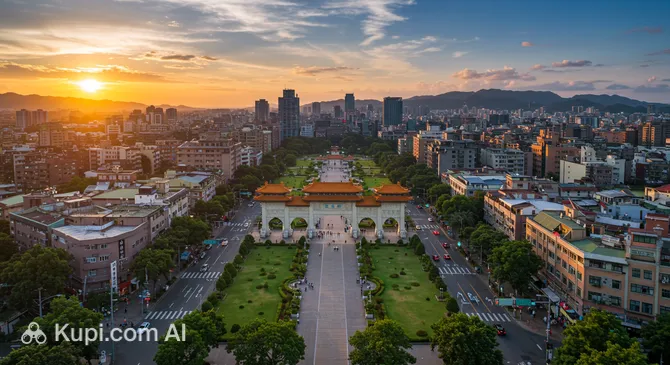
Hsinchu. Illustration.
Source: Kupi.com AI

The atmosphere of Hsinchu is an amazing intertwining of tradition and modernity, where unexpected discoveries may await you around every corner. The city is perfect for travelers who want not only to relax but also to get a dose of inspiration. Strolling along the embankments, tasting authentic street food at lively night markets, and visiting unique museums and ancient temples all create a special mood and leave unforgettable impressions.

So why should you visit Hsinchu? It is a city where everyone will find something to their liking: from high-tech enthusiasts to fans of leisurely walks and connoisseurs of authentic culture. Hsinchu is capable of surprising, delighting, and energizing you, leaving you with a desire to return again and again.

You can find more interesting facts on the history of Hsinchu city page.
Weather Overview

The weather in Hsinchu is characterized by a warm and humid climate throughout most of the year. Summer, especially from June to August, is hot and humid, with average temperatures around 27-28°C, and maximums can reach nearly 30°C. In summer, the amount of precipitation in millimeters is not high, usually 5-8 mm per month; however, it rains frequently, especially in August, which sees up to 20 rainy days.

Winters in Hsinchu are mild, with average temperatures from December to February usually staying in the 15-17°C range. Although the total precipitation in winter is noticeably lower (around 2-3 mm per month), the number of rainy days remains significant, ranging from 10 to 15 days per month. In general, expect hot summers with frequent but not voluminous rainfall, and mild winters with a moderate number of rainy days. For more detailed information on weather conditions, including a monthly forecast, we recommend visiting the Hsinchu Climate page.

Average monthly temperature

Average monthly precipitation

Interesting Facts

In addition to its famous landmarks and technological achievements, Hsinchu holds many surprising stories and little-known facts. Are you ready to see the city from an unexpected side?

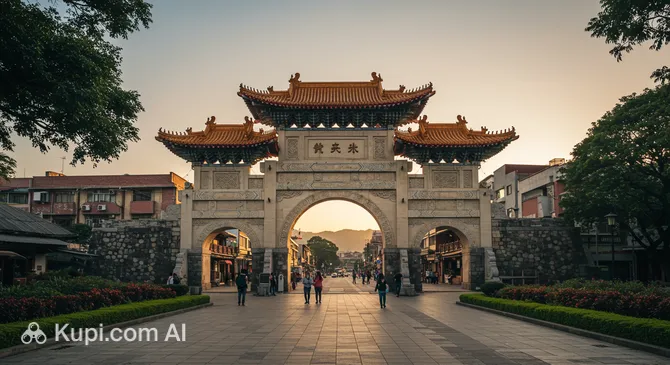
East Gate (Yingxi Gate). Illustration.
Source: Kupi.com AI

Traveler photos:

  • Hsinchu is often called the "City of Winds." It earned this nickname due to the constant sea breezes that create a special microclimate and, as locals joke, help keep everyone’s hairstyle perfectly voluminous!

  • The city is home to one of Taiwan's oldest and most revered temples—the City God Temple (Cheng Huang Temple), next to which the famous Hsinchu Chenghuang Temple Night Market is located. It is believed that wishes made at the temple's main altar will surely come true, and the temple itself is known for its colorful festivals.

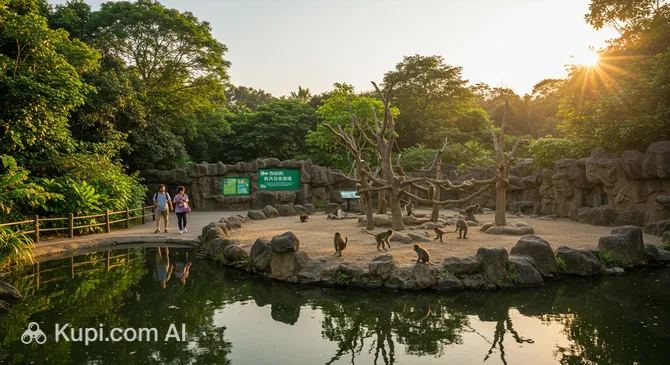
  • It is in Hsinchu that you can find Taiwan's first and only municipal zoo, opened back in 1936. Here, you can see not only exotic animals but also rare representatives of the local fauna, making it a wonderful place for a family vacation.

  • There is a legend that the famous East Gate (Yingxi), one of the city's symbols, was built without using a single nail. It is said that this specific construction feature helped it withstand numerous earthquakes and continue to welcome guests to the city to this day.

How to Get There

There are several ways to reach the city of Hsinchu, an important technological and cultural center of Taiwan, but the most common for international travelers is by air followed by a transfer. While Hsinchu itself does not have a large commercial airport, there are several air hubs nearby from which it is easy to reach the city.

The main international hub serving northern Taiwan, including Hsinchu, is Taiwan Taoyuan International Airport (IATA: TPE). This very large airport is located in Taipei, about 40 km north of Hsinchu. A taxi or car ride from Taoyuan Airport to central Hsinchu usually takes about 1-1.5 hours, depending on traffic. Bus routes are also available, as is the option to reach the nearest High Speed Rail (HSR) station for a train transfer to Hsinchu.

Another option is Songshan Airport (IATA: TSA), also located in Taipei, about 65 km from Hsinchu. This airport primarily serves domestic flights and some international destinations within Asia. The drive from Songshan Airport to Hsinchu will take about 1.5-2 hours by car. From the airport, you can also access metro and railway stations for further travel.

South of Hsinchu is Taichung International Airport (IATA: RMQ), located in Shalu, approximately 70 km away. This airport is smaller than Taoyuan but also accepts international and domestic flights. A trip to Hsinchu from here may take about 1.5-2 hours.

For convenience, here is a summary of the main airports you can use for a trip to Hsinchu:

AirportPassenger trafficDistance
Taiwan Taoyuan International Airport48.7 mln40 km
Taipei Songshan Airport5.4 mln65 km
Taichung International Airport2.1 mln70 km
Taichung Airport2.1 mln80 km
Hualien Airport39 115110 km

In addition to air travel, Hsinchu is excellently connected to other cities in Taiwan by rail. The city is served by both the Taiwan High Speed Rail (THSR) and traditional Taiwan Railways Administration (TRA) trains. The HSR Hsinchu station is located slightly outside the city center, but convenient bus routes and taxis provide a quick connection to the heart of the city. Traveling by train is a comfortable and efficient way to reach Hsinchu from Taipei, Taichung, Kaohsiung, and other major settlements on the island.

Main Attractions

Hsinchu, known as Taiwan's "Windy City," offers tourists a variety of attractions that blend history, culture, and modern entertainment. Everyone will find something interesting here, from ancient temples to bustling night markets and scenic natural spots.

One of the city's most iconic landmarks is the East Gate (Yingxi Gate). This historical structure has been preserved since the Qing Dynasty when Hsinchu was surrounded by a city wall. Today, the gate is a popular meeting spot and a symbol of the city. In the evening, it is beautifully illuminated, creating a special atmosphere in the center of Hsinchu. Various events and fairs are often held near the gate.

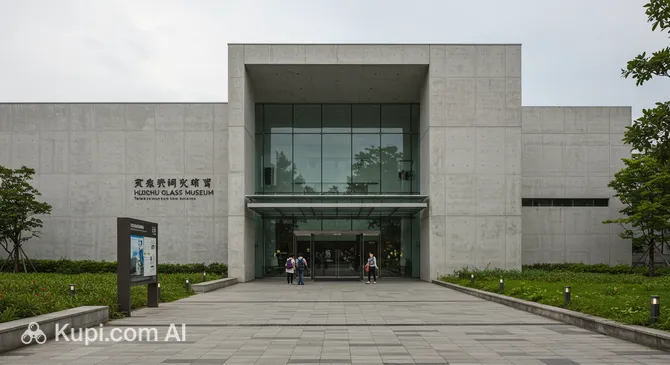
Art and craft enthusiasts should visit the Hsinchu City Glass Museum. The city is historically famous for glass production, and this museum showcases both traditional and modern glassmaking techniques. Visitors can see impressive installations, delicate pieces, and even attend workshops, making it interesting for both adults and children.

Hsinchu City Glass Museum. Illustration.
Source: Kupi.com AI

Traveler photos:

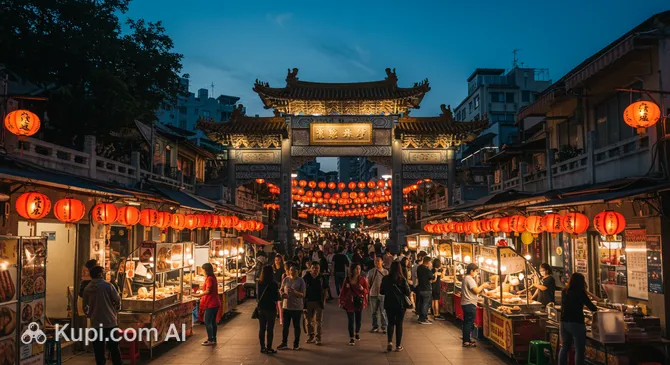
To dive into local life and try authentic Taiwanese cuisine, head to the Hsinchu Chenghuang Temple Night Market. This lively market offers a huge variety of street food, from famous pork meatballs to desserts and drinks. The atmosphere here is always festive, and the aromas of local dishes attract both tourists and locals.

Hsinchu Chenghuang Temple Night Market. Illustration.
Source: Kupi.com AI

Traveler photos:

For family outings, the Hsinchu Zoo is an excellent choice. It is the oldest zoo in Taiwan and was recently renovated. It is small but very cozy and well-maintained, with an emphasis on animal welfare. Visitors can see various animals, including rare species, and learn more about wildlife conservation.

Hsinchu Zoo. Illustration.
Source: Kupi.com AI

Traveler photos:

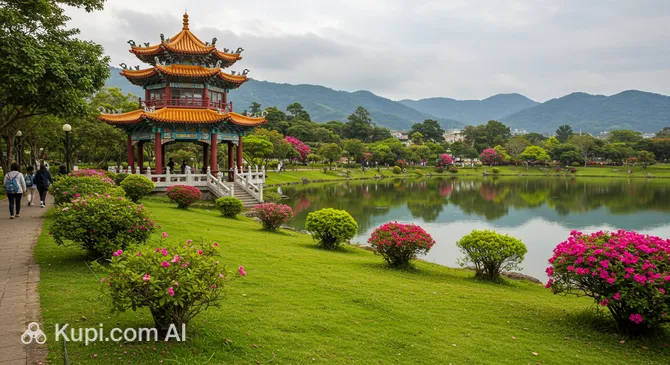
If you want to enjoy nature and tranquility, visit Green Grass Lake (Qingcao Lake). This picturesque lake is a popular spot for walks, picnics, and boating. There are pedestrian paths around the lake, and the bridge offers beautiful views, especially at sunset. It's a great place to take a break from the city bustle.

Green Grass Lake. Illustration.
Source: Kupi.com AI

Traveler photos:

Local Cuisine

The gastronomic world of Hsinchu is an exciting journey for every foodie. The city is famous for its culinary traditions, and one of its main culinary signatures is the famous rice noodles—mifen. These thin and springy noodles are prepared here using special recipes, allowing them to perfectly absorb the flavors of broths and sauces. Be sure to try the rice noodle soup with pork—this classic dish can be found almost everywhere. Another source of pride for Hsinchu is its meatballs, or "pork balls" (gongwan). They are made from fresh meat, given a unique flavor with secret spices, and served in various ways: fried, boiled, in soups, or as a standalone snack.

Local desserts deserve no less attention. Try peanut and bean-based sweets, such as the famous peanut candies or delicate cakes with bean paste. Your meal will be perfectly complemented by traditional Taiwanese tea, which is immensely popular here. Besides tea, refresh yourself with popular bubble tea (pearl milk tea), freshly squeezed fruit juices, or nutritious soy milk. For alcoholic beverages, it's worth trying local Taiwanese beer, which pairs excellently with local cuisine, or a stronger drink—Gaoliang, a sorghum liquor.

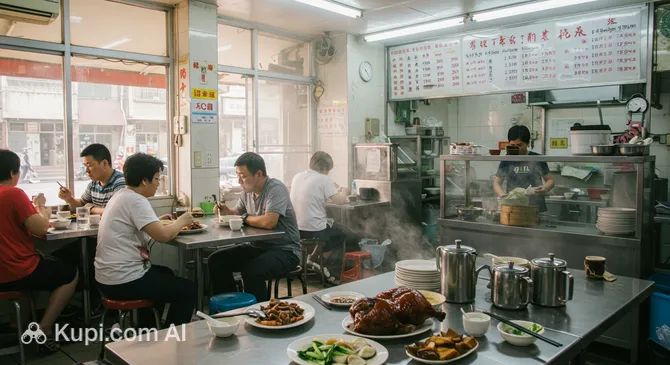
To fully experience the culinary spirit of Hsinchu, head to the local markets. The food culture here is closely linked to the lively night markets, where you can find a vast variety of street food—from exotic fruits to freshly prepared seafood. One of the most famous spots is the Hsinchu Chenghuang Temple Night Market, where life is in full swing and the aromas of local delicacies mix in the air. In addition to street food, the city has many restaurants offering both traditional dishes and modern interpretations of Taiwanese cuisine; for example, you can visit Xiang Duck (Hsinchu Beida Branch), known for its duck dishes.

Xiang Duck (Hsinchu Beida Branch). Illustration.
Source: Kupi.com AI

Traveler photos:

Hsinchu's gastronomic scene attracts tourists with its diversity, fresh ingredients, and unique local flavors. Beyond everyday meals in restaurants and markets, the city is also known for its food festivals, which bring together the best chefs and connoisseurs of Taiwanese cuisine. This is a wonderful opportunity to discover new dishes and immerse yourself in the authentic atmosphere of Taiwan.

Travel Tips

Welcome to Hsinchu, a vibrant Taiwanese city known for its technological innovations and rich cultural heritage! To make your trip as comfortable and enjoyable as possible, we have prepared a few practical tips. These recommendations will help you better navigate the city and avoid common mistakes.

  1. Clothing and Essentials:

    The climate in Hsinchu is subtropical, with hot and humid summers and mild but windy winters (it's not called the "City of Winds" for nothing). In summer (June-September), choose light, breathable clothing, and be sure to bring sunscreen, a hat, and a raincoat or umbrella due to possible heavy showers and typhoons. In winter (December-February), layered clothing, a sweater, and a windbreaker will be useful. Regardless of the season, comfortable shoes are essential for walking. Don't forget an adapter for electrical appliances (in Taiwan, Type A and B sockets are used, voltage is 110V, and frequency is 60Hz). When visiting temples, it is advisable to stick to a modest style of clothing, covering shoulders and knees, though strict dress codes are rare.

  2. Getting Around the City:

    It is convenient to move around Hsinchu by city bus—the main form of public transport. The traditional train line (TRA) also passes through the city, and the High Speed Rail station (THSR Hsinchu Station), which connects to other major cities in Taiwan, is located slightly outside the center. There is no metro in Hsinchu. Taxis are easily available and operate by the meter. Taxi-hailing apps like Uber or local equivalents are popular. Car rental is possible but can be difficult due to traffic and parking patterns; public transport is often more convenient for tourists.

  3. Finances:

    The local currency is the New Taiwan Dollar (TWD). You can exchange currency at banks or authorized exchange offices at the airport and in the city. Large hotels, department stores, and many restaurants accept credit cards (Visa, MasterCard). However, at night markets and in smaller establishments, cash is preferred. Regarding the approximate daily budget, it can vary greatly: for a budget traveler, it might be 1,500-2,500 TWD; for mid-range comfort, 3,000-5,000 TWD; and for those wishing to travel more lavishly, 5,000 TWD and up. These figures are, of course, estimates and depend on your preferences in accommodation, food, and entertainment. International cards should work in ATMs (look for Plus or Cirrus logos) and for payments where cards are accepted—check the terms with your bank before the trip. Tipping in Taiwan is not mandatory; restaurants and hotels often already include a service charge (10%) in the bill.

  4. Health and Safety:

    Hsinchu is generally a very safe city. Follow standard precautions: keep an eye on your belongings in crowded places, especially at night markets. Pharmacies (e.g., Watsons, Cosmed) are widespread, and some staff may speak English. For medical assistance, tourists are recommended to have travel insurance. The city has hospitals with a good level of service. There are no particularly dangerous areas for tourists in Hsinchu.

  5. Communication:

    The official language is Mandarin Chinese using traditional characters. English is common in tourist areas, hotels, and among young people, but may be less understood elsewhere. Learn a few basic phrases: "Nǐ hǎo" (Hello), "Xièxiè" (Thank you). A SIM card with internet access can be purchased at the airport or in mobile shops in the city. Free Wi-Fi (iTaiwan) is available in many public places, cafes, and hotels. Google Maps works perfectly for navigation.

  6. Local Etiquette:

    Taiwanese people are very friendly and hospitable. You can greet people with a slight nod or a handshake. In public places, especially on transport, try not to speak too loudly. Eating and drinking are prohibited on many types of public transport. It is important to wait your turn in line. When giving or receiving items (like business cards), use both hands as a sign of respect. Avoid pointing at anything with a single finger—it's better to use an open palm.

  7. What to Avoid:

    Try not to touch upon sensitive political topics unless a local person initiates the conversation. Also, you should not stick chopsticks vertically into a bowl of rice—this resembles incense used at funerals and is considered a bad omen.

  8. Special Feature of Hsinchu:

    Don't forget that Hsinchu is the "City of Winds." It can be quite windy here, especially in autumn and winter, so appropriate clothing will be handy. This also makes the city a great place for kite flying; there is even an annual International Kite Festival held here. Be sure to visit the City God Temple (Chenghuang Temple) and the surrounding market, where you can try famous Hsinchu rice noodles (米粉) and meatballs (貢丸).

We hope these tips help you explore Hsinchu with confidence and pleasure. We wish you an unforgettable journey through this interesting city in Taiwan!

Entertainment & Nightlife

Hsinchu, known as Taiwan's "Windy City" and a high-tech hub, offers its guests and residents a variety of options for evening and night leisure. While the city may seem quieter compared to metropolises like Taipei, there is certainly plenty to do after sunset, especially in areas popular with young people and students.

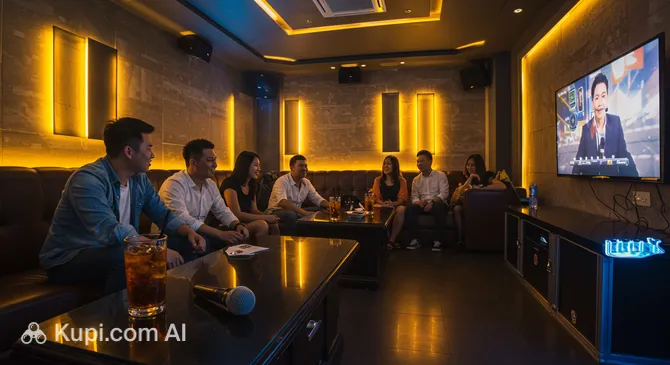
The main nightlife in Hsinchu is concentrated around several key points. Karaoke bars (KTV) are very popular, providing a fun way to spend time with friends. One such place is Hyatt KTV Hsinchu, which offers modern rooms and a wide selection of songs. For those who enjoy a club atmosphere and dancing until dawn, PartyWorld is a great choice, known for its themed parties and energetic music. The atmosphere in such venues is usually lively, especially on weekends. The dress code is mostly casual, but some clubs might not allow overly sporty attire. Establishments typically start operating in the evening and stay open until late at night or early morning.

PartyWorld. Illustration.
Source: Kupi.com AI

Traveler photos:

A special place in Hsinchu's nightlife is held by the night markets. These are not just places for dinner, but real community hubs where you can try street food, buy souvenirs, and simply soak up the local atmosphere. The Hsinchu Chenghuang Temple Night Market is one of the most famous and bustling spots, where you can find many traditional Taiwanese snacks. It is always crowded, and the atmosphere is very authentic. Markets usually operate until midnight or slightly later.

Hsinchu Chenghuang Temple Night Market. Illustration.
Source: Kupi.com AI

Traveler photos:

If you prefer a quieter evening, Hsinchu has many bars with various atmospheres—from cozy pubs to stylish cocktail bars, such as 75 Smokeless Grill Bar or Bar Tender. Many restaurants also stay open late, offering both local and international cuisine.

Practical Tips: The best time to visit nightclubs and bars is Friday and Saturday when the crowds are largest. Average prices for drinks and club entry can vary but generally remain affordable. Getting around the city at night is most convenient by taxi; they can be easily called via apps or found at designated stands. Central areas of Hsinchu are considered quite safe for nighttime walks, but it is always wise to follow standard safety precautions.

During the day, Hsinchu also offers plenty of interest. Culture lovers can visit the Hsinchu City Glass Museum or explore historical landmarks. For families, numerous parks such as Hsinchu Park or the Hsinchu Zoo are ideal. The city also features modern shopping malls like Big City, where you can spend time shopping or visiting the cinema.

Parks & Museums

Hsinchu, known as the "Windy City," offers its guests not only technological achievements but also wonderful opportunities for outdoor relaxation and exploring a rich cultural heritage. The city harmoniously combines well-maintained parks, picturesque spots, and educational museums capable of satisfying the interests of various travelers.

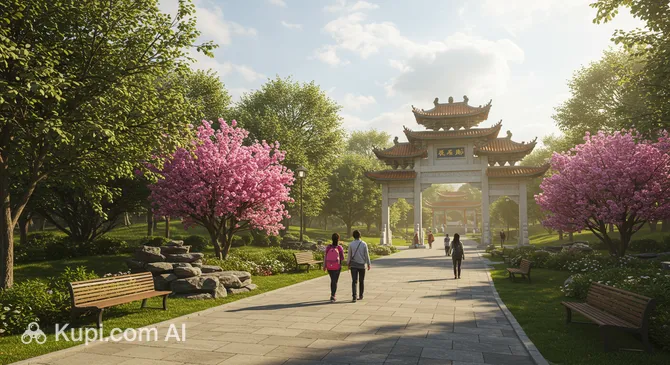
Among the city's green oases, Green Grass Lake (Qingcao Lake) particularly stands out. It is a popular spot for walks, boating, and admiring scenic views, especially at sunset. Another iconic location is Hsinchu Park, the city's oldest park, which houses the Hsinchu Zoo, a Confucius Temple, and the Glass Museum. For a pleasant stroll along the water, the Hsinchu Moat Park is ideal, where you can enjoy a calm atmosphere and greenery right in the city center.

Hsinchu Park. Illustration.
Source: Kupi.com AI

Traveler photos:

Museum lovers also have much to explore in Hsinchu. A visit to the Hsinchu City Glass Museum is a must. It is located in a building reminiscent of a Japanese palace and introduces the history of glass production in the region, showcasing impressive glass artworks. This place is particularly interesting as Hsinchu is famous for its glass craftsmen. Another unique museum is the Taiwan Insect Museum, Hsinchu Branch, where you can see a diverse collection of insects and learn many interesting things about their world, which will especially appeal to families with children.

Hsinchu City Glass Museum. Illustration.
Source: Kupi.com AI

Traveler photos:

Speaking of history and architecture, one cannot fail to mention the East Gate (Yingxi)—a symbol of the city and a perfectly preserved example of the ancient city wall. It is a popular spot for photos and meetings. Also worth visiting is the Hsinchu Zoo, one of the oldest in Taiwan, which was recently renovated and offers comfortable conditions for animals and visitors.

For an authentic experience, stroll through the streets around Hsinchu Moat Park, where you can find cozy cafes and small shops. It is also worth stopping by the Hsinchu Chenghuang Temple Night Market to try local delicacies and dive into the lively atmosphere of the evening city.

Getting Around

For bus travel in Hsinchu, universal rechargeable smart cards like EasyCard (悠遊卡) or iPASS (一卡通) are the most convenient. They can be purchased and topped up at 24-hour convenience stores (e.g., 7-Eleven, FamilyMart), at bus stations, or at information centers. These cards are also accepted in many other cities in Taiwan and even in some shops. The cost of a single bus trip is usually between 15 and 30 New Taiwan Dollars, depending on the route and distance. If you prefer to pay in cash, prepare the exact amount, as drivers usually do not give change.

When using an electronic card on Hsinchu buses, it's important to remember that you must tap it against the reader (validator) both when entering and exiting. This ensures the correct fare is deducted, especially on routes with zone-based pricing. Buses start running early in the morning and stop late at night, but it's always useful to check the schedule for a specific route, especially for late trips or on weekends. To do this, you can use information at stops, official transport company websites, or popular mobile apps like 'Bus+' (or similar local apps) and Google Maps, which will help you plan your route and track bus movements in real time.

If you need more personalized transport, taxis are easy to find in Hsinchu at designated stands, near hotels, shopping malls, or simply by hailing one on the street. This is a more expensive but comfortable option, especially with luggage or at night. For a leisurely exploration of the city, use the YouBike public bike-sharing system. Stations are conveniently located throughout Hsinchu, and the first 30 minutes of a ride are often free or very cheap when paying with an EasyCard. If you have an international driving permit, you can also rent a scooter.

Hsinchu is served by a Taiwan Railways (TRA) station, which not only connects it with other cities on the island but also offers convenient routes for regional travel. For example, local lines like the Neiwan Line and the Liujia Line are excellent for traveling to certain city districts and nearby attractions. The High Speed Rail (HSR) station is located slightly away from the center but can be easily reached by shuttle buses or taxis. Both transport hubs are well-integrated with the city's bus network.

Accommodation

In the city of Hsinchu, travelers will find a variety of accommodation options to suit different preferences and budgets. Choices range from budget hostels and guesthouses to comfortable mid-range hotels and modern apartments available for short-term rent. While luxury resorts are less common here, the quality and service in existing hotels are at a respectable level.

When choosing a place to stay in Hsinchu, it is worth paying attention to areas located near major transport hubs, such as the railway station, or within walking distance of popular attractions. The central part of the city generally offers convenient access to shops, restaurants, and cultural sites, such as the Hsinchu Chenghuang Temple Night Market or the East Gate (Yingxi). Some tourists also prefer staying in areas close to Hsinchu Park or the Hsinchu City Glass Museum for a more peaceful stay.

Regarding price range, Hsinchu offers both quite affordable options and mid-to-higher-priced accommodation. It is recommended to book in advance, especially if your trip coincides with the peak tourist season or major local events. The most common booking methods are popular online platforms and aggregators, as well as direct booking through hotel websites.

Nearby Cities

For those looking to explore the surroundings, Hsinchu serves as an excellent starting point for day trips to several interesting nearby locations:

CityPopulationDistance
Zhubei211 7464 km
Baoshan14 3986 km
Xinfeng58 6147 km
Xinpu4 599 36011 km
Hukou81 55011 km

Among the nearest cities, Zhongli stands out as a major urban center where you can immerse yourself in the lively atmosphere of local markets, try various culinary delights, and visit shopping malls. Nearby is Taoyuan, known not only for its international airport but also for attractions like the historic Daxi Old Street with its authentic architecture and local delicacies, as well as numerous parks.

Just a few kilometers from Hsinchu is Zhubei, the administrative center of the county. This city is interesting for its rapid development, modern districts, and the preservation of Hakka cultural traditions. A trip here allows you to see how harmoniously progress and cultural heritage can coexist in Taiwan.

These nearby destinations provide an insight into the diverse culture and landscapes of the region. Each of these trips can offer new experiences and broaden your understanding of Taiwan.

Shopping & Souvenirs

Hsinchu offers diverse shopping opportunities, from modern shopping malls to bustling traditional markets. The city isn't as famous for shopping as Taipei, but you can find both international brands and unique local products here. Hsinchu is particularly well-known for its glass products and certain culinary delicacies that make excellent souvenirs.

The main shopping areas in Hsinchu are the districts around the central streets and major landmarks. For example, the lively streets near the East Gate (Yingxi) offer many shops selling clothing, accessories, and electronics. You can find both small boutiques and chain stores here.

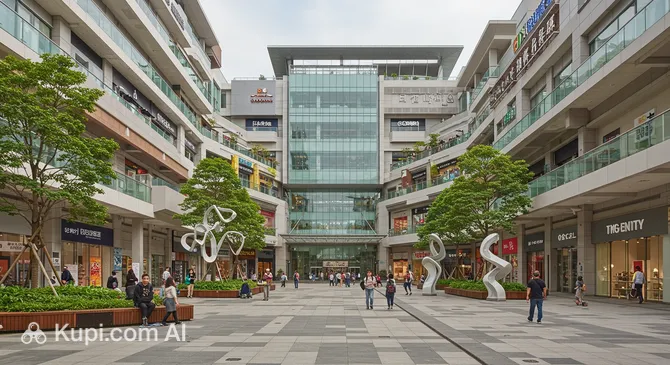
For those who prefer shopping in large malls, Hsinchu has several excellent options. One of the most popular is Big City, a huge complex that brings together famous brands, restaurants, a cinema, and entertainment zones under one roof. Another noteworthy mall is Taroko Square, offering a good selection of shops and dining establishments.

Big City. Illustration.
Source: Kupi.com AI

Traveler photos:

Markets are an integral part of Hsinchu's shopping scene. The Hsinchu Chenghuang Temple Night Market is particularly colorful. It is not just a place for shopping but a true gastronomic paradise where you can try many local dishes and snacks. You can also find affordable clothing, accessories, and souvenirs here.

Hsinchu Chenghuang Temple Night Market. Illustration.
Source: Kupi.com AI

Traveler photos:

As souvenirs from Hsinchu, it's worth bringing home glass items, as the city is famous for its Glass Museum and glass production. Local food products, such as rice noodles (mifen) and pork meatballs (gongwan), are also popular. Traditional Taiwanese teas and sweets also make great gifts.

Most shopping malls and large stores in Hsinchu are typically open from 11:00 AM to 10:00 PM. Smaller shops may have their own schedules. Night markets start operating closer to evening and stay open until late at night. Both cash (New Taiwan Dollar, TWD) and credit cards are accepted in most large retail outlets. Cash is preferred at the markets.

A Tax Free Shopping system is available for tourists in Taiwan. When making purchases over a certain amount in participating stores, foreign tourists can apply for a VAT refund. This usually requires presenting a passport and filling out a special form in the store. Check the details directly with the sellers.

Reached the end of the page?

That means the route is fully explored