Support

Miaoli

About

Miaoli is a charming city nestled in the central part of Taiwan, set amidst picturesque green hills and vast rice fields. Its location, surrounded by gentle mountain landscapes, makes it a true gem for nature lovers and those who enjoy peaceful walks. Miaoli serves as an excellent starting point for exploring the region, allowing for a harmonious blend of urban comfort and the charm of rural life.
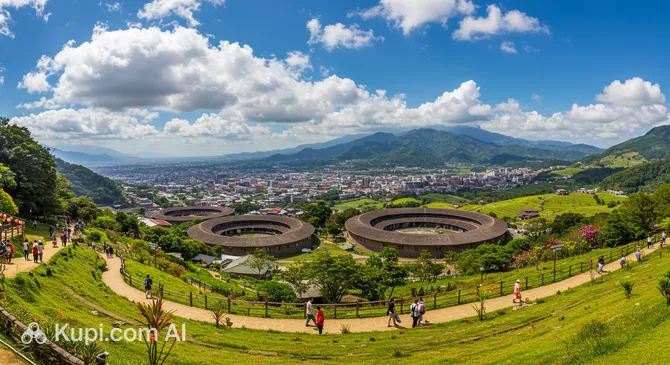
Miaoli. Illustration.
Source: Kupi.com AI

With a population of about 90,000 people, Miaoli is the administrative center of the county of the same name. Despite its relatively small size, the city boasts a well-developed infrastructure while maintaining a unique atmosphere of coziness and tranquility. There is no hustle and bustle of a metropolis here, and every guest can truly feel at home.

The city is famous for its rich cultural heritage. One of its unique features is the opportunity to get acquainted with the traditions of the Hakka people, which are carefully preserved by the local residents. Other attractive features of Miaoli include colorful local markets, charming old railway stations, ancient temples, and picturesque tea plantations that create the city's unique character. This is a place where the past and present are harmoniously intertwined, offering tourists an authentic experience.

Miaoli is ideal for those looking for something beyond standard tourist routes and wanting to immerse themselves in the authentic atmosphere of the island. If you dream of a break from the city bustle, learning about a unique culture, and enjoying natural beauty, Miaoli is definitely worth a visit.

You can find more interesting facts on the Miaoli city history page.
Weather Overview

The weather in Miaoli is characterized by a warm and humid climate. Summer, especially from May to September, is hot and humid: average maximum temperatures often reach 27–29°C, while minimums stay around 22–25°C. This period also sees the highest rainfall, peaking in June–August. Winters (December to February) in Miaoli are mild and noticeably drier, with average temperatures ranging from 13–15°C at night to 17–19°C during the day. Spring and autumn offer comfortable transitional weather, ideal for visiting the city.

To better plan your trip and find details on temperatures, precipitation, and the number of rainy days by month, we recommend exploring detailed information about the Miaoli climate.

Average monthly temperature

Average monthly precipitation

Interesting Facts

Beyond its well-known attractions, the city of Miaoli holds many surprising stories and cultural features that make it a truly unique place in Taiwan. Here are just a few interesting facts that will help you see Miaoli from a new perspective:

Miaoli Railway Museum. Illustration.
Source: Kupi.com AI

Traveler photos:

  • Heart of Hakka Culture: Miaoli is often called the "heart of the Hakka people" in Taiwan. It is here that the centuries-old traditions of this ethnic group are carefully preserved, from unique architecture and crafts to original folk festivals and a distinct dialect.

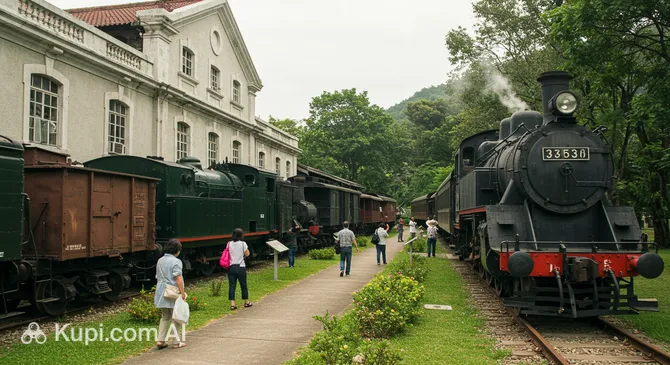
  • Railway Heritage: The city boasts a rich railway history. A vivid reminder of this is the Miaoli Railway Museum, where you can learn about the development of railroads in the region. The old Shengxing Station and the picturesque Longteng Bridge (Broken Dragon Bridge), which became a symbol of resilience after earthquakes, are also iconic sites from this era.

  • Colorful Festival at Bashatun Gongtian Temple: Every year in Miaoli, at the famous Bashatun Gongtian Temple, an impressive religious festival dedicated to the goddess Mazu takes place. This event gathers thousands of pilgrims and represents a true immersion into local culture with traditional rituals and vibrant multi-day processions.

  • Unique Tea Plantations: The surroundings of Miaoli are famous for their picturesque tea plantations where special varieties of oolong are grown, such as "Oriental Beauty" (Dongfang Meiren). Visitors can not only taste freshly brewed tea but also participate in traditional tea ceremonies, learning the subtleties of this ancient art.

How to Get There

There are several ways to reach the city of Miaoli, located in Miaoli County, Taiwan. However, the most common method for international tourists is flying into one of the country's major airports followed by a transfer.

The main international hub of Taiwan, through which most tourists arrive, is Taiwan Taoyuan International Airport (IATA: TPE). It is located in Taipei, approximately 71 km north of Miaoli. It is the country's largest airport with a massive passenger flow. From Taoyuan Airport to Miaoli, you can take a taxi in about 1.5–2 hours, depending on traffic. Additionally, trains and buses run regularly from the airport and Taipei to Miaoli, possibly requiring one transfer.

Another convenient option is Taichung International Airport (IATA: RMQ), which is significantly closer, about 39 km southwest of Miaoli, in Shalu. This is a mid-sized international airport serving both international and domestic flights. A taxi ride from here to Miaoli will take about 1 hour and 20 minutes. From the city of Taichung, which is also nearby, there are good bus and rail connections to Miaoli.

For convenience, here is summary information on the main airports used to reach Miaoli:

AirportPassenger trafficDistance
Taichung International Airport2.1 mln39 km
Taichung Airport2.1 mln49 km
Taiwan Taoyuan International Airport48.7 mln71 km
Taipei Songshan Airport5.4 mln92 km
Hualien Airport39 115101 km

After arriving at the airport, you can use taxi services, rent a car, or use public transport—buses or Taiwan Railway (TRA) trains—which connect major cities and regions across the island. It is recommended to check schedules and routes in advance, especially if a transfer is planned.

Main Attractions

Miaoli, a charming city in Taiwan, offers its guests a variety of attractions capable of satisfying the interests of diverse travelers. Here you can find historical sites, places for outdoor recreation, and family entertainment.

One of the city's key attractions is the Miaoli Railway Museum. This museum will be of particular interest to fans of technology and transport history. It presents a rich collection of exhibits telling the story of railway development in Taiwan, including vintage locomotives and carriages. A visit to the museum allows you to dive into the atmosphere of the past and learn a lot about the role of railways in the island's life.

Miaoli Railway Museum. Illustration.
Source: Kupi.com AI

Traveler photos:

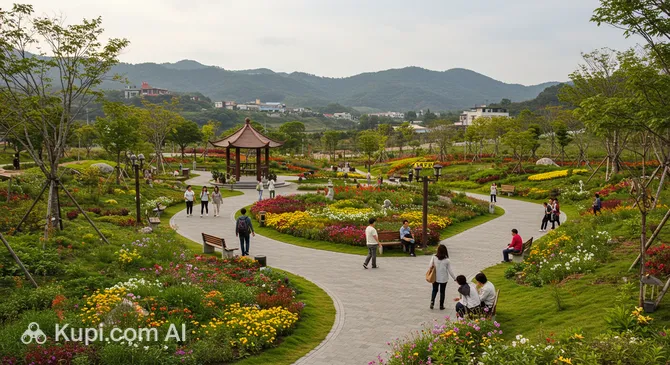
For those who prefer outdoor recreation and beautiful landscapes, Maolishan Park is an excellent choice. This spacious park offers visitors well-maintained walking paths, picturesque views of the city and its surroundings, and the opportunity to enjoy peace and quiet away from the city's noise. The park is a popular spot for both locals and tourists seeking solitude with nature.

Maolishan Park. Illustration.
Source: Kupi.com AI

Traveler photos:

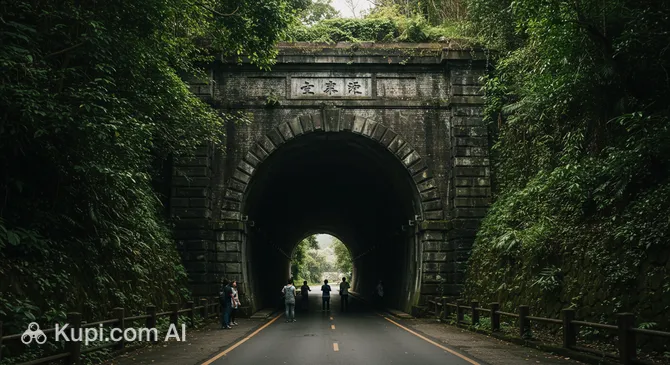
Another unique place to visit in Miaoli is the Gongweixu Tunnel. This historical railway tunnel, now converted into a pedestrian zone, attracts visitors with its unusual atmosphere and photogenic qualities. A walk through the tunnel, decorated with colorful lights, will leave a lasting impression and allow you to touch the industrial heritage of the region.

Gongweixu Tunnel. Illustration.
Source: Kupi.com AI

Traveler photos:

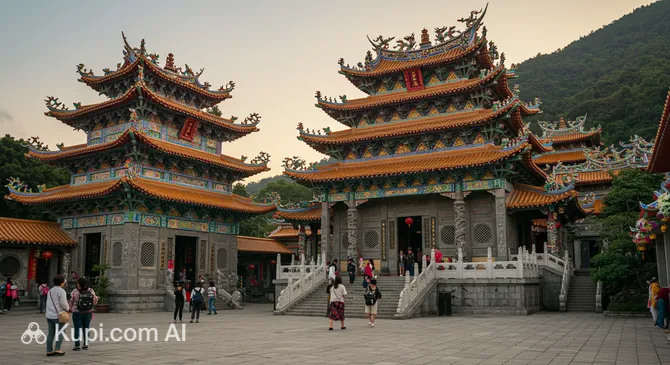
Those interested in cultural and spiritual attractions will find Yuqing Temple fascinating. This traditional temple is an important religious center and attracts visitors with its beautiful architecture, ornate carvings, and peaceful atmosphere. A visit to the temple provides an opportunity to learn about local beliefs and traditions.

Yuqing Temple. Illustration.
Source: Kupi.com AI

Traveler photos:

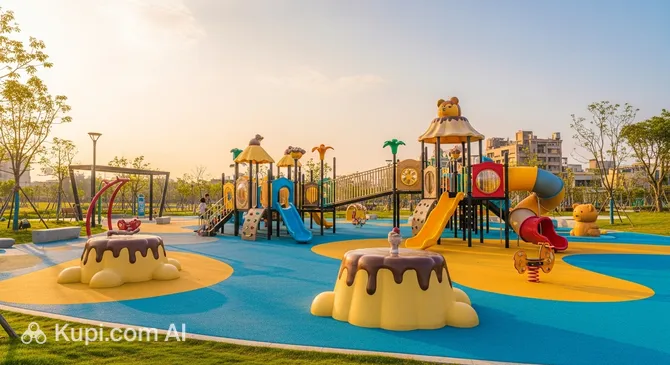
For families with children, a great option is the Pudding Bear Children's Park (Miaoli Zhonghua). This themed amusement park offers various rides and play areas that will delight young visitors and give them plenty of positive emotions.

Local Cuisine

The gastronomic scene in Miaoli is a true discovery for gourmets, with Hakka cuisine taking center stage. Dishes here are characterized by simplicity, heartiness, and bold flavors. Immersing yourself in local culinary traditions will provide an unforgettable experience and a better understanding of the culture of this amazing city in Taiwan.

Among the dishes that are a must-try in Miaoli is braised pork with salted vegetables—a classic of Hakka cuisine often served with rice or noodles. This hearty and fragrant dish will warm you up and introduce you to the true taste of the region. Equally noteworthy are the famous steamed rice cakes with fillings of meat or sweet beans. Another local delicacy is crunchy peanut treats, prepared according to old recipes and often sold at street markets.

Those with a sweet tooth will appreciate local desserts made from sweet potato and tapioca. Regarding drinks, refreshing green tea options and the famous Oolong tea grown on nearby plantations are worth noting. This tea is a true symbol of Miaoli's hospitality and flavor. Locals and tourists often enjoy these drinks in cafes or from street vendors.

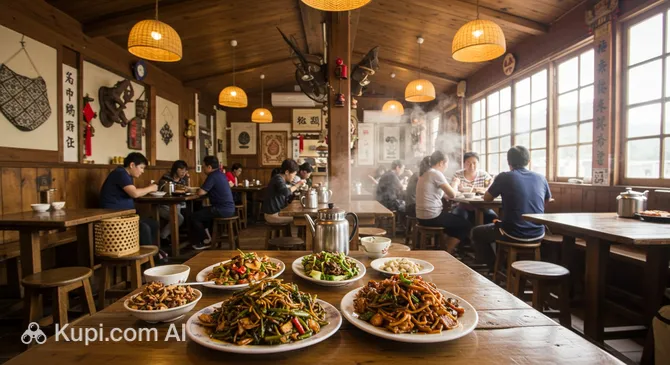
The food culture in Miaoli is very diverse. Locals often eat at lively farmers' markets, where you can find the freshest fruits like papaya, pineapple, and mango. The city's old streets abound with street stalls offering unusual snacks and homemade pickles. For a more thorough introduction to Hakka cuisine, you can visit specialized restaurants, such as Fanjia Yan Hakka Restaurant. Additionally, food festivals are frequently held in Miaoli, where you can sample seasonal dishes and participate in workshops.

Fanjiayan Hakka Restaurant. Illustration.
Source: Kupi.com AI

Traveler photos:

Overall, Miaoli's culinary scene attracts tourists with its authentic character, focus on fresh local products, and rich Hakka heritage. It is a place where everyone will find something to their liking, from simple street snacks to exquisite restaurant meals.

Travel Tips

Welcome to Miaoli, a charming corner of Taiwan known for its Hakka culture and picturesque landscapes! To ensure your trip goes smoothly and leaves only pleasant impressions, we have prepared some practical tips.

  1. Clothing and Essentials:

    The climate in Miaoli is subtropical, with hot, humid summers and mild winters. In summer, choose light, breathable clothing made from natural fabrics. Spring and autumn offer comfortable weather, but it can be cool in the evenings—bring a light jacket or sweater. In winter, you will need warmer clothes. Be sure to bring comfortable shoes for walking around the city and its surroundings, especially if you plan to visit nature parks or temples. Don't forget sunscreen, a hat, and insect repellent, especially during the warmer months. An umbrella or raincoat will be useful year-round, as rain is common. For electrical appliances, you will need an adapter (Taiwan uses Type A and B sockets, 110V). When visiting temples like Fuxinggong Temple, choose modest clothing that covers shoulders and knees.

  2. Getting Around the City:

    The main form of public transport in Miaoli is buses. They connect different parts of the city and some nearby attractions. Schedules and routes can be checked on-site or using online maps. Taxis are also available and can be hailed on the street or ordered through your hotel. For greater freedom of movement, especially if you plan to explore the countryside and natural beauty of Miaoli County, consider renting a scooter or car. This usually requires an International Driving Permit. Note that traffic can be quite busy, especially in the city center.

  3. Finances: Currency, Cards, and Tipping:

    The local currency is the New Taiwan Dollar (TWD). You can exchange currency at banks or exchange offices; there may be fewer of them in Miaoli than in larger tourist hubs, so it's better to take care of this in advance. Bank cards (Visa, Mastercard) are accepted in most hotels, large stores, and restaurants. However, at local markets, small cafes, and for bus fares, it is better to have cash on hand. ATMs are quite common. A rough daily budget might be 1500-3000 TWD per person, excluding accommodation. The tipping culture in Taiwan is not as widespread as in Western countries. In restaurants, a service charge (10%) is often already included in the bill. If the service was particularly good, a small tip will be gratefully accepted.

  4. Health and Safety:

    Miaoli, and Taiwan in general, is considered a very safe place for tourists. Follow standard precautions: keep an eye on your belongings in crowded places and don't leave valuables unattended. Pharmacies (look for the sign "藥局") are available in the city for over-the-counter medications. For more serious medical help, contact local clinics or hospitals; it is recommended to have travel medical insurance. Drinking tap water is not recommended; it's better to buy bottled water. Be prepared for potential natural phenomena: Taiwan is in a seismically active zone and is subject to typhoons (usually from June to October)—follow the news and recommendations of local authorities.

  5. Communication and Internet:

    The official language is Mandarin Chinese. The Hakka dialect is also widely spoken in Miaoli. English is not as common as in Taipei, but in tourist areas and hotels, you can likely make yourself understood. Learn a few basic phrases in Mandarin, such as: "你好" (Nǐ hǎo - Hello), "谢谢" (Xièxiè - Thank you), "多少钱?" (Duōshao qián? - How much?). This will be appreciated by the locals. A SIM card with mobile internet can be purchased at the airport upon arrival or at telecommunication shops in the city. Wi-Fi is available in many hotels, cafes, and public places. There is also a free government Wi-Fi network called "iTaiwan".

  6. Local Etiquette and Traditions:

    Taiwanese people are very friendly and hospitable. A greeting usually involves a slight nod or a verbal "Nǐ hǎo". Show respect to elders. In public places, try not to speak too loudly. When visiting temples, behave quietly, do not use flash photography where prohibited, and remove your shoes if required. When receiving or giving anything (like a business card or a gift), do so with two hands—this is a sign of respect.

  7. What to Avoid:

    Try to avoid discussing sensitive political topics. Also, a key point of table etiquette: never stick your chopsticks vertically into a bowl of rice, as this resembles the ritual incense used at funerals and is considered a bad omen.

  8. Immerse Yourself in Hakka Culture:

    Miaoli is the heart of Hakka culture in Taiwan. Be sure to try traditional Hakka cuisine (such as lei-cha—a nutritious tea with herbs and grains, or braised dishes), visit themed cultural parks, or old Hakka villages. This is a unique opportunity to gain a deeper understanding of the local culture. Miaoli is also famous for its festivals, such as the Tung Blossom Festival in spring, when the hills are covered with white flowers—an incredibly beautiful sight.

We hope these tips help you better prepare for your trip and get the most out of your stay in Miaoli. We wish you an unforgettable journey through this unique region of Taiwan!

Entertainment & Nightlife

Miaoli, a charming city in Taiwan, offers its guests not only picturesque landscapes and cultural attractions by day but also cozy options for evening relaxation. Although the nightlife here is not as boisterous as in the major metropolises, you will find pleasant places to unwind after a busy day.

The main evening activity in Miaoli is centered around restaurants and bars where you can enjoy local cuisine and drinks in a calm atmosphere. Instead of noisy nightlife districts with numerous clubs, the establishments here are oriented towards conversation and pleasant pastimes. Popular spots for evening gatherings can often be found in the city center or near the main shopping streets. The atmosphere in such places is usually relaxed, and the dress code is casual. The crowd is mixed, consisting of both locals and tourists.

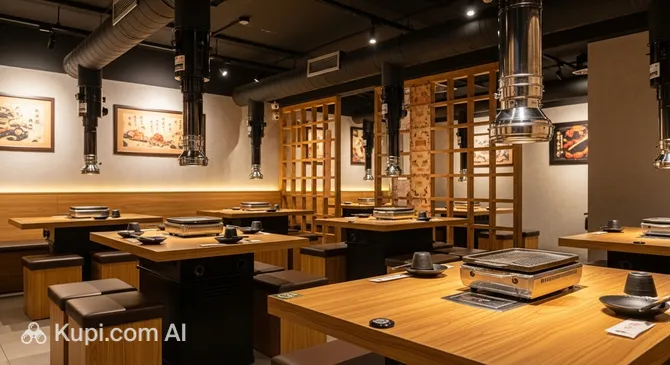
Among the places where you can spend a pleasant evening, it is worth noting Juchang Yakiniku, offering grilled dishes in a cozy setting, and WildBBQ Miaoli, where you can enjoy barbecue and drinks. The city also has restaurants with diverse cuisines, such as Fanjia Yan Hakka Restaurant, specializing in local Hakka cuisine, or Hanatori Japanese Cuisine. Many of them stay open until late evening, allowing for a leisurely dinner.

Zhuchang Yakiniku. Illustration.
Source: Kupi.com AI

Traveler photos:

When planning an evening out, it is best to aim for a time after 7:00 PM or 8:00 PM when most establishments begin their active hours. Prices in the bars and restaurants of Miaoli are generally moderate. Getting around the city at night is most convenient by taxi; they can be called by phone or via apps. In general, Miaoli is considered a safe city, but as with anywhere, you should take standard precautions during night walks, especially in secluded areas.

During the day, Miaoli offers other types of entertainment. History and technology buffs can visit the Miaoli Railway Museum, which houses interesting exhibits related to rail transport. For family outings, the Pudding Bear Children's Park (Miaoli Zhonghua) is perfect, while for fresh air and walks, the picturesque Maolishan Park or Houlong River Park are great choices.

Bear Pudding Kids Playground (Miaoli Zhonghua). Illustration.
Source: Kupi.com AI

Traveler photos:

Thus, while Miaoli is not a hub of club life, it offers plenty of options for a pleasant evening leisure that will harmoniously complement your daytime impressions of this cozy Taiwanese city.

Parks & Museums

Miaoli is a city that delights its guests not only with picturesque green corners for outdoor relaxation but also with interesting cultural sites telling of its history and traditions. Everyone will find something here, whether it's a walk along the shaded alleys of a park or discovering unique exhibits in local museums.

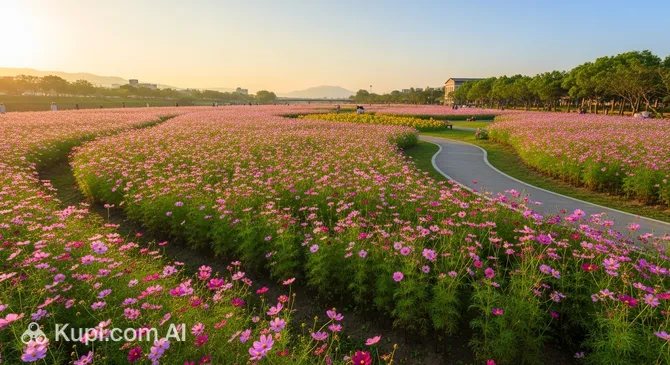
Among the green oases of Miaoli, Maolishan Park stands out particularly. It is a popular spot for walks and relaxation, offering beautiful views of the city and its surroundings. Here you can enjoy fresh air, walk along well-kept paths, and simply take a break from the city bustle. Another wonderful place for nature lovers is the Houlong River Park, stretching along the river. It is ideal for leisurely strolls, picnics, and observing local flora and fauna.

Houlong Riverside Park. Illustration.
Source: Kupi.com AI

Traveler photos:

For families with children, the Pudding Bear Children's Park can be an interesting stop, offering various rides and entertainment for young visitors.

You can dive into the region's history by visiting the Miaoli Railway Museum. It tells the story of the development of rail transport in Taiwan, which was of great importance for the growth of Miaoli. The museum's exhibition will be interesting for both adults and children fascinated by technology and history.

No less attractive for tourists is the Gongweixu Tunnel—an old railway tunnel that has today become a popular pedestrian attraction. A walk through this historical structure, decorated with light installations, leaves an unforgettable impression. It is also worth paying attention to Yuqing Temple, an important religious and cultural center reflecting the city's spiritual life. Its architecture and atmosphere of peace attract many visitors.

For more authentic experiences, try visiting local markets, which are often located near park zones or temples—there you can immerse yourself in the daily life of the townspeople and sample local delicacies. Also, while exploring the area around Maolishan Park, you can find lesser-known viewpoints with stunning vistas.

Getting Around

Public transport in Miaoli is primarily represented by bus routes that connect various parts of the city and its surroundings. The Miaoli Railway Station also plays a crucial role, being part of the Taiwan railway network and allowing for convenient travel over both short and long distances.

The most convenient way to pay for bus fares is by using smart cards such as EasyCard (悠遊卡) or iPASS (一卡通). These cards are rechargeable and accepted on most types of public transport throughout Taiwan, making them very practical for tourists. Cards can be purchased and topped up at convenience stores (e.g., 7-Eleven, FamilyMart) and at some stations. Cash payment is also possible, but it is recommended to have small change as the driver may not provide change. The fare is usually inexpensive.

Tourists planning to use buses in Miaoli should pay attention to the schedules and routes, which are typically displayed at stops. To signal a bus to stop, you often need to gesture to the driver (raise your hand). Card payment is made when entering or exiting the bus—watch for signs or the actions of other passengers. Buses usually run from early morning until late evening, though the frequency may decrease in the evening hours and on weekends.

As an alternative to public transport, taxis are always available in Miaoli. They can be found at designated stands, called by phone, or requested via apps. For short trips and a more active way to explore the city, consider renting a bicycle; some areas may have bike-sharing systems like YouBike, which is popular in Taiwan.

Overall, the transport system in Miaoli is relatively simple to understand and use. Buses and trains provide good connectivity, and the use of smart cards makes travel convenient and economical. By planning your trips in advance and carrying an EasyCard or iPASS, you will be able to easily explore the city and its surroundings.

Accommodation

When planning a trip to Miaoli, you will find a variety of accommodation options to suit different preferences and budgets. The city offers a choice from cozy guesthouses and budget hotels to more comfortable mid-range hotels. You can also consider apartment rentals, especially if you are traveling with family or planning a long stay.

When choosing a place to stay in Miaoli, pay attention to areas that provide easy access to major attractions and transport hubs. The central districts of the city generally offer more options and are closer to popular tourist sites such as Maolishan Park or the Miaoli Railway Museum. Staying near transport junctions will make it easier for you to move around the city and its surroundings.

The price range for accommodation in Miaoli varies: you can find both budget options and mid-range hotels. There are fewer luxury resorts here, with an emphasis on more affordable and authentic accommodation. It is recommended to book your accommodation in advance, especially if your trip coincides with the peak tourist season or local holidays. For searching and booking, it is convenient to use popular online platforms like Booking.com, Agoda, or contact the chosen hotel directly.

Overall, Miaoli offers guests comfortable living conditions, allowing them to focus on exploring the city and its unique atmosphere. Regardless of your choice, planning ahead will help ensure a pleasant and worry-free stay.

Nearby Cities

For those looking to explore the surroundings, Miaoli serves as an excellent starting point for day trips to several interesting nearby locations:

CityPopulationDistance
Touwu9 9414 km
Houlong34 3556 km
Gongguan31 4536 km
Zaoqiao11 70710 km
Tongluo16 67613 km

These nearby destinations provide insight into the diverse culture and landscapes of the region.

Shopping & Souvenirs

Miaoli, a charming city in Taiwan, offers tourists an authentic local experience rather than a massive metropolis-style shopping spree. You won't find huge shopping malls with international brands here, but you can immerse yourself in the atmosphere of local markets and small shops to purchase unique souvenirs reflecting the region's culture. The city and its surrounding Miaoli County are famous for folk crafts, especially those related to Hakka culture, as well as agricultural products.

The main shopping spots in Miaoli are generally concentrated along the central streets and in busy areas of the city. While walking through the city, keep an eye out for small shops and stores, particularly around places like the Miaoli City Square. Here you can find daily necessities, clothing, footwear, and local delicacies. While there are no nationally famous specialized shopping streets in Miaoli, its charm lies in this intimate scale.

There are few large modern shopping centers in Miaoli comparable to those in the capital. Instead, small department stores or shopping rows where a variety of goods can be found are more common. For more extensive shopping, residents and visitors might head to larger Taiwanese cities.

Markets are a vital part of daily life in Miaoli. Here you can find traditional morning markets selling fresh fruit, vegetables, meat, seafood, and ready-made local dishes. It's a great place to observe the life of the locals and try authentic food. Small night markets offering street food and various small goods may also be found. Although there might not be specialized flea markets or major souvenir markets, ordinary markets often feature interesting local products.

As souvenirs from Miaoli, it is worth bringing back items made by local artisans. These could include ceramics, wood carvings, and textiles with traditional Hakka patterns. Also look for local tea, dried fruits, sweets, and other gastronomic specialties of the region. For example, Miaoli County is known for growing strawberries and producing strawberry-based products.

Most shops in Miaoli operate from approximately 10:00-11:00 AM until 9:00-10:00 PM. Markets, especially morning ones, start much earlier. Larger stores and some tourist spots accept credit cards, but in markets and small shops, it is preferable to have cash (New Taiwan Dollars) with you. ATMs are fairly common.

For international tourists in Taiwan, a Value Added Tax (VAT) refund system (Tax-Free Shopping) is available. If you make purchases at stores participating in this program (they usually have a special "Tax Refund" sign) exceeding a certain limit (check current rules), you can apply for a partial VAT refund upon leaving the country. Don't forget to bring your passport when making such purchases.

Reached the end of the page?

That means the route is fully explored