Support

Sanyi

About

Sanyi is a small but surprisingly picturesque town, nestled comfortably on the coast of Taiwan, surrounded by emerald hills and the gentle South China Sea. The town is located in the southwest of the island, where the climate features mild winters and hot summers, and the fresh sea breeze fills the streets with a special energy. Sanyi seems designed for leisurely strolls, sunset watching, and enjoying nature.
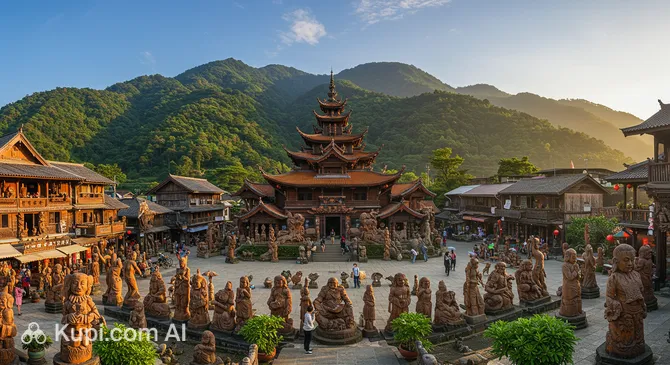
Sanyi. Illustration.
Source: Kupi.com AI

With a population of about 15,000, Sanyi maintains an atmosphere of coziness and tranquility. There is no hustle and bustle of megacities here—instead, guests are greeted by friendly residents, narrow streets with traditional architecture, and a peaceful pace of life. The town plays an important role in the region's life, serving as a hub for local artisans and artists, and attracting travelers seeking authentic experiences.

The atmosphere of Sanyi is a harmony of nature, culture, and creativity. The town is particularly famous for its woodcarving workshops, where you can watch the creation of unique items, art galleries showcasing local talent, and colorful festivals held throughout the year. People come here to be inspired by the beauty of the surrounding mountains, try unique local dishes, and learn about traditions carefully preserved from generation to generation.

Sanyi is a must-visit for anyone dreaming of a slow-paced holiday away from noisy tourist routes. Here, it is easy to feel like part of a large family, discover new facets of Taiwanese culture, and take home not only souvenirs but genuine memories of the hospitality and uniqueness of this charming corner of the island.

You can find more interesting facts on the history of Sanyi page.

Weather Overview

The weather in Sanyi offers comfortable conditions for visiting throughout the year, though with some seasonal variations. The average annual temperature fluctuates, creating different conditions for travelers.

Summer months, such as July and August, are the warmest, with average temperatures around 27.2°C and 26.6°C respectively, and are characterized by the highest rainfall (8-10 mm) and rainy days (23-25 days). Winter, especially January and December, is cooler, with average temperatures around 16.1°C and 17.5°C, and significantly less rainfall (about 2 mm) and fewer rainy days (approximately 8). In general, expect a warm, humid summer with frequent but not always heavy rain, and mild, drier winters.

To get detailed monthly weather information and plan your trip in the best possible way, you can check the detailed description on the Sanyi climate page.

Average monthly temperature

Average monthly precipitation

Interesting Facts

In addition to its scenic landscapes and rich culture, Sanyi holds many fascinating secrets and interesting features that make it a truly unique place to visit. Here are just a few lesser-known facts that will help you look at this town from a new perspective:

  • Sanyi proudly bears the title of the "town of a thousand artisans." The art of wood and stone carving has flourished here for ages, and local masters create true masterpieces known far beyond the borders of Taiwan. Many houses and temples are decorated with unique hand-carved panels, each telling its own story.

  • In the vicinity of the town lies the famous Dragon Bridge—not just an architectural structure, but a true symbol of Sanyi. According to local legend, this bridge possesses magical powers: it brings good luck to everyone who crosses it with pure thoughts and makes a secret wish.

  • Sanyi is the birthplace of one of the most colorful and famous kite festivals in Taiwan. Every year, enthusiasts of this fascinating art from all over the island gather here to paint the sky above the town in bright colors and demonstrate their boldest and most original kite designs.

  • The town carefully preserves unique New Year celebration traditions. During this period, local residents decorate their homes with fresh flowers, exciting theatrical performances unfold in the streets, and housewives prepare special festive dishes whose recipes are passed down from generation to generation exclusively within Sanyi families.

How to Get There

The most convenient way to reach the town of Sanyi is by air, although the town itself does not have its own airport. The nearest and most significant air hubs are located in other cities in Taiwan, from where you can continue your journey by land transport.

One of the most convenient options is Taichung International Airport (RMQ), located in Shalu, only about 21 km from Sanyi. This is a medium-sized airport, and a taxi ride to Sanyi from here will take about 50-60 minutes. Another nearby option is Taichung Airport (TXG), which is located in the city of Taichung, at a distance of about 30 km from Sanyi. The drive from this airport to Sanyi usually takes just over an hour.

For many international travelers, the main point of entry into Taiwan is Taiwan Taoyuan International Airport (TPE). This is the country's largest airport, located in Taipei, approximately 88.5 km from Sanyi. Despite the significant distance, there are good transport links from this major international hub, though the trip to Sanyi can take about 2.5 hours by car.

For convenience, here is a summary of the main airports that can be used for a trip to Sanyi:

AirportPassenger trafficDistance
Taichung International Airport2.1 mln21 km
Taichung Airport2.1 mln30 km
Taiwan Taoyuan International Airport48.7 mln89 km
Hualien Airport39 11596 km
Taipei Songshan Airport5.4 mln108 km

After arriving at one of the airports, Sanyi can be reached by taxi, rental car, or possibly by using local bus routes. It is recommended to check the schedule and availability of public transport from your chosen airport to Sanyi in advance.

Main Attractions

Sanyi, a charming town in Miaoli County, is known throughout Taiwan for its unique woodcarving art and picturesque historical sites. Travelers will find an amazing blend of culture, history, and natural beauty here, making it an attractive destination to visit.

One of the town's main gems is the Sanyi Wood Sculpture Museum. It is the first museum in Taiwan entirely dedicated to the art of wood sculpture. Visitors can trace the history of this craft's development in the region and admire impressive works by local masters, ranging from traditional motifs to contemporary installations. The museum offers a deep immersion into local culture and is a must-visit for art lovers.

Located near the center of Sanyi is Shengxing Old Station—one of the highest points of Taiwan's former mountain railway line. This beautifully preserved wooden station, built in the early 20th century, is now a popular tourist site. Here, you can walk along the old tracks, enjoy the nostalgic atmosphere, and take vibrant photographs. There are also many souvenir shops and cozy cafes surrounding the station.

Another iconic site associated with the region's rich railway history is the Longteng Bridge Remains. This once-majestic brick arch bridge was partially destroyed by a powerful earthquake in 1935. Its picturesque remains, overgrown with greenery, have become a symbol of resilience and one of the most photographed places in Miaoli. The bridge ruins serve as a reminder of nature's power and the important engineering heritage of the past.

For those who wish not only to see but also to purchase works by local artisans, Shuimei Wood Sculpture Street is a mandatory stop. This lively street is literally filled with shops, galleries, and workshops where you can watch the process of creating wood sculptures and choose from a huge variety of items—from small, elegant figurines to impressive works of art. It is a great place to find a unique souvenir to remember your trip to Sanyi.

Local Cuisine

The gastronomic scene in Sanyi is a real discovery for gourmets, where fresh seafood and seasonal vegetables play the leading role. The local cuisine will delight you with a variety of flavors and aromas, offering both traditional dishes and modern culinary interpretations.

Among the dishes that are definitely worth trying in Sanyi, the fragrant seaweed soup with tofu and expertly prepared fried fish with unique local spices stand out. However, one of the town's gastronomic signatures is considered to be "Sanyi-shuiguo"—a traditional dish of tender pork stewed with pineapple and ginger. This original combination of sweet and savory notes invariably delights both locals and visitors alike.

For lovers of street food and desserts, Sanyi also has much to offer. Look out for appetizing rice cakes with sesame and fragrant taro buns, which can be found from street vendors. Among drinks, the famous "flower tea", made from local herbs and petals, is particularly popular. It is served in small, cozy tea houses, creating a special atmosphere.

The food culture in Sanyi is based on the principle of freshness, with many products sourced from local family farms. The town is known for its gastronomic festivals, where you can experience a wide range of dishes—from time-tested classics to innovative culinary delights. Locals and tourists enjoy food in a variety of places: from bustling street markets and small eateries to elegant restaurants offering dishes for every taste.

Travel Tips

Planning a trip to Sanyi, the charming Taiwanese town known for its woodcarving art and Hakka culture? These practical tips will help you better prepare for your journey and get the most out of your stay in this unique corner of Taiwan.

  1. Clothing and Essentials: Sanyi has a subtropical climate. In summer (May to September), choose light, "breathable" clothing. In winter (December to February), layering is useful: t-shirts, sweaters, and a light jacket. Don't forget an umbrella or raincoat, especially during the rainy season (May-June) and potential typhoon season (July-September). Comfortable shoes are absolutely necessary for walking around the town and its surroundings. Also, bring sunscreen, a hat, sunglasses, and a universal adapter (Taiwan uses Type A and B sockets, 110V voltage). When visiting temples, dress modestly, covering your shoulders and knees.
  2. Transport: You can get around Sanyi and its surroundings by local buses; there is also a railway station in town, which is convenient for trips to other parts of Taiwan. Taxis are available but may not be as plentiful as in large cities. You might consider renting a scooter (a very popular mode of transport in Taiwan) or a car for more freedom to move around Miaoli County, but this requires an international driving permit. Check for taxi-hailing apps like Uber or local equivalents upon arrival.
  3. Finance: The official currency is the New Taiwan Dollar (NTD or TWD). You can exchange currency at banks or at the airport upon arrival in Taiwan. Credit cards (Visa, MasterCard) are accepted in most hotels, large shops, and restaurants. However, cash is preferred in small shops, local markets, and some family establishments. ATMs are widespread and usually support international cards—remember to notify your bank of your trip. Tipping is generally not expected in Taiwan, as a 10% service charge is often already included in restaurant bills.
  4. Health and Safety: Sanyi, like Taiwan in general, is considered a very safe place. Observe standard precautions: keep an eye on your belongings in crowded places. Pharmacies (look for the 藥 sign) are available in town, but 24-hour ones may be rare; some pharmacists may speak English. It is recommended to have travel medical insurance. In emergencies, call 119 (fire/ambulance) or 110 (police).
  5. Communication: The main language is Mandarin Chinese. The Hakka dialect is also common in Miaoli County. English proficiency may be limited, especially among the older generation and in smaller establishments, but you will likely find English-speaking staff in hotels and tourist spots. Learn a few simple phrases: "Ni hao" (Hello), "Xiexie" (Thank you), "Duo shao qian?" (How much?). An internet SIM card can be purchased at the airport or at mobile service centers. Wi-Fi is available in many hotels, cafes, and public areas (look for the free iTaiwan network).
  6. Local Etiquette: Taiwanese people are very friendly and polite. A slight nod of the head is a common greeting. Avoid loud conversations on public transport. Queuing is expected. When visiting homes or some temples, you may be required to remove your shoes. If you are invited as a guest, a small gift is appropriate.
  7. What to Avoid: Try not to initiate conversations on sensitive political topics. Also, avoid public criticism or creating situations that might cause someone to "lose face"—this is considered impolite. It is not customary to point at people with your finger.
  8. Sanyi Specialty: The town is famous for its woodcarving art. Be sure to visit the Sanyi Wood Sculpture Museum and stroll along Shuimei Street, where many workshops and shops selling wood products are located. Also, try the local Hakka cuisine—it features unique flavors and aromas.

We hope these tips make your trip to Sanyi even more pleasant and fulfilling. Enjoy the unique atmosphere of this creative town, its hospitality, and rich culture!

Entertainment & Nightlife

Sanyi is a charming mountain town in Miaoli County, known as the "Kingdom of Woodcarving." If you are planning a trip to Taiwan in search of a vibrant nightlife with neon signs and loud music, Sanyi offers a completely different alternative. There are no noisy red-light districts or mega-clubs here. The evening atmosphere of the town encourages contemplation, relaxation, and immersion in the local "slow life" (Cittaslow) culture.

Main evening activities focus on traditional tea houses and restaurants at guesthouses (minsu). Instead of cocktail bars, it is customary here to spend time during a tea ceremony, enjoying mountain views and the cool of the misty forests. One of the centers of attraction is the Shengxing Old Street area. Although most souvenir shops close by sunset, a walk along the lantern-lit street by the old railway creates an incredibly romantic atmosphere, reminiscent of scenes from historical films.

For dinner and a pleasant time, look for conceptual establishments that combine gastronomy and nature. For example, the Green Ark restaurant is famous for its architecture integrated into the forest landscape and is suitable for a quiet dinner. Another popular spot is Zhuo Ye Cottage, where you can not only have a vegetarian Hakka dinner but also enjoy the atmosphere of a traditional village with ponds and lanterns. The crowd here is mostly families and couples who value coziness and silence. The dress code everywhere is as casual and comfortable as possible.

If you still want to experience the flavor of Taiwanese night trading, visit the local Sanyi Night Market. It does not run every day (usually on Fridays), but that is where you can try real street food, play simple fairground games, and see how the locals relax. Prices here are very affordable: a hearty dinner of several snacks will cost about 150–300 TWD.

Practical Tips and Safety:

Life in Sanyi winds down early. Most restaurants take their last orders around 7:30–8:00 PM, so plan your dinner in advance. Public transport is extremely rare after sunset. It is highly recommended to rent a scooter or car, or arrange a transfer in advance with taxi drivers or your hotel hosts. From a crime perspective, the area is exceptionally safe; the main "dangers" are the dark, winding mountain roads and the thick fog that often descends on the valley in the evening.

During the daytime, Sanyi offers a rich cultural program. Be sure to visit the famous Wood Sculpture Museum, which houses masterpieces by local craftsmen. Outdoor enthusiasts will enjoy a trip on the Rail Bikes along the old mountain railway, passing through picturesque tunnels and over the Longteng Bridge. This is a unique way to see historical engineering structures and the beauty of the jungle.

Parks & Museums

The town of Sanyi, located in the picturesque Miaoli County, invites travelers to discover a unique blend of natural beauty and rich cultural heritage. Here, you can enjoy the tranquility of green spaces and immerse yourself in the world of art for which this region is famous.

While Sanyi is not brimming with large urban parks in the traditional sense, its charm lies in its harmony with the surrounding nature. The town's outskirts are rich with green hills and scenic forest trails, perfect for leisurely walks and enjoying the fresh air. One popular spot for connecting with nature is the area around the historic Shengxing Station, where old railway tracks are nestled in greenery, creating a peaceful atmosphere. Also worth noting is the area around the Longteng Bridge (Remains of Longteng Bridge), where impressive ruins blend harmoniously into the natural landscape, offering unique views.

The main cultural jewel of Sanyi is undoubtedly the Sanyi Wood Sculpture Museum. This is an iconic place not only for the town but for all of Taiwan, as Sanyi is rightfully considered the woodcarving capital. The museum presents an impressive collection of works, from traditional to contemporary, demonstrating the incredible skill and imagination of local carvers. Another important cultural space is Sanyi Old Street (Shuimei Street). This is not just a street, but a kind of open-air gallery: numerous shops, stalls, and workshops display and sell unique wood sculptures, decor items, and authentic souvenirs. Here, you can watch masters at work and feel the creative atmosphere of the town.

In addition to the art of woodcarving, Sanyi and its surroundings preserve memories of the past. Be sure to visit the aforementioned Shengxing Station—one of the oldest and best-preserved wooden railway stations in Taiwan, built during the Japanese colonial era. Its authentic architecture and early 20th-century atmosphere attract many tourists and photographers. Not far away is the famous Longteng Bridge Remains—the impressive remnants of a brick arch bridge destroyed by a powerful earthquake in 1935. These picturesque ruins have become a symbol of resilience and a popular historical site.

For a more authentic Sanyi experience, turn off the main tourist routes and peek into the small alleys branching off the Old Street—there you can find lesser-known workshops with truly unique works by local artisans. And to get a deeper look at the local culture, don't miss the chance to try traditional Hakka cuisine in one of the cozy local restaurants.

Getting Around

When planning a trip to Sanyi, it is important to think in advance about how you will get around this charming town, famous for its woodcarving traditions. Public transport here has its own characteristics, but generally allows you to reach the main attractions.

The main form of public transport in Sanyi is buses. The route network connects Sanyi Railway Station with key tourist points such as the Sanyi Wood Sculpture Museum, Shengxing Old Street, and other interesting places. Although there is no metro or tram system in Sanyi, the bus service is sufficiently developed for the needs of tourists and residents. Schedules may not be as frequent as in large cities, so it is recommended to check them in advance.

The payment system for buses in Sanyi, as in most of Taiwan, is quite convenient. You can pay with cash (usually the exact amount is required as no change is given) or use rechargeable smart cards such as EasyCard (悠遊卡) or iPASS (一卡通). These cards are very popular and can be used for public transport across the island, as well as for small purchases in stores. They can be purchased and topped up at convenience stores (e.g., 7-Eleven, FamilyMart) and at some stations. Bus fares are usually low and depend on the distance.

Tourists should keep a few practical points in mind. Bus tickets or card validation are done upon entry or exit (follow the signs in the bus). Bus stops are marked, but information on them may be predominantly in Chinese, although key tourist routes often have English names as well. Public transport operating hours generally cover the daytime, from early morning until evening, but night routes are unlikely.

As an alternative to public transport in Sanyi, you can use taxis. They can be found at the railway station and major attractions. This is a more expensive but faster way to travel, especially if you are short on time or traveling with luggage. For short distances and a leisurely exploration of the surroundings, consider bicycle rental, which will allow you to enjoy Sanyi's scenic views at your own pace. Also worth noting is a unique tourist attraction—the Old Mountain Line Rail Bike, which offers an exciting ride along the old mountain railway, but this is more of an entertainment activity than regular transport.

Accommodation

When planning a trip to Sanyi, you will find that the town offers a variety of accommodation options to suit the needs of most travelers. Despite its relatively small size, Sanyi is ready to offer both budget and more comfortable stay options.

The main choice of accommodation in Sanyi includes cozy guesthouses, small family hotels, and apartments available for short-term rent. You can also find mid-range hotels offering a good level of comfort and service. While there may not be as many world-class luxury resorts as in major tourist centers, the charm of local hotels often lies in their authenticity and the hospitality of the hosts. Small private hotels and guesthouses predominate in Sanyi, many of which feature unique designs reflecting the creative spirit of the town.

Tourists often prefer to stay in areas close to the main points of interest or along the main streets where shops and restaurants are concentrated. The choice of area depends on your preferences: whether you want to be in the heart of the action or are looking for a more secluded place to relax.

Booking Tip: It is recommended to book accommodation in Sanyi in advance, especially if your trip coincides with local festivals or the peak tourist season. This will help you secure the best choices and prices.

The price range for accommodation in Sanyi varies from budget hostels and guesthouse rooms to mid-range hotels. Finding high-quality and comfortable accommodation is quite realistic. Popular online booking platforms for hotels and apartments are widely used, and direct booking with guesthouse owners is also an option.

Nearby Cities

For those looking to explore the surroundings, Sanyi serves as an excellent starting point for day trips to several interesting nearby locations:

CityPopulationDistance
Tongluo16 6766 km
Dahu13 21011 km
Yuanli43 92312 km
Zhuolan15 50512 km
Tongxiao31 79913 km

A trip to Taichung, one of Taiwan's largest cities, will introduce you to its vibrant cultural life. Here you will find the famous Fengjia Night Market, the National Taiwan Museum of Fine Arts, and the colorful Rainbow Village—a unique place for photos and experiencing local street art.

Nearby is Changhua, which attracts tourists with the majestic Great Buddha Statue on Baguashan Mountain, offering panoramic views of the surroundings. The city also serves as a gateway to the historical town of Lukang, known for its well-preserved traditional architecture and numerous temples.

Shorter trips can be made to Shalu, Toufen, or Zhunan. These towns, located a short distance away, offer a more relaxed pace and an opportunity to experience local flavor, whether through traditional markets, small temples, or, in the case of Zhunan, coastal landscapes and the chance to visit a local brewery.

These nearby destinations provide a glimpse into the diverse culture and landscapes of the region.

Shopping & Souvenirs

Shopping in Sanyi is primarily an immersion into the world of traditional arts and crafts. The town is not famous for huge shopping centers like megacities, but it offers a unique opportunity to purchase authentic products for which this region of Taiwan is famous. The main pride of Sanyi is, without a doubt, exquisite woodcarving, items of which can be found everywhere here.

The center of attraction for shopping and art lovers is Shuimei Street, also known as Wood Sculpture Street. Numerous shops, workshops, and galleries are located along this street, where you can not only buy finished products but also watch the masters at work. Here you will find everything from small souvenirs to impressive sculptures and furniture.

In Sanyi, you won't find the large modern shopping malls typical of big cities. Shopping here has a more intimate and authentic character, concentrated in small private shops and craft stalls. This allows for a deeper feel of the local flavor and the chance to find truly unique items.

While Sanyi may not have large tourist markets in the conventional sense, you may come across small local markets selling fresh produce and everyday goods. However, the main focus for tourists here is on shops and galleries specializing in wood products and other local crafts. Sometimes, craft fairs may be held on Shuimei Street or near the Sanyi Wood Sculpture Museum.

The main souvenir worth bringing back from Sanyi is, of course, a carved wood item. The choice is huge: from small animal figurines and keychains to complex compositions and interior items. Pay attention to products made of camphor wood, which is valued for its aroma and durability. Additionally, you can find other local souvenirs related to Hakka culture, as well as local tea or sweets typical of Miaoli County.

Most shops and galleries in Sanyi, especially on Shuimei Street, are usually open daily, from approximately 10:00-11:00 AM to 6:00-7:00 PM, though some may stay open later, especially on weekends. In small shops, cash payments (New Taiwan Dollar, TWD) are preferred, although larger shops and galleries may accept credit cards. It is recommended to have enough cash on hand, especially if you plan to make purchases in small workshops.

Tourists shopping in Taiwan for a certain amount in stores participating in the Tax Free Shopping (TRS) system may be entitled to a VAT refund. Look for the corresponding logo (usually "Tax Refund" or "TRS") in stores. You will need your passport to process the tax refund. Check the terms and minimum purchase amount directly with the sellers.

Reached the end of the page?

That means the route is fully explored