Support

Hsinchu Guandi Temple

About

The Guandi Temple in Hsinchu is a revered shrine located in the city of Hsinchu, Taiwan. This traditional Chinese temple is dedicated to Guandi (also known as Guan Yu), one of the most significant figures in the Chinese pantheon of deities. Guandi is worshipped as the god of war, a symbol of justice, loyalty, and brotherhood, as well as a powerful protector of cities and communities.
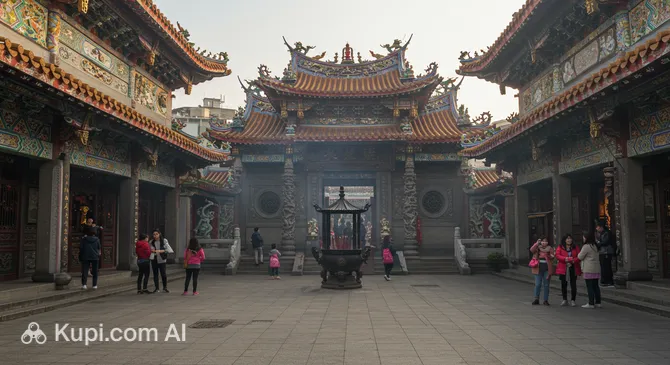
Hsinchu Guandi Temple. Illustration.
Source: Kupi.com AI

Traveller photos:

The temple's architecture is a striking example of traditional Chinese design. Visitors are greeted by characteristic curved roofs adorned with intricate wood carvings, colorful decorative sculptures, and skillful paintings. Every element of the temple complex carries deep symbolism and reflects centuries-old cultural traditions, blending harmoniously into the urban environment of Hsinchu.

For locals and visitors alike, the Guandi Temple is not just a religious site, but also an important cultural center and architectural monument. Regular religious rites, colorful festivals, and various cultural events take place here, offering a glimpse into the living history and spiritual life of Taiwan. A visit to the temple provides a unique opportunity to experience an atmosphere of peace and learn about the region's rich heritage.

Contacts

To get the latest information on opening hours and possible tours at the Guandi Temple in Hsinchu, it is recommended to check the official tourism resources of Hsinchu City or look for information on-site. Significant sites like this often have information boards or staff available to clarify details.

How to contactContact
AddressNo. 109-1號, Nanmen St, East District, Hsinchu City, Taiwan 300
Phone+886 3 522 1339
Websitewww.facebook.com

What to Do

A visit to the Guandi Temple in Hsinchu is an opportunity to connect with traditional Chinese culture and spirituality. Guests can explore the unique temple architecture in detail, walking through the grounds and admiring the richly decorated halls and picturesque courtyards. Here, you can witness various religious rituals performed regularly by monks and believers, providing a deeper understanding of local traditions.

Of particular interest are the colorful ceremonies dedicated to the deity Guandi, as well as seasonal festivals often accompanied by folk performances, music, and vibrant processions. The temple attracts not only pilgrims seeking blessings and protection but also photographers and history buffs captivated by its authentic atmosphere and unique decorative elements. Inside, visitors can see skillfully crafted statues and altars dedicated to various deities, as well as traditional Chinese relics and artworks, each carrying a piece of history and culture.

Getting There

The Guandi Temple is conveniently located in the heart of Hsinchu, making it easily accessible for both tourists and locals. You can reach the shrine in several ways. Public transport is a great option, as major bus routes pass very close to the temple. Taxis are also readily available to take you there quickly from anywhere in the city. If you enjoy walking and are near Hsinchu's main transport hubs, you can reach the temple on foot while soaking in the city's atmosphere.

For travelers arriving in Hsinchu from other cities in Taiwan, such as Taipei, the most convenient options are the train or intercity bus. Upon arriving at the Hsinchu Railway Station, getting to the Guandi Temple is straightforward. A short taxi ride from the station will get you there, or you can take one of the city buses that pass through the city center. For those traveling by car, parking spaces are available in the vicinity of the temple.

Nearest city: Hsinchu

History & Facts

The Guandi Temple in Hsinchu, located in the city of Hsinchu, is a prominent spiritual center whose history is closely intertwined with the development of the city itself. The temple was founded during a period of active settlement and growth in Hsinchu, when Chinese immigrants brought their beliefs and traditions to new lands. One such tradition was the veneration of Guan Yu (Guandi)—a historical figure deified and honored as the god of war, loyalty, and justice, as well as the patron of merchants and a protector against evil spirits.

Since their founding, temples like the Guandi Temple have played a key role in the life of Chinese communities. They served not only as places for prayer and religious rites but also as centers of social life. People gathered here to celebrate traditional festivals, discuss pressing issues, seek support, and strengthen community ties. Thus, the Guandi Temple in Hsinchu was originally not just a place of worship, but an important social institution.

The architecture of the Guandi Temple reflects the classical principles of Chinese temple design. Its layout is carefully planned to create a harmonious and sacred space. Typically, such temples include a central hall dedicated to the main deity—in this case, Guandi. Pavilions or altars dedicated to other revered spirits and deities may be located on the sides. Spacious courtyards are designed for ceremonies, gatherings of the faithful, and ritual processions, creating an atmosphere of solemnity and peace.

One notable feature of the Guandi Temple in Hsinchu is the rich pantheon represented within. In addition to Guandi himself, other popular deities from the Chinese folk pantheon may be worshipped here. This highlights the multifaceted religious life of the local community and the temple's significance as a place where believers can turn to various aspects of the spiritual world. Meticulously crafted decorations, wood and stone carvings, and vibrant paintings are an integral part of the temple's interior, telling stories from mythology and the lives of revered saints.

Time Needed

To fully enjoy the atmosphere and details of the Guandi Temple in Hsinchu, most visitors will need about 1-2 hours. This is generally enough time to leisurely admire the unique architecture, learn about its rich history, and perhaps observe traditional rituals if you are lucky enough to catch them during your visit.

Of course, the length of your stay may vary depending on your interests. If you are deeply passionate about religious traditions, Chinese mythology, or temple architecture, you might want to spend more time here, carefully studying the intricate carvings, paintings, and altar offerings. For those who prefer a more general tour, an hour might be sufficient to get a sense of this significant site in Hsinchu.

Working Hours

Exact information regarding the opening hours of the Guandi Temple in Hsinchu may vary, so it is highly recommended to check the current schedule on the official website of the attraction or local tourist portals before your visit. Typically, temples of this type are open to visitors daily, but there may be special hours for ceremonies or during holidays.

Generally, no advance ticket booking is required for entry to temples in Taiwan, unless it involves special events or guided tours. However, checking this information in advance will help you plan your visit to Hsinchu more comfortably. Most temples are open year-round, but it's always good to verify, especially if your trip coincides with major national holidays.

5:00 – 21:30

Nearby

Visiting the Guandi Temple in Hsinchu is undoubtedly a highlight, but don't stop there. The temple's surroundings and the city of Hsinchu itself hide many interesting spots that can enrich your journey and offer new experiences. A stroll through the nearby streets will allow you to dive deeper into the city's atmosphere and discover its hidden gems.

Exploring other nearby attractions will help you form a more complete picture of the culture and history of this part of Taiwan. Below is a list of some interesting sites located near the Guandi Temple in Hsinchu, along with the distance to each.

NameDistance
Hsinchu Chenghuang Temple Night Market0.2 km
Must-Claw Crane Arcade – Linsen Branch0.3 km
Former Residence of Dr. Li Kecheng0.3 km
75 Smokeless Grill Bar0.3 km
East Gate (Yingxi Gate)0.4 km
Hsinchu City Hall0.5 km
Hsinchu Table Tennis Studio0.5 km

Reached the bottom of the page?

Looks like you know this route inside out