Support

Wat Ratchathammaram (Red Temple)

About

Wat Ratchathammaram, better known as the Red Temple or Terracotta Temple, is a stunning Buddhist sanctuary located on the picturesque island of Koh Samui in Thailand. Its uniqueness lies in the material it is almost entirely constructed from—red clay. Only the wooden doors and window shutters are exceptions, making its architectural look truly one-of-a-kind.
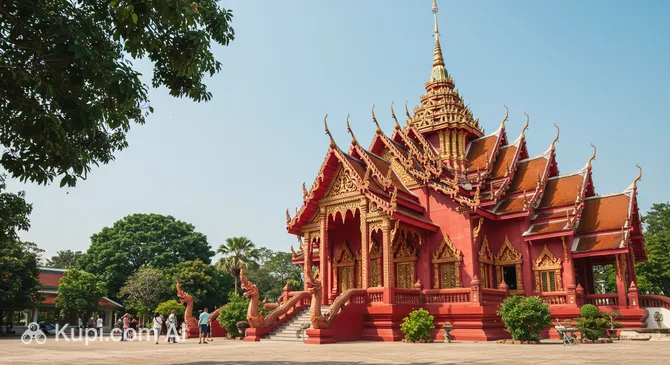
Wat Ratchathammaram (Red Temple). Illustration.
Source: Kupi.com AI

Traveler photos:

This temple stands out remarkably against other Buddhist structures due to its unusual appearance and style. Both inside and out, the Red Temple is a true work of art where every detail and every figure is sculpted from clay. Master craftsmen used a relief technique, giving the images of Buddha, mythological creatures, and floral ornaments volume and realism, creating impressive bas-reliefs.

The temple's special magic comes from the clay's ability to change its hue depending on the light—from a soft yellow at dawn to a rich dark brown in the rays of the setting sun. This creates a constantly changing, mesmerizing atmosphere and makes every visit to Wat Ratchathammaram special in its own way. A visit to this place allows you to experience the unique craftsmanship and spiritual culture of Thailand.

Contacts

To find the current contact details for Wat Ratchathammaram (Red Temple), we recommend reaching out to local information centers on Koh Samui or checking official tourist portals for Thailand. The temple itself is a well-known landmark, and you can usually get there by taxi or rented transport, following the road signs on the island.

How to contactContact
Addressวัดพระ​ธาตุศิลางู ตำบล บ่อผุด Amphoe Ko Samui, Chang Wat Surat Thani 84320, Thailand

What to Do

Visiting Wat Ratchathammaram, also known as the Red Temple, on Koh Samui is primarily a unique opportunity for lovers of unusual architecture and striking photography. The temple is famous for its impressive clay figures and bas-reliefs decorating both the interior and exterior walls. These skillful creations change their shade depending on the lighting, creating a truly magical sight. To capture this beauty in the best light and fully enjoy the atmosphere, it is recommended to arrive before lunch.

While exploring the temple, visitors can study the fine work of the craftsmen who created these unique decorative elements. This is a wonderful chance to immerse yourself in the world of Buddhist art and symbolism. It's important to remember local traditions: when entering the temple grounds, you should cover your shoulders and knees as a sign of respect for the monks and the sanctuary. Although admission to Wat Ratchathammaram is free, visitors can leave a voluntary donation to support the temple.

In addition to the Red Temple itself, another interesting attraction is nearby—the Snake Stone Pagoda (Wat Sila Ngu). Visiting it can be a pleasant addition to your excursion, allowing for a deeper look into the religious culture of Thailand. Thus, a visit to Wat Ratchathammaram offers not only aesthetic pleasure but also the chance to connect with the island's spiritual traditions.

Getting There

Getting to Wat Ratchathammaram (Red Temple) on Koh Samui is quite straightforward, as it is a famous landmark. The temple is located in the southern part of the island, at the far end of the popular Lamai district. Since Wat Ratchathammaram is marked on most online maps, including Google Maps, finding it using a smartphone navigator or other device is easy.

One of the most common ways to reach the temple is by local transport. You can hire a taxi or use the shared taxis known as "songthaews." A taxi ride from central areas of Koh Samui, such as Chaweng or Lamai, will be quick and comfortable, but it's best to agree on the price beforehand. Songthaews are cheaper but may take more time as they make stops along the way.

For those who prefer independence, renting a scooter or car is an excellent option. There are many rental points on Koh Samui, and having your own transport allows you to not only visit the Red Temple but also explore other interesting spots at your own pace. The island's roads are generally in good condition, but always exercise caution, especially if you have little experience riding a scooter.

You can also visit Wat Ratchathammaram as part of an organized excursion. Many travel agencies on Koh Samui offer island sightseeing tours that include this unique temple along with other iconic landmarks. This is a convenient option for those who want to get the most information from a guide and not worry about logistics.

Nearest city: Koh Samui

History & Facts

Wat Ratchathammaram, widely known as the Red Temple, is one of the most notable and ancient spiritual centers on Koh Samui. Its history dates back over 250 years—that was when it was built by Buddhist monks. The temple received its striking and memorable popular name from its primary construction material: it is almost entirely built from red clay, giving it a truly distinct and recognizable appearance.

It is the use of red clay that makes the Red Temple truly unique as an architectural and cultural site, not only for Samui but for all of Thailand. This feature sets it apart from many other magnificent temple complexes in the country, attracting pilgrims and tourists interested in unusual architecture. The walls, roof elements, and intricate decorative details made from this natural material create a unique, warm atmosphere.

You can find Wat Ratchathammaram in the Lamai area of Koh Samui. Travelers planning a visit should keep one important detail in mind: the Red Temple is sometimes confused with another religious structure nearby—Wat Sila Ngu (also known as the Snake Stone Pagoda). Furthermore, in some guidebooks or on maps, the Red Temple may be mistakenly labeled as "Wat Sila Ngu." Therefore, to avoid confusion and ensure you see this original clay structure, it is recommended to check your route carefully.

Time Needed

To fully appreciate the beauty and uniqueness of Wat Ratchathammaram (Red Temple) on Koh Samui, visitors usually need about 1-2 hours. This amount of time is generally enough to carefully examine the temple's impressive architecture, made primarily of red clay and adorned with intricate carvings, take memorable photos, and soak in the calm, peaceful atmosphere of this sacred place.

When planning your visit, keep in mind that in an hour or two, you'll have time to not only walk around the main grounds of the temple complex but also study the numerous decorative details depicting scenes from Buddhist mythology. Many tourists note that there's no need to rush here, as every part of the temple deserves attention. Therefore, by allocating up to two hours for your visit, you'll be able to get a full impression of this amazing structure.

According to experienced travelers and public information, the ideal time to visit the Red Temple is in the morning, before lunch. At this time, the lighting is most favorable for both viewing the intricate carvings and ornaments and for taking high-quality photos. Additionally, there are usually fewer visitors in the morning, allowing for a more tranquil and thoughtful exploration of the site.

Working Hours

Exact information regarding the opening hours of Wat Ratchathammaram (Red Temple) is currently not always available in public sources. Like many Buddhist temples in Thailand, it is most likely open to visitors during daylight hours. For the most up-to-date information on operating times, it's recommended to check locally or try to find official temple pages if they exist.

Usually, no advance booking or registration is required to visit such temples; however, keep in mind that special ceremonies may take place, which could affect access. For the best experience and photos, it's recommended to plan your visit in the morning, before the midday heat. Temples on Koh Samui are generally open for visitors year-round.

6:00 – 18:00

Nearby

Visiting Wat Ratchathammaram (Red Temple) is undoubtedly a highlight, but Koh Samui offers many more interesting places to enrich your journey. Exploring the surroundings will allow you to dive deeper into the island's atmosphere, discover hidden gems, and get a more complete picture of its culture and nature.

Don't limit yourself to just one attraction; there might be picturesque beaches, other unique temples, viewpoints with breathtaking vistas, or colorful local markets nearby. Each new location will add unique impressions to your collection of memories of Thailand. Below is a list of some attractions located near Wat Ratchathammaram (Red Temple), along with the distance to them.

NameDistance
Lamai Viewpoint and Valentine Stone1 km
Overlap Stone1.3 km
Teddy Weed Beach2 km
Lamai Fresh Market2.9 km
Crystal Beach4.9 km
Na Mueang Waterfall 25 km
Tarnim Magic Garden5.3 km

Have you reached the end of the page?

So the route has been studied inside and out