Support

Gallipoli

About

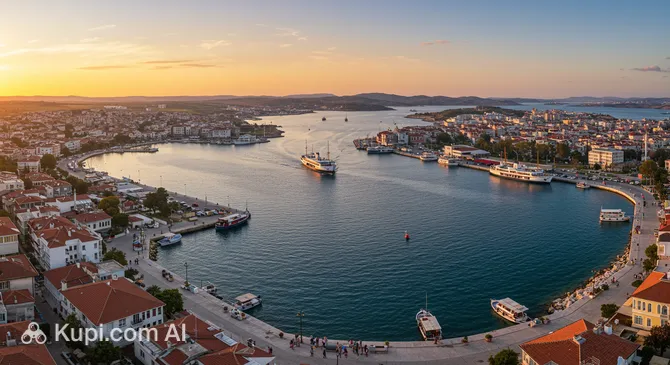
Gallipoli is a true gem on the western coast, nestled on a picturesque peninsula washed by the waters of the Aegean Sea. Located approximately 200 kilometers west of Istanbul, the city is famous for its breathtaking maritime landscapes. This is where you can experience an authentic Turkey: hospitable, sunny, and perfect for a slow-paced getaway.

Gallipoli. Illustration.
Source: Kupi.com AI

With a population of about 31,000, Gallipoli retains the charm of a small town where every corner is steeped in local flavor. Strolling through its streets, you can see how different eras intertwine harmoniously: ancient houses stand alongside modern cafes and well-kept embankments. The multifaceted history of Gallipoli has left its mark on the city's architecture and atmosphere, making it an interesting destination for educational walks.

Travelers are drawn here not only by the stunning sunsets and fresh sea air but also by the opportunity to take a break from the hustle and bustle of megacities. Green parks, cozy streets, and turquoise waves create ideal conditions for relaxation. Gallipoli is a wonderful choice for those who want to feel like a welcome guest and discover the true soul of the region.

Weather Overview

The climate in this region can be characterized as typical Mediterranean: expect hot, dry summers and mild but fairly wet winters. The warmest months are July and August, when the average daytime temperature rises to 30°C, and rain becomes an exceptional rarity—with only about two wet days per month.

In winter, by contrast, the weather becomes cool and changeable. In January and February, the thermometer usually fluctuates between 5.5°C and 11°C, while the number of rainy days increases to 12 per month. If you are planning a trip in the low season, the detailed weather in Gallipoli will help you pack correctly and choose good days for walking.

The transition seasons are considered the most comfortable times to visit. In May and September, the air warms up to a pleasant 18–22°C, creating ideal conditions for exploring the city without the exhausting heat or winter dampness.

Average monthly temperature

Average monthly precipitation

Interesting Facts

Beyond its main attractions, Gallipoli holds many fascinating secrets and urban legends that give it a special charm. Here are a few facts that will help you look at this city from a new perspective:
  • Homeland of a Great Cartographer. The city is closely linked to the name of the famous navigator Piri Reis, whose statue adorns one of the central squares. His unique maps and works on navigation still fascinate historians, and locals proudly honor the memory of their outstanding fellow countryman.

  • The Legend of the Underworld. One of the most intriguing mysteries of Gallipoli is the story of a mysterious underground passage. Local legends say a hidden tunnel connects the ancient city towers directly to the seashore, adding a touch of mysticism to walks through the center.

  • Lighthouse Symbol. The Gelibolu Lighthouse is not just a navigational structure, but a true icon of the coast. For decades, it has guided ships and is considered one of the most photogenic objects in the area, looking especially spectacular against the backdrop of sea sunsets.

  • Fishing Traditions. Every spring, colorful festivals dedicated to the gifts of the sea are held here. During this time, the city is filled with music and the aroma of fresh fish, demonstrating how cheerful and hospitable Turkey is.

  • Architectural Chronicle. Traditional houses with carved wooden balconies have been preserved on the streets of Gallipoli. These buildings are not just dwellings but keepers of family stories, creating the city's unique historical image.

How to Get There

When planning a trip to this historical peninsula, it is important to think about the route in advance. Gallipoli is located at the intersection of important routes connecting Europe and Asia, so it can be reached in various ways. For those who want to explore all available options, we have prepared material where you can find more details on how to get to Gallipoli, including driving routes and sea connections.

There is no airport in the city of Gallipoli itself, but travelers can use air gateways in neighboring cities. The closest and most convenient option is Çanakkale Airport (CKZ). It is located in the city of Çanakkale, just 22.6 km from Gallipoli (across the Dardanelles). The journey by taxi or transfer, including the ferry crossing, will take approximately 50–60 minutes. This is a small but important regional hub serving domestic flights.

Another available option is Koca Seyit Airport (EDO), located in the city of Edremit. The distance to Gallipoli is about 97 km. The journey from there by car will take approximately 2.5–3 hours. You can also consider flying into Çorlu Airport (TEQ) in Tekirdağ, which is 149.5 km away. This is a convenient entry point for those traveling from the European part of Turkey; the journey takes about 4 hours.

For clarity, here is a summary of the main airports located relatively close to the city:

AirportPassenger trafficDistance
Canakkale Airport219 76023 km
Demokritos Airport212 00074 km
Balikesir Koca Seyit Airport260 53397 km
Çorlu44 205150 km
Kavala International Airport304 414172 km

As for rail connections, there are no direct trains to Gallipoli. The railway network in this region is less developed than the bus network. Most tourists prefer to use intercity buses, which run regularly from Istanbul, Izmir, and other major Turkish cities. The bus service here is very comfortable and is one of the most popular ways to travel around the country.

Main Attractions

The attractions of Gallipoli are a harmonious blend of deep history, spiritual heritage, and maritime romance. The city and its surroundings offer routes that will interest both history buffs wishing to touch the past and those looking for beautiful views and a peaceful atmosphere.

Gallipoli Mevlevihane is one of the region's most significant cultural jewels. This dervish lodge is considered the largest in the world in terms of size and the majesty of its architecture. Built in the 17th century, the building impresses with its spiritual atmosphere and silence. Tourists come here to admire the elegant interiors, learn more about Sufi traditions, and feel the peace that reigns within the walls of this historical complex.

Located in the port area is the Piri Reis Museum, dedicated to the famous Ottoman admiral and cartographer who was born in these parts. Housed in a historical tower, the museum's exhibition tells the story of the development of seafaring and navigation. This place is definitely worth a visit to see reproductions of ancient maps, including the famous world map, and to understand the role this city played in maritime history.

A unique open-air monument is the Namazgah. This monumental structure, built in the 15th century, served as a place of prayer for sailors and soldiers before long voyages. The stone construction with its mihrab and minbar has been perfectly preserved to this day. Namazgah attracts travelers with its unusual architecture and the opportunity to touch the life and traditions of past centuries.

For those who want to combine a cultural program with a holiday by the sea, Hamzakoy Beach is an excellent choice. This popular recreation area has been awarded the Blue Flag for the cleanliness of its water and coast. Here, you can not only swim in the waters of the strait but also walk along the well-appointed embankment, enjoying views of the ships and the fresh sea breeze.

Local Cuisine

The culinary palette of Gallipoli is a true feast for gourmets, where traditions intertwine with the bounty of nature. The main stars of local cuisine are the freshest seafood: mussels, squid, shrimp, and, of course, fish. In local establishments, it is grilled, baked with vegetables, or served in delicious stews. Be sure to try the traditional dish "midye dolma" — mussels stuffed with rice and spices, which pair perfectly with a glass of chilled white wine.

Meat delicacies are equally popular here, especially lamb dishes generously seasoned with aromatic Mediterranean herbs. A special place in Gallipoli's gastronomy is held by olive oil. It is produced on local farms and used in almost every recipe, giving food a unique taste and aroma. Travelers should also visit the street markets, where you can find homemade cheeses, fresh bread, and oriental sweets like baklava and Turkish delight.

If you want a quick snack on the go and to feel the rhythm of coastal life, the best choice is "balik ekmek". This is a hearty sandwich with fried fish, fresh vegetables, and herbs, which has long been a favorite treat for both locals and tourists. Furthermore, Gallipoli regularly hosts gastronomic festivals, during which the city streets are filled with the scents of roasted meat and pastries, allowing guests to discover all the secrets of Turkish cuisine.

Travel Tips

Gallipoli is a city with deep history and a special seaside atmosphere where every detail matters. To ensure your journey to this corner where Europe and Asia meet is as comfortable as possible and leaves only pleasant memories, we have prepared a list of useful recommendations.

  1. Clothing and Seasonality. The climate here is windy due to the proximity of the Dardanelles. Even in summer, evenings can be cool, so a light windbreaker or cardigan will not be out of place. For winter and the off-season, a windproof jacket is a must. Since Turkey is a country with strong traditions, choose modest clothing when visiting religious sites (such as the Mevlevihane): shoulders and knees should be covered, and women will need a headscarf. Comfortable shoes are essential for walking on cobblestones.

  2. Transport and Getting Around. The city of Gallipoli itself is compact, and its historical center is best explored on foot. For trips to neighboring areas, use local minibuses—dolmushes; they are cheap and colorful. If you plan to visit the remote memorials and beaches of the peninsula, renting a car is highly recommended as public transport there is rare. Taxis are available, but always ask to turn on the meter.

  3. Finance and Tipping. The official currency is the Turkish Lira. Although hotels and large restaurants accept cards, cash (small bills) is vital for paying for dolmushes, market purchases, or tea at street cafes. ATMs are available in the city center. Tipping is welcome: it is customary to leave 5–10% of the bill in restaurants, and taxi fares are usually rounded up.

  4. Health and Safety. Gallipoli is a quiet and safe city. Pharmacies are marked with the sign Eczane; on Sundays and at night, only duty pharmacies (Nöbetçi Eczane) are open, a list of which is usually posted on the doors of any closed pharmacy. It is recommended to drink only bottled water. In summer, don't forget sunscreen—the sea breeze can create a false sense of coolness while the sun is actively beating down.

  5. Communication and Language. In tourist areas, staff may speak English, but in small shops, communication is in Turkish. Download an offline translator and learn a few words: "Merhaba" (Hello) and "Teşekkür ederim" (Thank you)—this will open many doors. It is best to buy a SIM card at official communication stores in the city center; you will need a passport to register. Wi-Fi is available in almost all cafes and hotels.

  6. Local Etiquette. Turks are very hospitable. If you are offered a glass of tea (bardak) in a shop after a purchase, it is a sign of respect that should not be refused without a valid reason. Be sure to remove your shoes when entering a private home or mosque. When greeting locals, you can simply nod and smile; handshakes are common among men.

  7. Things to Avoid. Do not take photos of locals, especially women, without their permission. Avoid loud conversations and laughter near mosques during the call to prayer (ezan). Also, remember that Gallipoli is a place of historical memory associated with heavy fighting, so show respect for monuments and memorials and do not climb on them for the sake of an impressive photo.

  8. Special Tip. Be sure to take the ferry across the Dardanelles, even if you don't need to go to the other side. It is not just transport, but a real ritual. Buy a simit (sesame bagel) before boarding—feeding the seagulls from the ferry deck is considered one of the sweetest local traditions and will give you some great photos.

By following these simple tips, you can easily blend into the rhythm of life in Gallipoli and feel not just like a tourist, but like a welcome guest. May your journey be filled with discoveries, the taste of fresh tea, and the sound of the sea waves!

Entertainment & Nightlife

The nightlife in Gallipoli is significantly different from the noisy resorts of the Antalya coast. Here, you won't find neon signs for huge discos or foam parties until dawn. Evening leisure in this city is a hymn to hedonism, tranquility, and heartfelt conversations to the sound of the waves. Gallipoli falls asleep late, but it does so with the dignity of an ancient port city, offering guests a chance to immerse themselves in the atmosphere of an authentic Turkish province.

The epicenter of evening activity is the Inner Harbor (Old Harbor) and the adjacent embankment. This is where, along the coastline, the "golden mile" of local entertainment is concentrated. At dusk, the street fills with locals and tourists taking a traditional promenade. The crowd here is very diverse: from large Turkish families to couples in love and solo travelers. The dress code in most venues is casual, but for an evening out, locals like to dress neatly and smartly.

The main format of nocturnal recreation here is traditional meyhanes (Turkish taverns) and fish restaurants. The "raki-balik" culture (anise vodka and fish) is elevated to an absolute here. Feasts in such places can last for hours, accompanied by live music in the fasil style (traditional instrumental music). If you are looking for a place to spend the evening, head to the area around Iskele Square (Iskele Meydanı). Dozens of establishments with open terraces are located here, offering views of the strait and illuminated ships.

For those who do not drink alcohol or prefer a lighter format, tea gardens (Çay Bahçesi) are an ideal choice. They stay open until late at night and are an important part of the city's social life. One of the most atmospheric spots is located at the foot of the old lighthouse. Here, you can drink strong Turkish tea from traditional "bardak" glasses, play backgammon, and enjoy the cool sea breeze. Prices in these places are very affordable, and the atmosphere is exceptionally friendly.

Practical Tips and Safety:

  • Opening hours: Restaurants and bars are usually open until 01:00–02:00 AM, especially during the summer season. Kitchens may close a bit earlier, around midnight.
  • Transport: Public transport is rare at night, but taxis are always on duty around the port and the central square. Trips around the city are inexpensive, and taxi drivers use meters.
  • Safety: Gallipoli is a very safe city. Central streets and the embankment are well-lit and patrolled. Night walks here are comfortable even for solo travelers, although, as everywhere, it is best to avoid unlit alleys on the outskirts.

Regarding daytime entertainment that flows smoothly into the evening program, city beaches and parks are worth noting. During the day, tourists often visit the Military Museum or walk through the park by the Piri Reis Tower, and closer to sunset, they move to Hamzakoy Beach, where many cafes offer refreshing drinks and great views of the setting sun. This is the perfect balance between educational tourism and relaxed rest.

Parks & Museums

Gallipoli is a city where nature and history conduct a quiet, continuous dialogue. For the traveler, it offers not just pages from history books but also picturesque green corners ideal for contemplation and relaxation. The city's cultural heritage is closely intertwined with its landscape, offering guests a harmonious combination of walks in the fresh air and educational excursions.

Green Zones and Embankments

Although there are no massive botanical gardens in Gallipoli, the role of the main city park is successfully fulfilled by the well-appointed Hamzakoy Embankment. This is a long promenade area framed by palm trees and flowering shrubs that stretches along a golden beach. It is pleasant to take shelter in the shade of the trees here, sitting on a bench with a view of the strait, or to go for a morning run. The atmosphere is always calm, and the sea air is filled with the scents of salt and pine needles.

Another picturesque spot is the area around the Gelibolu Lighthouse. This district, located on an elevation, serves as a natural observation deck with small squares. It offers perhaps the best panorama of the Dardanelles and the passing ships. This is an ideal location to watch the sunset surrounded by greenery, where you can feel the greatness of nature and the strategic importance of this site.

Museums and Cultural Centers

An immersion into the city's past should begin with the Gallipoli War Museum. Unlike the large-scale memorials on the battlefields, this intimate museum in the city center focuses on personal stories and artifacts. Its collection includes items from soldiers' everyday lives, uniforms, weapons, and photographs from the First World War. The exhibition carefully preserves the memory of the events of 1915, allowing visitors to emotionally touch history through details that often escape the pages of large textbooks.

The Mevlevihane deserves special attention—a dervish lodge that functions today as a museum of Sufi culture. It is not just an architectural monument but a space filled with spirituality. Inside, you can see traditional dervish clothing, musical instruments, and ancient manuscripts. Visiting this place helps to understand the philosophical and mystical side of Ottoman culture, which flourished in these lands for centuries.

Historical Heritage

Walking through the city, it is impossible not to notice the Gallipoli Tower, a remnant of a once majestic Byzantine fortress. It is now a dominant feature of the old harbor and serves as a reminder of the times when the city was a key outpost of the empire. Nearby is a bust of the famous cartographer Piri Reis, surrounded by stylized maps carved in stone, which turns the small square into an open-air museum.

Insider Tip

For a unique cultural experience, head to the tomb of Bayrakli Baba (Flag Father). This place is easy to recognize by the thousands of Turkish flags brought here by pilgrims and tourists. According to legend, the hero buried here refused to let the flag out of his hands even in the face of danger. Visiting this site is not only a tribute to local traditions but also an opportunity to see one of the most unusual and photogenic monuments in the region, located in a quiet, secluded area.
Getting Around

The transport system of Gallipoli is characterized by its simplicity and compactness, which perfectly matches the size and cozy atmosphere of this seaside city. You won't find a metro, trams, or a complex network of suburban trains here. The main ways to get around for locals and tourists are shared taxis, buses, and, of course, maritime transport, which plays a key role in the life of the region.

The most popular and convenient form of transport is the dolmush (minibus). These minibuses run along the main streets, connecting the city center, the port, the bus station, and residential neighborhoods. They are easy to recognize by the signs indicating the route on the windshield. Dolmushes run frequently, usually every 10–15 minutes, making them an excellent choice for quick trips around the city.

Fare payment in dolmushes is traditionally made in cash directly to the driver upon boarding. Prices are fixed and very affordable. On municipal buses, which also serve city and suburban routes, an electronic travel card system common to the province (Çanakkale Kart) is in place. In some buses, payment by contactless bank card is possible, but tourists are strongly advised to always have some small cash in Lira on hand, as terminals are not available everywhere.

An important part of the transport infrastructure is the ferry crossing. Ferries run regularly between Gallipoli and the town of Lapseki on the opposite side of the strait. The pier is located right in the center of the city, and the crossing operates 24/7. Tickets for pedestrians and vehicles are purchased at the port's ticket offices before boarding, and payment can be made in either cash or by card.

To stop transport, look for signs with the letter "D" (Durak), though dolmushes often stop at the wave of a hand if it does not violate traffic rules. To get off, simply say the phrase "Inecek var" (Someone getting out) or "Musait bir yerde" (In a convenient place) loudly to the driver. Public transport usually starts working around 7 AM and finishes closer to midnight, although the number of trips in the evening may be reduced during the winter season.

As an alternative to public transport, taxis are widely available in Gallipoli. Yellow cars can be found at special ranks near the port, the bus station, and major squares. All official taxis are equipped with meters. This is especially convenient if you want to reach remote beaches or attractions in comfort. Car rental is also popular among those who plan to independently explore the historical sites of the peninsula, where buses run infrequently.

Accommodation

Accommodation options in Gallipoli are as diverse as its history, though you are unlikely to find the giant "all-inclusive" resort complexes typical of the southern coast here. The city focuses on coziness and authenticity, offering guests a taste of local color. The main housing stock consists of small city hotels, family pensions, and rental apartments. The range of accommodation varies from budget hostels for transit travelers to comfortable mid-range boutique hotels, often located in renovated historical buildings.

When choosing a location, you should focus on the purpose of your visit. The City Center and Port area (Iskele) is considered the most convenient and popular neighborhood. By staying here, you will be at the heart of the action: the ferry crossing, museums, shops, and restaurants will be within walking distance. This is the ideal choice for those planning active excursions. For lovers of a quieter holiday and sea views, the Hamzakoy district is perfect. Hotels here are lined up along the embankment and the beach, offering guests the chance to fall asleep to the sound of waves and enjoy a morning swim in the sea.

The pricing policy in Gallipoli remains very affordable compared to the country's popular resorts. The budget and mid-price segments predominate here. You can book a room through popular international online platforms or directly, which is common in small family guesthouses.

Important booking tip: while it is usually easy to find a free room, the situation changes drastically in late April. During the commemorative events for ANZAC Day (April 24–25), the city is crowded with guests from all over the world. If your trip falls on these dates or major public holidays, it is necessary to book accommodation 4–6 months in advance, as demand far exceeds supply and prices reach their peak.

Nearby Cities

For those who want to explore the surrounding area, Gallipoli serves as an excellent starting point for day trips to several interesting nearby locations. The Marmara and Aegean regions are rich in history and natural beauty, easily reachable by car or ferry.

Just a few kilometers away, on the opposite bank of the Dardanelles, lies Çanakkale. This is a lively port city that can be quickly reached by ferry while enjoying the sea views. Çanakkale attracts tourists with its famous embankment, where the Trojan Horse from the Hollywood film is installed, as well as its Naval Museum. It is a convenient starting point for trips to the ruins of ancient Troy, making the city a magnet for ancient history enthusiasts.

If you drive a little further south, you will find yourself in the city of Edremit. This area is famous for its olive groves and the production of high-quality olive oil. Edremit is located at the foot of the legendary Mount Ida (Kaz Dağları), making it an ideal destination for fans of ecotourism, hiking, and relaxing in thermal springs. The combination of mountain air and proximity to the sea creates a unique microclimate here.

It is also worth paying attention to the city of Biga, located east of Gallipoli. It is an important commercial and university center of the region with an authentic atmosphere of non-touristic Turkey. A trip here will allow you to see modern provincial life, visit local markets, and try traditional dishes away from the noisy tourist routes.

CityPopulationDistance
Lapseki14 98416 km
Eceabat8 91217 km
Canakkale180 82322 km
Gokceada9 78353 km
Enez10 88656 km

These nearby destinations provide an insight into the diverse culture and landscapes of the region, making your journey through the peninsula even more fulfilling and memorable.

Shopping & Souvenirs

Shopping in Gallipoli is, above all, an immersion into the atmosphere of a cozy port city rather than a chase after global brands. You won't find huge malls with luxury boutiques here, but you can enjoy strolling through colorful little shops and purchasing unique gastronomic souvenirs. Trade here is focused on local traditions and daily life, allowing tourists to feel like part of the community and find goods at fair prices.

The heart of commercial life is the area around the Inner Harbor and the central Iskele Square. Narrow streets leading inland from the embankment form a traditional Turkish Çarşı (bazaar quarter). Many family-owned shops are concentrated here, offering textiles, clothing, shoes, and household goods. This is an ideal place for a leisurely stroll, where shop windows sit alongside fragrant bakeries and tea gardens.

There are no large modern shopping centers in the conventional sense in Gallipoli. The city retains its historical appearance, so trade is conducted in small passages and individual shops on the ground floors of buildings. If you need a larger shopping experience with visits to mass-market chain stores, locals usually take the ferry to nearby Çanakkale, where large malls are located.

The City Market (Pazar), which traditionally takes place once a week, deserves special attention. This is a noisy and colorful place where you can buy the freshest fruits and vegetables grown in the region, as well as the famous Aegean olives, village cheeses, and spices. The market is not just a place for buying and selling but a true center of social life, where it is customary to taste products before buying and chat with the sellers.

The main gastronomic souvenir that is definitely worth taking home is Gallipoli sardines (Gelibolu Sardalyası). Canned sardines in tin cans with a recognizable design are considered a local delicacy and are famous throughout Turkey. Those with a sweet tooth should also look for peynir helvasi (cheese halva)—a traditional sweet of the region sold in confectioneries. In souvenir shops, maritime-themed items and copies of ancient maps reminding us of the famous local—Admiral Piri Reis—are popular.

Shops in the city center are usually open from 09:00 AM to 08:00 PM or 09:00 PM. In the summer tourist season, souvenir shops and stores near the embankment can stay open until late in the evening. Many small shops are closed on Sundays, but chain supermarkets remain open. Bank cards are accepted almost everywhere, but for purchases at the market or small expenses at kiosks, it is recommended to carry some cash in Lira.

The Tax Free system is practically non-existent in Gallipoli, as there are few stores of major international brands that support this service. You might find a "Tax Free" sticker only in rare jewelry salons or electronics stores, so you should not count on serious shopping with VAT returns in this small city.

Reached the end of the page?

That means the route is fully explored