Support

Eceabat

About

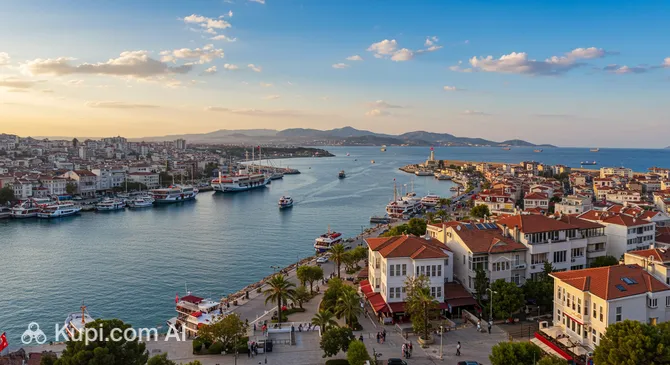
Eceabat is a small yet historically significant town located in the Çanakkale province on the European coast of Turkey. Cosily nestled on the Gallipoli Peninsula by the Dardanelles Strait, this town plays a key role in preserving the memory of the events of the First World War, specifically the Gallipoli Campaign.

Despite its modest population of around 8,912 residents, Eceabat possesses a special atmosphere where history intertwines with picturesque nature. The town serves as an important gateway to numerous memorials and historical sites in the region. The climate here is typically Mediterranean, with hot, dry summers and mild, wet winters, making it an attractive destination across different seasons.
Eceabat. Illustration.
Source: Kupi.com AI

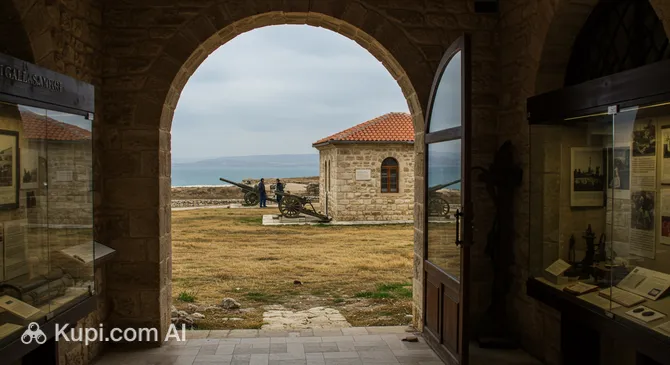
The main attraction drawing tourists from all over the world is undoubtedly the Gallipoli Peninsula Historical National Park. Its vast territory houses numerous military cemeteries, monuments, and museums dedicated to the soldiers of various armies who fell in fierce battles. Another iconic structure is the mighty Kilitbahir Fortress (Kilitbahir Kalesi), built by Sultan Mehmed II the Conqueror in the 15th century to control the strait.

Eceabat is more than just a point on the map; it is a place with a deep historical heritage and a touching atmosphere. A visit to this town will allow you to touch important pages of world history, honor the memory of the fallen, and enjoy the beauty of the Turkish coast. It is a journey that will certainly leave a lasting impression.

You can find more interesting facts on the Eceabat city history page.
Weather Overview

The weather in Eceabat is characterized by a warm, Mediterranean climate. Summers are usually hot and dry, with the average temperature from July to August staying at around 25-26°C, and maximum values can reach 30°C. Precipitation in the summer months is minimal, only about 0-1 mm, and rainy days are very few, usually no more than 2-5 per month.

Winters in Eceabat are mild and more humid. The average temperature in January is about 8.1°C, and in December it is 10.3°C. These months see the most precipitation, approximately 3-4 mm, and the number of rainy days increases to 12-13. Spring and autumn are pleasant transitional seasons with moderate temperatures and rainfall. Generally, expect hot and sunny summers with cool and wetter winters. For a more detailed forecast and monthly information, you can visit the Eceabat Climate page.

Average monthly temperature

Average monthly precipitation

Interesting Facts

Eceabat, known for its pivotal role in world history, hides many surprising stories and little-known details behind the facade of its famous memorials. Ready to discover some of them?

Gallipoli Peninsula Historical National Park. Illustration.
Source: Kupi.com AI

Traveler photos:

  • Ancient Madytos: The town we know as Eceabat bore the name Madytos in ancient times. It was a significant Greek polis and an important trading port on the Hellespont (modern-day Dardanelles) long before these places became the arena for the famous battles of the 20th century. Its strategic position was highly valued for many centuries.

  • Heart of Gallipoli Defense: Although the entire Gallipoli Peninsula is a massive historical memorial, it was in the vicinity of modern Eceabat that key headquarters, field hospitals, and vital defensive hubs of the Ottoman army were located during the Dardanelles Campaign. Many of these historical sites are now part of the Gallipoli Peninsula Historical National Park.

  • More Than Just Military Glory: Despite Eceabat being firmly associated with the events of World War I, its surroundings are also famous for fertile lands. High-quality olives and grapes are traditionally grown here, producing local wines that are gradually gaining recognition from connoisseurs.

  • Legends of Underwater Treasures: The Dardanelles Strait, on whose shores Eceabat is spread, has been a busy maritime route for millennia. It is also the site of numerous shipwrecks from different eras. Among locals, there are legends that countless treasures from sunken merchant and military vessels still lie at the bottom of the strait.

How to Get There

When planning a trip to Eceabat, it is worth considering that this town, located on the historic Gallipoli Peninsula, does not have its own airport. However, thanks to the region's developed transport network, you can get here via neighboring cities or even across the border from Greece.

The closest and most convenient option is Çanakkale Airport (CKZ). It is located in the city of Çanakkale, just 12 km from Eceabat (across the Dardanelles Strait). This is a regional hub that handles domestic flights. The journey from the airport to the center of Eceabat takes about 40 minutes, including the ferry crossing.

An alternative option for travelers could be Demokritos Airport (AXD), located in the Greek city of Alexandroupolis. It is approximately 77 km from Eceabat. The journey by car or bus from there takes roughly 2 hours and 15 minutes. You can also consider Koca Seyit Airport (EDO) in Edremit. The distance is about 94 km, with a travel time of approximately 2 hours and 40 minutes.

For convenience, here is a summary of the main airports:

AirportPassenger trafficDistance
Canakkale Airport219 76012 km
Demokritos Airport212 00077 km
Balikesir Koca Seyit Airport260 53394 km
Kavala International Airport304 414165 km
Çorlu44 205167 km

If you prefer land transport, it is important to know that there is no railway station in Eceabat itself. The nearest major railway hub is located quite far away, in a neighboring country.

You can use the Thessaloniki Railway Station, located in Thessaloniki, Greece. The distance to Eceabat is about 294 km. A trip from this station by car or bus will take more than 7 hours. Due to the significant distance, this option is rarely used as the primary way to reach the resort but can be useful for planning complex Balkan itineraries.

Below is information about the nearest railway station:

StationPassenger trafficDistance
Thessaloniki Railway Station294 km

Main Attractions

Eceabat, located in a historically significant region of Turkey, offers visitors a unique opportunity to connect with the events of the past. The town and its surroundings are famous for memorial complexes and sites associated with key moments in Turkish history.

One of the main attractions is the Gallipoli Peninsula Historical National Park. This expansive park is not just a natural area but a place of remembrance for the bloody battles of the Gallipoli Campaign during World War I. It is home to numerous memorials, military cemeteries, and former battlefields that attract thousands of visitors annually who wish to honor the fallen and learn more about these tragic events. The park is of immense importance for understanding Turkish history and world history as a whole.

Gallipoli Peninsula Historical National Park. Illustration.
Source: Kupi.com AI

Traveler photos:

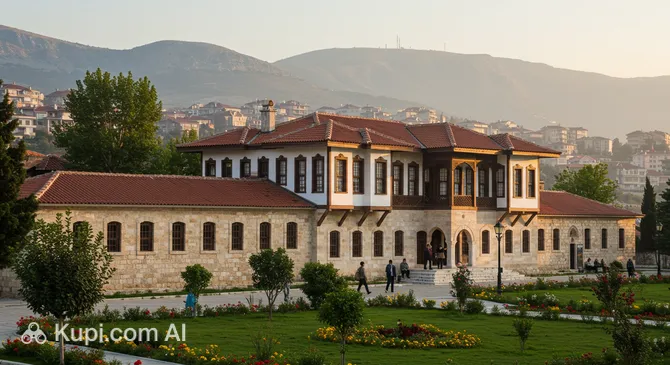
Another iconic site in Eceabat is the Atatürk House. This building is linked to the life of Mustafa Kemal Atatürk, the founder of the Republic of Turkey. Visiting the house allows you to immerse yourself in the atmosphere of that era and learn more about the personality of this outstanding statesman, whose role in the country's history is invaluable. The house's exhibition typically includes personal belongings, photographs, and documents detailing Atatürk's stay in the region.

Atatürk House. Illustration.
Source: Kupi.com AI

Traveler photos:

These attractions make Eceabat an essential destination for those interested in the military history and heritage of Turkey.

Local Cuisine

The cuisine of Eceabat is a true reflection of its coastal location on the shores of the Dardanelles. There is a cult of the freshest seafood, olive oil, and aromatic herbs typical of the Aegean and Marmara gastronomic traditions. Prepare for a culinary journey where simple ingredients meet a wealth of flavors.

The undisputed star of the local table is fish and seafood. Be sure to try freshly caught fish, grilled or fried to a golden crust—sea bass (levrek), sea bream (çipura), or red mullet (barbunya) are always of excellent quality here. A special place is held by sardalya (sardines)—they are fried, grilled, and even salted; they are a true local specialty. Don't miss the chance to enjoy a variety of meze—cold and hot appetizers, which often include calamari, octopus, vegetable pastes, and of course, famous Turkish olive oil dishes (zeytinyağlılar), such as stuffed grape leaves (yaprak sarma) or artichokes.

As for beverages, aromatic Turkish tea (çay) is popular in Eceabat, as throughout Turkey, enjoyed at any time of day, as is strong Turkish coffee (türk kahvesi). On a hot day, ayran—a salty yogurt drink—is perfectly refreshing. Among alcoholic drinks, raki is noteworthy—an anise-flavored spirit traditionally served with meze and fish dishes. Also, pay attention to the local wines from the Çanakkale region, which are gaining more recognition every year.

Locals and tourists alike prefer to dine in cozy fish restaurants located along the waterfront, offering a beautiful view of the strait. Here, you can leisurely enjoy the fresh catch of the day. For a more casual lunch, lokantas are suitable—small establishments offering traditional home-cooked meals. After a full day of exploring historical sites like the Gallipoli Peninsula Historical National Park, a dinner featuring fresh seafood is the perfect way to end the day.

The gastronomic scene in Eceabat attracts visitors with its authenticity and emphasis on product quality. The opportunity to try exceptionally fresh sardines, enjoy a variety of meze and olive oil dishes, all within the atmosphere of a hospitable seaside town, makes Eceabat an attractive destination for foodies.

Travel Tips

Welcome to Eceabat! This town, located on the historic Gallipoli Peninsula, offers a unique blend of natural beauty and deep historical heritage. To ensure your trip goes smoothly and leaves only pleasant impressions, we have prepared some practical tips.

  1. Clothing and Essentials: The climate in Eceabat is Mediterranean. In summer (June-August), bring light, breathable clothing made of natural fabrics, a hat, sunglasses, and sunscreen. In spring and autumn, the weather is changeable, so layered clothing and a light jacket or windbreaker will come in handy. In winter, it can be cool and rainy, so don't forget warm clothes and an umbrella. The key point is comfortable shoes, as you will be walking a lot, especially if you plan to visit the Gallipoli memorials. Don't forget an adapter for electrical appliances (in Turkey, Type F "Europlug" sockets are used). When visiting mosques (should any be on your itinerary, perhaps in nearby Çanakkale), both men and women should dress modestly, covering shoulders and knees, and women should also cover their heads with a scarf.

  2. Transport in and Around Town: Eceabat is a small town, and the center is perfectly manageable on foot. For trips over longer distances or to the Gallipoli memorials, you can use local minibuses (dolmuşes) or taxis. Clarify the taxi fare in advance. Renting a car can be a good option for independent exploration of the peninsula, but be aware that roads can be narrow and winding. Eceabat is also an important ferry port for crossing the Dardanelles Strait to the city of Çanakkale.

  3. Finances: The official currency of Turkey is the Turkish Lira (TRY). You can exchange currency at banks or exchange offices; in Eceabat, the selection may be limited, so it's better to take care of this in advance in larger cities or upon arrival. Credit and debit cards are accepted in most hotels, restaurants, and large stores. However, it is always useful to have some cash on hand for small purchases, paying for dolmuş fares, or at markets. There are ATMs in town. Tips in restaurants are usually about 10% of the bill if service is not included. It is also customary to leave small tips for taxi drivers and hotel staff.

  4. Health and Safety: There are pharmacies (Turkish "Eczane") in Eceabat, but not all may be open 24/7. It is recommended to carry a basic set of medicines. If serious medical assistance is needed, the nearest large hospital is in Çanakkale. Having travel medical insurance is highly desirable. Eceabat is considered a calm and safe town. Nevertheless, observe standard precautions: keep an eye on your belongings, especially in crowded places, and do not leave valuables unattended. It is recommended to drink bottled water.

  5. Communication: The official language is Turkish. In the tourism sector (hotels, some restaurants, memorial information centers), staff may speak English, but outside these areas, the level of foreign language proficiency may be lower. Learn a few basic phrases in Turkish, such as "Merhaba" (Hello), "Teşekkür ederim" (Thank you), "Lütfen" (Please), "Evet" (Yes), and "Hayır" (No)—this is always appreciated by locals. A SIM card with internet access can be purchased at the airport upon arrival in Turkey or at mobile phone shops in major cities. Wi-Fi is usually available in hotels and many cafes.

  6. Local Etiquette and Interaction: Turks are known for their hospitality. When interacting, be polite and friendly. A handshake is the standard form of greeting. When visiting the Gallipoli memorials, show special respect, as these are places of remembrance for tragic events. Always ask for permission before photographing local residents. In public places, try not to speak too loudly.

  7. What to Avoid:

    • Disrespectful behavior at Gallipoli memorials. These are sacred sites for many nations, so avoid loud laughter, inappropriate conversations, or actions that could be perceived as an insult to the memory of the fallen.

    • Public criticism of Mustafa Kemal Atatürk or the Turkish flag. These are very sensitive topics for citizens of Turkey, and such comments can provoke an extremely negative reaction.

  8. Extra Tip – Exploring Gallipoli: Eceabat is the ideal starting point for exploring the battlefields of the World War I Gallipoli Campaign. Allocate enough time to visit key memorials, trenches, and museums. The area is vast, so consider joining a guided tour or renting transport to cover as much as possible and gain a deeper understanding of the historical significance of these sites.

We hope these tips help you better prepare for your trip and get the most out of your stay in Eceabat. We wish you a fascinating and educational journey through this significant corner of Turkey!

Entertainment & Nightlife

Eceabat, known for its rich history and location on the Gallipoli Peninsula, offers its guests a calm and measured evening rest, distinct from the noisy nightlife of major metropolises. Here you won't find massive night clubs or districts entirely dedicated to partying until dawn, but you can enjoy a pleasant atmosphere and local flavor.

Evening entertainment in Eceabat is mainly concentrated around the waterfront (for example, Iskele Street) and central alleys. Numerous restaurants and cafes are located here, offering various options for dinner and a quiet pastime. For instance, you will find popular waterfront cafes with open terraces, where live music sometimes plays on weekends, perfect for enjoying fresh seafood and a magnificent view of the Dardanelles Strait. The town also has cozy family restaurants specializing in traditional Turkish cuisine. For a more informal setting, you can visit local traditional-style bars serving Turkish beer, wine, or raki alongside locals, known for their easygoing atmosphere. The ambiance in such establishments is usually relaxed and cozy, ideal for dinner with family or friends. Although there are few specialized night clubs in Eceabat, some of these bars and cafes may stay open late, offering drinks and light music.

When planning an evening in Eceabat, it's best to head out for a walk and dinner as twilight falls and the daytime heat subsides. Prices in local establishments are generally moderate. The town is small, so moving around the center on foot is quite comfortable. For longer distances or returning to your hotel late at night, you can use the services of a local taxi. Eceabat is considered a safe place, but as with anywhere, standard precautions should be observed.

During the day, Eceabat offers a rich program for history and culture enthusiasts. The main point of attraction is the Gallipoli Peninsula Historical National Park, where you can spend hours exploring memorials and battlefields. This site is of great significance and attracts visitors from all over the world.

Gallipoli Peninsula Historical National Park. Illustration.
Source: Kupi.com AI

Traveler photos:

It's also worth visiting the Atatürk House, which provides an insight into the life of the founder of modern Turkey. The town features other small museums and memorial sites related to the events of the First World War. Although Eceabat lacks large amusement parks, its natural beauty and historical heritage more than compensate for this, offering a rich and educational holiday.

Atatürk House. Illustration.
Source: Kupi.com AI

Traveler photos:

Parks & Museums

Eceabat invites travelers to dive into the pages of history and enjoy natural beauty, which are closely intertwined here. The town and its surroundings offer unique opportunities for an educational and memorable holiday.

The main natural and historical landmark of the region is the Gallipoli Peninsula Historical National Park. This is a vast territory where the tragic events of World War I left a deep mark. The park covers battlefields, numerous memorials, military cemeteries of various nations, and the remains of trenches. For tourists, it is not only a place of remembrance but also an opportunity to see the impressive landscapes of the peninsula, walk along well-maintained trails, and grasp the scale of historical events. Here, natural beauty serves as a backdrop for deep reflection.

Gallipoli Peninsula Historical National Park. Illustration.
Source: Kupi.com AI

Traveler photos:

In addition to the national park, Eceabat itself and its coastline along the Dardanelles offer pleasant places for walks. Although there are no large developed parks in the traditional sense, the picturesque views of the strait and the opportunity to relax by the water attract many visitors seeking tranquility after intensive excursions.

In terms of museum heritage, the Gallipoli Peninsula Historical National Park itself functions as a massive open-air museum. Within its territory are information centers and small exhibitions telling the story of the Gallipoli Campaign. Visiting various memorials, such as the Çanakkale Martyrs' Memorial or Anzac Cove, allows for a deeper understanding of those years' events.

Another iconic site associated with the history of Turkey is the Atatürk House. Visiting this site provides a deeper understanding of the role of Mustafa Kemal Atatürk, the founder of the Republic of Turkey, who was a key figure during the Battle of Gallipoli. Such places carefully preserve the memory of his life and work, providing visitors with valuable historical context.

Atatürk House. Illustration.
Source: Kupi.com AI

Traveler photos:

For a more authentic experience, try visiting the lesser-known memorials deeper in the park—this will help avoid large tour groups and allow you to spend time in a more secluded atmosphere. Also, don't miss the chance to try fresh seafood in one of Eceabat's local restaurants overlooking the Dardanelles.

Getting Around

Public transport in Eceabat is mainly represented by route taxis (dolmuşes) and ferries, due to its coastal location and relatively small size. There are no metros, trams, or trolleybuses in the town.

Dolmuşes are the primary mode of transport for getting around Eceabat itself and the immediate surroundings, including the historical sites of the Gallipoli Peninsula. These are small minibuses that run on specific routes. They do not have a strict schedule; departure often occurs as they fill up. Stops can be either fixed or on demand—simply waving your hand at the driver is enough.

Ferries play a key role in Eceabat's transport system, connecting it with the city of Çanakkale on the opposite shore of the Dardanelles Strait. The ferry service is regular and is a popular way for both locals and tourists to cross the strait. Both car and passenger ferries exist.

The fare payment system is quite simple. In dolmuşes, payment is usually made in cash directly to the driver upon entry. The cost of the trip depends on the distance. Ferry tickets are purchased at the booths on the pier before departure. Sometimes discount cards or passes may exist for regular users, but for tourists, a one-time ticket purchase is the most common option.

Practical tips for tourists:

  • Always carry small cash for dolmuş trips.
  • It's best to check ferry schedules in advance, especially if you plan to travel during peak season or off-peak hours. Information can be found at the pier or on the ferry companies' websites.
  • Dolmuşes usually run from early morning until evening, but the frequency of trips may decrease in the evening hours.

As an alternative to public transport, taxis are always available in Eceabat. They can be found at taxi stands or called by phone. For more independent exploration of the Gallipoli Peninsula and its many memorials, you might consider renting a car; rental points may be available both in Eceabat itself and in neighboring Çanakkale. Bicycle rental may be less common but is possible for short trips along the coast.

Accommodation

In Eceabat, tourists will find a variety of accommodation options suitable for different budgets and preferences. The town offers a choice from small family pensions and guest houses to mid-range hotels. Apartments are also available for those who prefer more independence during their trip.

For convenience, it is recommended to choose accommodation in the central part of the town, which provides easy access to the main attractions and transport hubs, including the ferry terminal connecting Eceabat to Çanakkale. If the primary goal of your trip is to visit the memorials, consider staying near the Gallipoli Peninsula Historical National Park. Some hotels and pensions are positioned to provide easy access to this important historical complex.

The price range for accommodation in Eceabat varies from budget options to more comfortable mid-level hotels. Overall, the town offers affordable lodging, especially compared to major tourist centers. You can book accommodation through popular international online platforms or by contacting the hotels and pensions directly. It is recommended to book in advance, especially if your trip is planned for the peak tourist season or during commemorative events related to Gallipoli history, as the demand for housing increases significantly during these times.

Nearby Cities

For those looking to explore the surroundings, Eceabat serves as an excellent starting point for day trips to several interesting nearby locations:

CityPopulationDistance
Canakkale180 82310 km
Gallipoli31 78217 km
Lapseki14 98431 km
Gokceada9 78338 km
Ezine15 40849 km

These nearby destinations offer a glimpse into the diverse culture and landscapes of the region.

Shopping & Souvenirs

Shopping in Eceabat offers an authentic local experience rather than a pursuit of brands. The town is not famous for large shopping centers, but here you can find interesting souvenirs, fresh products, and daily necessities. The main shopping opportunities are concentrated in small stores and at the local market.

The primary shopping points in Eceabat are clustered along the town's central streets. Here you will find small grocery shops, clothing stores, hardware shops, and, of course, souvenir shops, many of which offer items related to the region's rich history, particularly the events on the Gallipoli Peninsula. Walking through these streets will allow you to feel the local flavor and perhaps find something unique.

There are no large modern shopping centers in Eceabat. If you are looking for a wide selection of international brands or large department stores, consider a trip to larger cities in Turkey, such as nearby Çanakkale.

Markets hold a special place in the commercial life of Eceabat, as in many Turkish towns. Periodically, a local bazaar (pazar) may operate, where farmers sell fresh vegetables, fruits, olives, cheeses, and other local delicacies. You can also find textiles, clothing, and simple souvenirs at the market. This is a great place to observe the daily life of the townspeople and purchase fresh products.

As souvenirs from Eceabat, tourists often choose items that remind them of its historical significance. These might include books, postcards, small figurines, or models related to the Gallipoli Peninsula Historical National Park. It's also worth looking for traditional Turkish souvenirs: ceramics, small textile items (such as scarves or towels), olive wood products, local honey, olive oil, and of course, Turkish sweets like Turkish delight (lokum) or baklava. Souvenir shops can also be found when visiting sites like the Atatürk House.

Shops in Eceabat usually operate from morning (around 9:00-10:00) until evening (18:00-19:00), and some may close for a lunch break. Markets often have their own schedules, usually being most active in the morning hours. Regarding payment, it is preferable to have cash in Turkish Lira in small shops and at the market. Larger stores and tourist sites generally accept credit cards.

The possibility of Tax Free (VAT refund) for tourists exists in Turkey when purchasing goods in participating stores for a certain amount. If you plan significant purchases, ask the sellers about the possibility of issueing a Tax Free check and the terms for the tax refund.

Reached the end of the page?

That means the route is fully explored