Support

Boston

About

Boston is more than just a name familiar to many from the American metropolis; it is also a charming English town located in the heart of Lincolnshire. It was from here, in the eastern part of the UK, that the name of its famous overseas namesake originated. The town is situated on the picturesque banks of the River Witham, near the North Sea coast, absorbing the freshness of the sea breeze and the tranquility of the English countryside.
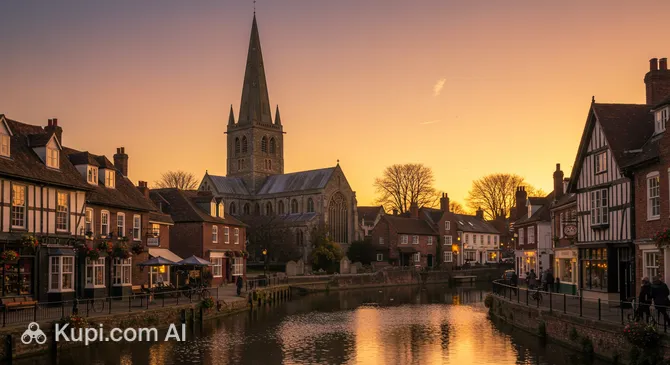
Boston. Illustration.
Source: Kupi.com AI

Despite its relatively small size with a population of around 64,600, Boston plays an important role as the administrative center of the district. Here, ancient charm and the dynamics of modern life intertwine in a surprising way. Walking through its streets, you can see how architectural monuments and modern amenities harmoniously coexist, creating a unique atmosphere often called "Little England."

The rich history of Boston is inextricably linked with the sea and commerce: for centuries, the local harbor served as a key trading and cultural hub for the region. Today, travelers are attracted here not only by the glorious past but also by the preserved local character. Among the main points of interest are majestic old churches, bustling market squares, and scenic embankments perfectly suited for leisurely strolls.

This town will be a wonderful discovery for those seeking the authentic spirit of the English provinces. Boston invites guests to enjoy its hospitality, explore its cultural heritage, and take a break from the hustle and bustle of large metropolises in a setting of comfort and centuries-old traditions.

Weather Overview

The climate in this corner of Lincolnshire can be described as temperate maritime, which is typical for much of the UK. The weather here is quite mild, without extreme heat in summer or severe frosts in winter; however, high humidity and variability are constant companions for travelers. When planning your trip, be sure to check the current weather in Boston to be prepared for the whims of nature.

Summer months, especially July and August, are considered the most comfortable for a visit: average daytime temperatures reach a pleasant 21°C, while evenings remain fresh (around 13–14°C). Winter here is cool but not freezing; in January and December, the thermometer usually stays around 5–6°C, and nightly minimums rarely drop below 2–3°C.

Expect moderately warm summers and cool winters with regular rainfall throughout the year. Rain in Boston is a frequent occurrence: on average, 10 to 14 days in each month can be rainy, so a waterproof jacket and an umbrella will be your best friends regardless of the season.

Average monthly temperature

Average monthly precipitation

Interesting Facts

In addition to its famous architectural monuments, Boston holds many fascinating secrets and historical parallels that make a visit even more memorable. Here are a few facts to help you better understand the soul of this ancient town:

  • A Beacon for Travelers. The famous St Botolph's Church, popularly known as the "Boston Stump," is not just a religious building but one of the tallest parish churches in England. Its spire served as an indispensable landmark for mariners for centuries, pointing the way to the harbor and being visible for many miles.

  • The Birthplace of an American Metropolis. It was from here in the 17th century that a group of English Puritans set out on a risky journey across the ocean to found a colony in the New World. Thus, the famous Boston, Massachusetts, was born, and the English town is rightfully considered the historical "father" of its overseas namesake.

  • Market Traditions Spanning Centuries. Boston is famous for its colorful markets, the history of which dates back to the 13th century. Trade has always been at the heart of local life: from medieval fairs to modern farmers' markets, where you can still find fresh produce and handcrafted goods today.

  • A Festival of Light. Every year, the town is transformed by a unique tradition—a parade of lamps and lanterns. Marking the arrival of autumn, residents and tourists take to the streets with colorful lights, turning evening walks into a real fairytale of light and shadows.

How to Get There

A trip to Lincolnshire requires some planning, as the town is situated away from the country's busiest motorways. To find out all the ways to get to Boston, we recommend checking our detailed guide, and below we look at the main transport hubs that are most convenient for planning your route.

The nearest significant air hub is East Midlands Airport (IATA: EMA). There is no airport in Boston itself, so travelers often choose this hub, located near Nottingham. The distance to the town is about 89 km, making it the geographically closest option for arrival.

Another popular choice, especially for international flights, is Stansted (IATA: STN). It is based on the outskirts of London, 123 km from Boston. It is one of the region's largest airports with a wide route network, so many tourists start their journey here by renting a car or using a transfer.

For convenience, here is summary information on the main airports in the region:

AirportPassenger trafficDistance
Humberside Airport150 61570 km
East Midlands Airport4 mln89 km
Norwich International Airport353 00094 km
Stansted Airport29.8 mln123 km
London Luton Airport16.7 mln125 km

If you prefer rail transport, it's worth considering major interchanges in neighboring cities, as direct long-distance routes may not stop in Boston itself. One of the nearest key stops is Leicester Railway Station. The station is approximately 83.5 km from the destination, and the rest of the journey can be completed by regional transport or taxi.

Nottingham Railway Station is also considered an important transport hub. It is located at a distance of 123.6 km. When planning a trip through these stations, allow time for a transfer or car journey to Boston itself.

Below is a table with data on the nearest major railway stations:

StationPassenger trafficDistance
Nottingham Railway Station7.1 mln75 km
Leicester Railway Station5.3 mln83 km
Milton Keynes Central Station5.6 mln117 km
Birmingham New Street Station35.3 mln136 km
Bradford railway station2.3 mln147 km

Main Attractions

Despite its modest size, the town is rich in historical monuments that tell the story of its glorious trading past and its links with the New World. A walk through these sites will allow you to immerse yourself in the atmosphere of medieval England and learn more about the fates of the people who changed history.

St Botolph's Church, known among locals as the "Boston Stump," is the town's undisputed landmark and one of the county's most recognizable symbols. It is one of the largest parish churches in England, famous for its incredibly high tower, which for centuries served as a landmark for sailors and travelers on the flat plains of the Fenlands. Tourists should brave the hundreds of steps to climb to the top of the tower: from there, a breathtaking panoramic view of the town and its surroundings opens up, and on a clear day, you can even see the Norfolk coast.

Another important stop on the route is Boston Guildhall. This beautifully preserved medieval building, built in 1390, serves as a museum today. It holds somber but fascinating stories: it was here in 1607 that the Pilgrim Fathers—a group of Puritans who later founded the famous colony in America—were tried and imprisoned. Visitors can explore the ancient halls, see the prison cells, and learn more about the Hanseatic League's maritime trade, of which this port was once a center.

Fans of unique architecture and engineering should visit the Maud Foster Mill. It is one of the tallest working windmills in the country, built in the early 19th century. Its seven floors and five massive sails make it an impressive sight. The mill still produces flour, and tourists can not only climb up to see the inner workings of the machinery but also buy fresh produce in the local shop.

Located near the Guildhall is Fydell House—an elegant early 18th-century mansion considered one of the best examples of Georgian architecture in the town. This house attracts visitors with its elegance and serenity: here you can stroll through the well-tended garden, which is an excellent place to relax after a busy tour, or stop by the tea room to enjoy a traditional English afternoon tea in a historical setting.

Local Cuisine

Boston's gastronomic map is a true reflection of Lincolnshire's generous nature. The town is surrounded by fertile agricultural land, so the local cuisine is based on the freshest seasonal produce, vegetables straight from the garden, and high-quality meat. Proximity to the North Sea adds magnificent fish dishes to the menu, making the local diet varied and balanced.

The region's main culinary symbol, which every guest must try, is the famous Lincolnshire sausages. Their unique taste is achieved through a special recipe: coarsely ground pork is mixed with sage and spices, which gives the meat its characteristic aroma and juiciness. Traditionally, they are served with mashed potatoes and a thick homemade gravy. No less popular is the hearty meat and onion pie, which is perfect for warming up and filling up after long walks.

Since Boston is a port town, the classic British street food—fish and chips—is highly valued here. Local establishments offer cod or haddock in a golden crispy batter, prepared according to old traditions. For those with a sweet tooth, a must-do is a traditional English afternoon tea with warm scones, clotted cream, and jams made from local seasonal berries.

As for drinks, the pub culture here is thriving. In the town's historical venues, it's worth ordering a pint of real English ale or local cider produced in the surrounding county. Fans of non-alcoholic drinks will appreciate natural farm juices and, of course, strong English tea.

The food culture in Boston is casual and cozy. Locals and tourists often dine in colorful pubs with centuries of history or visit the famous town markets. It is at the markets and food festivals that you can find the best examples of craft cheeses, fresh honey, and organic products, turning a simple lunch into a small culinary adventure.

Travel Tips

Preparing for a trip to Boston (Lincolnshire) does not require complex logistics, but knowing local features will make your holiday much more comfortable. We have gathered the main practical tips to help you plan the perfect trip to this historical corner of the UK and avoid common beginner mistakes.

  1. Clothing and weather whims. The climate here is typically English: mild but unpredictable. Even if the forecast promises sun, be sure to bring a waterproof windbreaker or raincoat, as well as a compact umbrella. Since the historical center is paved with cobblestones, leave the heels at home and opt for comfortable flat shoes for long walks.
  2. Getting around town. Boston is a compact town, and its main attractions are within walking distance of each other. Renting a car within the town is not necessary and can cause parking problems. For trips to the surroundings, you can use local buses (e.g., operator Brylaine), and it's better to call local taxi services by phone, as global apps may experience delays.
  3. Finances and payment. The official currency is the Pound Sterling (£). Although bank cards are accepted in most shops and pubs, we strongly recommend having some cash on hand. It will be needed for small purchases at the market square or in small private shops. Tips of 10–12% are welcome if a service charge is not already included in the bill.
  4. Electricity and communication. Don't forget to bring or buy locally a Type G socket adapter (British standard with three flat pins), as European plugs won't work here. Free Wi-Fi is available in many cafes and public places, but for reliable communication, it's better to buy a local SIM card (e.g., O2, Vodafone, or EE) at any supermarket or mobile shop.
  5. Safety and health. Boston is a quiet town, but basic precautions are important: do not leave belongings unattended at the station or market. Pharmacies usually close around 17:30–18:00, and there are few 24-hour points. The emergency number is 999, and for non-urgent medical advice, use 111.
  6. Local etiquette. The British value personal space and politeness. Observe the queue everywhere—from the bus stop to the bar; attempting to push ahead will be seen as rude. In conversation, don't forget the "magic words": "please," "thank you," and "sorry" are used here much more often than you might be used to.
  7. What to avoid. It is not worth loudly comparing this town with its famous American namesake in conversation with locals—they are very proud of their own, much more ancient history and identity. Also, avoid loud phone conversations on public transport and in enclosed spaces—this is considered bad form here.
  8. Market days. If possible, plan your visit for a Wednesday or Saturday. On these days, a large open-air market operates in the central square (Market Place)—a tradition that is several centuries old. This is the best place to buy local farm products and feel the true rhythm of the town's life.

We hope these recommendations will help you feel confident and free in Lincolnshire. Boston knows how to charm with its simplicity and history, so follow these tips, respect local traditions, and enjoy every moment of your English adventure!

Entertainment & Nightlife

Nightlife in the English town of Boston differs starkly from the rhythm of bustling metropolises: you won't find neon lights burning until dawn at every turn. Evening leisure here is steeped in traditional British coziness, where old pubs, atmospheric gastropubs, and local music venues become the centers of attraction. It is the perfect place for those who appreciate good conversation, quality ale, and the relaxed atmosphere of provincial England.

The epicenter of evening activity is the area around the central Market Place and the lively West Street. Most establishments where locals and tourists gather after sunset are concentrated here. The crowd in these venues is diverse but invariably friendly. The dress code in most places is casual, but if you plan to visit a nightclub on the weekend, it's better to opt for smart casual style, avoiding sportswear.

Among the specific venues shaping the town's nightly face, The Assembly Rooms stands out. This building with a rich history is now one of Boston's main entertainment centers, combining the functions of a nightclub and a concert venue where live bands and themed parties are frequently hosted. For those seeking a quieter and more authentic atmosphere, The White Hart Hotel is an excellent choice—an elegant hotel bar overlooking the river, perfect for a measured evening with a glass of wine.

Also popular is The Goodbarns Yard—a pub famous not only for its food but also for its great atmosphere for evening gatherings with friends, especially in the warmer months thanks to its spacious outdoor area. Most pubs in the town close around 11:00 PM or midnight, while clubs may stay open until 2:00 or 3:00 AM, primarily on Fridays and Saturdays.

In terms of safety, Boston is a quiet town, and walking through the lit center (High Street, Market Place) is generally worry-free. However, public transport practically doesn't run at night. We strongly recommend writing down the numbers of local taxi services in advance, as hailing a car on the street at night can be problematic, and popular ride-sharing apps don't always find available drivers.

If nighttime adventures aren't for you, Boston offers a rich daytime program. You can visit local museums, stroll through the picturesque Central Park, or enjoy theatrical performances at the Blackfriars arts centre, which often take place during the day and evening.

Parks & Museums

Although Boston is primarily known for its trading past and architecture, this town in the UK knows how to surprise with its green oases and unique museum collections. For travelers, an ideal balance is created here: after immersing yourself in history, you can easily switch to a peaceful holiday in nature or exploring unusual exhibits.

Among the green zones, Central Park holds a special place. This is a classic Victorian park located in the very heart of the town. It is perfect for family holidays: there are well-kept flower beds, spacious lawns for picnics, tennis courts, and playgrounds. Tourists appreciate this place for the opportunity to take a break from the city bustle without leaving the center and to enjoy the atmosphere of good old England.

For lovers of wilder nature, Witham Way Country Park is a real find. This nature reserve, stretching along the riverbank, is a mosaic of woodlands and meadows. It is a wonderful place for observing local fauna: owls, woodpeckers, and many species of butterflies live here. A walk along the park's trails allows you to see a different, quieter, and more natural side of Lincolnshire.

The town's cultural life is concentrated in its museums, which preserve the memory of the region's rich heritage. Boston Guildhall Museum is not just a historical building but a treasure trove of artifacts. The exhibition immerses visitors in the town's maritime history, telling stories of the Hanseatic League and the fates of the Pilgrims. Here you can see ancient household items, documents, and even look into preserved prison cells, creating an effect of full immersion in the past.

In the vicinity of the town is the one-of-a-kind Bubblecar Museum. This place is a must-visit for anyone interested in retro technology and 1950s-60s design. The collection features over 50 microcars, from the famous Isetta to rare Bond models. The museum is interesting not only for its exhibits but also for the chance to ride in one of these "little ones," which provides plenty of positive emotions and bright photos.

Insider Tip: If you have time, head a bit further from the center to the RSPB Frampton Marsh nature reserve. It is one of the best places in the country for birdwatching. The saltmarsh landscapes and endless sky create an incredibly photogenic and peaceful picture, especially at sunset, which not all ordinary tourists know about.

Getting Around

Boston's transport system is quite simple and compact, which perfectly matches the size of this cozy market town. There is no metro, trams, or trolleybuses typical of large metropolises. The historical center of the town is best explored on foot, as most attractions, shops, and markets are located within walking distance of each other. However, for trips to outlying areas or neighboring villages, the local bus network will be useful.

The main form of public transport is buses. The main local operator is Brylaine Travel, whose purple and silver buses run on town routes (the "Into Town" series) and connect the town with the surrounding area. The Bus Station is located on St George’s Road, near the center, and serves as the main interchange hub. Schedules are generally adhered to, but it's worth noting that in the evening and on Sundays, services may be infrequent or non-existent.

The fare payment system is as simple as possible for passenger convenience. The most common method is contactless payment with a bank card or smartphone (Apple Pay, Google Pay) directly with the driver upon boarding. This eliminates the need to look for change or figure out zones. If you prefer cash, try to have the exact amount, as the driver may not have change for large notes. Tickets are purchased for a single trip (Single) or return (Return), and day passes also exist if you plan to travel a lot.

An important alternative to buses is taxis. Unlike in large cities, it's not customary to hail a car on the street by waving your hand. It's best to book a taxi in advance by phone through one of the local dispatch services (e.g., Acorn Taxis or Boston Taxis). Popular international ride-hailing apps may work inconsistently or with long wait times, so a list of local firm numbers in your phone will be very useful.

Thanks to the flat Fenland landscape, Boston is ideal for cycling. The bicycle is a popular means of transport here for both locals and tourists. There is no large-scale city bike-share system with automated stations, but you can rent two-wheeled transport at private shops or sports centers. This is a great way to reach nature parks on the outskirts without depending on bus schedules.

Boston Railway Station, while an important transport hub, is used primarily for intercity travel (e.g., trips to Nottingham or Skegness) rather than for getting around within the town. Nevertheless, it is located close enough to the center, and from there it is easy to start a walk to the main historical sites.

Accommodation

Boston, being a small town in Lincolnshire, cannot boast a huge number of luxury chain resorts, but it offers tourists a decent choice of cozy and authentic accommodation. The backbone of local hospitality consists of small private hotels, traditional English Bed and Breakfasts (B&Bs), and historical inns where you can feel the true spirit of old England.

Areas to stay. For most travelers, the most convenient option will be staying in the historical center. By staying in the Market Place area or along the River Witham embankment, you will be within walking distance of the main attractions, including the famous "Boston Stump" tower, as well as the best pubs and shops. If you are traveling by car and looking for seclusion, it is worth considering options on the outskirts or in nearby villages, where you can find picturesque guest houses overlooking the expanse of the Fens.

Types of accommodation. In the town center, hotels located in renovated historical buildings are popular. They combine old-world charm with modern comfort. For those who prefer independence, a wide range of apartments and flats for short-term rent is available. Budget travelers should look for inexpensive guesthouses, as there are few classic youth hostels in the town.

Prices and booking. The price range in Boston can be described as moderate and affordable, especially compared to the major tourist centers of the UK. The cost of living here is generally lower than in neighboring Lincoln or Nottingham. You can book a room through popular international online platforms or directly on the hotels' websites.

Travel tip: Although Boston is not overcrowded with tourists year-round, the number of quality hotels is limited. We strongly recommend booking accommodation in advance, especially if your trip falls in the summer months or on public holidays. This guarantees you a better choice of rooms and more favorable prices.

Nearby Cities

For those looking to explore the surroundings, Boston serves as an excellent starting point for day trips to several interesting nearby locations. The town's location in the flat Fenland landscape makes it easy to reach significant historical and cultural centers in the region.

Just an hour's drive away is Lincoln—a true gem of the county. This city is famous for its magnificent cathedral, considered one of the finest examples of Gothic architecture in Europe, and its Norman castle, which houses a copy of the Magna Carta. A walk up the steep historical street, Steep Hill, lined with boutiques and tea rooms, will be an unforgettable experience.

Fans of maritime history should visit King's Lynn. Like Boston, it was an important member of the Hanseatic League. It preserves a magnificent waterfront, old custom houses, and the unique atmosphere of a wealthy merchant town. It is the perfect place for leisurely strolls along the River Great Ouse and exploring England's maritime heritage.

Also worth noting is Peterborough, known for its stunning 12th-century cathedral with a unique triple-arched west front. The city combines ancient history with modern dynamics, offering great opportunities for shopping and relaxation in the scenic Nene Park.

CityPopulationDistance
Coningsby4 00017 km
Holbeach10 45820 km
Spalding34 61323 km
Sleaford19 80726 km
Skegness21 12831 km

These nearby destinations provide a great insight into the diverse culture and landscapes of the region.

Shopping & Souvenirs

Shopping in Boston is an immersion into the atmosphere of a traditional English market town. You won't find massive glass skyscrapers with luxury boutiques like in London, but the town offers an excellent balance between well-known chain brands and charming independent shops. Trade in this corner of the UK has a centuries-old history, so the shopping process is often combined with a pleasant walk through historical streets.

The heart of the town's retail life is the pedestrianized Strait Bargate and the adjacent Market Place. This is where the main activity is concentrated: street musicians set the mood, and shop windows attract with variety. Walking along these streets, you will find popular British clothing, cosmetics, and homeware stores. It's also worth checking out West Street, which is home to many small private shops and cafes.

The main destination for modern shopping is the Pescod Square Shopping Centre. This is an open-air shopping center that is architecturally harmoniously integrated into the town's ancient appearance. It brings together key high-street brands (such as Next, Waterstones, Superdrug), and it's a convenient place to update your wardrobe or find gifts without leaving the historical center. The convenient layout and lack of a roof create the feeling of a walk down a city street, but with the comfort of modern infrastructure.

However, the real jewel of Boston is its markets. The town market in Market Place operates on Wednesdays and Saturdays and is considered one of the largest and oldest in the region. This is not just a place to buy things, but a living tradition: here you can buy the freshest vegetables from local farmers, flowers, handicrafts, and fabrics. On Wednesdays, there is also an auction, which adds to the local character. If you want to feel the true spirit of Lincolnshire, a visit to the market is a must.

As souvenirs from Boston, tourists most often bring back gastronomic gifts. Look out for local cheeses (such as Lincolnshire Poacher) and, if your journey allows, the famous Lincolnshire sausages. Also popular are items related to the history of the Pilgrim Fathers: books, postcards, and miniature models of the Mayflower ship, which can be found in the Guildhall gift shop or the tourist information center.

Shops in the town are usually open from 09:00 to 17:30 Monday to Saturday. On Sundays, the hours are reduced: large retail outlets operate from 10:00 to 16:00, and small private shops may be closed. Payment by bank cards (including contactless payments) is accepted everywhere, even in small kiosks. However, for market purchases, it's better to have some cash pounds on hand, as not all vendors are equipped with terminals.

It is important to remember that since 2021, the Tax Free (VAT refund) system for international tourists purchasing goods in stores has been abolished in the UK. You can no longer arrange a tax refund at the airport upon departure, so the prices shown on tags are final for all buyers.

Reached the end of the page?

That means the route is fully explored