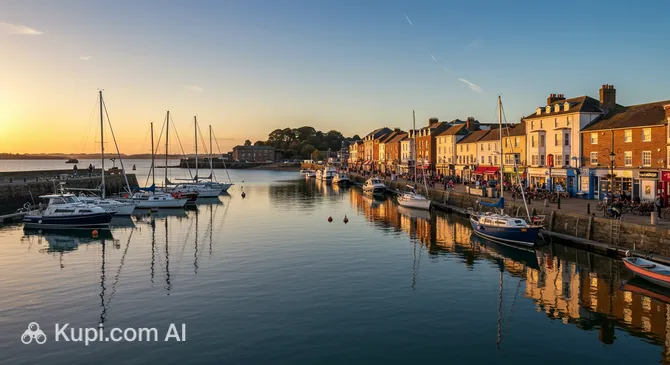
Poole is a true gem on the south coast of Great Britain, nestled on the shores of the English Channel. The town is famous for its picturesque harbour, considered one of the largest natural harbours in the world, giving it a unique maritime atmosphere and making it a significant hub for yachtsmen and water sports enthusiasts.
Located in the county of Dorset, Poole, with a population of approximately 144,800, is a dynamic yet cozy town. It harmoniously combines the charm of a seaside resort with a historic port centre, where modern quarters sit alongside narrow streets and ancient houses that preserve the spirit of past centuries.
Poole. Illustration.
Source: Kupi.com AI
The atmosphere in Poole is filled with lightness, a fresh sea breeze, and a sense of endless holiday possibilities. The town attracts tourists with its beautiful sandy beaches and ideal conditions for water activities like sailing and kayaking. One of the key highlights is the opportunity to take exciting trips to the islands in the harbour, such as Brownsea Island, famous for its wildlife. Poole's historic centre, with its cobbled streets and old waterfront, is an attraction in its own right, perfect for leisurely strolls.
Poole is a town that offers a variety of experiences, from active leisure on the water to immersing yourself in history and enjoying natural beauty. It is a place you will surely want to return to, to once again dive into its hospitable and lively atmosphere.
You can find more interesting facts on the history of Poole page.
Weather Overview
In Poole, a temperate marine climate awaits you. Summers here are usually warm and pleasant, with average temperatures in July and August around 17-18°C, while maximum values can rise to 20-21°C. Winters in Poole are cool but without severe frosts: the average temperature in January is around 6°C, and in December around 7.5°C. Precipitation occurs throughout the year, but the amounts are small, averaging 2-3 mm per month, with a slight increase to 4 mm in October. The number of rainy days varies from 10 to 16 per month. Overall, expect a comfortable summer with little rainfall and a mild, damp winter. For more detailed information on climate conditions and the weather forecast, visit the Poole Climate page.
Average monthly temperature
Average monthly precipitation
Interesting Facts
Beyond its picturesque views and bustling harbour, Poole holds many surprising stories and little-known details that make it a truly unique destination. A town with centuries of history is ready to share its secrets with curious travellers.
Brownsea Island. Illustration.
Source: Kupi.com AI
Traveler photos:
Poole is the home of the Royal National Lifeboat Institution (RNLI), one of the UK's most respected charities. There is a monument to the brave rescuers in the town, and a dedicated museum tells the stories of heroic deeds and maritime rescue traditions.
It was on Brownsea Island, located in Poole Harbour, that Robert Baden-Powell organized the world's very first Scout camp in 1907. This event marked the beginning of the global Scouting movement, and today the island remains an important site for Scouts and nature enthusiasts.
In days of old, Poole was notorious as a haven for pirates and smugglers. Legend has it that the famous pirate Harry Paye found refuge here, and extensive tunnels used for the secret transport of goods may still exist beneath the old part of the town.
The official founding of the town in 1248 is linked to a curious historical transaction: Sir William Longespee sold the land to local residents to raise funds for his participation in the Crusades.
How to Get There
When planning a trip to this picturesque corner of Dorset, it's important to think about your route in advance. Poole has good transport links, and you can learn all the ways to get to the city in more detail on a dedicated page. Most tourists arrive via nearby airports located in neighbouring cities or by using the region's well-developed railway network.
There is no airport in Poole itself, but you can fly into Bournemouth Airport (IATA: BOH), which is located in Bournemouth, only about 12.5 km from the centre of Poole. This is the most convenient option for travellers. A taxi or bus ride from there takes about 40 minutes. Another popular option is Southampton Airport (IATA: SOU), located in Southampton, 51.5 km away. The journey from this airport takes about 1.5 hours. For those looking for more international flights, Bristol Airport (IATA: BRS) in Bristol (about 90 km from Poole) is suitable, with a journey time of approximately 2.5 hours.
For convenience, here is summary information on the main airports:
If you prefer land transport, the railway connection is worth noting. The largest transport hub in the region is Bristol Temple Meads station (IATA: TPB), located in Bristol, about 91.6 km from Poole. This is a major hub with huge passenger traffic, from where you can continue your journey to the coast. Another significant station is Bath Spa Station (IATA: QQX) in the city of Bath, located 78.1 km away. From these major cities, Poole can be reached by regional trains or a rental car, with travel times ranging from 1.5 to 2 hours.
Below is information about the major railway stations in the region:
Poole, a charming port town on the south coast of Great Britain, offers its guests many interesting places to visit. From picturesque natural spots to historical landmarks, there is something for everyone here. Here are just a few key places to include in your itinerary.
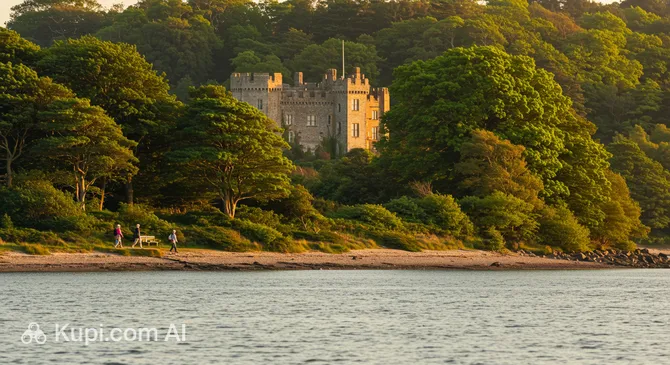
One of the most famous sites is Brownsea Island. Located in Poole Harbour, this island is renowned for its untouched nature, rich wildlife—including rare red squirrels—and as the birthplace of the Scouting movement. Visitors can enjoy walks along scenic trails, relax on secluded beaches, and learn more about the island's history.
Brownsea Island. Illustration.
Source: Kupi.com AI
Traveler photos:
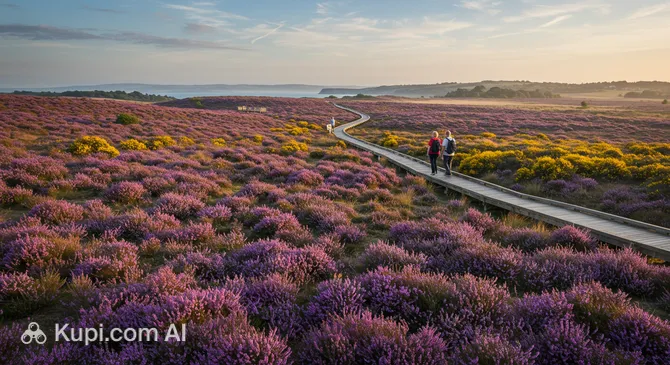
Nature lovers should also visit the Arne Nature Reserve, managed by the Royal Society for the Protection of Birds (RSPB). This vast area of heathland, woodland, and salt marsh is home to many bird species and other animals. The reserve offers magnificent opportunities for wildlife watching and hiking along specially designated trails.
Arne Nature Reserve. Illustration.
Source: Kupi.com AI
Traveler photos:
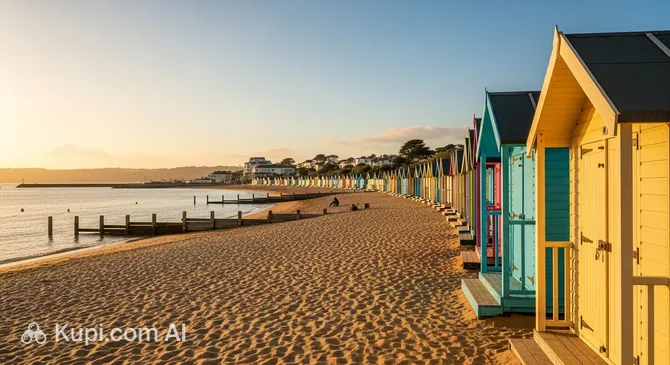
If you are looking for a place to relax by the sea, Shore Road Beach is an excellent choice. This sandy beach, awarded the Blue Flag for cleanliness and safety, is ideal for families, swimming, and water sports. The beach offers beautiful views of the harbour and Brownsea Island.
Shore Road Beach. Illustration.
Source: Kupi.com AI
Traveler photos:
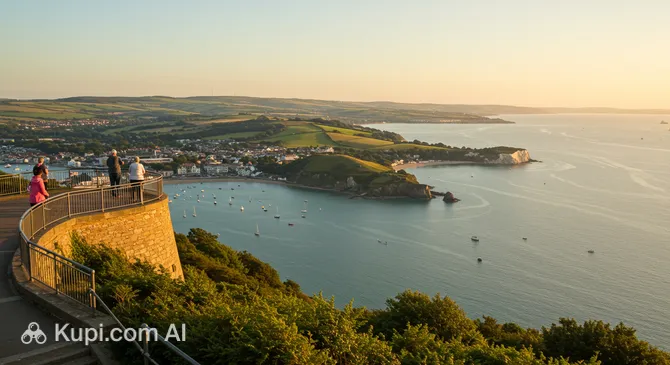
For those wanting to enjoy panoramic views of Poole and its surroundings, the Constitution Hill Viewpoint is a must-visit. From this elevation, breathtaking views of the harbour, the Sandbanks Peninsula, and the Isle of Purbeck open up. It is a wonderful spot for photography and quiet contemplation of the coastal beauty.
Constitution Hill Viewpoint. Illustration.
Source: Kupi.com AI
Traveler photos:
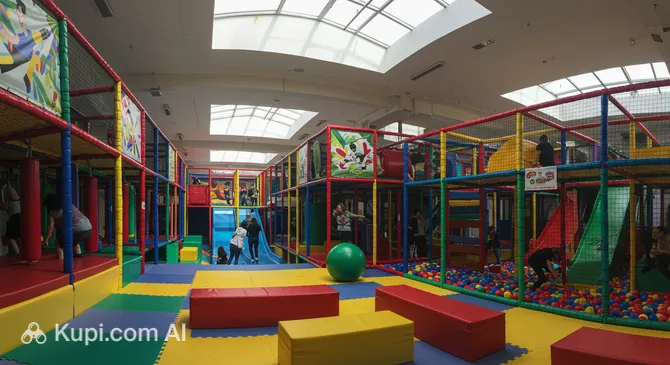
Additionally, Poole has other interesting spots, such as the Lemur Landings family entertainment centre, which children will especially enjoy thanks to its play areas and the chance to see lemurs.
Local Cuisine
Poole is a true gastronomic paradise for lovers of fresh seafood. Located on the English Channel coast, the town is famous for its culinary traditions based on the freshest catches. Poole's dining scene offers both classic British dishes and modern culinary delights capable of surprising even the most discerning gourmet.
Be sure to try the traditional fish and chips, which are prepared here with exceptional skill using fish caught literally the day before. A true symbol of Poole is its oysters—they can be sampled in many establishments, especially during regular seafood festivals. Don't miss the chance to enjoy other marine delicacies: mussels, crabs, and local specialties like smoked eel and aromatic fish pies.
Street food in Poole also deserves attention. Along with the ubiquitous fish and chips, you can find hearty meat pies and fresh crab sandwiches. Visit the local Poole Quay market, where farmers offer fresh vegetables, cheeses, pastries, and, of course, a rich selection of seafood. It's a great place to experience the authentic taste of the region.
As for drinks, Poole's pubs offer a wide choice of traditional English ale and cider, with local Dorset cider being particularly popular. For non-alcoholic options, you can always choose classic tea, coffee, or refreshing local lemonades and juices.
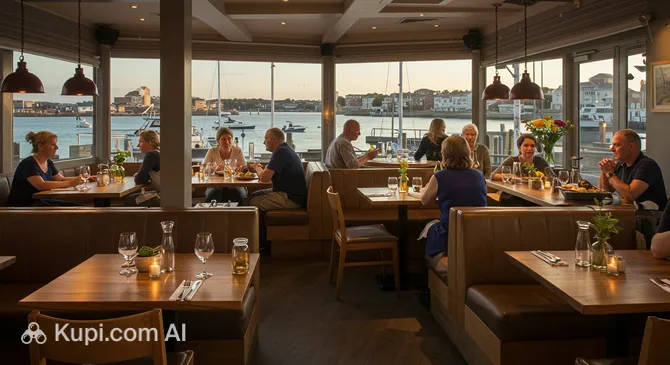
The food culture in Poole is centred around cozy cafes, traditional pubs, and restaurants, many of which are located along the picturesque waterfront. Locals and tourists alike love spending time here, enjoying the fresh sea air and delicious food. If you want to taste excellent seafood in a pleasant atmosphere, check out the Rockfish Poole restaurant. The town also hosts culinary masterclasses and tastings, providing a deeper look into British coastal cuisine.
Rockfish Poole. Illustration.
Source: Kupi.com AI
Traveler photos:
Poole's culinary scene is a blend of centuries-old traditions and modern trends. The freshness of ingredients, especially seafood, is the hallmark of the local kitchen, attracting foodies from all over the world. A trip to Poole will give you unforgettable taste experiences and introduce you to the best examples of coastal British cuisine.
Travel Tips
Welcome to Poole! To make your trip to this charming coastal town in Great Britain as comfortable and memorable as possible, we have prepared some practical tips. They will help you navigate better and enjoy all that Poole has to offer.
Clothing and Essentials:
The climate in Poole is marine and temperate, so the weather can be changeable. Always bring several layers of clothing, including a waterproof jacket or umbrella, even in summer. Comfortable walking shoes for the town and coast are a must. Don't forget an adapter for British sockets (Type G). When visiting churches or other religious sites, stick to a modest dress style.
Getting Around Town:
Poole is easy to navigate using public transport, mainly buses (such as those run by Morebus). Taxis are available, and you can also use apps to call them. Renting a car can be useful if you plan to explore the Dorset countryside, but keep in mind that parking in Poole centre can be paid and limited. The town itself is compact enough for walking.
Finances:
The local currency is the British Pound Sterling (£, GBP). You can exchange currency at banks, post offices, or exchange bureaus. Credit and debit cards (Visa, Mastercard) are accepted almost everywhere, especially contactless payment. ATMs are easy to find. It is recommended to notify your bank of your trip. Tipping is not always mandatory but is appreciated for good service in restaurants (usually 10-12% if a service charge is not included) and you can round up the fare in a taxi. A daily budget can vary greatly, but as a guide, you might allow £50-£100 for food and small expenses, not including accommodation and major tours. It is recommended to check the prices for activities you're interested in beforehand.
Health and Safety:
Pharmacies (chemists) are easy to find in town; major chains like Boots or LloydsPharmacy have a good selection. For medical assistance, tourists should go to local clinics (GP surgeries for non-urgent cases) or the Accident & Emergency (A&E) department at hospitals in emergencies. The emergency services number is 999. Poole is considered a safe town, but standard precautions (watching your belongings, avoiding poorly lit deserted places at night) are still wise.
Communication:
The official language is English. English is widely spoken, and you will have no trouble communicating with locals. You can buy a local SIM card at mobile shops or supermarkets. Wi-Fi is available in many cafes, hotels, and public places. Apps from local bus companies or city maps can be very useful.
Local Etiquette:
British people value politeness. It is customary to greet people ("Hello", "Good morning/afternoon"), say "please", "thank you", and "excuse me". Respecting the queue is a sacred rule. In public places, try not to speak too loudly. Locals are generally friendly, though they may seem reserved at first.
What to Avoid:
Try not to jump the queue—it is considered very bad manners. Also, avoid excessively loud behaviour in public places, especially in pubs and restaurants, unless it is a noisy venue. It's best not to criticize local traditions or compare them negatively with those of your own country.
Special Feature of Poole:
Poole is famous for its huge natural harbour, one of the largest in the world. Be sure to consider a boat trip around the harbour or a visit to Brownsea Island, known for its nature and red squirrels. Also, check the tide times if you plan on walking by the water.
We hope these tips make your stay in Poole even more pleasant and worry-free. Enjoy your journey through this beautiful corner of Dorset!
Entertainment & Nightlife
Poole, a charming coastal town in Dorset, offers its guests not only picturesque daytime views but also a diverse nightlife after the sun sets. While Poole may not be famous for non-stop wild parties like some major metropolises, there are plenty of cozy spots where you can spend a great evening and night.
The main concentration of evening entertainment is in the Poole Quay area and its adjacent streets, as well as parts of the town centre. The atmosphere here is quite relaxed and friendly. Most establishments cater to an adult crowd, but there are also places popular with younger people. The dress code is usually smart casual; strict rules are rare. Many pubs and bars stay open until midnight or 1:00 AM, especially on weekends.
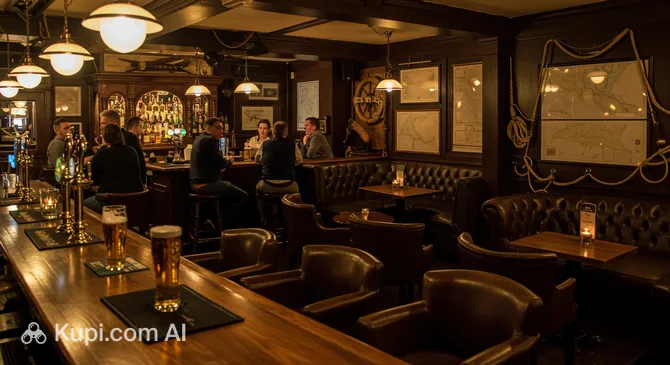
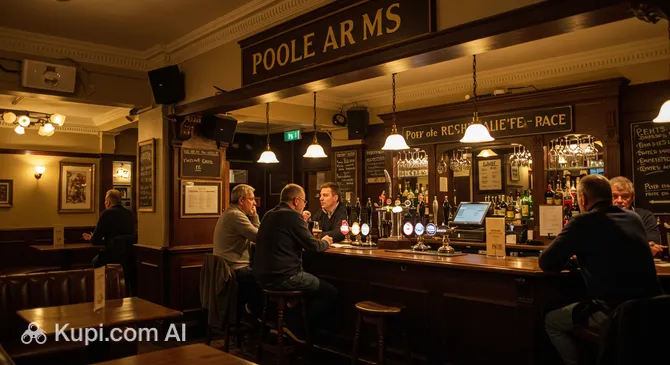
Nightlife in Poole mainly revolves around traditional English pubs, stylish cocktail bars, and restaurants offering dinner in a pleasant setting. Specialized nightclubs or large concert venues are less common here, and night markets are not typical for the town. Nevertheless, the choice of places for an enjoyable evening is wide enough. For example, check out the Bermuda Triangle, known for its atmosphere and drink selection, or visit the classic pub The Poole Arms to experience the local flavour. For dinner with a harbour view, Rockfish Poole, which specializes in seafood, is a great choice. If you're looking for something more active, you might head to the Insanity Arcade Poole, which offers evening entertainment.
Bermuda Triangle. Illustration.
Source: Kupi.com AI
Traveler photos:
The best time to visit bars and pubs is Friday and Saturday evening when the town comes alive. Prices for drinks and food are average for Great Britain. You can get back to your hotel at night by taxi; there are ranks in the town centre, and ride-hailing apps are also available. Poole is considered a fairly safe town, but as always, it’s best to stick to well-lit and busy streets at night, especially if walking alone.
Poole Arms. Illustration.
Source: Kupi.com AI
Traveler photos:
Regarding daytime entertainment, Poole does not disappoint. The town offers interesting museums, picturesque parks, and boat trips. Nature lovers will appreciate the Arne Nature Reserve or a trip to Brownsea Island. For a family outing, Lemur Landings is ideal. It is also worth enjoying the views from the Constitution Hill Viewpoint or relaxing at Shore Road Beach.
Parks & Museums
Poole, a charming town in Dorset, offers its guests not only a picturesque harbour but also many opportunities for outdoor relaxation and exploring local culture. Here, you will find both vast green spaces and interesting sites detailing the history of this seaside town.
One of the main jewels of Poole is Brownsea Island, managed by the National Trust. Located in Poole Harbour, this island is famous for its untouched nature, population of red squirrels, and rich birdlife. Additionally, the island holds historical significance as the birthplace of the Scouting movement. It is an ideal spot for hiking and wildlife observation.
Nature enthusiasts should also visit the Arne Nature Reserve, managed by the Royal Society for the Protection of Birds (RSPB). The reserve encompasses heathlands, ancient oak woodlands, and salt marshes, providing a sanctuary for many rare bird species and other animals. Scenic trails are laid out here, allowing visitors to enjoy the beauty of the Dorset coast.
For those who prefer relaxing by the water, Shore Road Beach offers beautiful sandy expanses, perfect for sunbathing, swimming, and water sports. It is a popular spot for both tourists and locals. Another iconic place for walks and recreation is Poole Park—a large Victorian park with lakes, playgrounds, cafes, and even a miniature railway, offering entertainment for the whole family.
Poole is rich not only in natural beauty but also in cultural sites. The primary keeper of the town's history is the Poole Museum. Housed in a Victorian warehouse on the quayside, the museum features exhibitions dedicated to Poole's maritime history, its links to trade and piracy, and archaeological finds from the region. Entry to the museum is often free, making it accessible to everyone. An important cultural centre in the town is Lighthouse, Poole's Centre for the Arts. This multi-functional complex offers a diverse program including theatre productions, classical and contemporary music concerts, dance shows, film screenings, and art exhibitions. Lighthouse serves as the main venue for cultural events in Poole and attracts both locals and tourists with its high-level programming.
While strolling through Poole, take note of the historic Poole Quay, where the atmosphere of an old port town can still be felt. Here, you can see traditional pubs, historic buildings, and enjoy views of the harbour. Poole Old Town also deserves attention for its narrow streets and well-preserved architecture. For panoramic views of the harbour and surroundings, head up to the Constitution Hill Viewpoint, which offers breathtaking landscapes.
Families with children might enjoy Lemur Landings—a large indoor play centre where little ones can have fun. While not a traditional cultural site, it is a popular spot for family leisure in Poole.
Lemur Landings. Illustration.
Source: Kupi.com AI
Traveler photos:
For a more secluded experience, walk along the lesser-known trails of Upton Country Park, which borders Poole, or explore quiet corners of the harbour away from the busy quay. It's also worth visiting the local markets to feel the authentic atmosphere of the town and perhaps pick up some unique souvenirs.
Getting Around
Getting around Poole and its surroundings is quite convenient thanks to its developed public transport system. The network is primarily based on buses, supplemented by rail services and seasonal ferry crossings.
Buses are the main form of public transport in Poole. The primary operator, "morebus," offers an extensive network of routes connecting the town centre with residential areas, neighbouring Bournemouth, and other settlements in Dorset. The buses are modern and comfortable, with many equipped for passengers with limited mobility. The timetable is quite frequent, especially during the day.
Railway connections also play an important role. Poole Railway Station is on the South Western Railway line, providing direct links to London (Waterloo), Weymouth, Bournemouth, and other cities. Trains are a good option for longer trips around the region.
In the summer season and for tourist purposes, ferries and boat crossings in Poole Harbour are actively used. They connect the town with Brownsea Island, the Studland Peninsula, and other scenic spots. While these are more for tourism, they can be convenient for certain routes.
The payment system in Poole is quite flexible. On "morebus" buses, you can pay with a contactless bank card (tap-on/tap-off), buy a ticket from the driver (having small change is helpful, though cards are also accepted), or use the operator's mobile app, where better rates and passes are often available. There are day riders, weekly passes, and monthly passes available to save money on frequent trips. Prices vary depending on the zone and ticket type. Train tickets are purchased at station ticket offices, machines, or online.
Practical tips for tourists:
To plan bus routes, it is convenient to use the "morebus" website or mobile app.
Bus tickets can be bought directly from the driver when boarding or in advance via the app. For trains, it's better to buy tickets online in advance or at the station.
When paying with a contactless card on the bus, remember to tap the card on the validator both when entering and exiting (tap-on/tap-off) so the system correctly calculates the fare.
Buses generally run from early morning until late evening, but frequency may decrease in the evenings and on Sundays. Trains run according to a schedule that can be checked on the National Rail or South Western Railway websites.
Alternative ways to get around Poole include:
Taxis: Both traditional cabs and app-based booking services are available. This is a convenient but more expensive way to travel.
Bicycle Rental: There are bike rental points in and around Poole, including the Beryl Bikes public bike-sharing scheme. This is a great way to explore the quay and parks.
Car Rental: If you plan to travel extensively around Dorset, renting a car can be a good option.
Overall, Poole's public transport offers tourists plenty of options for comfortably discovering the town and its picturesque surroundings.
Accommodation
In Poole, you will find a variety of accommodation options to suit any budget and preference. The town offers a wide selection: from cozy guesthouses and budget hostels to comfortable mid-range hotels, as well as apartments and holiday homes that are perfect for families or longer stays.
Particularly popular with tourists are the areas near the picturesque Poole Quay and the main attractions. Staying here allows you to be in the heart of the action, enjoy harbour views, and have easy access to places like Brownsea Island or Shore Road Beach. Areas with good transport accessibility are also convenient for exploring the surrounding region.
Shore Road Beach. Illustration.
Source: Kupi.com AI
Traveler photos:
While specific hotel examples are not provided here, Poole features a wide range of hotels, from independent establishments with unique charm to well-known chain brands offering various levels of comfort and service. You will be able to find an option that matches your expectations and budget.
When planning your trip, especially during the peak tourist season (usually the summer months and school holiday periods), it is highly recommended to book accommodation in advance. This not only ensures a wider choice but often allows you to take advantage of better rates.
The price range for accommodation in Poole varies from budget options to luxury offerings. The most common booking methods are popular online platforms and travel aggregators, as well as direct booking through official hotel or guesthouse websites.
Nearby Cities
For those looking to explore the surrounding area, Poole serves as an excellent starting point for day trips to several interesting nearby locations:
These nearby destinations offer a glimpse into the diverse culture and landscapes of the region. Bournemouth, located just a few kilometres away, is famous for its sandy beaches and Victorian architecture. Southampton, a major port city, offers a rich maritime history and modern shopping centres. For those seeking a quieter getaway, Christchurch, with its picturesque harbour and ancient priory, or Weymouth, known for its Georgian seafront and historic port, are ideal. Even smaller towns like Eastleigh can offer pleasant walks and a look at local life.
Shopping & Souvenirs
Poole offers a pleasant mix of well-known brand stores and independent boutiques, making shopping here varied and interesting. While not a major fashion capital, you can find high-quality everyday goods here, as well as unique items related to the sea and local crafts, especially in the quay area.
The primary shopping area in Poole is the pedestrianized High Street, which hosts many popular national and international retail chains. For those seeking something more original, it's worth wandering through the streets around the historic Poole Quay. Here, you will find independent shops, art galleries, souvenir stores, and boutiques featuring works by local artisans.
The town's main shopping centre is the Dolphin Shopping Centre. This is a large indoor complex offering a wide range of goods: from clothing, shoes, and accessories to electronics, books, and home goods. It also houses department stores, cafes, and restaurants where you can take a break during your shopping trip.
There is a regular street market in Poole, usually located on the High Street. Poole Market offers a variety of goods, including fresh produce, clothing, flowers, souvenirs, and household items. It's a great place to soak up the local atmosphere and perhaps find some interesting items at good prices.
As souvenirs from Poole, tourists often choose items related to its rich maritime heritage: model ships, nautical gear, and jewelry with sea motifs. Products from local craftsmen, ceramics, and paintings of the Dorset coast are also popular. Don't forget local delicacies like Dorset fudge or jams.
Most shops in Poole are open from Monday to Saturday, typically from 9:00-9:30 AM to 5:30-6:00 PM. Large stores and the Dolphin Shopping Centre may have extended hours, especially on Thursdays. On Sundays, shops usually operate on a reduced schedule, such as 10:00 AM to 4:00 PM or 11:00 AM to 5:00 PM. Bank cards (Visa, Mastercard) are accepted everywhere, and contactless payments are widespread. Cash is also accepted.
Tourists from countries outside the UK may be eligible for a VAT refund through the Tax Free Shopping system on certain goods. Look for "Tax Free Shopping" signs in stores and remember to ask the assistant for a special form when purchasing. This form, along with the goods, must be presented at customs when leaving the country to receive the tax refund.