Support

Lymington

About

Lymington is a charming coastal town located on the south coast of England, in the county of Hampshire, part of the United Kingdom. The town is nestled at the mouth of the Lymington River, where its waters flow into the famous Solent, the strait separating the mainland from the picturesque Isle of Wight. This location grants Lymington stunning maritime scenery and close proximity to natural beauty.

With a population of around 15,700, Lymington retains the unique atmosphere of a traditional English provincial town, where life moves at a steady and peaceful pace. The town's small size is an advantage, creating a sense of coziness and hospitality, especially when strolling through its historic streets with the vibrant facades of old buildings.
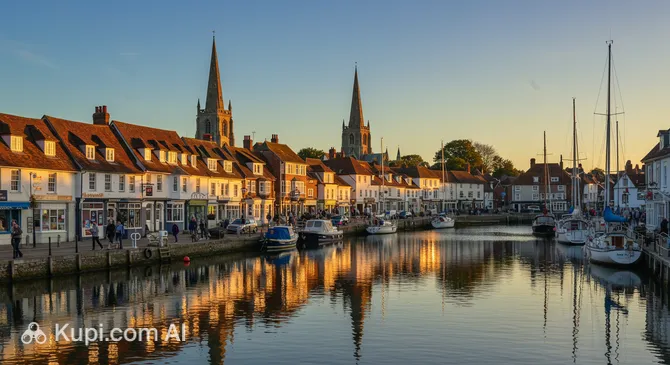
Lymington. Illustration.
Source: Kupi.com AI

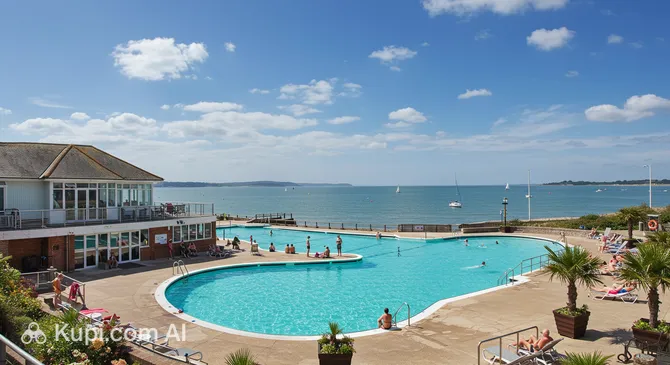
Lymington is widely known as a popular seaside resort and the recognized sailing capital of the region. Its harbor is always full of white yachts, and the quay buzzes with life, attracting tourists, local fishermen, and maritime enthusiasts. One of the town's key features is its proximity to the New Forest National Park, making it a true magnet for nature lovers and outdoor enthusiasts. The Lymington Sea Water Baths are also popular, offering refreshing recreation by the water.

If you dream of harmony with nature, appreciate English culture, and love leisurely walks through scenic spots, Lymington is an ideal choice for you. Here, you can enjoy the beauty of the New Forest National Park, take a ferry to the Isle of Wight, or simply relax while breathing in the fresh sea air. Visit Lymington to discover authentic England — cozy, welcoming, and surprisingly beautiful.

You can find more interesting facts on the history of Lymington page
Weather Overview

The weather in Lymington is characterized by a temperate maritime climate with mild seasons. Summers here are usually warm and pleasant. Average temperatures in the hottest months, July and August, hover around 17-18°C, with maximum values reaching about 21°C. Winters in Lymington are cool but not freezing. In January and February, the average temperature stays at 5-7°C, and the minimum rarely drops significantly below 3°C.

Precipitation in Lymington is fairly evenly distributed throughout the year, although the amount is small — averaging 2-4 mm per month. However, the number of rainy days varies from 10 (for example, in April and June) to 16 (in October), indicating frequent but generally not very heavy rain. Overall, tourists can expect a warm summer with occasional rainfall and a cool, damp winter. For more detailed information, check out the weather in Lymington page.

Average monthly temperature

Average monthly precipitation

Interesting Facts

Beyond its picturesque streets and coastal charm, Lymington hides many surprising stories and details that make it truly special. This town in Hampshire is not just a pretty point on the map of the United Kingdom, but a place with a rich heritage and curious features.

Lymington Sea Water Swimming Baths. Illustration.
Source: Kupi.com AI

Traveler photos:

  • Did you know that Lymington's history dates back to the 11th century, and in the Middle Ages, it was a major center for salt production? Traces of old salt ponds can still be found in the surrounding areas, serving as a reminder of its rich industrial past.

  • The town boasts one of the oldest open-air seawater swimming pools in the UK — Lymington Sea Water Baths, which opened back in 1833 and continues to attract swimming and outdoor activity enthusiasts to this day.

  • Lymington serves as an important departure point for ferries to the scenic Isle of Wight. This route is very popular among sailors and travelers, and the harbor itself often hosts sailing regattas and maritime festivals.

  • Lymington's picturesque landscapes and its lively harbor have inspired artists and photographers many times. The town is also associated with the names of famous sailors; for example, Captain Peter Duke, a renowned yachtsman, was a frequent visitor here.

How to Get There

Lymington is located on the south coast of England and has convenient transport links to the region's key hubs. To plan the best route, you can find out all the ways to get to the town, including flights and rail travel.

Lymington does not have its own airport, but travelers can use the air hubs of neighboring cities. The nearest is Bournemouth Airport (BOH), located in Bournemouth, just 21 km from Lymington. The journey by taxi or transfer will take about 50 minutes. Another convenient option is Southampton Airport (SOU), which is in Southampton, approximately 25 km from the center of Lymington (about a 1-hour journey). For international flights, the large London Gatwick Airport (LGW) is often chosen, located in London at a distance of 105 km. The trip from there will take about 3 hours.

For clarity, here is a summary of the main airports:

AirportPassenger trafficDistance
Bournemouth Airport1.1 mln21 km
Southampton Airport900 00025 km
Fairford (RAF Station)200 000104 km
London Gatwick Airport43.2 mln106 km
Bristol Airport9.8 mln108 km

If you prefer rail transport, it is worth considering major transit hubs in the region. Lymington itself does not have major mainline stations (though there is local service), so tourists often arrive via neighboring transport hubs. For example, Reading Station (XRE) in the city of Reading is approximately 87.5 km from Lymington. You can also use Bath Spa Station in the city of Bath, located 89.5 km away. From these large stations, you can continue your journey by local trains or road transport.

Below is information on major railway stations in the region:

StationPassenger trafficDistance
Reading railway station13.5 mln88 km
Bath Spa Railway Station6.1 mln89 km
Swindon Railway Station2.8 mln91 km
Brighton Station14.5 mln99 km
Bristol Temple Meads Station10.2 mln106 km

Main Attractions

Lymington, a charming port town in Hampshire, offers its guests several interesting spots to experience its atmosphere and history. Among them, two attractions stand out and should not be missed.

One of the main draws is the Lymington Sea Water Baths. This is a historic open-air seawater pool that takes pride in being one of the oldest and largest in the UK. Visitors can not only enjoy swimming in a unique setting but also have a great time thanks to various water attractions. This place is perfect for family vacations and for those interested in unusual historic structures.

Lymington Sea Water Swimming Baths. Illustration.
Source: Kupi.com AI

Traveler photos:

For those wishing to immerse themselves in the authentic atmosphere of an English pub and relax after a busy day, we recommend visiting The Red Lion. This traditional pub is famous for its coziness, a wide selection of local beers, and classic British snacks. The Red Lion is a wonderful opportunity to feel the local flavor, chat with Lymington residents, and enjoy the hospitality of old England.

Red Lion. Illustration.
Source: Kupi.com AI

Traveler photos:

Local Cuisine

The gastronomic scene in Lymington is a true feast for lovers of fresh produce, especially seafood. Located on the coast, the town offers an abundance of seafood caught in the waters of the Solent. Be sure to try the famous Lymington river oysters, renowned for their exquisite taste. Fresh mussels, crabs, and a variety of fish such as sea bass or plaice also shouldn't be missed. And, of course, the classic British dish — fish & chips — is prepared here with special skill using the freshest catch.

In addition to seafood, Lymington's cuisine delights with seasonal farm products. In local markets and restaurants, you will find fresh vegetables, aromatic cheeses, homemade pastries, and jams. For drinks, look out for traditional English cider and ale produced in the surrounding area. In summer, Lymington often hosts food festivals where you can fully enjoy the variety of local delicacies and immerse yourself in the festive atmosphere.

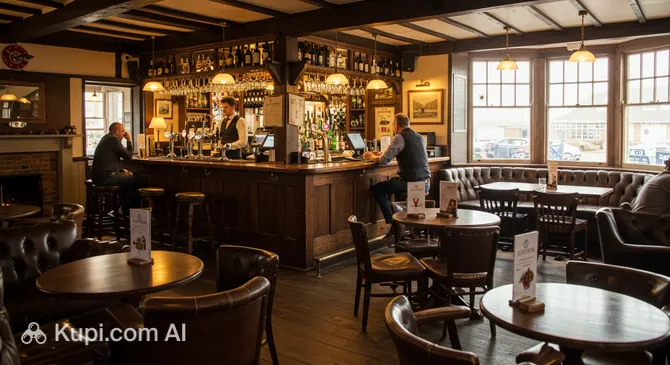
Dining culture in Lymington is diverse. Locals and tourists love spending time in atmospheric pubs that serve not just drinks, but hearty meals as well. One such place is The Red Lion, where you can experience true British hospitality. Seafood restaurants and cozy cafes are also popular, especially those located along the quay that offer fresh catch dishes with a view of the harbor. Street seafood stalls are also in demand, offering a quick and tasty snack.

Red Lion. Illustration.
Source: Kupi.com AI

Traveler photos:

For those with a sweet tooth, Lymington offers classic English desserts such as apple pie, various cakes, and dishes with clotted cream. Many coffee shops overlooking the picturesque harbor are the perfect place for a leisurely breakfast or traditional afternoon tea, allowing you to enjoy both the taste and the beautiful maritime views.

Travel Tips

Planning a trip to charming Lymington? Wonderful! To ensure your journey goes smoothly and leaves only pleasant impressions, we have prepared some practical tips to help you navigate this beautiful town in the United Kingdom.

  1. Clothing and items for the weather:

    The climate in Lymington, as in the rest of the United Kingdom, is quite changeable. It is best to bring clothing that can be layered, including a light jacket or raincoat even in summer. Comfortable shoes are your best friend, as the town and its surroundings are a pleasure to explore on foot. Don't forget an adapter for British sockets (type G). There is no special dress code for visiting most places, but a more elegant style may be suitable for evening outings to some restaurants.

  2. Getting around town:

    Lymington is a fairly compact town, and many of its interesting spots are within walking distance. Your main mode of public transport will likely be local buses, which connect different areas of the town and nearby settlements. Taxis are also available; check for local services or popular ride-hailing apps. Renting a car can be useful if you plan to explore the picturesque county of Hampshire, but for getting around Lymington itself, it is not always necessary.

  3. Financial matters:

    The local currency is the British Pound Sterling (£, GBP). Credit and debit cards (Visa, Mastercard) are widely accepted in most shops, restaurants, and hotels. ATMs are quite common. Before your trip, check with your bank for conditions on withdrawing cash abroad and possible fees. Tipping in restaurants is usually 10-15% of the bill if a service charge is not included automatically. In pubs, tipping for drinks at the bar is not mandatory but is always appreciated.

  4. Health and safety:

    Pharmacies (labeled "Pharmacy" or "Chemist") are available in the town. If medical assistance is needed, tourists can go to local medical facilities (NHS). It is highly recommended to have travel medical insurance. Lymington, like most towns of this size in the United Kingdom, is considered a safe place. However, always take standard precautions: keep an eye on your belongings, especially in crowded areas, and be vigilant after dark.

  5. Language and communication:

    The official language is English. It is used everywhere, and you will easily be able to communicate with the locals. Knowing basic polite phrases such as "Please," "Thank you," and "Excuse me" will always be helpful. A local SIM card for mobile internet and calls can be purchased at mobile phone shops or some supermarkets. Free Wi-Fi is often available in cafes, hotels, and some public areas.

  6. Local etiquette and communication:

    The British value politeness and restraint. It is customary to say hello ("Hello," "Good morning/afternoon/evening") and goodbye ("Goodbye," "Cheers" in informal settings). Queuing is a very important part of the culture; never try to jump the queue. When communicating with locals, try to be friendly but not intrusive. Loud conversations in public places or on transport are discouraged.

  7. What to avoid:

    Categorically do not try to bypass a queue — this is considered extremely impolite. Also, try to avoid publicly discussing sensitive topics such as politics or personal finances with people you don't know well, unless you are sure the conversation is appropriate.

  8. Extra tip for Lymington:

    Lymington is a charming port town in Hampshire. Be sure to walk along the quay, watch the yachts, and, if time permits, explore the beauty of the nearby New Forest National Park. This is a wonderful opportunity to enjoy the nature and sea air of the region.

We hope these tips make your stay in Lymington even more comfortable and memorable. This town in Hampshire is ready to offer you many pleasant discoveries and impressions. We wish you a wonderful journey!

Entertainment & Nightlife

Lymington, a charming port town in Hampshire, offers its guests a cozy and relaxed atmosphere for evening relaxation. While you won't find the noisy night clubs of a mega-city here, you will find plenty of traditional pubs and bars where you can enjoy a pleasant time after a full day.

The main evening life in Lymington is centered around the High Street and the picturesque Quay. Numerous pubs are located here, each with its own character. The atmosphere in them is generally friendly and laid-back, attracting both locals and tourists. Many establishments offer an excellent selection of local ales and ciders. One popular place to experience the spirit of a traditional English pub is The Red Lion. Here, you can enjoy drinks in a cozy setting. Besides this, on the High Street and in the Quay area, you will find other welcoming pubs where you can often hear live music in the evenings or participate in a pub quiz.

Evening venues usually start to fill up closer to the evening, especially on Fridays and Saturdays. There is no special dress code in most pubs; a casual style is welcomed. Prices for drinks and food are moderate, in line with British pub standards. You can get around the town center at night on foot, as the main spots are close to each other. For longer distances, local taxi services are available.

Lymington is considered a fairly safe town; however, as anywhere else, it is worth taking standard precautions after dark. Stick to well-lit streets and use a taxi if you are returning late.

During the day, Lymington also offers a variety of entertainment. You can visit the historic Lymington Sea Water Baths, which opened back in 1833 and are the oldest operating open-air sea baths in the UK. It is also worth strolling through the picturesque streets, browsing local shops, or exploring the harbor. For nature lovers, the surrounding area offers beautiful routes for walking and cycling, especially in the New Forest National Park located nearby.

Parks & Museums

Lymington, a charming port town in Hampshire, offers its guests a pleasant combination of picturesque green spaces for outdoor relaxation and interesting cultural sites that introduce the rich history and heritage of the region.

For nature lovers and outdoor enthusiasts, Lymington and its surroundings provide wonderful opportunities. Nearby lies the majestic New Forest National Park, offering vast expanses for walking and cycling among ancient forests and heathlands. In the town itself, a popular spot is the Lymington Sea Water Baths – one of the oldest and largest open-air seawater pools in the UK, where you can not only swim but also try various water sports. It is a great place for family holidays and active time outdoors. Local parks, such as Woodside Park or Bath Road Recreation Ground, offer well-kept green lawns for picnics and peaceful strolls.

Cultural life in Lymington is centered around several key locations. The main one is the St Barbe Museum and Art Gallery. This museum is dedicated to the history of Lymington and its surroundings, including the town's maritime past and its link to the New Forest. Exhibitions by both local and visiting artists are held here regularly, making it an important cultural center for the entire region. In addition to St Barbe, small private galleries showcasing the work of contemporary masters can be found in the town.

Strolling through Lymington, take note of its historic High Street with its charming Georgian and Victorian buildings, which house many independent shops and cafes. The area of the old Quay is also a historically significant site, offering beautiful views of the harbor and the Lymington River. This is the heart of the town, where its maritime spirit can still be felt.

For an authentic experience, we recommend turning off the busy streets and exploring the narrow cobbled lanes leading to the quay, or enjoying traditional English tea in one of the cozy cafes. It is also worth walking along the shore and watching the yachts and boats plying the Solent — this is an integral part of the Lymington atmosphere.

Getting Around

Public transport in Lymington consists mainly of buses and rail services, providing convenient travel both within the town and its surroundings, including access to the Isle of Wight. The system is simple enough for tourists to understand and use.

The primary mode of transport in Lymington and for trips to neighboring settlements is buses. Local routes are operated by several companies, linking the town with New Forest villages and larger cities in the region. Schedules and routes can be found at stops or on the operators' websites. Tickets are usually purchased directly from the driver upon boarding, with payment possible in cash or by contactless card. Day or week passes are also available, which can be cost-effective for frequent travel.

The railway connection plays an important role, especially for linking with the country's main rail network. There are two stations in Lymington: Lymington Town and Lymington Pier. The latter is located right by the ferry terminal. Trains run regularly to Brockenhurst station, where you can transfer to trains for London, Bournemouth, and other major cities. Train tickets can be bought at station ticket offices, from machines, or online in advance, which is often cheaper.

One of the key transport features of Lymington is the ferry service to the Isle of Wight. The company Wightlink operates regular services from Lymington Pier to Yarmouth on the Isle of Wight. This is a popular way to reach the island for both tourists and locals. It is recommended to buy ferry tickets in advance, especially during peak season, via the operator's website or at the pier ticket offices.

The payment system for travel is fairly standard. Buses accept cash and bank cards. For trains, tickets are bought at stations or online. Some bus operators may offer mobile apps for buying tickets and tracking transport. The fare depends on the distance and type of ticket. It is recommended to have both cash and a card for convenience.

Practical tips for tourists: Always check the current schedule, especially for bus routes, as it can change. Information boards and transport company websites are your best helpers. During peak hours, transport can be more crowded. If you plan to travel a lot by bus during the day, consider buying a day pass. Keep in mind that bus services in rural areas may be less frequent in the evenings and on weekends.

Among alternative ways to get around in Lymington, taxis are popular and can be ordered by phone or found at designated ranks. Given the town's location on the edge of the New Forest National Park, cycling is also an excellent option for exploring the area; there are bicycle rental points in the town. Car sharing is less common than in large metropolitan areas.

Accommodation

In Lymington, travelers will find a variety of accommodation options to suit different preferences and budgets. The town offers a wide choice: from cozy bed and breakfasts (B&Bs) and traditional pubs with rooms above to comfortable hotels and self-catering apartments. Cottages are also popular, especially for those seeking a more secluded holiday or traveling as a family.

Many tourists prefer to stay near the lively High Street, where shops, restaurants, and cafes are concentrated, or close to the picturesque Quay, which offers beautiful views and where boat trips depart. Areas adjacent to the New Forest National Park are also in demand among nature and outdoor activity enthusiasts, offering easy access to walking and cycling trails.

It is recommended to book accommodation in Lymington in advance, especially if your trip is planned for the peak season (summer months, bank holiday weekends) or during popular local events such as sailing regattas. You can find and book a suitable option through well-known online booking platforms or by contacting the chosen hotel or guest house directly. The price range varies from budget-friendly deals to more luxurious options, allowing you to find accommodation for any taste and wallet.

Nearby Cities

For those who want to explore the surrounding area, Lymington serves as an excellent starting point for day trips to several interesting nearby locations:

Among them, Southampton stands out — a major port city with a rich maritime history, where you can visit the SeaCity Museum dedicated to the "Titanic" and walk along the medieval city walls. No less attractive is Bournemouth, known for its magnificent seven-mile sandy beaches and lively resort atmosphere, ideal for seaside relaxation and water sports.

CityPopulationDistance
New Milton25 7178 km
Cowes14 72417 km
Christchurch54 21017 km
Southampton855 56919 km
Boscombe20 71921 km

These nearby destinations provide a glimpse into the diverse culture and landscapes of the region. Each trip promises new discoveries, whether they be historic landmarks, natural beauty, or vibrant city life.

Shopping & Souvenirs

Lymington offers a charming and relaxed shopping experience, far from the hustle and bustle of big cities. The town is famous for its independent boutiques, art galleries, and specialty shops where unique items can be found. Here, the emphasis is on quality and individuality rather than mass brands. Goods related to the sea and yachting are particularly popular, reflecting the town's coastal location.

The main shopping artery of Lymington is its picturesque High Street. Most shops are concentrated along this street and in the adjoining lanes, such as Quay Hill, which leads to the harbor. Here you will find everything from fashionable clothing and jewelry to books, antiques, and delicacies. A walk down the High Street is a pleasure in itself thanks to the beautiful architecture and cozy atmosphere.

Lymington does not have large modern shopping malls in the usual sense. Shopping here is more traditional and focused on individual shops along the streets. However, you may come across small shopping arcades or courtyards that bring several boutiques together under one roof, adding charm to the shopping process.

One of the main highlights for shopping enthusiasts in Lymington is the famous Saturday Market, held on the High Street. It is one of the oldest street markets in the region, attracting both locals and tourists. Here you can buy fresh local produce, flowers, clothing, souvenirs, antiques, and much more. The atmosphere at the market is very lively and friendly.

Worth bringing back from Lymington are souvenirs that reflect its maritime spirit and local character. Nautical-themed items (ship models, home decor), works by local artists and craftspeople, and handmade jewelry are all popular. Also, look out for local delicacies, such as jams, honey, or products from small Hampshire breweries.

Most shops in Lymington are open from Monday to Saturday, usually from 9:00/10:00 to 17:00/18:00. Some small independent shops may have shorter hours or close for a lunch break. Many shops are also open on Sundays, but the working hours are generally shorter (for example, from 10:00/11:00 to 16:00/17:00). Bank cards (Visa, Mastercard) are accepted everywhere, including contactless payments. Cash is also used, especially at the market.

For tourists shopping in the United Kingdom, it is important to know that since January 1, 2021, the VAT Retail Export Scheme, which allowed for tax refunds on goods taken out of the country in personal luggage, was abolished for purchases made in England, Scotland, and Wales. The possibility of Tax Free shopping remains only for goods that the seller sends directly to an address outside the UK.

Reached the end of the page?

That means the route is fully explored