Support

Abbeydale Industrial Hamlet

About

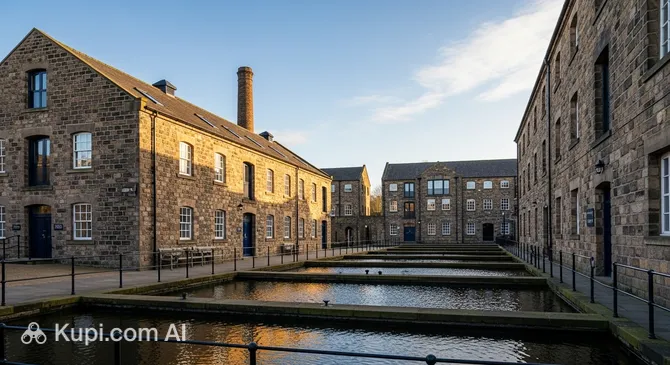
Want to see how the glory of the industrial power that Great Britain is proud of was forged? Abbeydale Industrial Hamlet is a unique open-air museum located in the southern part of Sheffield. It is a beautifully preserved 18th-19th century complex where time seems to have stood still at the dawn of the steel industry.
Abbeydale Industrial Hamlet
Abbeydale Industrial Hamlet. Иллюстрация. Источник: Kupi.com AI

This site is part of the Sheffield Museums group and is rightfully considered one of the most important monuments of industrial heritage. Here, you will find more than just exhibits behind glass; you'll see real workshops with crucible furnaces, water wheels, and massive hammers that once ran on the power of the River Sheaf. This place vividly demonstrates how the famous Sheffield scythes and tools were created.

The atmosphere of the hamlet is steeped in the spirit of the Industrial Revolution. In addition to the production facilities, residential buildings have been preserved: the Manager's House and the Worker's Cottage, which allow you to compare the lifestyles of different social classes of that era. Thanks to its high ratings and historical authenticity, Abbeydale remains one of the most visited and beloved tourist attractions in the region.

Contacts

For the latest information on events or group tours, you can contact the museum administration directly.

How to contactContact
AddressAbbeydale Rd S, Beauchief, Sheffield S7 2QW, Великобритания
Phone+44 114 278 2600
Websitewww.sheffieldmuseums.org.uk

What to Do

The main reason to visit Abbeydale Industrial Hamlet is the chance to see historic machinery in action. You can see with your own eyes the huge water wheels and the famous trip hammers used for forging steel. Of particular interest are the crucible furnaces—a rare example of metal-smelting technology that brought world fame to local craftsmen.

A walk through the hamlet includes exploring workshops where life once bustled. You can step into the preserved residential houses to see the conditions in which steelworkers and their families lived. Friendly volunteers and museum staff often lead tours, sharing fascinating stories about daily working life and the technological secrets of the past.

For photography enthusiasts, this place is a real find: the combination of ancient stonework, massive wooden structures, and industrial artifacts creates an incredible visual narrative. Special demonstrations of the equipment in action are often held, turning an ordinary museum visit into an exciting interactive adventure for both adults and children.

Getting There

Getting to this historic spot is quite easy. If you prefer public transport, buses (routes 25, 53, and 120) run regularly from Sheffield city center, taking you to the Abbeydale Road stop, located just a couple of minutes' walk from the entrance.

For those traveling by car, the journey from the center takes about 15–20 minutes via Abbeydale Road South (A621). Parking for visitors is provided on the museum grounds. You can also use taxis or ride-sharing apps to reach the site.

If you enjoy train travel, the nearest railway station is Dore & Totley. From there, you can walk to the industrial hamlet in about 10–15 minutes while enjoying views of the suburbs.

Ближайший город: Sheffield

History & Facts

The history of this site dates back to the distant past: evidence of metalworking on the banks of the River Sheaf dates as far back as the 1200s. For five centuries, iron was forged here, and in the 18th century, the hamlet transformed into a powerful production center where the famous Sanderson Brothers company established itself.

During the Industrial Revolution, Abbeydale became the heart of agricultural tool production. It was here that the full production cycle for the famous Sheffield scythes and edge steel was mastered. A unique feature of the works was the use of the crucible method of steel melting in special furnaces, which allowed for the production of exceptionally high-quality metal.

Notably, the complex has preserved the Darnall Works, built in 1835. Today, this site is recognized as a monument of national importance, as it demonstrates the transition from manual labor to mechanized production using water and steam power, which helped make Sheffield the steel capital of the world.

Time Needed

To leisurely explore all the buildings, peek into the workshops, and soak up the atmosphere of the old factory, it is recommended to set aside about 2–3 hours for your visit. This is plenty of time for self-guided exploration of the grounds and reading the information displays.

If your visit coincides with days of live machinery demonstrations or themed tours, your stay may be longer. In any case, it’s an excellent option for an educational half-day outing.

Working Hours

The museum is typically open to visitors from Tuesday to Sunday. Standard opening hours are from 10:00 to 16:00, although during the summer season, visiting hours are sometimes extended until 17:00. Mondays are usually closing days.

Since the schedule can change depending on the season or special events, we strongly recommend checking the official website or calling the contact number before your trip to ensure the complex is open.

Nearby

After immersing yourself in Sheffield's industrial history, it's worth checking out other interesting places in the area. Exploring the surroundings will allow you to change the pace—from educational walks in parks to active recreation in entertainment centers.

NameDistance
Ecclesall Woods0.6 km
Graves Park2.7 km
Graves Park Animal Farm3.3 km
Bishops' House3.4 km
Endcliffe Park3.8 km
Sheffield Botanical Gardens4.3 km
Heeley City Farm4.3 km

Reached the end of the page?

That means the route is fully explored