Support

Doxey Marshes

About

Imagine endless wet meadows and mirror-like waters stretching across 150 hectares. Doxey Marshes is a unique nature reserve in the River Sow floodplain, considered one of the most important ornithological sites that Great Britain takes pride in.
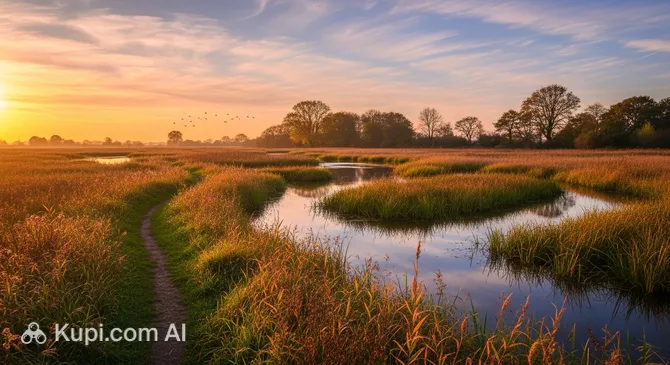
Doxey Marshes
Doxey Marshes. Иллюстрация. Источник: Kupi.com AI

This picturesque corner of nature is located just a couple of miles from the center of Stafford. The reserve holds the prestigious status of a Site of Special Scientific Interest (SSSI) thanks to its wet pastures and reed beds, which have become home to many rare birds and mammals.

Here you can encounter not only graceful lapwings and snipes but also secretive residents like otters and water voles. The diversity of flora and fauna makes Doxey Marshes a must-visit for anyone seeking tranquility and wanting to touch the wild without traveling far from urban civilization.

Contacts

To obtain access codes for the bird hides or clarify visiting details, it is recommended to contact the administration through the main reserve management center.

Below is the contact information for reaching representatives of the Staffordshire Wildlife Trust:

How to contactContact
AddressWootton Dr, Stafford ST16 1PU, Великобритания
Phone+44 1889 880100
Websitewww.staffs-wildlife.org.uk

What to Do

The main activity here is, of course, birdwatching. The reserve is equipped with two special bird hides and three viewing platforms offering excellent views of the pools. Be sure to bring binoculars: in spring, you can see the acrobatic displays of lapwings, and in winter, vast flocks of wigeons and mallards.

Hiking enthusiasts will enjoy the winding trails that pass by ancient willows and flowering meadows. During the warmer months, grazing cattle can be seen on the territory — this is a traditional method for keeping the grass short, which is necessary for bird nesting. If you are traveling with children, they will surely enjoy pond dipping from the special platforms.

Don't forget to visit the Warren’s Lane area, home to bats and rare musk beetles. The landscape changes with every season: in summer, the meadows are covered in a carpet of buttercups and cuckoo flower, and in autumn, migratory species such as black-tailed godwits arrive, turning the reserve into a bustling wildlife aviation hub.

Getting There

Reaching this natural sanctuary is easy, as it is located just a couple of miles from the city center. If you are traveling by private car, the main parking area is at the end of Wootton Drive, near the A513 (Eccleshall Road). The reserve is conveniently accessible from Junction 14 of the M6 motorway.

For those who prefer public transport, bus routes along Eccleshall Road are suitable. From the stop, you will need to walk a short distance following the signs. The reserve is also easily reachable by taxi from the railway station or by walking directly from the center, enjoying the views along the way.

Entrance to the protected area is via special "kissing gates." It is worth noting that there are no toilets on-site; however, part of the trail network is designed to be accessible for wheelchair users.

Ближайший город: Stafford

History & Facts

The landscape we see today was largely shaped by human activity and geological features. In the 1950s, characteristic water bodies known as "flashes" appeared. These were created as a result of ground subsidence caused by historic salt (brine) extraction in the vicinity of the town.

Special attention is given to the ancient willows in the reserve. For centuries, the method of pollarding — pruning branches at a certain height — has been applied to them. This traditional technique not only extends the life of the trees but also creates ideal nesting niches for birds and habitats for bats and rare beetle species, such as the musk beetle.

In recent years (2016–2017), large-scale work was carried out for the revitalization of the River Sow. Ecologists restored the natural curves of the riverbed and created new islands. Thanks to these efforts, the reserve has confirmed its status as a Site of Special Scientific Interest (SSSI), remaining home to nationally important populations of lapwings and snipes.

Time Needed

For a quick introduction to nature and a brief walk along the main trails, 1–2 hours may be quite enough. This is sufficient time to reach the nearest viewing platform and take some beautiful landscape photos.

However, for dedicated birdwatchers and fans of long hikes, we recommend setting aside at least 3 hours for your visit. This will allow you to leisurely visit all the bird hides, explore the far corners of the reserve, and wait for the appearance of rare inhabitants that don't always show themselves to tourists immediately.

Working Hours

Doxey Marshes Nature Reserve is hospitably open to visitors 24 hours a day, daily. You can plan your visit for any convenient time, whether it's early morning to meet the sunrise along with birdsong or pre-sunset hours for a peaceful stroll.

Despite 24/7 access, we recommend checking the official website of the Staffordshire Wildlife Trust before your trip. Important updates regarding trail conditions after heavy rain or information about seasonal restrictions in nesting areas may be posted there.

Круглосуточно

Nearby

After finishing your walk through the marshes, it is worth spending time exploring other interesting places in the vicinity. Stafford offers many historical and cultural sites that will harmoniously complement your journey through central England.

Here is a list of nearby attractions that may interest you:

NameDistance
Pepe's1.3 km
Stafford Rugby Union Football Club1.7 km
Anatolian Palace2 km
Stafford Castle2.8 km
Stafford Luxe Bar2.9 km
Riverside Stafford3 km
Queens Shopping Park4.2 km

Reached the end of the page?

That means the route is fully explored