Support

Torquay

About

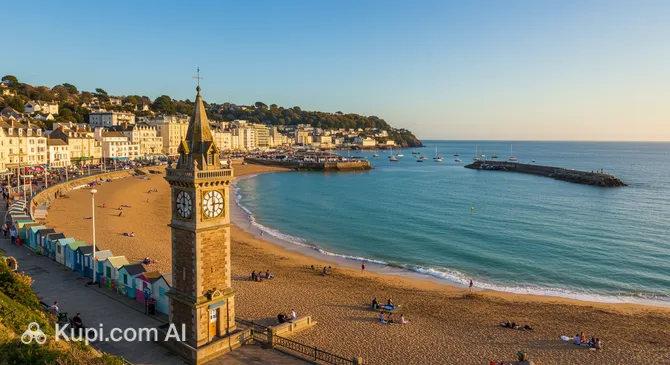
Torquay is a true gem on the south coast of Great Britain, nestled in Torbay, an area often referred to as the English Riviera. The town is famous for its mild marine climate, pristine beaches, and picturesque promenades that create an atmosphere of serene relaxation. The air here is filled with the scent of salt and blooming gardens, and the town itself is surrounded by green hills and rocky shores, making it an ideal place for walking and admiring nature.
Torquay. Illustration.
Source: Kupi.com AI

With a population of about 65,000 people, Torquay is part of the county of Devon and is rightfully considered one of the most famous resorts in the country. Its compact size makes the town especially cozy and friendly, while its developed infrastructure ensures a comfortable stay for travelers of all ages. The main charm of Torquay is its relaxed atmosphere. It's easy to feel like a character in an English novel here: leisurely walks along the promenade, a cup of tea overlooking the yachts, old mansions surrounded by greenery, and friendly locals always ready to help.

Torquay attracts tourists not only with beach holidays but also with its rich cultural heritage. Among its unique features are Kents Cavern, one of the most important prehistoric sites in Europe, and Torre Abbey with its magnificent gardens and art galleries. Literature lovers will appreciate the fact that Torquay is the birthplace of the famous writer Agatha Christie, and here you can follow the "Agatha Christie Mile," visiting places associated with her life and work.

Torquay is a town worth visiting for its unique combination of magnificent nature, interesting architecture, and rich culture. It is perfect for family vacations, romantic holidays, or an inspiring seaside retreat. Come to Torquay to forget the hustle and bustle and enjoy life in one of the most charming corners of the English Riviera!

You can find more interesting facts on the history of Torquay page.

Weather Overview

The weather in Torquay is characterized by a mild maritime climate. Summers are moderately warm, with average temperatures in July and August around 16.6°C, while maximum values can reach 19-20°C. Winters are cool but not freezing: in January, the average temperature is about 6.0°C, with minimum temperatures rarely falling significantly below 3-4°C. Rainfall is distributed throughout the year, but the wettest months, with a higher number of rainy days, are March, October, and December, when 3-4 mm of precipitation falls and there are up to 16-17 rainy days. Overall, expect a mild summer with occasional rain and cool, wetter winters.

For more detailed weather information, including monthly forecasts, you can check the Torquay Climate page.

Average monthly temperature

Average monthly precipitation

Interesting Facts

Beyond its famous beaches and Victorian architecture, Torquay hides many surprising stories and facts that make it even more attractive to curious travelers. Here are just a few of them:

Kents Cavern. Illustration.
Source: Kupi.com AI

Traveler photos:

  • In Kents Cavern, one of the town's main attractions, some of the oldest traces of prehistoric human presence in Europe were discovered, dating back over 40,000 years. This makes it not just a tourist site, but one of the UK's most important archaeological monuments.

  • Torquay is the birthplace of the "Queen of Crime," Agatha Christie. She was born and spent her youth here, and the local landscapes and atmosphere inspired many of her famous works. The town hosts an international festival dedicated to her work every year.

  • The town is often called the "English Riviera" not only for its picturesque views but also for its surprisingly mild climate for the United Kingdom. Torquay regularly ranks among the sunniest towns in the country, making it a wonderful place for a seaside holiday.

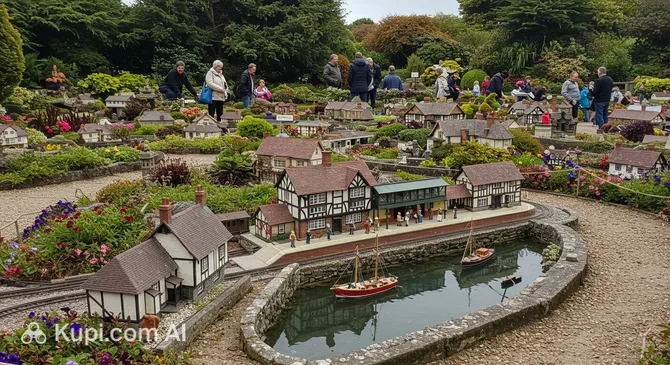
  • One of the most charming and unusual attractions is the Babbacombe Model Village. Here you can walk among thousands of tiny figures, buildings, and vehicles recreating scenes of British life in miniature, and feel like a true giant.

How to Get There

You can reach Torquay, a charming resort town on the English Riviera in the county of Devon, in several ways, with air travel and rail links being the most popular for tourists.

If you prefer air travel, the nearest airport to Torquay is Exeter International Airport (IATA: EXT), located about 31 km away. This is a regional airport from which you can reach central Torquay by taxi or bus in approximately 1 hour to 1 hour 15 minutes. A larger international hub offering a wide choice of flights is Bristol Airport (IATA: BRS), located in the city of Bristol at a distance of about 117 km from Torquay. A trip from Bristol Airport to Torquay by car or public transport takes approximately 3 hours 15 minutes.

For convenience, here is summary information on the main airports used to reach Torquay:

AirportPassenger trafficDistance
Exeter International Airport453 00031 km
Newquay Cornwall Airport407 609104 km
Cardiff Airport928 000105 km
Bristol Airport9.8 mln117 km
Bournemouth Airport1.1 mln124 km

Rail travel is also a convenient option for a trip to Torquay. The town has its own railway station (Torquay Railway Station), which has regular connections with major cities, including London and Birmingham. If you are considering routes through nearby hubs, one of the closest stations is St Thomas Station (IATA: EXS), located in the city of Exeter, about 28 km from the center of Torquay. From there, you can reach the resort by local train, bus, or taxi, which takes about 45-60 minutes.

Here is information on some railway stations in the vicinity from which you can continue your journey to Torquay:

StationPassenger trafficDistance
Bridgwater Railway Station442 18883 km
Par Railway Station204 85085 km
St Austell Railway Station478 83491 km
Falmouth Railway Station247 000115 km
Cardiff Central Station10.2 mln115 km

Additionally, Torquay is easily accessible by car, as the town has good road links with the UK's main motorway network. Upon arrival in the town, local buses or taxi services can be used for getting around.

Main Attractions

Torquay, a charming resort town on the English Riviera coast, offers its guests many interesting places to visit. Here, everyone will find something to their liking: from ancient caves and historical abbeys to picturesque parks and unique museums.

One of the town's main gems is Torre Abbey. This historical building, founded in 1196, is now a museum and gallery with beautiful gardens. Visitors can explore the ancient rooms, learn about the abbey's rich history, and enjoy the art collection. Of particular interest is the garden inspired by the work of Agatha Christie, who spent much time here.

Torre Abbey. Illustration.
Source: Kupi.com AI

Traveler photos:

History buffs should definitely visit Kents Cavern – one of the most significant prehistoric caves in Europe. Traces of ancient humans and extinct animals have been found here. Guided tours of the caves allow you to dive into the distant past and see impressive geological formations. This place will be interesting for both adults and children fascinated by history and paleontology.

Kents Cavern. Illustration.
Source: Kupi.com AI

Traveler photos:

For a family holiday, the Babbacombe Model Village is perfect. This amazing miniature park reproduces scenes from life in England and other countries, with thousands of tiny figures and buildings. The level of detail in the models is staggering, and the evening illumination gives the park a special charm. It's a great place for a walk and creating fun photos.

Babbacombe Model Village. Illustration.
Source: Kupi.com AI

Traveler photos:

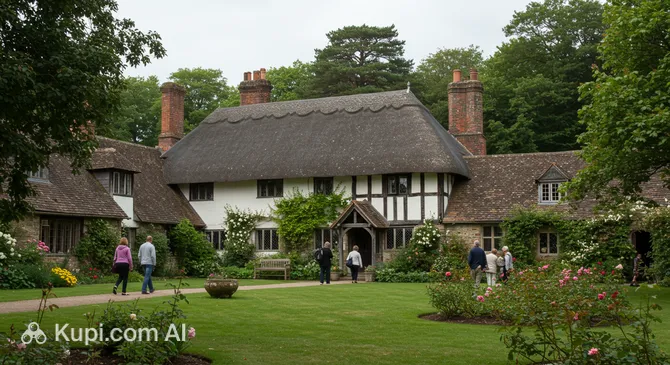
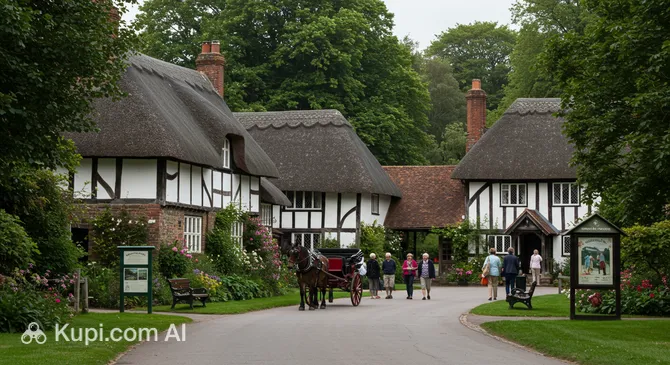
No less attractive is Cockington Court – a picturesque estate with a historic manor house, craft workshops, and a beautiful park. Here you can stroll through manicured gardens, visit the studios of local artists and craftsmen, watch them work, and purchase unique souvenirs. Various events and exhibitions are often held here, making the visit even more fulfilling.

Cockington Court. Illustration.
Source: Kupi.com AI

Traveler photos:

It is also worth paying attention to the Torquay Museum, where you can learn more about local history, geology, and the town's connection with Agatha Christie. For lovers of water activities, the Splashdown Quaywest water park is a great choice, and a walk along Paignton Pier will offer beautiful views of the coast.

Local Cuisine

The gastronomic scene in Torquay is a true paradise for seafood lovers. Located on the coast of the English Riviera, the town offers an abundance of the freshest seafood. Local restaurants serve the famous Devon crab, oysters, mussels, and a variety of fish caught daily in the bay. This is the foundation of the local cuisine, appreciated by residents and visitors alike.

One of the most iconic dishes that is a must-try is the classic fish & chips. It is best enjoyed on the waterfront, where it's prepared according to traditional recipes – a crispy golden batter and tender fish inside make for an excellent culinary experience. Another hallmark of the region is the famous Devonshire cream tea. This is a whole ceremony involving warm homemade scones, thick Devon clotted cream, and fragrant strawberry jam. This tea is an integral part of the local culture.

Regarding drinks, in addition to traditional tea, which perfectly complements Devonshire scones, local ales and ciders typical of South West England are popular in Torquay. In numerous pubs, you can sample various types of beer from local breweries. Non-alcoholic options include freshly squeezed juices and lemonades, which are particularly refreshing in warm weather.

Belgrave Sands Restaurant. Illustration.
Source: Kupi.com AI

Traveler photos:

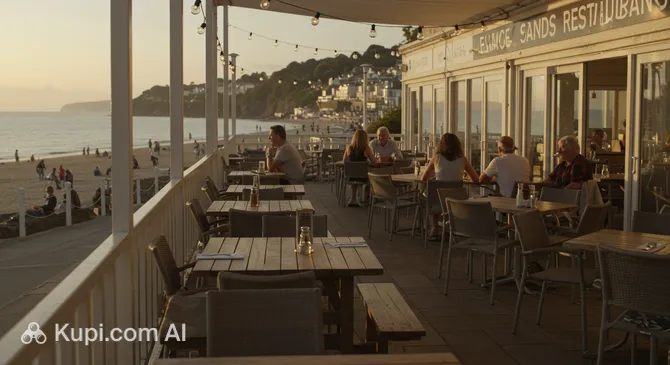
Dining culture in Torquay is diverse. Locals and tourists often choose restaurants overlooking the sea to enjoy the day's fresh catch. A great example of such an establishment is the Belgrave Sands Restaurant. Traditional pubs are also popular, where you can have a hearty lunch and immerse yourself in an authentic atmosphere. Don't overlook the farmers' markets either, where you can buy fresh vegetables, fruits, local cheeses, and artisanal products. Street food, especially during festivals, also plays an important role, offering quick and tasty snacks.

The culinary life of Torquay is not limited to everyday meals. The town is known for its food festivals, especially summer street food fests and outdoor seafood tastings. These events attract foodies from all over England and allow you to try both traditional dishes and modern culinary creations. Overall, the Torquay gastro-scene is characterized by fresh ingredients, a commitment to tradition, and a welcoming atmosphere.

Travel Tips

Planning a trip to the charming coastal town of Torquay? To ensure your journey along the English Riviera goes smoothly and leaves only pleasant impressions, we have prepared some practical tips. They will help you find your way around better and enjoy every moment in this picturesque corner of Great Britain.

  1. Clothing and gear for the weather: The climate in Torquay, as in all of South West England, is changeable. Even in summer, evenings can be cool. Bring layered clothing, and be sure to include a waterproof jacket or umbrella. Don't forget comfortable shoes for walking along the coast and hilly terrain. You will also need an adapter for British sockets (Type G).
  2. Getting around town: Central Torquay is pleasant to explore on foot. For longer trips, there is a well-developed network of local buses. Taxis are available, and popular ride-hailing apps also work. Renting a car can be convenient if you plan to explore the Devon countryside, but note that parking in popular spots can be paid and limited.
  3. Financial matters: The local currency is the British Pound Sterling (£). Bank cards (Visa, Mastercard) are accepted almost everywhere. ATMs are easy to find. It's best to exchange currency at banks or official exchange offices. An estimated daily budget can vary, but for a comfortable stay (mid-range accommodation, meals, transport, and some entertainment), you should count on £70-£150 per person per day, excluding major excursions or shopping. Tipping in restaurants is usually 10-15% if a service charge is not included; in pubs, tipping is not mandatory, but rounding up the bill is appreciated.
  4. Health and safety: Pharmacies (Boots, LloydsPharmacy, and local ones) are easy to find in the town center, but 24-hour ones may not be available – check opening hours. If you need medical assistance, contact local clinics or Torbay Hospital. Torquay is generally a safe town, but standard precautions, especially in crowded areas and at night, are still wise.
  5. Language and connectivity: The official language is English. Staff in the tourism sector generally speak it well. Knowing basic English phrases like "please," "thank you," and "excuse me" will be very helpful and appreciated by locals. Free Wi-Fi is available in many cafes, hotels, and public places. A local SIM card can be purchased in supermarkets or mobile phone shops. It's also worth looking for useful local apps, such as for bus schedules or tourist information for the English Riviera.
  6. Local etiquette: The British value politeness. Words like "please," "thank you," and "sorry" are used very often. Respect the queue – it's an important part of the local culture. When interacting with locals, be friendly and reserved.
  7. What to avoid: Try not to litter, especially on beaches and in parks – fines are in place for this. Also, avoid excessively loud behavior in public places, especially in residential areas in the evening.
  8. Additional advice: Be sure to check tide times if you plan on beach walks or visiting coastal caves – this is very important for safety and the best experience. And don't miss the chance to explore part of the unique English Riviera UNESCO Global Geopark!

We hope these tips help you feel at home in Torquay and get the most out of your trip. We wish you an unforgettable holiday on the Devon coast!

Entertainment & Nightlife

As evening falls, Torquay comes alive, offering guests a variety of options for relaxation and entertainment. While it isn't a metropolis with 24-hour clubbing, there are definitely places to have a good time after sunset, especially during the tourist season. Most evening activity is concentrated around the picturesque harbor, particularly on The Strand and Vaughan Parade, as well as on the main pedestrian streets of the center, such as Fleet Street, where many bars and restaurants are located.

The atmosphere in most of Torquay's establishments is quite relaxed and friendly. Traditional British pubs prevail, where you can enjoy local beers and ales, alongside stylish bars with extensive cocktail menus. Some venues offer live music in the evenings – ranging from acoustic performances to DJ sets. As for nightclubs in the classic sense, there are only a few in Torquay; rather, some large bars transform into lively venues with dance floors and music until late at night. Organized night markets are not typical for Torquay; evening entertainment here is more focused on gastronomy and socializing in bars. The dress code is mostly casual, though smart-casual may be appropriate for some trendy bars or restaurants. Most pubs are open until 11:00 PM or midnight, while bars and music venues may stay open later, especially on Fridays and Saturdays.

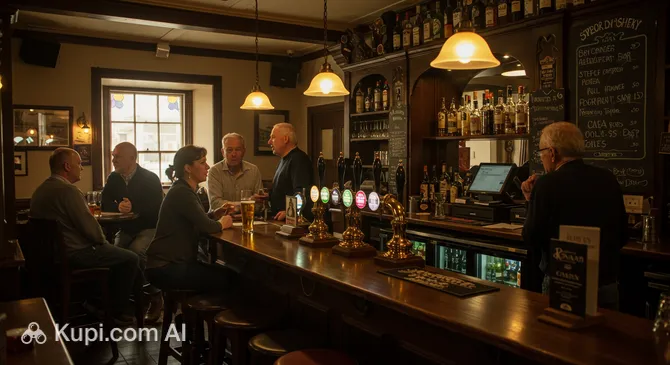
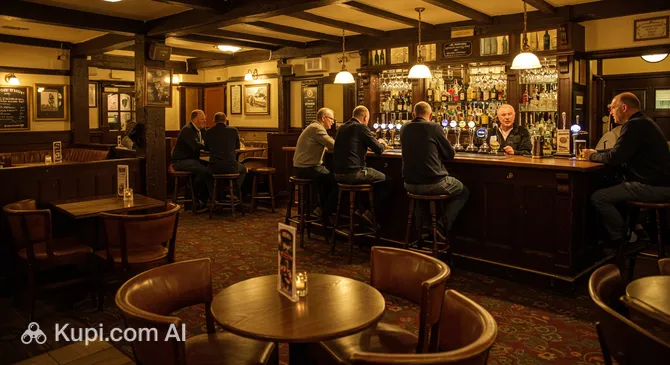
Popular spots for evening relaxation include the traditional Babbacombe Inn, known for its cozy atmosphere and good selection of drinks. Another place worth visiting is the Hare and Hounds bar, where you can enjoy time with friends in a lively setting. For a more refined dinner or an evening cocktail in an elegant atmosphere, the Belgrave Sands Restaurant is a perfect choice.

Babbacombe Inn. Illustration.
Source: Kupi.com AI

Traveler photos:

The Hare & Hounds. Illustration.
Source: Kupi.com AI

Traveler photos:

Practical Tips: The best time to visit bars and pubs is in the evening, starting around 7:00 PM - 8:00 PM when the town comes to life. Prices for drinks and food vary: traditional pubs are generally more affordable, while stylish bars and restaurants with harbor views may be pricier. At night, it's convenient to get around town by taxi; it's recommended to book them in advance by phone or via local apps, or to use official taxi ranks. Public transport runs significantly less frequently late at night.

Torquay is considered a fairly safe city for evening walks, especially in the busy tourist areas near the harbor and in the center. Nevertheless, as with anywhere else, usual precautions should be taken: stick to well-lit streets, especially if you are alone, and keep an eye on your personal belongings. You can call a taxi by phone, through mobile apps, or find one at designated ranks.

During the day, Torquay also offers plenty of entertainment for the whole family and culture lovers. You can immerse yourself in the region's history by visiting the Torquay Museum, or have fun on the water slides at the Splashdown Quaywest water park. Fans of unusual attractions will surely enjoy the famous Babbacombe Model Village. And if you're looking for dinner in a special atmosphere, take a look at the Palace Theatre, which, despite its name, is a popular restaurant offering a pleasant setting for an evening meal.

Parks & Museums

Torquay offers a delightful blend of natural beauty and cultural discovery, with its lush parks, scenic coastal areas, and fascinating museums waiting to be explored.

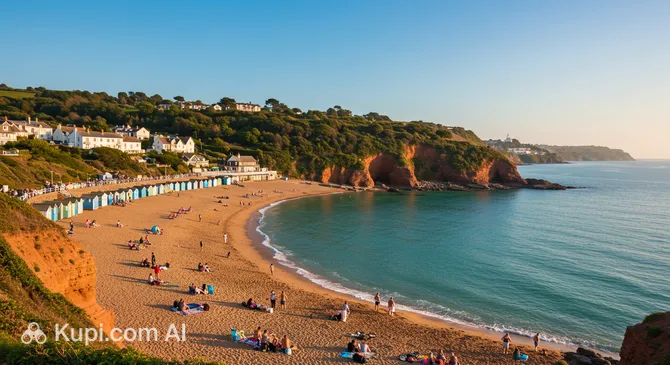
Among the city's green gems is Cockington Park, a vast expanse of parkland, gardens, and woodland surrounding the historic Cockington Court. It is an ideal place for leisurely walks, picnics, and enjoying the picturesque scenery with its ornamental lakes and manicured paths. Equally attractive is Oddicombe Beach, a shingle beach at the foot of red sandstone cliffs, accessible by the historic Babbacombe Cliff Railway. It offers stunning views and is a great spot for swimming and water sports.

Cockington Country Park. Illustration.
Source: Kupi.com AI

Traveler photos:

Oddicombe Beach. Illustration.
Source: Kupi.com AI

Traveler photos:

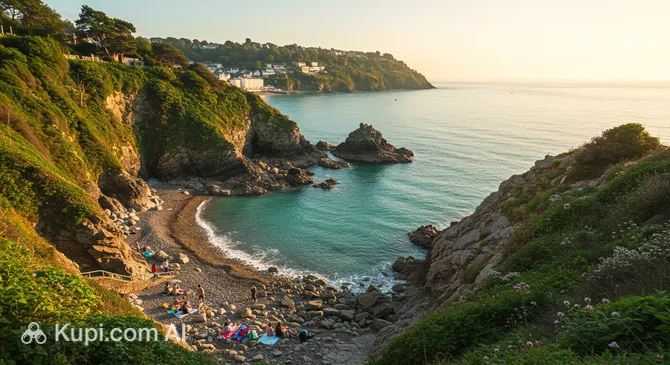
For those seeking a more secluded coastal retreat, Fairy Cove is a real find. This charming and secluded shingle cove is known for its peaceful atmosphere and is perfect for quiet relaxation and a little exploring.

Fairy Cove. Illustration.
Source: Kupi.com AI

Traveler photos:

The cultural life of Torquay is just as rich. To dive into local history, visit the Torquay Museum. Here you will find exhibits covering everything from prehistoric times to the Victorian era, including a notable gallery dedicated to Agatha Christie, who was born in the town. The museum offers a comprehensive look at the region's heritage.

Torquay Museum. Illustration.
Source: Kupi.com AI

Traveler photos:

Another landmark site is Torre Abbey, a historic monastery founded in 1196, now a museum and art gallery. Explore its ancient buildings, impressive art collections, and beautiful formal gardens. It is one of the best-preserved medieval monasteries in Devon.

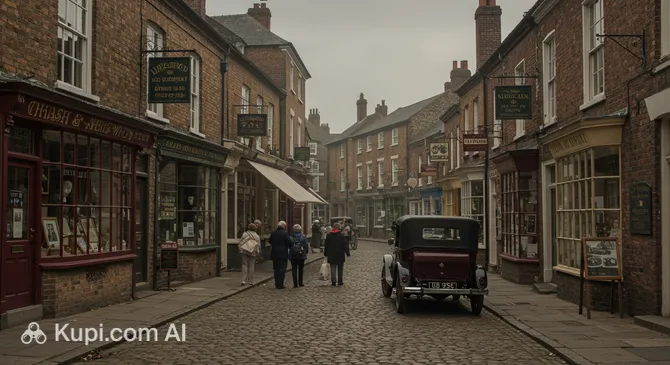
A unique experience is a visit to Bygones – a museum that transports you back in time to a life-size Victorian street, complete with shops, a pub, and even a nursery. It's an immersive dive into the daily life of a bygone era for all ages. Nearby, surrounded by Cockington Park, is Cockington Court. This historic manor house is now a center for arts and crafts, where visitors can tour the house, watch master craftsmen at work in their studios (glassblowers, blacksmiths, and more), and enjoy the surrounding gardens.

Bygones. Illustration.
Source: Kupi.com AI

Traveler photos:

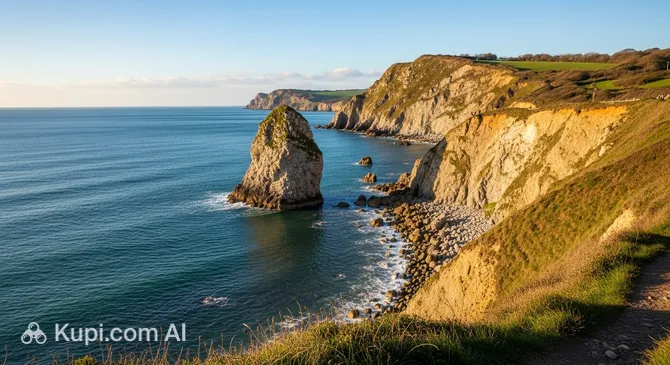
For an authentic experience and a local's tip: take a walk along part of the South West Coast Path, perhaps towards Thatcher Point, which offers breathtaking coastal views, especially at sunset. It's a wonderful way to appreciate the natural beauty that defines Torquay.

Thatcher Point. Illustration.
Source: Kupi.com AI

Traveler photos:

Getting Around

Public transport in Torquay offers several convenient ways to get around the town and its surroundings. The backbone of the transport system is the bus network, which runs on numerous routes connecting the town center with residential areas, beaches, and neighboring towns. Buses are the most accessible and popular mode of transport for both tourists and locals.

The bus fare system is quite flexible. You can buy a ticket directly from the driver, paying with cash (preferably exact change) or a contactless bank card. Day and week passes are also available, which can be cost-effective for frequent travel. Some bus companies offer mobile apps where you can check schedules, plan routes, and buy tickets online. Fares vary depending on the distance and type of ticket.

In addition to buses, Torquay has a railway station that connects the town with other parts of Great Britain. Trains can be convenient for trips to neighboring towns such as Paignton or Newton Abbot. Train tickets can be purchased at station ticket offices, from machines, or online. During the summer season, boat trips and ferries connecting Torquay with other coastal towns like Brixham are popular. This is not just a way to get around, but also a great opportunity to enjoy coastal views.

One of Torquay's unique transport features is the Babbacombe Cliff Railway, which connects Oddicombe Beach with the top of the Babbacombe cliff. It is both a means of transport and a popular attraction offering scenic views. Public transport hours usually cover most of the day, but intervals may increase in the evenings and on weekends. It is recommended to check current schedules on transport company websites or apps.

As an alternative to public transport, taxis are always available in Torquay. They can be found at designated ranks, called by phone, or through mobile apps. For short distances, especially along the waterfront or in the town center, many prefer walking. Bicycle hire is also available, but keep in mind that the terrain in Torquay and its surroundings is quite hilly, which may require a certain level of fitness.

Accommodation

Torquay, as a popular coastal resort, offers a wide range of accommodation options to suit all preferences and budgets. Here you will find charming bed and breakfast (B&B) guest houses, traditional inns, comfortable mid-range hotels, as well as apartments and self-catering homes. For those seeking a more luxurious stay, the town also features higher-end hotels.

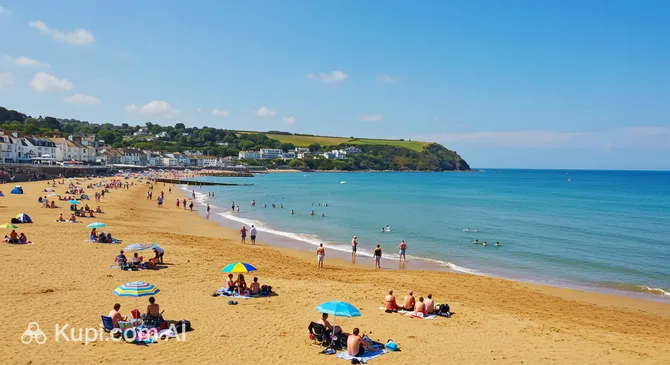
Many tourists prefer to stay near the bustling harbor area, which provides easy access to restaurants, shops, and boat trips. Areas around popular beaches, such as Torquay Beach or Oddicombe Beach, are also in high demand, especially during the summer months. Staying closer to the town center offers convenience for exploring local attractions, such as the Torquay Museum, or for evening entertainment. Areas offering a quieter atmosphere, such as the vicinity of the picturesque Cockington Court, are also popular.

Torquay Beach. Illustration.
Source: Kupi.com AI

Traveler photos:

The cost of accommodation in Torquay varies from budget options to more expensive offerings. It is highly recommended to book accommodation in advance, especially if your trip coincides with peak season (summer holidays and bank holiday weekends), as popular places fill up quickly. You can usually book accommodation through major online travel platforms, directly on hotel websites, or by contacting local tourist information centers.

Nearby Cities

For those looking to explore the surrounding area, Torquay serves as an excellent starting point for day trips to several interesting nearby locations.

For example, you can visit the neighboring resort town of Paignton, known for its beaches and family entertainment, or head to historic Exeter with its magnificent cathedral and medieval streets. For a more comprehensive overview of options, see the table below:

CityPopulationDistance
Paignton64 4104 km
Brixham16 8257 km
Newton Abbot23 5809 km
Teignmouth14 74910 km
Kingsteignton10 60011 km

These nearby destinations provide insight into the diverse culture and landscapes of the region, complementing your holiday experience in Torquay.

Shopping & Souvenirs

Torquay offers pleasant shopping opportunities, combining well-known brands with independent shops and souvenir stalls characteristic of a seaside resort. While the town isn't famous for unique world-class goods, you can find high-quality local products, maritime souvenirs, and Devon delicacies here.

The main shopping areas are concentrated in the town center, especially along Union Street and Fleet Street. Here you will find clothing, footwear, and cosmetics stores, as well as bookshops and jewelers. A walk along the waterfront can also lead to interesting finds in small boutiques and tourist shops.

There are several shopping centers in Torquay, the most famous of which is the Fleet Walk Shopping Centre, located in the heart of the town near the harbor. It offers a good selection of popular brand stores, cafes, and restaurants.

The town features the indoor Torquay Market (on Market Street), where you can find fresh produce, clothing, household goods, and souvenirs. Seasonal fairs and farmers' markets offering local produce and handmade crafts may also be held throughout the year.

As souvenirs from Torquay, tourists often bring back items with a nautical theme, seashell crafts, local ceramics, and, of course, the famous Devonshire fudge and other sweets. For unique handmade items and artworks, it's worth checking out the craft workshops, such as those at Cockington Court, where you can purchase original gifts.

Cockington Court. Illustration.
Source: Kupi.com AI

Traveler photos:

Most shops in Torquay follow standard British hours: Monday to Saturday from approximately 9:00 AM - 10:00 AM to 5:00 PM - 6:00 PM. Larger stores and shopping centers may stay open later. On Sundays, hours are usually shorter (e.g., from 10:00 AM - 11:00 AM to 4:00 PM - 5:00 PM). Bank cards are widely accepted, and cash (Pounds Sterling) can also be used.

Tourists from countries outside the European Union (check current rules for Great Britain post-Brexit) may be eligible for a VAT refund on some goods. To do this, you must make a purchase of a certain amount in shops participating in the Tax Free system and correctly complete the documents when leaving the country. It is recommended to clarify details with retailers and at customs.

Reached the end of the page?

That means the route is fully explored