Support

Woodberry Wetlands, London Wildlife Trust

About

Imagine a quiet natural oasis hidden among the bustling streets of a metropolis. Woodberry Wetlands is a unique 4.5-hectare nature reserve located in North London, in the Tottenham area. For a long time, this territory was closed to outsiders, but in 2016, after two centuries, it opened its gates thanks to the efforts of conservationists, with Sir David Attenborough himself attending the grand opening.
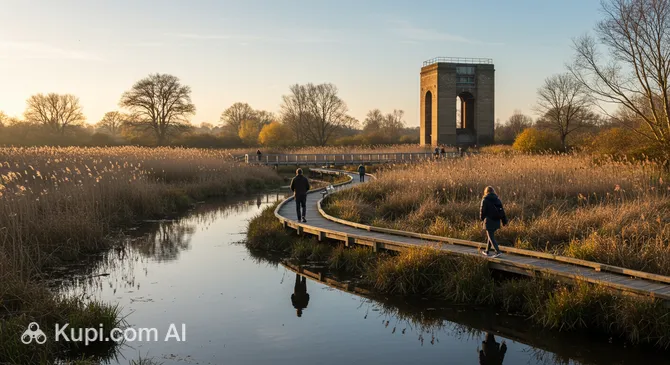
Woodberry Wetlands
Woodberry Wetlands. Иллюстрация. Источник: Kupi.com AI

Located in Great Britain, this reserve is a harmonious blend of open water and thick reed beds. Here, on the site of the former East Reservoir, a rich ecosystem has been recreated, home to rare species of birds and insects. For the city, this place has become a true "green heart," offering peace and the chance to connect with wildlife without traveling far from the center.

One of the park's architectural gems is the Coal House—a former coal storage building that has been carefully restored and transformed into a modern visitor center. This historic structure now houses a cozy café where you can enjoy a cup of tea while admiring the serene water and listening to birdsong.

Contacts

p>To contact the reserve administration or find out more about events, you can use the official communication channels. Woodberry Wetlands is managed by the London Wildlife Trust, while the land itself is owned by Thames Water.

How to contactContact
AddressNew River Path, Woodberry Grove, Woodberry Down, London N16 5HQ, UK
Phone+44 20 3897 6154
Websitewww.wildlondon.org.uk

What to Do

The main activity at Woodberry Wetlands is undoubtedly birdwatching. Specially equipped walking paths and elevated boardwalks offer excellent views of the lake and reed beds. Here, you can spot darting kingfishers, reed buntings, and even the rare little bittern. Ornithologists and nature lovers often spend hours here, armed with binoculars.

For those seeking more active or educational recreation, the reserve offers a rich program of events. You can sign up for beekeeping workshops, participate in bird identification lessons, or join sunset yoga sessions right on the shore. For children, the "Wild Adventure Club" teaches young explorers about environmental conservation.

After a stroll along the forest path, it's worth stopping by the Coal House Café. You can sit inside the historic building or on the outdoor terrace to enjoy a snack with a view of the water. It is the perfect place for those who want to escape the city bustle, breathe in the fresh air, and simply enjoy the silence in one of the city's most picturesque corners.

Getting There

p>The reserve is conveniently located in the Stoke Newington area. To get there, you can use Stoke Newington Church Street as a guide—from there, the walk to the entrance takes about 10 minutes if you head down Lordship Road. The site is also a key part of the "Wetlands to Wetlands Greenway" ecological route, which connects this area to the Walthamstow Wetlands via the scenic New River Path.

For those preferring public transport, the nearest access point is Manor House tube station (Piccadilly line), which is just a few minutes' walk from the reserve. The area is also well-served by London buses and the London Overground (Stoke Newington station).

If you are planning a taxi ride from central London or other areas, provide the driver with the address: Woodberry Grove, N16 5HQ. It is worth noting that the site is fully accessible for visitors with limited mobility, making the walk comfortable for all categories of tourists.

Ближайший город: Tottenham

History & Facts

p>The history of this site began in 1833 when the reservoir was built as a vital link in London's water supply system. It was intended to store water coming from the New River, which was constructed back in 1604 by order of King James I. A curious architectural detail: the reservoir's banks were reinforced with stones left over from the dismantling of the old London Bridge.

Until the early 20th century, the reservoir supplied drinking water to the surrounding areas, but over time, the landscape changed. During the interwar period, residential complexes replaced old mansions. From the 1950s to the 1980s, the water was heavily treated with chlorine, making the area virtually lifeless for plants and birds. The reservoir was enclosed behind a high fence and remained inaccessible to the public for two centuries.

In 1992, this natural corner was under threat: Thames Water planned to fill in the reservoirs and sell the land for development. However, local residents showed incredible unity and fought to save the site. After a massive cleanup and ecosystem restoration by volunteers, the reserve once again became a home for wildlife and plants, opening its doors to the public in 2016.

Time Needed

To leisurely enjoy the atmosphere of tranquility and observe the wildlife, a typical visitor will need 1.5 to 3 hours. This is quite enough time to walk the main trails, visit the visitor center, and spend time at the viewing platforms.

If you are a passionate birdwatcher or a photographer planning to catch the perfect shot of a kingfisher, your stay could last half a day. It is also worth setting aside an extra 30–40 minutes to visit the cozy café, where you can relax after your walk and enjoy the water views.

Working Hours

The reserve is open to the public daily, making it easy to plan a visit on both weekdays and weekends. The doors of Woodberry Wetlands open at 9:30 AM and close at 4:00 PM.

The opening hours remain the same throughout the week:

  • Monday – Sunday: 09:30 – 16:00

9:30 – 16:00

Nearby

A walk through North London's neighborhoods can be a great addition to your visit to this natural oasis. Exploring the surroundings allows you to see historical industrial sites and ancient churches that preserve the spirit of the old city and its industrial past.

NameDistance
Chestnuts Park1.2 km
Gökyüzü Green Lanes1.3 km
Hala Restaurant1.3 km
Brouhaha1.4 km
Fumée Lounge1.5 km
Markfield Park1.7 km
Downhills Park1.8 km

Reached the end of the page?

That means the route is fully explored