Support

Tottenham

About

Tottenham is a dynamic and multifaceted district in North London, where the bustling energy of a major city harmoniously intertwines with the cozy feel of local neighborhoods. Located in the Borough of Haringey, this corner of the capital attracts travelers with its unique multicultural atmosphere and picturesque views along the River Lea, which gives it a special charm.

Situated just 13 kilometers from the center, Tottenham is an important part of the United Kingdom. With a population of about 129,000, this area is constantly evolving while remaining true to its traditions. Here, it’s easy to feel the rhythm of the metropolis without losing the sense of local community and the sincere friendliness of the residents.
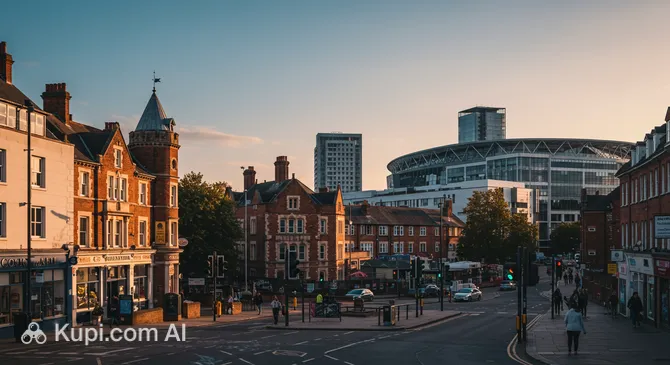
Tottenham. Illustration.
Source: Kupi.com AI

Despite its modern appearance, Tottenham's history is rich with events, which can be felt while walking through its streets where ancient architecture sits alongside new buildings. This place is ideal for those who want to see a non-touristy, authentic London and immerse themselves in its genuine environment.

The undisputed hallmark of the district is the famous Tottenham Hotspur Stadium, which has become a real magnet for football fans from all over the world. However, Tottenham is about more than just sports. The area is famous for its green spaces and parks, offering excellent opportunities for outdoor recreation, as well as a variety of cafes reflecting the rich culture of the local population.

Tottenham is worth visiting for its unique blend of traditional England and modern cosmopolitanism. Whether it's an exciting match, a peaceful walk by the river, or gastronomic discoveries, this district will provide vivid emotions and allow you to discover new facets of the British capital.
Weather Overview

The climate in Tottenham can be described as temperate maritime, which is typical for London and its surroundings. You won't find extreme heat here, but the weather is known for its variability. Travelers should expect moderately warm summers and cool, damp winters, with rainfall distributed fairly evenly throughout the year.

The most comfortable time of year is summer, especially July, when average temperatures reach 18.1°C, and daytime figures often rise to a pleasant 22.2°C. This is a great time for walking and attending events. Winter here is quite mild but cool: in the coldest month, January, the average temperature stays around 4.8°C, with average night temperatures around 2.3°C. It's worth remembering that frost and colder days are possible during the winter period.

When planning your trip, it is important to consider the high probability of precipitation. The number of rainy days varies from 10 in June to 15 in March, so an umbrella or raincoat will be your faithful companions regardless of the season. Even in relatively dry months, rain can start unexpectedly, although the overall level of precipitation remains moderate.

To choose the right clothing for your trip, we recommend checking current information before departure. Detailed weather in Tottenham by month will help you better prepare for your visit to this colorful district.

Average monthly temperature

Average monthly precipitation

Interesting Facts

Beyond its well-known landmarks, Tottenham holds many fascinating secrets. This area of London is full of contrasts: from ultra-modern technology to Victorian traditions and unexpected natural oases hidden from the eyes of most tourists.

  • A Football Mecca and More. The local stadium, the home arena of Tottenham Hotspur (founded in 1882), is considered one of the most technologically advanced in Europe. Interestingly, this structure was designed not only for European football: games of the US National Football League (NFL) and large-scale music concerts are regularly held here, turning the sports facility into a cultural center for the district.

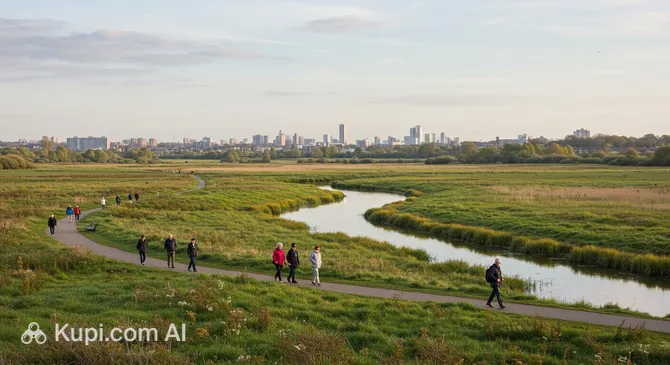
  • Nature in the City. Tottenham boasts surprising green spaces. For example, the Tottenham Marshes is a genuine nature park where, amidst the urban bustle, you can enjoy silence, have a picnic, and even observe rare bird species living in the Lea Valley.

  • Talking Parrots from the Past. The district's history contains some rather curious pages. In the 19th century, local markets were famous for an unusual custom: you could find traders with talking parrots here. These birds not only drew attention but also entertained customers with witty phrases, creating the unique atmosphere of old Tottenham.

  • Mystical Legends. Like many ancient corners of London, this district is shrouded in mystery. One popular urban legend claims that a ghost haunts an old building on one of the main streets. This story is passed down by locals, adding a touch of mystery to walks through the historical center.

Tottenham Marshes. Illustration.
Source: Kupi.com AI

Traveler photos:

How to Get There

Tottenham, being part of Greater London, enjoys excellent transport accessibility. Since the district is integrated into the capital's transport system, travelers can easily use the UK's main air and rail gateways. You can find out more about how to get to Tottenham by exploring various routes and modes of transport.

Tottenham itself does not have its own airport, so the main flow of tourists arrives via London's international air hubs. One of the most popular options is Heathrow Airport (IATA: LHR), located in the city of London. It is the country's largest international airport, situated approximately 30.8 km from Tottenham. A trip by taxi or car will take about 65–70 minutes depending on traffic, and convenient connections via the Underground and express trains are also available.

Another convenient alternative is London Gatwick (IATA: LGW), which is also in London but on the south side, about 50.6 km from Tottenham. The journey by road takes approximately 1 hour 35 minutes. It is a major hub receiving many flights from around the world.

It's also worth mentioning Stansted (IATA: STN)—a popular choice for low-cost carriers. It is located in London (formally Essex), about 37.5 km from the district. The drive takes about 1 hour 15 minutes.

For convenience, here is a summary of the main airports:

AirportPassenger trafficDistance
London City Airport3.6 mln14 km
Heathrow Airport83.9 mln31 km
London Luton Airport16.7 mln36 km
Stansted Airport29.8 mln37 km
London Gatwick Airport43.2 mln51 km

If you prefer ground transport, the rail connection is a great way to reach the area. While Tottenham doesn't have major long-distance mainline stations, you can arrive at Liverpool Street station in London, which is only 9.7 km from central Tottenham. From there, trains run directly through the district (for example, to White Hart Lane or Bruce Grove stations). A taxi ride from the station takes about 35 minutes.

Another important hub is St Pancras International in London. This station receives Eurostar international trains and is approximately 9.3 km from Tottenham. Thanks to its proximity to the Victoria line on the Underground, it is very convenient to get to Tottenham Hale station from here. Travel time by car is about 35 minutes.

Below is information about the nearest major railway hubs:

StationPassenger trafficDistance
Stratford International Station56.6 mln8 km
King's Cross Station20.5 mln9 km
St Pancras International36 mln9 km
Euston Station36.2 mln10 km
Liverpool Street Station94.5 mln10 km

Main Attractions

Tottenham is a district that knows how to surprise. Although many associate it primarily with football, there are many hidden cultural and historical gems here that deserve attention. A walk through the local sights will allow you to see London from a completely new and unexpected perspective.

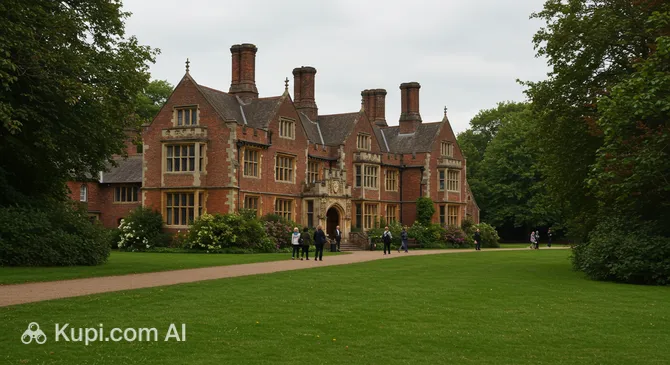
One of the main historical treasures of the district is Bruce Castle Park. This is not just a green zone, but the site of an ancient 16th-century manor house, which is considered one of the oldest brick buildings in England. Inside the manor is a museum telling the rich history of the Borough of Haringey, while the park itself, with its centuries-old oaks, is perfect for a peaceful rest in the shade of the trees.

Bruce Castle Park. Illustration.
Source: Kupi.com AI

Traveler photos:

Art and design enthusiasts should visit the William Morris Gallery. This museum is located in the Georgian mansion where the famous artist, designer, and socialist William Morris spent his childhood. The exhibition is dedicated to his life and work, which had a huge influence on the Arts and Crafts movement. This inspiring place, surrounded by the beautiful Lloyd Park, allows you to touch the British heritage of the Victorian era.

For those seeking connection with nature, the Walthamstow Wetlands will be a real discovery. This is Europe's largest urban wetland reserve open to the public. Here you can walk along picturesque reservoirs, observe rare birds, and enjoy the silence, forgetting that you are in one of the busiest metropolises in the world. Industrial heritage harmoniously blends here with wildlife.

Tottenham's gastronomic map is also an attraction in its own right. The district is famous for its Turkish cuisine, and the Gökyüzü Green Lanes restaurant is a bright confirmation of this. This place is extremely popular with both locals and tourists thanks to its authentic dishes and hospitable atmosphere. A visit here is a great way to end a busy day, allowing you to experience the multinational flavor of North London.

Local Cuisine

Tottenham's cuisine is a gastronomic mirror of its multinational soul. Here, classic British traditions sit alongside vibrant flavors from all over the world. If you're looking for a place to eat, be prepared for a difficult choice between crispy fish and chips, fragrant Jamaican patties, and arguably some of the best Turkish kebabs in London.

It is Turkish cuisine that has become the district's true calling card, especially around the famous Green Lanes. Local establishments are famous for generous portions of grilled meat, the freshest flatbreads, and a variety of mezes. A perfect example of such an authentic spot is the Hala Restaurant, where you can enjoy traditional hospitality and the rich flavors of Eastern dishes in a cozy setting.

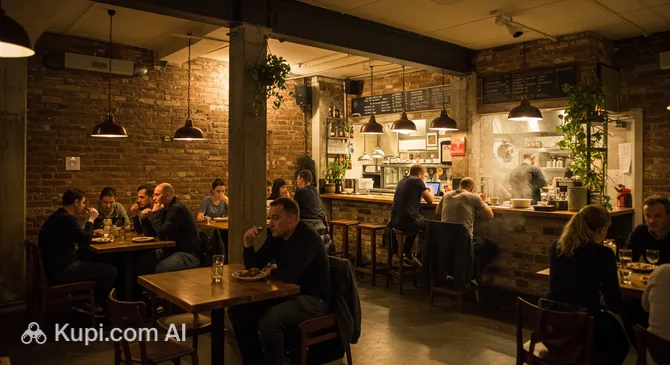
Hala Restaurant. Illustration.
Source: Kupi.com AI

Traveler photos:

Caribbean influence is not far behind: the scents of exotic spices, jerk chicken, and spicy sauces fill the streets, creating a unique atmosphere. Street food here is a culture of its own. On weekends, local farmers' markets turn into a festival of taste, where stalls feature local honey, artisan cheeses, vegetables from local farmers, and hot pastries.

As for drinks, the district is experiencing a real craft brewing boom. Beer lovers should check out the Goodness Brewing Company—a brewery that has become a popular meeting place for locals. Here you can try unique varieties of ale and lager brewed right in Tottenham. For those who prefer non-alcoholic drinks, many family-run coffee shops are open, serving traditional English tea and freshly roasted coffee with homemade cakes.

Travel Tips

Preparing for your trip to Tottenham is the key to ensuring your introduction to North London goes smoothly and leaves only pleasant impressions. We've gathered a list of practical recommendations to help you feel confident in this dynamic district and avoid common tourist mistakes.

  1. Clothing and Essentials. London's weather is changeable, so the best principle for clothing is layering. Even in summer, it's worth bringing a light jacket or jumper. Be sure to bring an umbrella or a high-quality raincoat—showers can start suddenly here. Since the district is great for walking (parks, the River Lea waterfront), opt for comfortable, waterproof shoes. For power outlets, you will need a Type G adapter (British standard).

  2. Transport. The fastest way to get to central London or move around the area is via the Underground (Victoria line) and London Overground trains. For fare payments, it's most convenient to use a contactless bank card or buy an Oyster card. Renting a car is not recommended: traffic drives on the left, it's heavy, and parking in Tottenham can be expensive and difficult, especially on football match days.

  3. Finances. The currency is the Pound Sterling (£). In Tottenham, as in all of London, cashless payments are ubiquitous: cards are accepted even in small kiosks and at markets. Cash may only be needed for small tips or in rare independent shops. In restaurants, it's customary to leave a tip of 10–12.5%, though a "service charge" is often already included in the bill.

  4. Health and Safety. Tottenham is a busy district, but as with any part of a metropolis, you should keep an eye on your personal belongings in crowded places. Pharmacies (marked with a green cross or a "Pharmacy" sign, such as the Boots chain) are easy to find on the main streets. The emergency services number is 999 (police, ambulance, fire), and for non-urgent medical questions, it's 111.

  5. Communication. The main language is English, but thanks to the multicultural nature of the district, you can hear dozens of other languages. For navigation and transport tracking, we strongly recommend downloading the Citymapper app or Google Maps—they are indispensable in London. A SIM card from a local operator (EE, Vodafone, O2) can be bought at any supermarket or phone shop; Wi-Fi is available in many cafes and at Underground stations.

  6. Local Etiquette. The British value personal space and politeness. The words "sorry" and "please" are used constantly. An important rule: always join the queue (at bus stops, in shops, or at ticket counters). Attempting to skip ahead will cause strong disapproval. On Underground escalators, always stand on the right to let those walking pass on the left.

  7. What to Avoid. You shouldn't talk loudly on public transport or play music without headphones. It is also not recommended to walk alone in poorly lit park areas late at night. If you're not a football fan, try to avoid wearing Arsenal football club merchandise (the main rivals of the local Tottenham Hotspur), especially on match days, to avoid side-glances or unwanted comments.

  8. Match Day. This is a specific feature of Tottenham. When a home game takes place at the stadium, the district transforms: streets fill with tens of thousands of fans, pubs are overflowing, and roads may be closed. If you're planning a quiet walk, be sure to check the match schedule. Conversely, if you want to experience an incredible festive atmosphere, come on such a day, but be prepared for crowds.

By following these simple tips, you'll easily blend into the rhythm of Tottenham and get the most enjoyment from your trip. Be open to new things, respect local traditions, and this colorful corner of London will reciprocate!

Entertainment & Nightlife

Tottenham offers guests not only sporting thrills but also a rich leisure program that will appeal to shopping enthusiasts and seekers of unusual entertainment alike. The district is actively developing, offering modern shopping areas, cozy bars, and places for active family recreation.

For those who can't imagine a trip without shopping, the main point of attraction is the Wood Green Shopping Centre. This is a large-scale complex located along the High Road, where popular brand stores, cinemas, and numerous cafes are concentrated. You can spend an entire day here updating your wardrobe or picking out souvenirs. Nearby is another important shopping location—Tottenham Hale Retail Park, convenient for those looking for home goods and electronics in a spacious retail park format.

If you are looking for an original way to spend time with family or friends, be sure to visit Jurassic Falls Adventure Golf. This isn't just mini-golf; it's a real adventure among realistic, life-sized dinosaur figures. The site is decorated with waterfalls and tropical greenery, creating a lost world atmosphere right within London's borders.

The district's nightlife also has its own unique character. Local venues often combine a relaxed atmosphere with a signature approach to drinks. A prime example is the Brouhaha bar, which is famous for its craft beer and cozy setting, perfect for winding down after a busy day.

For a more relaxed break in the fresh air, it's worth stopping by Chestnuts Park. This picturesque spot with chestnut avenues often hosts local festivals and community events. Sports enthusiasts will appreciate Down Lane Park, which is equipped with modern zones for active games and outdoor training.

Parks & Museums

Tottenham pleasantly surprises its guests with its number of green oases and cultural spaces. Despite its reputation as a busy urban area, it is easy to find places for peaceful relaxation in nature or immersion in art, which reveal the rich history of this part of London from an unexpected side.

Among the green zones, Markfield Park deserves special attention. This is a unique space where nature harmoniously combines with the industrial heritage of the Victorian era. The park is located on the banks of the River Lea and is known for its steam engine museum, as well as picturesque lawns perfect for picnics. The atmosphere of old England is preserved here, complemented by modern amenities for the whole family.

Another magnificent place for walks is Lloyd Park. This is not just a green area, but a historic landscaped garden surrounding a famous gallery. Here you can walk along an ancient moat, admire well-kept flowerbeds and centuries-old trees. The park serves as a center of attraction for creative people and lovers of quiet rest, offering excellent views in any season.

Fans of classic English parks should visit Pymmes Park. This historic park, with its beautiful lake, walled garden, and ancient amphitheater, transports visitors to an era of elegant promenades. It is a great place for a morning run or leisurely reading a book in the shade of sprawling trees.

The cultural life of the district is inextricably linked to its museums. The crown jewel is certainly the William Morris Gallery. Located in the former family home of the famous designer, it houses a unique collection of textiles, wallpapers, and furniture, telling the story of the Arts and Crafts movement. This place inspires with its aesthetics and allows for a deeper understanding of Morris's influence on world art.

In the immediate vicinity is the Lloyd Park Centre, which often serves as a venue for temporary exhibitions and community events, complementing the cultural program of the manor visit. And for those interested in urban wildlife, the Woodberry Wetlands will be a true discovery. This nature reserve, created on the site of old reservoirs, offers a rare opportunity to observe waterfowl against the backdrop of London's skyscrapers.

Insider tip: If you find yourself in Markfield Park, be sure to check the steam museum's opening schedule—on certain days, they run a restored 1888 steam engine, which is a spectacular sight of past power and engineering.

Getting Around

Tottenham's transport system is fully integrated into Greater London's extensive network, making travel within the district and to the city center fast and convenient. There is no need to rent a car here: public transport works efficiently, runs frequently, and covers all key locations.

The backbone of the transport infrastructure is the London Underground and London Overground. The high-speed Victoria line (the light blue line on the map) runs through the district, with key stations being Tottenham Hale and Seven Sisters. This is the fastest way to get to the center: the journey to King's Cross or Oxford Circus takes only 15–20 minutes. Overground lines (the orange line) connect the area with East London and Liverpool Street station, while White Hart Lane station is particularly popular with fans as it is within walking distance of the stadium.

An important feature of the district is Tottenham Hale station, which serves as a major transport hub. Besides the Underground, National Rail trains stop here, including the famous Stansted Express. This makes Tottenham a strategically convenient location for tourists flying into Stansted Airport—a direct journey from the terminal to the district takes about 35 minutes.

The bus network here is very dense and operates 24/7. The iconic red double-decker buses run along all the main streets. This is a great option for short trips or if you want to see the city from the window of the top deck. Please note that London buses have gone completely cashless: drivers do not accept cash.

The fare payment system is unified. The easiest and most cost-effective way is to use a contactless bank card, a smartphone (Apple Pay, Google Pay), or an Oyster card. You simply touch your card against the yellow reader (validator) upon entry. On the Underground and trains, validation is mandatory both at entry and exit, whereas on buses, it's only required at entry.

The cost of travel depends on zones. Tottenham is primarily in Zone 3. The system automatically calculates the lowest fare. A convenient "Daily Cap" rule applies: once you spend a certain amount in a day, all subsequent trips until the end of the day are free. This saves tourists from having to buy complex travel passes.

As an alternative to public transport, taxis are popular. You can hail a classic black cab on the street (if the yellow "TAXI" light is on) or use apps like Uber or Bolt, which often work out cheaper. Cycling infrastructure is also developing: rental e-bikes (such as Lime or Forest) can be found in the area, which are convenient to pick up and leave in permitted zones via a mobile app.

Tourists are recommended to download the Citymapper app or use Google Maps for real-time route planning. It is best to avoid peak hours (usually 07:30 to 09:30 and 17:00 to 19:00) if you are traveling with luggage, as the Victoria line can become very congested. Otherwise, Tottenham's transport is a reliable and comfortable way to explore the city.

Accommodation

Staying in Tottenham is a great opportunity to save on accommodation in London without sacrificing comfort or transport accessibility. Unlike the tourist-crowded center (Zone 1), this district offers a calmer atmosphere and prices that are generally lower than the capital's average. You are unlikely to find a cluster of five-star chain giants here, but the area is rich in cozy options that allow you to feel like a local.

The core of the tourist accommodation stock consists of apartments and guest houses (B&Bs), often located in converted Victorian houses. This is an ideal choice for those who value having their own kitchen and more space. Budget and mid-range hotels are also represented in the district and its surroundings, offering a basic set of services for a comfortable night's sleep after long walks around the city.

When choosing a location, a strategically sound decision would be to focus on transport hubs. The areas around Tottenham Hale and Seven Sisters stations are the most convenient: from here, you can reach central London in less than 20 minutes. If your goal is to attend a football match or an event at the stadium, it makes sense to look for accommodation along the High Road to be within walking distance of the arena.

Important booking tip: Tottenham lives by the football match calendar. On "Tottenham Hotspur" home match days, demand for accommodation skyrockets instantly, and prices can rise significantly. If your trip coincides with a match date, you should book a room or apartment several months in advance. At other times, booking 2–3 weeks ahead usually guarantees a good choice at a reasonable price.

The price range varies from budget to mid-range. Luxury offers are rare here. For searching and booking, it's best to use popular international online platforms and aggregators, as direct booking is not available in all small guest houses. Read reviews carefully: due to the nature of old buildings, some budget options may have poor soundproofing.

Nearby Cities

For those who want to explore the surroundings, Tottenham serves as an excellent starting point for day trips to several interesting nearby locations:

Just a few minutes' drive away is Enfield—a historic town with a rich heritage where you can walk through the magnificent gardens of Capel Manor or visit the Forty Hall estate. This place is ideal for those who want to enjoy the atmosphere of old England and the peace of nature without moving far from the capital.

Neighboring Walthamstow attracts with its creative energy and unique flavor. It's worth visiting the famous "Walthamstow Village" with its old architecture and cozy pubs, as well as the unusual neon sign museum, God's Own Junkyard, which offers a vivid visual experience.

Nature lovers who enjoy long walks in the fresh air will like Chingford, located on the edge of the majestic Epping Forest. Here you can see the historic Queen Elizabeth's Hunting Lodge and enjoy panoramic views of London from Pole Hill.

CityPopulationDistance
Wood Green28 4533 km
Palmers Green15 1623 km
Walthamstow109 4244 km
Hornsey12 6594 km
Enfield156 8585 km

These nearby destinations provide insight into the diverse culture and landscapes of the region, offering excellent options for short and rewarding trips.

Shopping & Souvenirs

Shopping in Tottenham is an immersion into the everyday life of the real London, far from the glossy tourist windows of the center. You won't find high-fashion boutiques here, but you will discover a colorful mix of cultures, practical shopping centers, and unique shops for sports fans. This is a place where you can buy everything from the freshest exotic fruits to official football kits, all while enjoying affordable prices.

The district's main commercial artery is Tottenham High Road. This long, busy street runs through the entire area and is dotted with hundreds of small shops. Here, traditional English bakeries sit alongside Afro-Caribbean stalls with bright fabrics and Turkish supermarkets. A walk along the High Road is a chance to find inexpensive clothing, accessories, and home goods while feeling the pulse of the local community.

If you're looking for well-known global brands and comfortable shopping under one roof, head to the Wood Green Shopping Centre. Although technically on the border with the neighboring district, it's a major hub for Tottenham residents, offering a wide selection of clothing, cosmetics, and electronics. Another important spot is Tottenham Hale Retail Park—a spacious complex convenient for buying home goods, sports equipment, and electronics in a big-box format.

Markets add a special flavor to the district. Holcombe Market is a small but cozy pedestrian area where locals buy fresh vegetables, fish, and meat at affordable prices. On Sundays, a farmers' market often unfolds at Tottenham Green, featuring street food, artisan cheeses, and homemade pastries, creating an atmosphere of celebration and community interaction.

The ultimate souvenir from Tottenham is undoubtedly football-related. The massive official "Tottenham Hotspur" shop at the stadium (The Spurs Shop) is a mecca for fans, where you can buy kits, scarves, and exclusive club-branded gifts. Additionally, the district is famous for its craft beverages. As a tasty gift, you could bring back products from the local Goodness Brewing Company, which is a prominent representative of the new wave of producers in the area.

Shops typically operate from 09:00 or 10:00 to 18:00–19:00, Monday through Saturday. Shopping centers may stay open longer, especially on Thursdays or Fridays. It is important to remember that on Sundays, large stores operate on reduced hours (usually from 11:00 to 17:00). Payment by bank cards and contactless methods (Apple Pay, Google Pay) is accepted everywhere, even at market stalls, so cash is rarely needed.

Tourists should be aware that VAT refund (Tax Free) rules in the UK have changed. Currently, the option to claim a tax refund upon leaving the country for most goods bought in shops has been abolished. A refund is only available if the retailer ships the goods directly to your home address abroad, which should be clarified at the checkout when making large purchases.

Reached the end of the page?

That means the route is fully explored