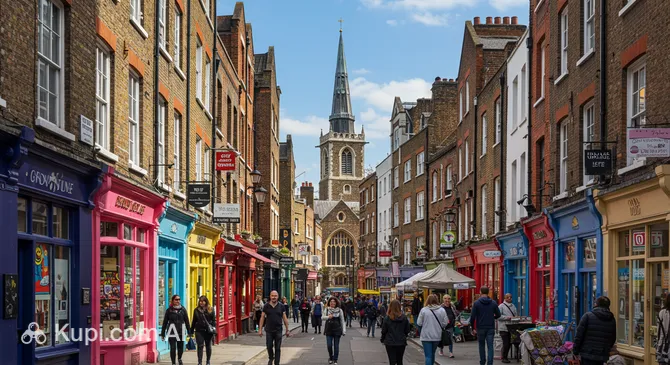
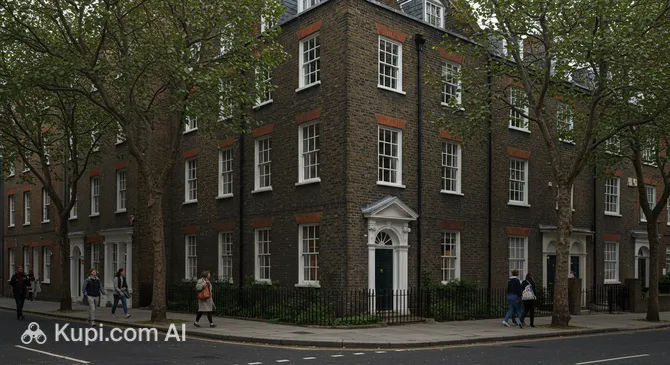
Spitalfields is more than just a district on the map of London; it is a true cultural melting pot with a rich history and a unique atmosphere. Located in the East End of Great Britain's capital, it is just a few minutes' walk from the famous City and Liverpool Street, making it an ideal starting point for exploring both historical and modern London.
Although Spitalfields is home to around 10,000 people, the neighborhood's energy feels much larger: life is always bustling on its streets, where languages, styles, and eras blend seamlessly. Long ago becoming an administrative part of London, Spitalfields has managed to preserve its identity—a place where the past exists harmoniously alongside ultra-modern art spaces and trendy cafes.
Spitalfields. Illustration.
Source: Kupi.com AI
The main highlight of Spitalfields is its authentic atmosphere. Here, ancient buildings and narrow alleys hold traces of centuries of history, while each new generation adds its own touch to the district's vibrant mosaic. Tourists come here for the impressive street art, colorful markets like the famous Old Spitalfields Market, and the feeling of real London life—vibrant, noisy, and very welcoming.
If you want to immerse yourself in the unique atmosphere of one of London's most dynamic districts, feel its historical spirit and modern rhythm, Spitalfields undoubtedly deserves your attention and will be a highlight of your journey.
When planning a trip to Spitalfields, it is worth considering the features of the local climate. Summers here are usually warm and pleasant, with average temperatures from June to August in the range of 16-18°C, while maximum values can rise to 20-22°C. Winters in Spitalfields are cool but without severe frosts: average temperatures in January and December hover around 5-6°C. Precipitation occurs quite regularly throughout the year, mostly in the form of light rain, with the number of rainy days per month ranging from 9 to 15. Overall, expect a warm summer with occasional rain and cool, damp winters. For more detailed planning of your trip, we recommend checking the weather in Spitalfields.
Average monthly temperature
Average monthly precipitation
Interesting Facts
Beyond its famous markets and lively atmosphere, Spitalfields holds many fascinating secrets and lesser-known details. This historic London district is full of surprises ready to be discovered by the observant traveler.
Few people know that the current bustling Spitalfields district was once, in the 17th century, a quiet outskirts with fields and monastic gardens. It was here that the first artisans and immigrants settled, laying the foundation for the incredible multiculturalism that defines the district's character today.
The famous Old Spitalfields Market has royal roots! Official permission to trade meat, fowl, and roots was granted by King Charles I as far back as 1638, marking the beginning of the centuries-long history of this iconic site.
In Spitalfields, there is a unique house-museum called Dennis Severs' House, which is often described as a "time machine." Visitors step into the atmosphere of the 18th and 19th centuries, experiencing moments in the life of a family of Huguenot silk weavers, thanks to incredibly detailed interiors and a complete lack of modern technology—there isn't even electric lighting in most rooms!
This district is a real magnet for creative personalities. Spitalfields literally breathes art: from street graffiti and unexpected art installations to numerous design studios and galleries where exhibitions and performances are constantly held, turning a walk through the area into a true cultural adventure.
Barbican Centre. Illustration.
Source: Kupi.com AI
Traveler photos:
How to Get There
Spitalfields is a colorful and historically significant district of London, and getting here is easy thanks to the extensive transport network of the United Kingdom's capital. The main ways to reach Spitalfields are by flying into one of London's airports followed by a transfer, or arriving at one of the central railway stations.
Spitalfields is served by several major international airports in London. The closest is London City (LCY), located just 9.2 km away. This airport is particularly convenient for business trips and those who value quick access; a taxi ride to Spitalfields will take approximately 30-40 minutes. The UK's largest international airport, Heathrow Airport (LHR), is located about 27 km to the west of Spitalfields. A taxi journey from here can take about 60-70 minutes, although faster options exist, such as express trains to central London, from where Spitalfields is easily reached by Tube or taxi. Another major international hub, London Gatwick (LGW), is situated about 41 km to the south. A taxi ride from here will take about 80-90 minutes; convenient express rail links to London's central stations are also available.
For convenience, here is a summary of the main airports serving Spitalfields:
Spitalfields is also excellently connected by rail thanks to its proximity to several major London stations. Liverpool Street Station (ZLS) is in the immediate vicinity, just 0.4 km from Spitalfields, making it an extremely convenient arrival point. From here, trains depart to many regions of the country, as well as expresses to Stansted Airport. Another important transport hub is St Pancras International (QQS), located about 3.7 km away. This station is famous for being the terminus for Eurostar trains connecting London with Paris, Brussels, and Amsterdam, and it also serves many domestic routes. From St Pancras, Spitalfields can be reached by Tube or taxi in about 15-20 minutes.
Below is information on the main railway stations near Spitalfields:
In addition to air and rail links, Spitalfields is easily accessible within London via the famous London Underground (Tube), numerous bus routes, or by using taxi services.
Main Attractions
Spitalfields and its surroundings offer tourists many interesting places that combine history, culture, and London's unique atmosphere. Here, everyone will find something for themselves, from historical buildings to modern cultural centers.
One of the iconic spots for literature lovers is the Charles Dickens Museum. Located in the house where the great writer once lived, the museum allows you to dive into the atmosphere of Victorian England and learn more about the life and work of the author of "Oliver Twist" and "David Copperfield." The exhibition includes Dickens' personal belongings, manuscripts, and first editions of his books.
Charles Dickens Museum. Illustration.
Source: Kupi.com AI
Traveler photos:
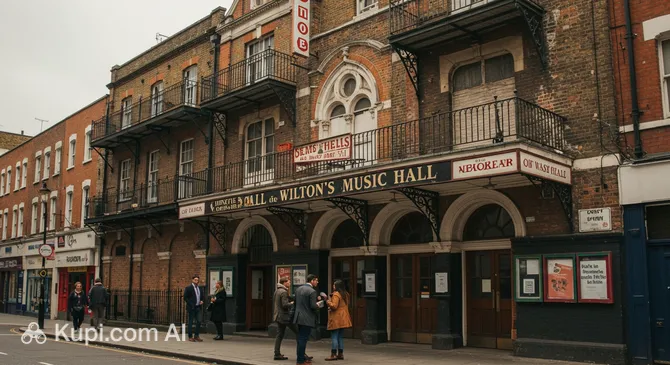
Nearby is Wilton's Music Hall—the world's oldest surviving grand music hall. This unique venue with a rich history continues to delight audiences today with a variety of performances, from theatrical productions to concerts. Its authentic interior and unmistakable atmosphere attract both tourists and locals.
Wilton's Music Hall. Illustration.
Source: Kupi.com AI
Traveler photos:
For those interested in maritime history, the museum ship HMS Belfast is a must-visit. This Royal Navy light cruiser, moored on the Thames, served during World War II and the Korean War. Today, visitors can explore all nine decks of the ship, learn about the sailors' lives, and the vessel's combat past.
HMS Belfast. Illustration.
Source: Kupi.com AI
Traveler photos:
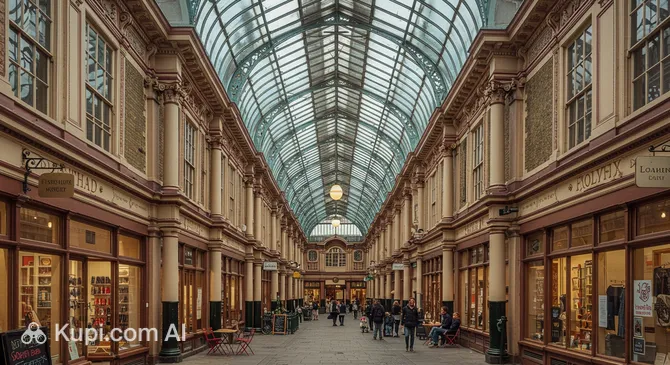
Fans of beautiful architecture and shopping should check out Leadenhall Market. This magnificent Victorian-era covered market, with its richly decorated ceilings and shopfronts, is one of London's oldest markets. Here you can find a variety of shops, pubs, and restaurants while enjoying a unique atmosphere. The market is also famous as one of the filming locations for the Harry Potter films.
Leadenhall Market. Illustration.
Source: Kupi.com AI
Traveler photos:
Art lovers and fans of Brutalist architecture will find the Barbican Centre fascinating. It is one of Europe's largest cultural centers, featuring a concert hall, theaters, galleries, cinemas, and a library. It regularly hosts exhibitions, plays, classical and contemporary music concerts, and film screenings. The complex is renowned for its unique architecture and extensive program of events.
Barbican Centre. Illustration.
Source: Kupi.com AI
Traveler photos:
Local Cuisine
Spitalfields is a true kaleidoscope of flavors, where the culinary heart beats to the rhythm of the famous Old Spitalfields Market. Here, among the lively stalls, you can embark on a gastronomic journey around the world without leaving London. Tourists and locals alike are drawn by the incredible variety of street food: from traditional English meat pies and hearty Indian samosas to fragrant Vietnamese soups prepared right before your eyes.
One of the main gastronomic gems of Spitalfields is certainly its authentic Bangladeshi curries. The legendary Brick Lane, located nearby, beckons with the aromas of spices, and almost every door here leads to a small restaurant or cafe serving this spicy dish, as well as various fish and seafood delicacies. Don't miss the chance to try classic British specialties, which are also widely represented in local establishments.
The food culture in Spitalfields is very democratic. Locals and visitors alike enjoy dining at the bustling markets, choosing takeaway food from numerous street food spots, or soaking up the atmosphere in cozy coffee shops. As for drinks, you can find everything from traditional English ales and ciders in local pubs to a huge selection of tea, coffee, and freshly squeezed juices.
For those who want to immerse themselves in the modern gastronomic scene of Spitalfields, BOXPARK Shoreditch is well worth a visit. This unique space, created from shipping containers, brings together many independent cafes, restaurants, and street kitchens under one roof, offering dishes from all over the world. Here you can try both trendy new arrivals and beloved classic flavors in an informal and dynamic atmosphere.
BOXPARK Shoreditch. Illustration.
Source: Kupi.com AI
Traveler photos:
Spitalfields attracts foodies with its vibrancy and constant movement. Besides the markets, gastronomic festivals and food markets are regularly held here, especially during the warmer months, where chefs demonstrate their skills using local products. And those with a sweet tooth will be delighted by the local pastries, desserts, and unusual delicacies that can be found at farmers' markets or during special events like the antiques fairs at the Old Market.
Travel Tips
Welcome to Spitalfields, one of London's most colorful and dynamic districts! To make your journey through this historic corner of Great Britain as comfortable and memorable as possible, we have prepared some practical tips.
Clothing and Essentials: London's weather, and thus Spitalfields', is quite changeable at any time of year. We recommend dressing in layers and always carrying a waterproof jacket or an umbrella. Comfortable shoes are extremely important for walking along cobbled streets and through busy markets. Don't forget an adapter for British sockets (Type G). For visiting the many historic churches or other religious sites, a specific dress code is usually not required, but neat and modest clothing is appropriate.
Transport: Spitalfields has excellent transport links to other parts of London. The most convenient way to get around is public transport: the Tube (nearest stations are Liverpool Street, Aldgate, Aldgate East) and numerous bus routes. Use an Oyster card or a contactless bank card to pay for your fare. Taxis, including the famous black cabs, and ride-hailing apps (e.g., Uber, Bolt) are also widely available. Renting a car to get around central London is not recommended due to heavy traffic, limited parking, and the Congestion Charge for entering the center.
Finances: The local currency is the Pound Sterling (GBP, £). You can exchange currency at banks, post offices, or bureau de change offices (compare rates and commissions; rates at airports are usually less favorable). Credit and debit cards (Visa, Mastercard) are accepted almost everywhere. ATMs are easy to find. An approximate daily budget (excluding accommodation) can range from £70 to £150 and up, depending on your plans. Tipping in restaurants is usually 10-12.5% and is often already included in the bill as a "service charge." In pubs, tipping for an order at the bar is not mandatory but is always appreciated for good table service.
Health and Safety: Pharmacies (or chemists, often marked with a green cross) can be found throughout the city; large chains like Boots or Superdrug have a wide range of products. In case of a medical emergency, call 999 or 112. Spitalfields is generally a safe area; however, as in any busy tourist spot—especially at markets and in crowds—be mindful of your personal belongings to avoid pickpockets. At night, try to stick to well-lit streets.
Communication: The official language is English. Most Londoners, including service staff, speak English fluently. You can purchase a local SIM card for mobile data and calls at mobile phone shops, supermarkets, or at the airport. Free Wi-Fi is available in many cafes, pubs, shopping centers, and some public spaces. Useful apps for orientation and route planning include Citymapper, Google Maps, and TfL Go (the official London transport app).
Local Etiquette: Britons value politeness. The words "please," "thank you," and "sorry" are used very frequently. An important part of the culture is "queuing"—it is essential to join the end of the line and wait your turn. In pubs, it's customary to order drinks and food at the bar if there are no waiters. Loud conversations on public transport or in public places are discouraged.
What to Avoid: Try not to stop suddenly in the middle of the sidewalk to check a map or take a photo, especially in busy areas—it's better to step to the side so as not to block pedestrians. Do not try to "jump the queue"—this is considered very rude.
Extra Tip: Spitalfields is famous for its markets, especially Old Spitalfields Market, which is open daily and offers a unique mix of fashion, food, antiques, and handmade items. Plan a visit on a Sunday, when the market is particularly lively and offers the widest selection of street food and goods from independent designers. Also, explore the streets around Brick Lane, known for their street art and vintage shops.
We hope these tips help you feel more confident and get the most out of your visit to the unique Spitalfields. Enjoy exploring this amazing part of London!
Entertainment & Nightlife
Spitalfields and its surrounding London neighborhoods come alive after sunset, offering plenty of options for those seeking vibrant evening and night-time entertainment. While Spitalfields itself is best known for its historic market and charming streets, its nightlife is closely intertwined with the buzzing atmosphere of neighboring Shoreditch, creating a vast area for party-goers.
The main concentration of nightlife venues is found on streets like Brick Lane, famous for its curry houses and trendy bars, Commercial Street, and throughout the Shoreditch area, which is renowned for its clubs, live music bars, and art spaces. Here you can find venues for every taste: from traditional pubs serving craft beer to ultra-modern nightclubs with famous DJs and themed bars with unique concepts.
The atmosphere in nocturnal Spitalfields and Shoreditch is predominantly youthful, creative, and international. The crowd is diverse, ranging from students and young professionals to tourists and connoisseurs of underground culture. Many venues stay open until late at night, especially on weekends. The dress code varies from relaxed casual in pubs to more dressed-up in some clubs, but generally, individuality and style are highly valued.
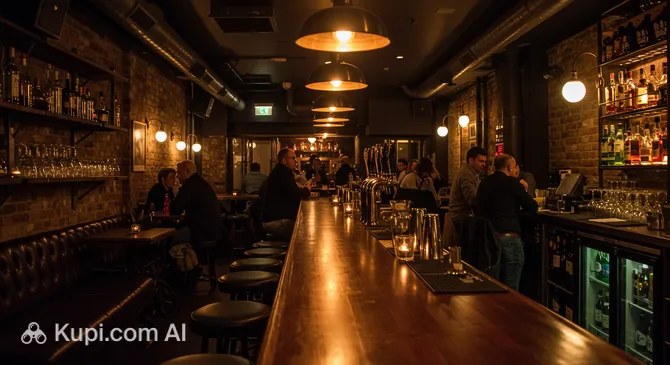
Arcade London. Illustration.
Source: Kupi.com AI
Traveler photos:
Popular spots include BOXPARK Shoreditch—a unique space made of shipping containers housing street food corners, bars, and shops, creating a lively atmosphere, especially in the evenings. If you're looking for a stylish bar with interesting cocktails, check out Arcade London. For fans of club music and concerts, Islington Academy might be a good fit, known for performances by both emerging and established artists.
When planning your night out, it's best to head to popular areas closer to the night, especially on Friday and Saturday when the fun is in full swing. Prices can be quite high, particularly in trendy clubs and cocktail bars, so it's worth checking menus or entry fees in advance. You can get around at night using the night buses that run throughout London or the Tube (some lines operate 24 hours on weekends). Taxis and ride-sharing services are also always available.
In terms of safety, the central and busy streets of Spitalfields and Shoreditch are generally safe for night walks, but standard precautions should always be taken: stick to well-lit areas, keep an eye on your belongings, and avoid deserted alleys. For booking a taxi, it's better to use official apps or the services of licensed companies.
During the day, Spitalfields also offers plenty of interest. You can visit the famous Spitalfields Market, explore historic streets, and browse numerous galleries and boutiques. Nearby cultural sites include the Charles Dickens Museum or the Barbican Centre, which offers a diverse cultural program.
Parks & Museums
Spitalfields, a historic district of London, offers its guests not only the unique atmosphere of old streets and markets but also access to wonderful green areas for relaxation, as well as a rich palette of museums and cultural sites reflecting the multifaceted history and modern life of the British capital.
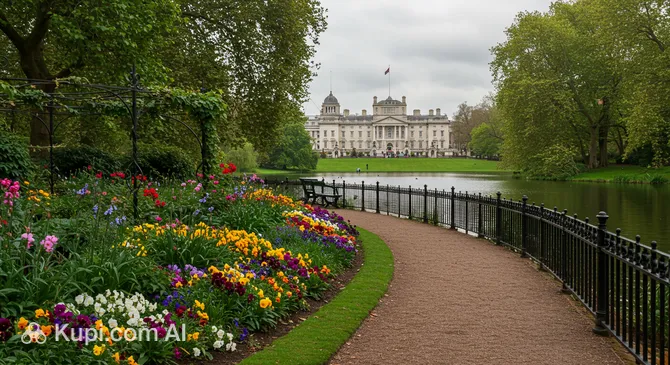
Although Spitalfields itself is primarily an urban landscape with busy streets and historic buildings, it is easy to reach iconic London green oases from here. One such magnificent place is St James's Park. This Royal Park, the oldest in London, is situated near Buckingham Palace and is famous for its well-kept lawns, the renowned lake with pelicans, and magnificent views of iconic London landmarks. It is the perfect place to take a break from the city bustle, enjoy nature, and watch the birds, making it attractive for tourists seeking peace and beautiful scenery.
St James's Park. Illustration.
Source: Kupi.com AI
Traveler photos:
The cultural life of Spitalfields and its surroundings is packed with interesting museums that can captivate all kinds of visitors. For maritime history buffs, a visit to HMS Belfast is highly recommended. This impressive museum ship, a former Royal Navy cruiser, is moored on the Thames. Tourists can explore nine decks, learn about the sailors' lives, and the combat history of the ship, which served in World War II and the Korean War.
HMS Belfast. Illustration.
Source: Kupi.com AI
Traveler photos:
For fans of classical English literature, the Charles Dickens Museum is a must. Located in the house where the great writer lived with his family and created masterpieces like "Oliver Twist," the museum offers a unique opportunity to immerse yourself in the atmosphere of Victorian England. The exhibition includes Dickens' personal belongings, manuscripts, and first editions of his books, making it especially interesting for those who want to understand the author's life and work more deeply.
Charles Dickens Museum. Illustration.
Source: Kupi.com AI
Traveler photos:
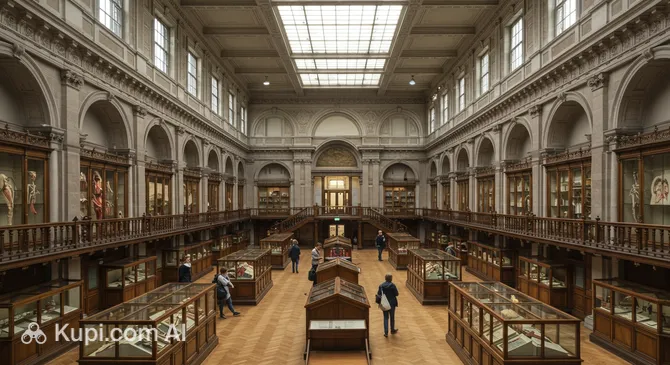
If you are drawn to unusual and informative collections, stop by the Hunterian Museum at the Royal College of Surgeons. It houses an extensive and unique collection of anatomical and pathological specimens, as well as surgical instruments, collected by the outstanding surgeon and anatomist John Hunter in the 18th century. This museum will be of particular interest to those fascinated by the history of medicine, biology, and natural sciences.
Hunterian Museum. Illustration.
Source: Kupi.com AI
Traveler photos:
In addition to major museums, the Spitalfields district itself and its surroundings are rich in historical buildings and cultural venues. Among them, Wilton's Music Hall stands out—it is the world's oldest surviving grand music hall. Its unique, almost untouched atmosphere and rich history make it not just a concert venue but a true cultural monument. Attending a performance here or simply taking a tour of the building will leave a lasting impression.
Wilton's Music Hall. Illustration.
Source: Kupi.com AI
Traveler photos:
To complete your Spitalfields experience, don't miss the chance to just stroll through its colorful streets, such as Brick Lane, famous for its street art, vintage shops, and lively markets. This will allow you to feel the authentic atmosphere of the area. And if you are looking for modern cultural entertainment, the Van Gogh Immersive Experience (if available during your visit) can offer an unforgettable visual experience, immersing you in the world of the great artist's masterpieces using modern technology.
Van Gogh Immersive Experience. Illustration.
Source: Kupi.com AI
Traveler photos:
Getting Around
Spitalfields, being part of vibrant London, offers tourists access to one of the most developed public transport systems in the world. The main ways to get around are the famous London Underground (Tube) and an extensive bus network. Nearby Tube stations, such as Liverpool Street or Aldgate East, provide easy access to various lines connecting Spitalfields with the rest of the city. Bus routes pass directly through the district, offering convenient and scenic travel options.
The payment system for travel in London, and consequently in Spitalfields, is primarily cashless. The most popular option is the Oyster card, a rechargeable smartcard that can be used to pay for journeys on the Tube, buses, trams (where available), DLR, and some National Rail lines within London. Contactless bank cards and mobile payment apps are also widely accepted. For tourists, Travelcards can be advantageous, offering unlimited travel within specific zones for a set period (e.g., a day or a week). Fares depend on the zones crossed and the time of day.
Oyster cards can be purchased and topped up at Tube stations, at ticket machines, and in many shops displaying the Oyster Ticket Stop sign. It's important to remember that when using an Oyster or contactless card on the Tube, you must touch your card on the yellow reader at both the start (tap in) and the end (tap out) of your journey to ensure the correct fare is charged. On buses, you only need to tap in when boarding. Public transport generally runs from early morning (around 5:00-5:30) until midnight. Some Tube lines (Night Tube) and bus routes (Night Bus) operate 24 hours on Fridays and Saturdays.
In addition to public transport, other travel options are available in Spitalfields and London as a whole. Traditional black cabs can be hailed on the street or booked, though they are a more expensive option. Ride-hailing apps like Uber or Bolt are widely used. For short trips or for those wanting to combine travel with physical activity, there is the Santander Cycles bike-sharing system, with numerous docking stations across the city, including the Spitalfields area. Car-sharing is also gaining popularity, offering short-term car rentals.
One of the features of the transport system accessible from Spitalfields is the London Underground itself—the oldest in the world. Riding it is not just about getting from point A to point B, but a chance to touch history. Many stations have preserved their original architectural appearance, making the journey even more fascinating. Furthermore, the red double-decker buses are as much a symbol of London as the Tube, and a ride on the top deck can serve as an excellent sightseeing tour.
Accommodation
Spitalfields, being a lively and historically rich district of London, offers tourists a variety of accommodation options to suit every taste and budget. Here you can find stylish boutique hotels and self-catering apartments, as well as more budget-friendly options, including hostels and guesthouses. Thanks to its location, many accommodation choices are within walking distance of the famous Spitalfields Market, numerous restaurants, bars, and cultural attractions.
The Spitalfields district itself and its surrounding areas, such as Shoreditch and the City, are very popular with tourists. Staying here provides easy access not only to local attractions like Leadenhall Market or Wilton's Music Hall, but also to an excellent transport network that allows you to quickly reach other parts of London. Choosing accommodation in these areas will allow you to immerse yourself in the city's unique atmosphere, blending historical heritage with the modern rhythm of life.
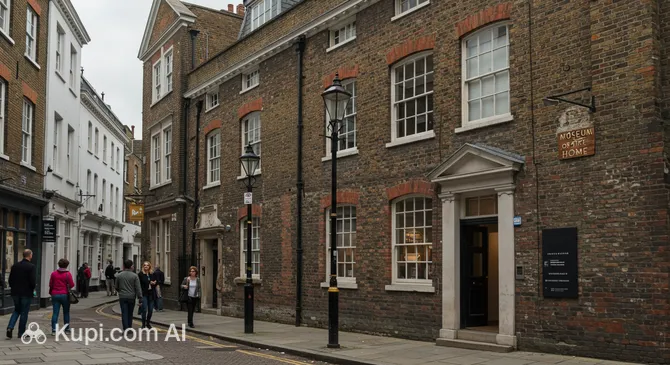
Museum of the Home. Illustration.
Source: Kupi.com AI
Traveler photos:
While there are no specific hotels in the provided list of attractions, Spitalfields and its surroundings abound with options: from luxury hotels of famous chains to independent hotels with unique designs and cozy apartments that are perfect for families or long stays. The price range varies from budget offers to luxury options, so every traveler will be able to find something suitable.
To ensure the best choice and prices, it is recommended to book your accommodation in advance, especially if your trip coincides with the peak tourist season or major events in London. Most hotels and apartments can be easily booked through popular online platforms such as Booking.com, Expedia, or Airbnb, as well as directly on hotel websites. This allows you to compare prices, read reviews from other travelers, and choose the optimal option for your stay in Spitalfields.
Nearby Cities
For those who want to explore the surrounding area, Spitalfields serves as an excellent starting point for day trips to several interesting nearby locations:
Just a few kilometers away is London, one of the world's greatest capitals, offering an endless array of attractions. From historical treasures like the Tower of London and Buckingham Palace to world-renowned museums and vibrant theater districts, London has something to captivate every traveler.
Very close by is Westminster, the political and historical heart of Great Britain. Here you can see the famous Westminster Abbey, the Houses of Parliament with the Elizabeth Tower (Big Ben), and stroll through the government district of Whitehall.
These nearby destinations provide a glimpse into the diverse culture and landscapes of the region, offering many options for a fulfilling day outside of Spitalfields.
Shopping & Souvenirs
Shopping in Spitalfields is a fascinating dive into the world of vintage finds, designer boutiques, and colorful markets. This London district is famous for its eclectic atmosphere, where history meets modernity, offering unique items that are hard to find in conventional shopping centers. You can find everything here: from antiques and rare books to fashion from emerging designers and handcrafted jewelry.
The main magnets for shopping enthusiasts in Spitalfields are the areas around the famous Old Spitalfields Market and Brick Lane. Brick Lane and its side streets are home to many independent shops, galleries, vintage stores, and street fashion boutiques. Strolling through these places is a pleasure in itself, allowing you to soak up the district's creative energy.
While Spitalfields is better known for its markets and boutiques than traditional shopping malls, there are interesting options nearby and in the wider London area. For instance, BOXPARK Shoreditch is a unique shopping complex built from shipping containers, housing pop-up shops, independent brands, and various food stalls. For a larger-scale shopping experience, you can head to Canary Wharf, a major business and shopping district with many well-known brand stores, though it is somewhat further from Spitalfields itself.
Canary Wharf. Illustration.
Source: Kupi.com AI
Traveler photos:
Markets are the heart of the Spitalfields shopping scene. Old Spitalfields Market is a covered market open daily, where you can find clothing, accessories, art, antiques, and food. On Thursdays, an antiques market is held here, and on other days the theme may vary. Equally famous is Brick Lane Market, particularly lively on Sundays, offering vintage, second-hand items, street food, and exotic goods. It's also worth visiting the historic Leadenhall Market, known for its magnificent Victorian architecture and variety of shops and restaurants.
From Spitalfields, it's worth bringing home unique souvenirs that reflect its character. These could be vintage clothes or accessories found on Brick Lane, handmade items from local designers featured at Old Spitalfields Market, art prints, unusual books, or decorative objects. Products from local gourmet food shops are also popular.
Most shops in Spitalfields and London in general are typically open from 10:00 to 18:00 or 19:00 Monday to Saturday, while on Sundays, opening hours may be shorter (e.g., 12:00 to 18:00). Markets often have their own schedules, becoming especially vibrant on weekends. Bank cards, including contactless payments, are accepted everywhere. Cash is also accepted, but cards are preferred, especially in smaller shops and markets.
Regarding Tax Free, it is important to know that following the United Kingdom's exit from the EU, the VAT Retail Export Scheme for tourists on goods purchased in England, Scotland, and Wales was abolished. This means most tourists can no longer claim a tax refund on purchases made in Spitalfields or other parts of Great Britain (with the exception of Northern Ireland under certain conditions). It is recommended to check for the most up-to-date information before your trip.