Support

Lambeth

About

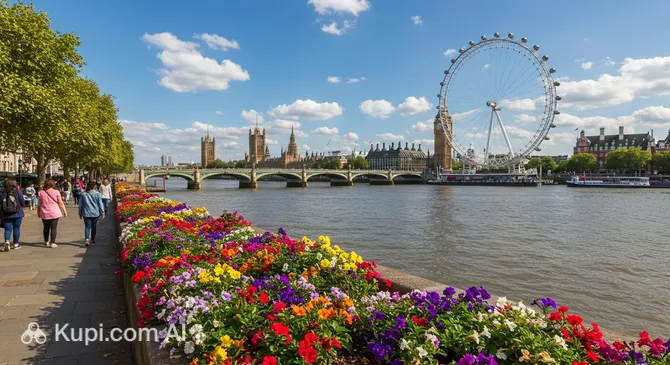
Lambeth is one of London's most vibrant and dynamic districts, located in the heart of Great Britain. Stretching along the south bank of the Thames, it is famous for its rich history, cultural diversity, and a unique atmosphere where modernity harmoniously intertwines with centuries-old traditions.

Lambeth. Illustration.
Source: Kupi.com AI

Travelers are drawn to Lambeth by its many iconic landmarks. Among them is the world-famous London Eye observation wheel, offering breathtaking panoramic views of the city. Equally attractive is the Southbank Centre cultural complex, which brings together concert halls, galleries, and theaters. Historical significance is added to the district by Lambeth Palace—the London residence of the Archbishop of Canterbury—as well as the impressive Imperial War Museum London.

Lambeth is a place where everyone will find something for themselves: from walks along the embankment and visits to world-famous attractions to exploring the local art scene and cozy cafes. This area of London will undoubtedly leave you with bright and unforgettable impressions!

You can find more interesting facts on the Lambeth history page.

Weather Overview

The weather in Lambeth is usually mild and temperate, characteristic of London and its surroundings. Summers here are generally warm: average temperatures in July and August are around 18°C, with maximum values reaching 20-22°C. Winters in Lambeth are cool, but without severe frosts: the average January temperature stays at about 4.9°C. Precipitation is fairly evenly distributed throughout the year, averaging about 2 mm per month, except for October when the amount may slightly increase to 3 mm. The number of rainy days varies from 9 to 15 per month, so an umbrella may come in handy at any time of year. Overall, expect warm summers with occasional rain and cool winters with frequent but not overly heavy precipitation. To find out the current forecast and get more detailed information, visit the Lambeth weather page.

Average monthly temperature

Average monthly precipitation

Interesting Facts

In addition to its world-famous landmarks like the London Eye and Lambeth Palace, Lambeth hides many amazing stories and little-known facts that make it even more alluring for curious travelers. Here are just a few:

  • The world-famous song and dance "The Lambeth Walk," which became a true cultural phenomenon in the 1930s, took its name from one of the streets in this district. The dance imitated the characteristic walk of London Cockneys and quickly gained popularity far beyond Great Britain.

  • It is in Lambeth, in the Vauxhall area, that the impressive headquarters of the British Secret Intelligence Service, better known as MI6, is located. This modern structure on the banks of the Thames has repeatedly "starred" in James Bond films, adding to its mystery and popularity.

  • In the past, Lambeth was home to the legendary Vauxhall Gardens—one of London's leading pleasure gardens, which flourished from the mid-17th to the mid-19th century. It was a magnet for all levels of society, where one could enjoy music, fireworks, acrobatic performances, and other open-air entertainment.

  • Under the railway arches of Waterloo Station in Lambeth lies the famous Leake Street Tunnel, also unofficially known as the "Banksy Tunnel." This unique space is the only place in London where creating graffiti is legally permitted, making its walls a constantly changing gallery of vibrant street art.

  • Lambeth Palace, the official London residence of the Archbishop of Canterbury, houses one of England's oldest and most significant libraries—the Lambeth Palace Library. Its collections include rare manuscripts and printed books of immense historical value.

How to Get There

Reaching Lambeth, one of London's central and lively districts, can be done in several convenient ways. As part of the capital of Great Britain, Lambeth is perfectly integrated into its transport system, making it easy to get here from other parts of the country and from abroad.

The primary method for international travelers is flying into one of London's airports. Although there are no airports within Lambeth itself, several major international hubs are located at a reasonable distance and are well-connected to the city center. The closest is London City Airport (LCY), located about 12 km to the east. This is a compact airport; a trip from there to Lambeth by taxi or using the Docklands Light Railway (DLR) followed by a transfer to the Tube takes about 35-45 minutes.

The largest airport, Heathrow Airport (LHR), is located about 24 km west of Lambeth. Despite the greater distance, thanks to the Heathrow Express and Tube lines (such as the Piccadilly Line), the journey to Lambeth usually takes between 50 minutes and an hour and a half. Heathrow serves a huge number of international flights.

Another significant international airport is London Gatwick (LGW), located about 38 km south of Lambeth. From Gatwick to central London, from where Lambeth is easily accessible (for example, to Victoria Station), the Gatwick Express and other trains run regularly. The trip usually takes about 60-80 minutes.

For clarity, here is summary information on the main airports serving London that are convenient for traveling to Lambeth:

AirportPassenger trafficDistance
London City Airport3.6 mln12 km
Heathrow Airport83.9 mln24 km
London Gatwick Airport43.2 mln38 km
London Luton Airport16.7 mln46 km
Stansted Airport29.8 mln50 km

Lambeth is also excellently connected by rail. Several major London railway stations are in the immediate vicinity or within easy reach. A key one is Waterloo Station (QQW), located just about 1.1 km from the central part of Lambeth, effectively on its border. This is a major transport hub from which many Lambeth attractions can be reached on foot or quickly by bus.

Another important railway hub is Victoria (railway station) (ZEP), located about 1.9 km from Lambeth. It is one of London's busiest stations, receiving trains from the south and southeast of England, as well as the Gatwick Express. From here, Lambeth is easily reached by Tube (Victoria Line) or bus in 15-25 minutes.

Main railway stations convenient for accessing Lambeth:

StationPassenger trafficDistance
Waterloo Station62.5 mln1 km
London Victoria Station50.8 mln2 km
Liverpool Street Station94.5 mln4 km
Euston Station36.2 mln4 km
St Pancras International36 mln4 km

In addition to air and rail links, Lambeth can be reached by car, as the district has good connections to London's main road arteries. Within London itself, there is an extensive public transport network, including the famous red buses and the Underground (Tube), which provide easy movement around Lambeth and to other parts of the city.

Main Attractions

Lambeth is a true kaleidoscope of experiences, and getting to know it is impossible without visiting its iconic landmarks. Here, everyone will find something to their liking, from breathtaking panoramas to deep dives into history and art.

One of the most recognizable symbols of not only Lambeth but all of London is the famous London Eye. From its height, truly unforgettable views of the Thames, the Palace of Westminster, and other key points of the city unfold. A ride in one of its spacious capsules is a great opportunity to see London from a bird's-eye view and take stunning photos. This is a must-see for those who want to feel the scale of the British capital and enjoy magnificent urban landscapes.

For those interested in history and its impact on society, a visit to the Imperial War Museum London is highly recommended. Located in the former Bethlem Royal Hospital building, the museum offers extensive and profound exhibitions dedicated to conflicts of the 20th and 21st centuries. Here, you can see military equipment, soldiers' personal belongings, works of art, and hear touching stories from eyewitnesses. The museum encourages reflection on the price of peace and the consequences of war, providing visitors with food for thought.

The cultural heart of the district is rightfully considered the Southbank Centre. This large arts complex on the south bank of the Thames brings together several venues, including the Royal Festival Hall, the Hayward Gallery, and others. Concerts of classical and contemporary music, theatrical productions, art exhibitions, and literary events take place here year-round. The Southbank Centre attracts both connoisseurs of high art and those who simply want to immerse themselves in a creative atmosphere and enjoy vibrant events.

If you are traveling with family or simply love the marine world, then SEA LIFE London Aquarium will give you plenty of positive emotions. Located near the London Eye, this aquarium is home to thousands of marine creatures from around the world, from colorful tropical fish to majestic sharks and playful penguins. A walk through the glass tunnels surrounded by water creates a sense of total immersion in the underwater kingdom and leaves an unforgettable impression on both children and adults. It is a wonderful place for educational and exciting leisure.

Of course, these are just a few of the many attractions that Lambeth has to offer. The historic Lambeth Palace, picturesque embankments, and numerous galleries also deserve attention and will help you get to know this amazing area of London more deeply.

Local Cuisine

Lambeth's gastronomic scene is a vibrant reflection of London's multicultural spirit, offering travelers a kaleidoscope of flavors. Here, traditional British dishes harmoniously coexist with cuisines from all over the world, creating a unique culinary mosaic. When planning a food tour of Lambeth, be prepared for pleasant discoveries at every turn, from cozy pubs to lively street food stalls.

It is definitely worth trying the classics of British cuisine. Start with a hearty "fish and chips"—battered fish served with fries—which is perfect for lunch in a traditional pub. Don't miss the chance to enjoy a Sunday roast with Yorkshire pudding and vegetables if your visit falls on a weekend. Various meat pies are also popular, such as steak and ale or chicken and mushroom.

Thanks to its diversity, Lambeth offers a rich selection of international cuisine. Here you will find authentic Indian curries, aromatic Caribbean dishes like jerk chicken or rice and peas, as well as establishments with Middle Eastern, African, and European culinary traditions. Many restaurants and cafes take pride in using fresh local produce, which adds a special flavor to the dishes.

As for drinks, Lambeth's pubs offer a wide selection of traditional English ale and cider. In recent years, craft beer from local breweries has been gaining popularity. Of course, the famous English tea cannot be overlooked—it is served everywhere, from classic black tea to various herbal blends. Coffee lovers will also find many coffee shops serving quality brews.

The food culture in Lambeth is diverse. Locals and tourists often choose pubs not just for drinks, but for a full lunch or dinner in an informal setting. Numerous restaurants offer dishes for every taste and budget, from budget cafes to fine dining establishments. In recent years, street food has become increasingly popular—at markets and temporary food courts, you can try interesting and inexpensive dishes from around the world. This is a great opportunity to grab a quick bite while walking through this lively district of Great Britain.

Travel Tips

Planning a trip to Lambeth? Wonderful! To ensure your journey through this vibrant London district is as comfortable as possible and leaves only pleasant impressions, we have prepared some practical tips. They will help you find your way and enjoy everything Lambeth has to offer.

  1. Clothing and Essentials: The weather in Great Britain, and in Lambeth in particular, is quite changeable. We recommend dressing in layers. It can be warm in summer, but a light jacket or sweater won't hurt, especially in the evening. Be sure to take an umbrella or a raincoat, as rain is a frequent occurrence at any time of year. In winter, it is damp and cool here, but severe frosts are rare. Don't forget comfortable shoes—you'll be doing a lot of walking! You will also need an adapter for electrical appliances (Type G, British standard). When visiting Lambeth Palace or churches, more modest clothing covering shoulders and knees may be required.

  2. Transport around the city: Lambeth, as part of London, has excellent transport links. The most convenient way to get around is the London Underground (or "Tube") and the famous double-decker buses. Several Tube lines pass through or near Lambeth. You can also use river buses along the Thames for scenic views. Taxis (black cabs or via apps like Uber and Bolt) are available but more expensive. Renting a car in London is not recommended due to heavy traffic, high parking prices, and the Congestion Charge zone.

  3. Finances: The local currency is the British Pound Sterling (£, GBP). Money can be exchanged at banks or exchange offices (compare rates and commissions). Contactless payments and bank cards (Visa, Mastercard) are accepted almost everywhere. ATMs are numerous. London is quite an expensive city; budget for £70-£150 per day per person (excluding accommodation). In restaurants, a service charge of 10-12.5% is often included in the bill. If not, it is customary to leave a 10-15% tip. In pubs, tips for drinks at the bar are not mandatory.

  4. Health and Safety: Pharmacies (or chemists, such as Boots and Superdrug) are easy to find. Some are open 24/7. In emergencies, call 999. For non-urgent medical advice, the NHS 111 line is available. Lambeth is generally safe, especially the tourist areas. However, as in any metropolis, watch out for pickpockets in crowded places and on transport. At night, try to avoid poorly lit and deserted streets.

  5. Communication: The official language is English, and it is spoken everywhere. Basic polite phrases ("Hello", "Please", "Thank you") are always useful. A local SIM card can be purchased at the airport, mobile phone shops, or supermarkets. Free Wi-Fi is available in many cafes, hotels, public places, and Tube stations. Useful apps: Citymapper or TFL Go for planning public transport routes.

  6. Local Etiquette: Britons value politeness. The words "please," "thank you," and "sorry" are used very often. It is customary to queue ("queuing")—it's an important part of the culture. On public transport, it is not customary to talk loudly. When meeting, a simple "Hello" and a handshake are sufficient.

  7. What to Avoid: It is strictly not recommended to travel on public transport without a ticket—inspectors work frequently, and fines are high. Also, an important point on the Tube: on escalators, stand on the right, walk on the left. Breaking this rule can cause irritation among locals rushing about their business.

  8. Additional Tip: The most convenient and cost-effective way to pay for public transport in London is by using a contactless bank card or a special transport Oyster Card. It can be purchased and topped up at Tube stations. This will save you from having to buy single tickets and will save you money.

We hope these tips make your stay in Lambeth even more pleasant and fulfilling. This district is full of discoveries, and we are sure you will love its unique atmosphere. We wish you an unforgettable journey!

Entertainment & Nightlife

When dusk settles over Great Britain, Lambeth comes alive, becoming a center of attraction for fans of evening and night entertainment. This London district pulses with energy, offering a kaleidoscope of experiences—from trendy clubs where the music doesn't stop until dawn to cozy bars with breathtaking views of the Thames.

The main centers of Lambeth's nightlife are concentrated in several key locations. The South Bank embankment beckons with stylish bars and restaurants offering not only exquisite drinks and dishes but also magnificent panoramas of the city. Cultural venues located here often feature special evening programs. The Vauxhall area is famous for its bustling club scene, including venues popular with the LGBTQ+ community, such as the legendary Fire London club, known for its large-scale parties. It is also worth exploring the lively streets around Waterloo and Lambeth North tube stations, where you can find both traditional English pubs and modern bars, such as the vibrant and conceptual Tonight Josephine Waterloo.

The choice of venues in Lambeth is truly enormous. Fans of dance music will discover clubs with a wide variety of musical directions—from pulsing techno and house to catchy R&B and pop hits. Many clubs, especially in Vauxhall, are open until the early morning, attracting both locals and visitors to the capital. Dress codes vary: small bars have a relaxed casual atmosphere, while more exclusive clubs may require smart-casual or even dressier attire. Lambeth's bars also amaze with their diversity: from authentic English pubs where you can enjoy a pint of excellent ale to modern cocktail bars with signature mixes and panoramic views. Some restaurants stay open late, providing a great opportunity to have dinner after a theater performance or concert. While Lambeth does not have large, permanent night markets like some other London districts, the busy streets around Vauxhall and Waterloo offer plenty of options for late-night dining in numerous cafes and eateries. Given the dynamic nature of London's nightlife, it is recommended to check the official websites or specialized resources in advance for current information on programs, ticket availability, and dress codes.

When planning your night out in Lambeth, take note of a few useful tips. The greatest bustle in clubs and popular bars is observed on Friday and Saturday; on weekdays, the atmosphere is usually calmer. Entry to some clubs may be paid, especially if famous DJs are performing or during peak hours, and prices can vary significantly. The average cost of drinks corresponds to London standards: a cocktail will cost about £12-£18, and a pint of beer—£6-£8. At night, night buses run through Lambeth, and on Fridays and Saturdays, the Night Tube operates on some lines. Taxis, whether traditional black cabs or those ordered through apps (e.g., Uber or Bolt), are always available but can be a fairly expensive option, especially during peak hours. In terms of safety, popular nightlife areas like South Bank and Vauxhall are generally well-lit and crowded. Nevertheless, always remain vigilant, watch your belongings, especially in crowds, and avoid poorly lit and deserted alleys. It's better to plan your route home in advance or use official taxi ranks and trusted ride-hailing apps.

During the day, Lambeth also offers many options for an engaging pastime. In addition to the previously mentioned world-famous landmarks, this area is famous for its theaters. For example, you can catch a production at the historic The Old Vic, which has a rich history and a diverse repertoire, or enjoy a performance at one of the Southbank Centre theaters. These cultural centers offer daytime and evening performances, complementing Lambeth's rich entertainment program, which harmoniously combines daytime cultural life with vibrant nocturnal adventures. During the day, you can also enjoy walks in picturesque parks, such as Archbishop's Park, or visit one of the many art galleries offering both classical and contemporary art.

Parks & Museums

Lambeth is not only about busy streets and world-famous landmarks but also a wonderful combination of green oases for relaxation and a rich cultural heritage represented in its many museums and galleries. Here, everyone will find a corner to their liking, be it a quiet park for a leisurely stroll or an inspiring art exhibition.

Among the green zones of Lambeth, Archbishop's Park deserves special attention, snugly located next to the historic Lambeth Palace. This is a lovely place for a peaceful rest, a picnic on the grass, or simply to enjoy the silence in the heart of London. The park offers manicured lawns, playgrounds for children, and sports facilities, making it popular with both locals and tourists seeking a respite from the city bustle.

Another significant park is Kennington Park. This is not just a green area, but a place with a rich history, once the center of important public gatherings. Today, it is a spacious and picturesque park with beautiful flower beds, centuries-old trees, a charming cafe, and various sports grounds, including a cricket pitch. It is ideal for long walks, active recreation, and getting to know the daily life of Londoners.

Vauxhall Park, though smaller than some other parks in the district, charms with its neatness and friendly atmosphere. Although it is not a direct reincarnation of the famous historical Vauxhall Pleasure Gardens, it preserves the spirit of the place. In the park, you can find a model of a miniature village, fragrant lavender fields, and many quiet corners for solitude. It's a great place to take a breath and enjoy nature.

For connoisseurs of unusual museums, the Garden Museum will be a real find. Located within the walls of the converted medieval church of St Mary-at-Lambeth, it is dedicated to the history and art of gardening in Great Britain. The exhibitions include antique garden tools, botanical illustrations, plans of famous gardens, and even a small courtyard garden modeled after the 17th century. Climbing the church tower will reward you with a magnificent panoramic view of the Thames and the Palace of Westminster.

Contemporary art lovers should definitely visit the Newport Street Gallery. This private gallery was founded by the famous artist Damien Hirst to showcase his extensive personal art collection, as well as works by other leading contemporary British and international artists. The spacious, minimalist halls and regularly updated exhibitions make every visit unique and informative. A nice bonus is that entry to the gallery is often free.

The Southbank Centre cultural complex, already mentioned, is home to the Hayward Gallery. It is famous for its bold and sometimes provocative contemporary art exhibitions, featuring both world-renowned masters and emerging talents. It is one of London's key public art galleries, playing an important role in the city's cultural life.

Beyond iconic landmarks like Lambeth Palace, many corners of Lambeth bear traces of a rich history. As you walk through the district, look out for the elegant Georgian and Victorian architecture that gives it a special charm and atmosphere. For example, the area around Kennington Park and the old streets around Lambeth Walk have preserved many interesting historical buildings.

For a more authentic experience and to get to know the local flavor, head to Lower Marsh Market, one of London's oldest street markets, operating on weekdays. Here you can find a variety of street food from around the world, vintage items, books, and products by local artisans. And for those seeking quiet and unusual views, it's worth walking along the less-known sections of the Thames embankment in the Lambeth area, which offer interesting and less touristy perspectives on the city's landscapes.

Getting Around

Lambeth, as an integral part of London, boasts an excellently developed public transport system. Moving around this district and to other corners of the British capital is very convenient thanks to the variety of available options, which makes exploring the city easy and pleasant.

The core of Lambeth's transport artery is, of course, the London Underground (or "Tube"). Key lines such as Northern, Bakerloo, Victoria, and Jubilee pass through or in the immediate vicinity of the district, serving important stations including Waterloo, Lambeth North, Vauxhall, and Southwark. The London Tube is not just a means of transport, but one of the oldest, most extensive, and recognizable subway systems in the world, a landmark in its own right.

An equally important role in the transport system is played by the famous red double-decker buses. They run throughout Lambeth and far beyond its borders, offering an extensive network of routes. Many of them operate 24/7, which is particularly convenient for evening and night trips. Additionally, a ride on the upper deck of such a bus is an excellent and inexpensive way to enjoy views of city streets and attractions.

For those who prefer more scenic routes, especially along the Thames, River Bus services are available, such as Thames Clippers. Furthermore, major railway stations like Waterloo and Vauxhall, located in Lambeth or on its borders, are not only Tube stations but also important hubs for National Rail trains. They provide connections to other parts of London, the suburbs, and even other cities in the country.

The fare payment system in London is very convenient for tourists. The most popular methods are the Oyster Card or using contactless bank cards (any Visa/Mastercard with a contactless symbol, as well as Apple Pay or Google Pay). An Oyster card can be purchased and topped up at most Tube stations, in special machines, or in thousands of shops marked as Oyster Ticket Stops. There are also Travelcards (daily, weekly, etc.), but for most tourists, the "pay as you go" system with an automatic daily or weekly spending limit (capping) using an Oyster or contactless card proves to be the most advantageous. Buying individual paper tickets for a single journey is usually significantly more expensive and less convenient.

You can purchase Oyster cards or top them up at station machines or special points of sale. It is important to remember the validation rules: when entering and exiting Tube and rail stations, you must touch your card to the yellow validator. On buses, you only need to touch your card to the validator (usually pink or yellow) when boarding. The London Underground usually operates from early morning (around 5:00-5:30) until midnight, and on Fridays and Saturdays, the Night Tube runs on some key lines. Buses on many routes run 24 hours a day. For route planning and getting up-to-date traffic information, it is very convenient to use mobile apps such as Citymapper or the official Transport for London app—TfL Go.

In addition to the main public transport network, other ways of getting around are available in Lambeth. The famous black cabs can be hailed directly on the street (if the yellow "TAXI" sign is lit), while minicabs, including popular app-based services like Uber or Bolt, must be booked in advance via app or phone. For short trips and active recreation, the city's bike rental system, Santander Cycles (often informally called "Boris Bikes" by Londoners), is an excellent fit. Furthermore, many parts of Lambeth, especially the picturesque South Bank embankment, are perfect for walking, allowing you to enjoy the city's atmosphere at your own pace.

Overall, the transport system in Lambeth and throughout London is well-thought-out, intuitive, and offers many options so that tourists can easily and comfortably explore all the landmarks and hidden corners of this amazing district.
Accommodation

When planning a trip to Lambeth, you will discover a wide range of accommodation options capable of satisfying diverse needs and budgets. Here, you'll find everything from economical hostels and cozy guest houses, ideal for budget travelers and young people, to comfortable mid-range hotels offering excellent value for money. For those seeking more luxurious conditions, Lambeth offers high-end hotels with a full range of services. Additionally, renting apartments or rooms through various online platforms is very popular, allowing guests to feel like locals and enjoy more freedom and space.

When choosing a place to stay in Lambeth, it's worth paying attention to several key areas known for their convenience and proximity to iconic sites. The areas adjacent to the South Bank and Waterloo station are particularly popular. This is due to their immediate proximity to world-famous attractions like the London Eye and the Southbank Centre cultural complex, as well as the major transport hub of Waterloo Station, from which any point in London is easily accessible. The Vauxhall area is also an attractive option due to its excellent transport links and slightly calmer atmosphere, while still remaining close to central attractions. Generally, the northern part of Lambeth, located closer to the Thames, more frequently offers accommodation options with picturesque views of the river and the city.

Accommodation prices in Lambeth, as in London as a whole, vary widely—from budget options like a hostel bed or an inexpensive room, to luxurious apartments and high-end hotels in the mid-to-high price categories. To guarantee the best choice and the most favorable prices, especially if your trip is planned for the peak tourist season (summer months, Christmas, and New Year holidays) or coincides with major events, it is strongly recommended to book accommodation well in advance. The most common methods for searching and booking are popular international online platforms and hotel aggregator sites, as well as direct booking through the official websites of hotels or apartments. This will allow you to compare available options, read reviews from other travelers, and choose the most suitable place for your unforgettable stay in Lambeth.

Nearby Cities

For those looking to explore the surroundings, Lambeth serves as an excellent starting point for day trips to several interesting nearby places:

CityPopulationDistance
Westminster255 3241 km
London11 262 0002 km
Holborn13 0233 km
Spitalfields10 2864 km
Kensington64 6815 km

These nearby destinations provide insight into the region's diverse culture and landscapes. Each of these locations offers its own unique attractions: from the world-famous landmarks of massive London and the historical grandeur of Westminster to the more relaxed atmosphere of districts like Hammersmith or Fulham, and the local character of Thornton Heath.

Shopping & Souvenirs

Shopping in Lambeth is an opportunity to discover a different side of London, far from the bustle of standard shopping centers. This area of Great Britain is famous for its eclecticism: independent boutiques, vintage shops, and creative workshops reign supreme here. Lambeth is ideal for those looking for unique designer items, rare books, or pieces of art, rather than mass-market brands.

One of the district's main shopping arteries is the historic Lower Marsh street near Waterloo Station. This place has preserved the spirit of the old city and offers many independent shops, from secondhand bookstores to vintage clothing stores and cozy cafes. Another important point of attraction is the Brixton area, known for its multicultural character, where popular chain stores and unique local shops sit side-by-side on the central streets.

In Lambeth, you won't find the giant malls characteristic of other parts of the capital, but there are wonderful open-air shopping spaces. Gabriel's Wharf on the South Bank deserves special attention. This cozy enclave with bright facades brings together independent designers' studios where you can buy original clothing, jewelry, and interior items created by local artisans.

Markets are the true soul of Lambeth. The legendary Southbank Centre Book Market, tucked under Waterloo Bridge, operates daily and is a must-visit for bibliophiles looking for rare classics and modern editions. For lovers of gastronomy and vintage, Brixton Village and Market Row will be a real discovery—covered markets that have transformed into trendy gastronomic and shopping clusters with a unique atmosphere.

As souvenirs from Lambeth, it's worth bringing back something that reflects its creative spirit. This could be designer jewelry or ceramics from workshops on the South Bank, a rare book from the stalls under the bridge, or stylish gifts from the shops at major cultural centers like the National Theatre or the Southbank Centre. Items with London transport and art symbols are also popular.

Shops in Lambeth usually operate from 10:00 to 18:00 or 19:00 from Monday to Saturday, while on Sundays they open later (around 11:00-12:00) and close earlier (17:00-18:00). The primary payment method is bank cards and contactless payments, which are accepted everywhere, even at market stalls. Cash is used less frequently, and some establishments may operate on a cashless basis only.

Tourists should remember that since 2021, tax-free shopping rules in the UK have changed. VAT refunds for foreign tourists when purchasing goods in shops (for transport in personal luggage) are no longer available. This rule applies throughout the country, so you should not count on a tax refund at the airport when departing.

Reached the end of the page?

That means the route is fully explored