Support

Baltimore Museum of Art

About

The Baltimore Museum of Art (BMA) is a major and significant art museum located in Baltimore, Maryland, in the eastern USA. It is one of the city's primary cultural institutions, attracting both locals and tourists with its rich collection and engaging exhibitions.
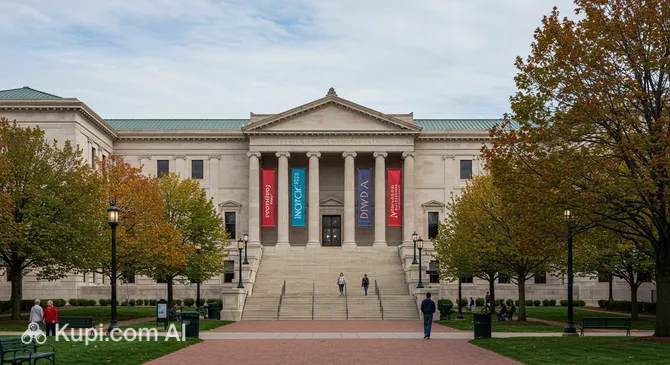
Baltimore Museum of Art. Illustration.
Source: Kupi.com AI

Traveler photos:

The museum is housed in a grand building constructed in 1929 and designed by the famous American architect John Russell Pope. Its classical architecture, with a monumental appearance resembling an ancient Roman temple, makes a lasting impression on visitors even before they step inside.

The Baltimore Museum of Art is one of the two main art museums in Baltimore and is renowned for its extensive and diverse collection. The museum takes particular pride in having one of the world's finest collections of American art, spanning from the colonial era to the late 20th century. Additionally, it features works by European masters, art from Africa, Asia, and Oceania, as well as contemporary art. A visit to the BMA promises a fascinating journey through centuries and cultures reflected in world masterpieces.

Contacts

For the most up-to-date information on exhibitions, opening hours, and special events at the Baltimore Museum of Art, it is recommended to visit the official website or contact the museum directly. On the website, you will find details about current exhibitions and planning your visit.

How to contactContact
Address10 Art Museum Dr, Baltimore, MD 21218, USA
Phone number+1 443-573-1700
Websiteartbma.org

What to Do

The Baltimore Museum of Art invites visitors on a fascinating journey through the world of American art. Here you can see a rich collection of works covering various eras and styles. Special attention is paid to pieces reflecting the history and culture of the United States. Guests can take a close look at portraits by Charles Willson Peale, Rembrandt Peale, and other members of this famous dynasty of artists, appreciate the elegance of silverware by Samuel Kirk & Son, and admire furniture created by master craftsmen John and Hugh Finley.

Painting enthusiasts will find an impressive collection of canvases, ranging from 18th and 19th-century portraits to works of American Impressionism and Modernism. Among the masterpieces on display are works by such prominent artists as John Singleton Copley, Thomas Sully, Thomas Eakins, William Kendall, John Singer Sargent, Childe Hassam, and Thomas Hart Benton. Each painting tells its own story, providing a deeper understanding of artistic movements and the development of the American school of painting.

In addition to painting, the museum offers extensive collections of prints and drawings. Of particular note is the Gallagher/Dalsheimer Collection of modern photography, which features works by masters such as Imogen Cunningham, Man Ray, Paul Strand, and Alfred Stieglitz. A visit to the Baltimore Museum of Art is a wonderful opportunity to immerse yourself in the history of American art, discover new names, and enjoy masterpieces by recognized masters.

Getting There

You can reach the Baltimore Museum of Art, located in Baltimore, in several ways, depending on your preferences and starting point. The museum is a major cultural institution, so it is generally well-integrated into the city's transport system.

One of the most common and economical options is public transport. Baltimore has a network of bus routes, and there are likely stops near the museum. It is also worth checking the routes of the local Light RailLink or Metro SubwayLink if their stations are within walking distance of the museum. For the most suitable routes and schedules, it is best to check the official Baltimore transit authority website or use online maps.

If you prefer comfort and speed, you can use taxi services or popular ridesharing apps (such as Uber or Lyft). A trip from downtown Baltimore or major transport hubs, such as Penn Station, to the museum usually doesn't take much time but will cost more than public transport. This is a convenient option if you have a lot of luggage or are traveling in a group.

For those traveling by private car, it is recommended to research parking options in advance. Street parking (often paid via meters) or paid parking garages may be available near the Baltimore Museum of Art. During peak hours or large events, finding a free spot can be more difficult, so plan your visit accordingly. If you are staying nearby, a pleasant alternative is walking to the museum, which allows you to get to know the neighborhood better.

Nearest city: Baltimore

History & Facts

The history of the Baltimore Museum of Art is inextricably linked with the dramatic events of the early 20th century. Following the Great Baltimore Fire of 1904, which caused significant damage to downtown Baltimore, city authorities developed a large-scale reconstruction plan. A key part of this plan was the creation of an art museum, which was officially founded in 1914 as the City Art Museum. Initially, its modest collection was housed in the Peabody Institute building, and the museum moved several times before finding a permanent home.

A landmark moment in the museum's history was the construction of its current building. In 1927, the foundation stone was laid for a three-story structure designed by the renowned architect John Russell Pope, with the participation of engineer Henry Adams. Completed in 1929, the building appeared before the public in all its splendor. Built in a classical style, it resembles an ancient Roman temple, giving it a particular sense of monumentality and solemnity. Since opening in the new building, the museum has firmly established itself as one of the main cultural centers of Baltimore and the USA.

A notable fact from the museum's recent history involves plans to sell several valuable artworks. In October 2020, the Baltimore Museum of Art intended to auction works by masters such as Brice Marden, Clyfford Still, and Andy Warhol at Sotheby's. The preliminary estimate for these lots was an impressive $65 million. The museum planned to use the proceeds to increase staff salaries and acquire works by female artists and representatives of various ethnic groups, following a program to increase the diversity of its collection.

However, these plans were not meant to be. The initiative met significant resistance from some members of the board of directors and museum trustees. Under pressure, which included threats to withdraw approximately $50 million in donations, the leadership was forced to pull the paintings from the auction at the last minute. This episode highlighted not only the high value of the museum's collection but also the complex decision-making dynamics within major cultural institutions.

Time Needed

When planning a visit to the Baltimore Museum of Art, you should set aside at least 2-3 hours. This will be enough for a quick overview of the main exhibitions and to get a general impression of the museum's rich collection. However, to more thoughtfully explore the masterpieces, including the famous Cone Collection, and stroll leisurely through the galleries, it is better to plan for about half a day, roughly 3-4 hours.

The time needed for a visit also depends on your interests and pace. If you plan to visit the temporary exhibitions often held at the museum, this could add another hour or two to your visit. Art lovers wishing to study the works of specific artists or periods in detail can easily spend even more time here, enjoying every piece and the atmosphere of this significant cultural institution in Baltimore.

Don't forget to account for time to visit the sculpture garden (weather permitting), the museum shop, or the café if they are part of your plans. Overall, to get the most out of your visit to the Baltimore Museum of Art, it is best not to rush and to allocate sufficient time in your USA travel schedule.

Working Hours

Exact information about the Baltimore Museum of Art opening hours may vary, so it is highly recommended to check the current schedule on the official museum website or via contact numbers before visiting. Popular museums often offer the option of booking tickets online in advance, which can help avoid queues, especially during peak seasons or for special exhibitions. This is particularly relevant if you plan to visit temporary displays.

Generally, major art museums are open year-round but may have special hours on holidays or change their schedule depending on the season. To get the latest information on opening hours, the need for advance booking, and possible special events at the Baltimore Museum of Art, please refer to the official museum resources before your visit to Baltimore.

DayOpening hours
MondayClosed
TuesdayClosed
Wednesday10:00 – 17:00
Thursday10:00 – 21:00
Friday10:00 – 17:00
Saturday10:00 – 17:00
Sunday10:00 – 17:00

Nearby

Visiting the Baltimore Museum of Art is undoubtedly a highlight, but exploring its surroundings can make your trip to Baltimore even more enriching and memorable. By exploring nearby attractions, you can dive deeper into the city's atmosphere, discover new interesting places, and gain a fuller understanding of its cultural diversity.

There are many other fascinating sites near the museum, ranging from historical monuments to entertainment venues and parks. By taking a little time to explore them, you can create a more multifaceted itinerary and take home even more impressions from your visit to the USA.

NameDistance
Peabody Heights Brewery0.8 km
Ottobar0.8 km
Druid Hill Park Pool1.4 km
The Walters Art Museum3.3 km
Baltimore Basilica3.5 km
Port Discovery Children's Museum4.3 km
National Aquarium4.6 km

Have you reached the end of the page?

So the route has been studied inside and out