Support

Mississippi River Park

About

Have you ever wondered where to experience the true power of North America's primary waterway? The Mississippi River Park is a scenic recreation area located in Baton Rouge, the capital of Louisiana, USA. This destination harmoniously blends the majesty of nature with the rhythm of a modern city, offering visitors breathtaking panoramas of the river from its high banks.
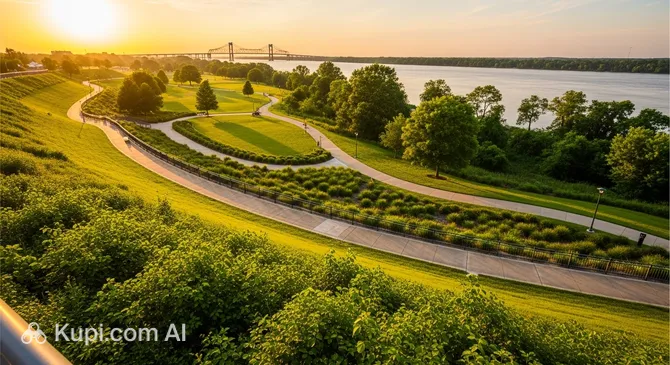
Mississippi River Park. Source: Kupi.com AI

The park occupies a strategically important position on a river bluff, historically protected by a system of levees. With a high rating (4.6 stars), it is rightfully considered one of the most popular spots for a stroll. Here, you can watch giant steamboats and modern vessels glide across the Mississippi, highlighting the city's status as a significant river port.

The park grounds are adorned with centuries-old oaks and vibrant flower beds, creating an atmosphere of peace and tranquility right in the heart of the urban bustle. It is an ideal location for those looking to experience the cultural landscape of the region without leaving the historic center.

Contacts

To inquire about current events or park rules, you may contact city services or visit local visitor information centers. The official address of the park area is listed in city records.

Address 299 River Rd, Baton Rouge, LA 70801, USA

What to Do

There is something for everyone in this park, from active exercise to quiet contemplation. Well-maintained walking and cycling trails stretching along the bank invite long strolls where you can observe the lively river traffic. Passing barges and pleasure cruises look particularly impressive in the glow of the setting sun.

Soft lawns in the shade of sprawling trees are perfect for family picnics, yoga, or reading a book in the fresh air. Photographers often come here for panoramic views of the river and the nearby Mississippi River Bridge, which are beautifully illuminated by city lights at dusk.

Thanks to its proximity to Capitol Park, a visit here easily turns into an educational journey. In the summer, the proximity to the water provides a welcome coolness, while in the fall, the surrounding nature is painted in incredible golden and crimson tones. Don't miss the chance to experience Cajun culture while walking along the waterfront, where local cultural events and festivals are occasionally held.

Getting There

Getting to this scenic spot is easy, as it is located in the heart of the city. If you are traveling by car, use the address 299 River Rd; the drive from the downtown area takes no more than 5–10 minutes. Free parking areas are available near the park, and for precise navigation, you can use the coordinates 30.4492283, -91.1905404.

For those who prefer public transportation, the CATS (Capital Area Transit System) buses serve the downtown area with stops within walking distance of the riverfront. If you are arriving from Baton Rouge Metropolitan Airport (BTR), it is most convenient to use a taxi or rental car—the trip via I-10 takes about 20–25 minutes.

Active travelers might consider cycling or walking to the park. Well-maintained paths lead from the nearby Capitol Park and the central business district, allowing you to enjoy the city views on your way to the great river. The city also offers a bike-share service, which is very convenient for tourists.

History & Facts

The history of this location is inextricably linked to the founding of the city itself. In 1699, French explorer Pierre Le Moyne d'Iberville, while sailing up the river, noticed a reddened cypress pole on a high bluff, which served as a boundary between the hunting grounds of local tribes. It was this "red stick" that gave the city its name—Baton Rouge.

By 1719, a French strategic outpost was established here. Its position on the high bank, protected from the Mississippi's floods, made this area a key hub. In the 19th century, with the boom of the steamboat era, the local port became a vital center for the cotton and sugar trade, connecting Louisiana's plantations with the rest of the world.

The city's designation as the state capital in 1849 firmly established the riverfront as the cultural and political face of the region. Walking through the park today, you can feel the remarkable blend of French, Spanish, and American traditions that have shaped the area over three centuries.

The modern Mississippi River Park is more than just a recreation area; it is a living monument to engineering. The levee system, which protects the city from flooding, is harmoniously integrated into the landscape, turning a functional structure into a beautiful observation deck offering the same river vistas seen by explorers hundreds of years ago.

Time Needed

For a leisurely walk along the main paths, watching the river vessels, and taking memorable photos, most visitors find 1–2 hours sufficient. This is enough time to feel the scale of the river and enjoy the fresh breeze.

If you plan to combine your visit with a trip to the nearby Capitol Park or one of the riverfront museums, it is worth setting aside 3–4 hours to explore the area. It is especially pleasant to linger here during the pre-sunset hours when the light becomes soft and picturesque.

Working Hours

The Mississippi River Park is accessible for visiting at any time convenient for you. Officially, the area is open to guests 24/7 throughout the week—from Monday to Sunday.

Nevertheless, for maximum comfort and safety, it is recommended to plan your walks during daylight hours or in the evening. Before visiting, it is a good idea to check the official city parks website to ensure there are no special private events taking place on the grounds.

Nearby

A stroll along the riverfront is an excellent starting point for exploring the cultural heritage of Louisiana's capital. Most iconic landmarks are concentrated within a short walking distance, allowing you to create a full day's itinerary.

Exploring the surrounding area will help you better understand the spirit of the South: from the majestic architecture of the capitols to the unique exhibits in the museum ships permanently moored in the Mississippi waters.

Name Distance (km)
Louisiana's Old State Capitol 0.3
Louisiana Art & Science Museum 0.3
USS KIDD Veterans Museum 0.6
Old Governor's Mansion 0.6
USS Kidd (DD-661) 0.6
Louisiana State Capitol 0.9
Woman's Club Inc 1.1
Old Ferry Landing 1.2
Magnolia Mound: Museum + Historic Site 2.6
LSU Campus Mounds 3.8

Reached the end of the page?

That means the route is fully explored