Support

Charles City

About

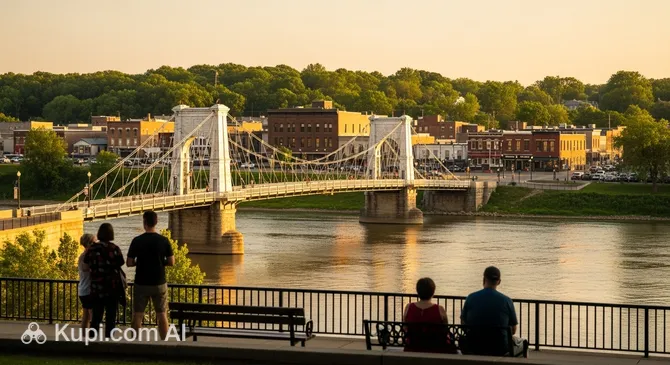
Charles City is a picturesque and atmospheric corner of Virginia where time seems to slow down. This small community attracts travelers with its coziness, tranquility, and incredibly beautiful landscapes along the James River. Unlike bustling metropolises, a measured pace of life reigns here, allowing you to fully immerse yourself in the contemplation of nature and architecture.

Charles City. Illustration.
Source: Kupi.com AI

Geographically, the city is located in the eastern part of the USA, boasting a comfortable climate with mild winters and warm summers, making it ideal for walks almost year-round. The population is small, around 7,500 people, creating a sense of intimacy and special friendliness. The area is famous for its green expanses and proximity to the water, making it attractive for outdoor enthusiasts.

The rich history of Charles City, which is inextricably linked to the region's colonial past, deserves special attention. The town and its surroundings are known for magnificently preserved historical estates and plantations, such as Berkeley and Shirley, which are true architectural gems. In addition, the popular Virginia Capital Trail, a cycling and pedestrian path, passes through the area, connecting important historical points and offering tourists an active way to explore the region.

If you are looking for a place for a peaceful yet educational trip, Charles City is an excellent choice. Come here to enjoy Southern hospitality, touch the legacy of past centuries, and take a break from the city bustle surrounded by magnificent nature.

Weather Overview

When planning a trip to this region of Virginia, it's worth noting that the climate here is characterized by clearly defined seasonality. To choose the perfect time for your visit and pack an appropriate wardrobe, we recommend checking the detailed weather in Charles City for your travel dates. Overall, weather conditions here are favorable for tourism for most of the year.

Winter in the city is quite mild but cool. The coldest month is usually January, with an average temperature of about 3.7°C, while nighttime figures can drop slightly below zero. With the arrival of spring, the air warms up quickly: by April, the average temperature reaches 14.8°C, and in May, comfortable weather sets in at around 20.1°C, which is ideal for touring historic estates.

Summer here is truly hot and humid. July is the warmest month, with an average temperature of 26.9°C, and daily highs often exceed 31°C. Travelers should be prepared for frequent precipitation during this period: July and August record the highest number of rainy days (up to 15 per month).

As autumn arrives, the heat subsides. September retains summer warmth (around 22.5°C), while October brings a pleasant coolness with average values of 16.4°C. Expect a hot summer with occasional rain and a cool winter, making the shoulder seasons some of the best periods for walking around the city.

Average monthly temperature

Average monthly precipitation

Interesting Facts

In addition to its impressive architecture and natural beauty, Charles City hides fascinating facts that make it a truly unique place on the map of America.

  • Cradle of Presidents. This region holds a rare historical status: two US presidents were born here—William Henry Harrison and John Tyler. Moreover, their ancestral estates, Berkeley and Sherwood Forest, are located very close to each other.

  • Home of the First Thanksgiving. There is a historical version that challenges the primacy of the Massachusetts pilgrims. According to documents, the first official thanksgiving service on American soil took place right here, at the Berkeley estate, in 1619—two years before the famous events in Plymouth.

  • Musical History. The world-famous bugle call "Taps," performed at military funerals and evening ceremonies, was composed in these parts. General Daniel Butterfield wrote it at the Harrison’s Landing camp during the Civil War in 1862.

  • Record of Continuity. Shirley Plantation, located nearby, is considered the oldest family-owned business in North America. The estate has been managed by the same family (the Hill-Carters) for eleven generations, starting in 1638.

How to Get There

When planning a trip through Virginia's historic sites, it is important to think through the logistics in advance. Since the town is located in a quiet area, there are no direct flights here, but the well-developed transport network of neighboring regions allows for easy access. You can find all the details and see all the ways to get to Charles City on a dedicated page, and below we will look at the main options.

There is no airport in Charles City itself, so travelers usually use the air harbors of neighboring cities. The most convenient option is Richmond International Airport (RIC), located in Highland Springs. It is only 28.4 km from Charles City. A trip from there by taxi or rental car will take approximately 30 minutes, making it the priority choice.

An alternative option could be Norfolk International Airport (ORF) in Norfolk, located about 92 km away. The drive from this airport will take about 1 hour and 15 minutes. For those flying from afar or on international flights, it makes sense to consider the large Ronald Reagan Washington National Airport (DCA) near Washington, although it is significantly further away—167.5 km from the destination.

For clarity, here is a summary of the region's main airports:

AirportPassenger trafficDistance
Richmond International Airport4.9 mln28 km
Newport News/Williamsburg International Airport144 96656 km
Norfolk International Airport4.9 mln92 km
Charlottesville Albemarle Airport549 000150 km
Ronald Reagan National Airport25.5 mln167 km

If you prefer ground transport, the railway can also be part of your route. There is no train station in Charles City itself, but the nearest arrival point for trains is the Williamsburg Train Station (ZWB), which is about 33 km from the town. From the station to Charles City, you can reach your destination by taxi or transfer in about 35–40 minutes.

Another popular hub is the Richmond Train Station (ZRD), located in Glen Allen, 48.4 km from the center of Charles City. This is a large station with good connections, from which the journey to your final destination will take about 45–50 minutes by car.

Below is information about the nearest railway stations:

StationPassenger trafficDistance
Williamsburg Railway Station74 83733 km
Richmond Railway Station461 87148 km
Newport News Railway Station97 59766 km
Washington Union Station5.6 mln173 km
New Carrollton Station3.5 mln179 km

Main Attractions

The main pride of Charles City is its famous historic estates located along the scenic Route 5, which connects Richmond and Williamsburg. These majestic manors, standing on the banks of the James River, offer tourists a unique opportunity to travel back to the era of colonial America and see how prominent figures of the past lived.

One of the most visited attractions is Berkeley Plantation. This site is often called Virginia's most historic plantation. Tourists come here to stroll through the magnificent terraced gardens sloping down to the river and to tour the Georgian mansion filled with antiques. According to tradition, the first Thanksgiving was held here, and it is the birthplace of President William Henry Harrison and Benjamin Harrison V, a signer of the Declaration of Independence. Tours of the house reveal many details about 18th-century daily life.

No less impressive is Shirley Plantation, famous for its architectural refinement. It is the oldest plantation in Virginia, founded in 1613, and is still owned by the same family. The main house is known for its unique "flying" walnut staircase, which has no visible support and is a masterpiece of woodworking. Visitors can tour the first floor of the mansion, as well as the preserved outbuildings, including the kitchen and barns, providing a complete picture of life on a large estate.

For those interested in presidential history, Sherwood Forest Plantation, the former residence of President John Tyler, is a must-visit. This house is unique for its length—over 90 meters—making it the longest frame house in America. The estate is surrounded by ancient trees and a beautiful park. While the house remains a private residence, the grounds are open for self-guided tours, and house tours are available by appointment, allowing visitors to see the president's personal belongings and interiors of that era.

For those who prefer active recreation combined with history, the Virginia Capital Trail is an excellent choice. This paved multi-use trail passes through Charles City and is perfect for cycling and walking. The route passes many historical markers and offers scenic views of the region's nature, allowing tourists to explore the surroundings at their own pace.

Local Cuisine

The culinary scene of Charles City is the embodiment of Southern hospitality and traditions rooted in the colonial era. The cuisine here is simple, hearty, and incredibly delicious, based on fresh farm products and the bounty of the James River. A trip here would be incomplete without trying classic Virginia dishes, which take on a special charm in these historical settings.

Local seafood is considered the region's main delicacy. You should definitely try oysters harvested from the James River or a thick she-crab soup, known for its delicate creamy texture. Another hallmark of local cooking is the famous Virginia ham. This salty, cured meat is often served on warm, freshly baked biscuits—an ideal option for breakfast or a light snack.

If you want something more substantial, look for Brunswick stew. This thick, rich dish made with chicken or pork, tomatoes, corn, and lima beans is a true Southern classic. Locals take pride in their recipes for this stew, and it can often be found on the menus of small family cafes.

Regarding beverages, Charles City occupies an important place on the region's wine map. The town is located along a popular wine trail, so tasting local wines is a must. Vineyards here benefit from the mild climate and fertile soils, creating excellent white and red varieties. Among non-alcoholic drinks, traditional sweet tea is ubiquitous and perfectly refreshing on hot summer days.

The food culture in Charles City differs from the usual urban rhythm. You won't find noisy food courts or an abundance of street food here. The main gastronomic attractions are cozy taverns and restaurants at historic plantations and wineries. Lunch or dinner here often takes place on open terraces overlooking the river or endless fields, turning a meal into a leisurely ritual of enjoying nature and flavor.

Travel Tips

A trip to Charles City is an immersion into the calm atmosphere of the American South, which requires some preparation due to the region's rural nature. To ensure your holiday goes smoothly and leaves only pleasant memories, we have gathered several important practical recommendations relevant to this area.

  1. Clothing and Footwear. Given Virginia's humid climate, opt for light, breathable fabrics in summer, and dress in layers during winter and the shoulder seasons to adjust to the changeable weather. Most importantly, bring comfortable closed-toe shoes without heels. You will be walking a lot on gravel paths of historic estates, grassy lawns, and forest trails, where foot comfort is a priority.

  2. Transportation. Charles City is a vast rural area where public transport is virtually non-existent. Renting a car is a strict necessity. Ride-hailing apps (Uber or Lyft) work inconsistently here: wait times can be very long, and there may be no cars nearby at all, so rely only on your own vehicle.

  3. Finances. The official currency is the US dollar. Souvenir shops at plantations and local restaurants accept credit cards (Visa, Mastercard), but having some cash (1, 5, 10 dollar bills) is useful for small tips or purchases at farm stands. Don't forget that in the US, it is customary to tip waiters 18–20% of the bill.

  4. Health and Safety. The area is very quiet and safe, but proximity to nature dictates its own rules. In warm weather, be sure to use repellents: there may be mosquitoes and ticks in the woods and near the water. Note that there are no 24-hour pharmacies in Charles City itself; the nearest major medical facilities are in neighboring cities (Richmond or Williamsburg), so pack a travel first-aid kit in advance.

  5. Communication and Connectivity. The primary language is English. Mobile service and 4G/5G internet work steadily along the main road (Route 5) but may drop out deep in the parks or near the river. We recommend downloading offline maps of the area in advance to confidently navigate between attractions without network access.

  6. Local Etiquette. Virginia is famous for its hospitality. It is customary to be polite, greeting museum staff and even strangers on walking trails. Remember that some historic estates (such as Shirley or Sherwood Forest) are still private residences where people live. Strictly respect the boundaries of areas accessible to tourists and do not enter areas marked "Private."

  7. What to Avoid. Do not exceed the speed limit on the scenic Route 5. This road is very popular with cyclists traveling the Virginia Capital Trail, which often intersects with the roadway. Be extremely careful behind the wheel, especially on turns, to ensure the safety of all road users.

  8. Time Planning. Consider the early closing times of tourist sites. Most plantations and museums finish work at 5:00 PM, and the last tours often begin at 4:00 PM or even 3:30 PM. Start your day early to see everything planned without rushing.

By following these simple tips, you can avoid organizational inconveniences and fully focus on the beauty of the landscapes and the rich history of this amazing region. We wish you an exciting and comfortable journey through Charles City!

Entertainment & Nightlife

Entertainment and evening leisure in Charles City differ dramatically from the usual rhythm of big cities. You won't find noisy blocks with nightclubs, neon-lit discos, or bars open until dawn. "Nightlife" in this historical corner of Virginia primarily consists of cozy gastronomic evenings, local beverage tastings at sunset, and the soulful atmosphere of the Southern countryside. Evening here is a time for relaxation after a busy day, spent in the company of good food and scenic views.

The center of attraction in the evening is the famous scenic Route 5. It is along this road that the main establishments where you can enjoy your time after sunset are located. The format of most places includes historic taverns or restaurants at wineries, where the emphasis is on quality products and conversation. The crowd here is respectable: tourists visiting plantations and locals who value tranquility. The dress code is "smart casual" or simply casual almost everywhere; there are no strict requirements for evening attire, but a neat appearance is appreciated.

If you're looking for a memorable dinner with local flavor, check out Indian Fields Tavern. This establishment is housed in a restored 19th-century farmhouse and is famous for its authentic atmosphere. Here you can try craft beer and modern Southern cuisine while enjoying the quiet on the spacious veranda. Another popular spot is Cul’s Courthouse Grille. Located in an old general store building, it offers a more laid-back setting. It's a great place to have a glass of wine or beer, eat a burger, and chat with locals. Sometimes on weekends, live music plays here, creating a warm, homey atmosphere.

For those seeking more active nightlife and dancing until morning, the city's geographic location should be kept in mind. For true club energy, cocktail bars, and concerts, it's better to head to neighboring Richmond (about a 30–40 minute drive). The state capital offers the Shockoe Bottom district, known for its concentration of nightlife venues, pubs, and music stages. Charles City, meanwhile, remains an oasis of silence.

Practical tips for evening leisure:

  • Opening hours: Be prepared for "night" to come early here. Most restaurant kitchens close as early as 8:00 PM or 9:00 PM, even on weekends. Plan your dinner in advance.
  • Transport and safety: This is a critical point. There is no public transport in Charles City, and taxi services (Uber/Lyft) are virtually unavailable at night. Streets and highways (especially Route 5) are not lit by streetlights; they are very dark and winding. The main hazard on the road at night is wildlife, particularly deer.
  • Alcohol: Since you will need to travel by car, designate a "sober driver" in advance. State police strictly monitor road safety.

While the evening program here is quiet, daytime activities in Charles City are quite diverse. Tourists spend most of their time exploring majestic estates like Berkeley or Shirley, which operate as open-air museums. Active recreation is also popular: cycling along the Virginia Capital Trail or picnicking in parks by the James River. This contrast between an active day and a peaceful evening makes a trip here harmonious and restorative.

Parks & Museums

Charles City is a unique place where the natural beauty of river landscapes harmoniously intertwines with a rich cultural heritage. The town and its surroundings offer tourists not typical city entertainment, but an opportunity to slow down, walk along shaded alleys of ancient trees, and immerse themselves in history through preserved artifacts and architecture.

Parks and Natural Areas

Although Charles City is primarily known for its plantations, there are wonderful public spaces for connecting with nature.

One of the most scenic spots is Lawrence Lewis, Jr. Park. This park is located right on the banks of the James River and is an ideal spot for wildlife viewing. Tourists come here to walk along the boardwalks extending into the wetlands, where herons and bald eagles can be seen. For fishing enthusiasts, there is a convenient pier, and picnic areas allow for a lunch with a magnificent view of the water.

Another important green artery of the region is the section of the Virginia Capital Trail. Although it is a long route, the part passing through Charles City deserves special mention as a park-like area. This is a safe, paved space surrounded by forests and agricultural lands, where you can take a long walk or run away from car traffic while enjoying the silence of the countryside.

Museums and Cultural Centers

The cultural life of the town is concentrated not in classical galleries, but in historical centers and estates that function as museums.

The main guardian of the region's memory is the Charles City County History Center. Located in the courthouse complex, this museum offers a deep look into the area's history that goes beyond the lives of wealthy landowners. Exhibits tell the story of the indigenous population—the Chickahominy tribes—as well as the legacy of African Americans and their contribution to the region's development. This is a must-visit for those who want a complete and objective picture of the past.

Historic estates such as Shirley and Berkeley serve as museums of decorative arts and daily life. Unlike just viewing the facades, tours inside these houses allow you to see unique collections of antique furniture, English silver, 18th-century portraiture, and ancient books. The interiors are preserved with museum-like precision, allowing tourists to literally step into the era of colonial America.

Historical and Architectural Monuments

In addition to the residential manors, an important architectural monument is Westover Parish Church. Built in the 1730s, this brick building is a fine example of colonial architecture. The church is still active, and its walls hold the history of many generations of local residents, including the families of presidents and the country's founders. A walk through the old cemetery next to the church is also of historical interest.

Insider Tip

If you want to see a "different" Charles City, head to the docks on the Chickahominy River at sunset. This spot is less popular with tourists than the James River, but it's where you can feel the true atmosphere of quiet provincial America and, if you're lucky, see local kayakers training.
Getting Around

It is important to note the region's specifics: Charles City is a rural county with low population density, so the public transport system familiar to urban tourists is virtually non-existent here. There is no metro, tram, trolleybus, or extensive network of scheduled buses in the town and its surroundings. Distances between historic estates and natural parks are significant, making walking between them impossible.

The only truly reliable way for travelers to get around is a rental car. It is recommended to rent a car immediately upon arrival at Richmond or Norfolk airport. The road infrastructure here is excellent: the main tourist artery—the scenic Route 5 (John Tyler Memorial Highway)—has high-quality paving and clear navigation. Parking at all major attractions, restaurants, and parks is generally free and spacious, so there are no parking issues.

As for taxis and popular ride-sharing apps (Uber, Lyft), relying on them as a primary mode of transport is risky. While it is technically possible to call a car, due to the remote locations, wait times can range from 30 minutes to an hour. Furthermore, in the evening or in remote parts of the county, there may simply be no available cars nearby, and you risk getting stranded. If you still decide to use a taxi, arrange the trip in advance or book a transfer through your hotel.

A unique alternative for active tourists is the bicycle. The famous Virginia Capital Trail passes through the entire county—a dedicated paved path separated from car traffic. It links many historic plantations and allows you to travel between them safely and comfortably. Bike rental points can be found at the trail's trailheads or in neighboring large cities. Rental payment is usually hourly or daily, and bank cards are accepted.

You won't need any travel passes or transport cards for getting around Charles City. Your transport costs will consist solely of the cost of car rental, fuel, or bike rental. When planning logistics, keep in mind that there are few gas stations on Route 5 itself, so we recommend monitoring your fuel level and refueling when leaving larger settlements.

Accommodation

Where to stay:

Choosing accommodation in Charles City is significantly different from the usual hotel search in major tourist centers. Here you won't find high-rise hotel complexes or standard chain hotels. Accommodation in this region is part of the cultural immersion: tourists are offered stays in cozy bed and breakfasts (B&Bs), historic cottages, or guest houses located in close proximity to nature and the James River.

Geographically, the most convenient and popular area to stay is along the scenic Route 5. By staying here, you will be in the center of the "museum belt," just a few minutes' drive from the famous plantations of Berkeley, Shirley, and Sherwood Forest. This is an ideal option for those who want to wake up to views of ancient fields and enjoy the silence of the countryside without spending time on long commutes.

If you prefer modern hotels with a full range of services, a swimming pool, and 24-hour service, it makes sense to consider accommodation options in the neighboring cities of Richmond or Williamsburg. They are a 30–40 minute drive away, allowing you to combine the comfort of urban infrastructure with day trips to the historical heart of Charles City.

Booking tip: Since the number of accommodation options directly in Charles City is very limited and demand is high during peak seasons (spring and autumn), it is highly recommended to book your stay in advance. It is best to plan your overnight stay 2–3 months before the trip, especially if your visit coincides with a weekend or popular wedding dates.

The price range varies from medium to high. There are virtually no budget hostels here. The cost of staying in historic B&Bs often includes a homemade breakfast and a unique atmosphere, justifying the higher price tag. You can book accommodation through popular online platforms or directly on guest house websites, which sometimes allows you to get better terms or special offers for a romantic weekend.

Nearby Cities

For travelers wishing to expand their itinerary, Charles City serves as an excellent base for day trips. Thanks to its convenient location between Virginia's key historical and cultural centers, guests can easily combine a quiet rural holiday with rich excursions to neighboring cities.

Just 33 kilometers away is Williamsburg, a world-famous open-air museum city. This is the perfect place to immerse yourself in the atmosphere of 18th-century colonial America: on the streets of "Colonial Williamsburg," you can meet artisans in period costumes, visit working workshops, and dine in authentic taverns. Additionally, it is home to the famous Busch Gardens amusement park, which attracts thrill-seekers and families alike.

If you're interested in a more dynamic pace, head to the state capital. Majestic Richmond offers a rich cultural program: from visiting the impressive Virginia Museum of Fine Arts (VMFA) to walking across Belle Isle on the James River. The city is famous for its eclectic architecture, Civil War history, and the trendy Carytown district with its boutiques and restaurants.

Rounding out the famous "Historic Triangle" is Yorktown, located by a picturesque waterfront. This site of the decisive battle in the American Revolutionary War attracts tourists with the American Revolution Museum and well-preserved battlefields. After a tour, it’s pleasant to stroll along Riverwalk Landing, enjoying water views and charming shops.

CityPopulationDistance
Tree Point11 km
Hopewell23 02020 km
Highland Springs14 82332 km
Colonial Heights18 12732 km
Petersburg33 22932 km

Such a variety of destinations within an hour's drive allows you to create an exciting route covering both important historical milestones and modern regional entertainment.

Shopping & Souvenirs

Shopping in Charles City is fundamentally different from the usual shopping trips in major tourist centers. Here you won't find multi-story malls, noisy shopping streets with global brands, or outlets. The commercial sphere of this quiet region is inextricably linked to its historical and agrarian character. Shopping here is more of a pleasant addition to the sightseeing program, an opportunity to purchase unique local products, antiques, and souvenirs that preserve the spirit of the past.

Main Shopping Areas

There is no central shopping street in the town in the traditional sense. All commercial life is concentrated along the scenic Route 5 (John Tyler Memorial Highway). It is here, at the entrances to the famous historic estates, that the region's best souvenir shops are located. For example, the shops at Shirley and Berkeley plantations offer more than just magnets; they have carefully curated collections of goods, from replicas of historic household items to history books and local decorative arts. These are places where you can find truly authentic items.

Shopping Centers

There are no large shopping centers in Charles City itself. However, lovers of large-scale shopping shouldn't be disappointed: just 20–30 minutes away, in the neighboring city of Williamsburg, are the famous Williamsburg Premium Outlets. This is one of the best outlet complexes in the region, featuring dozens of clothing, footwear, and accessory brands with significant discounts. If you are interested in classic malls with entertainment and food courts, head towards Richmond, to Short Pump Town Center, for example.

Markets and Farm Stands

An important part of the local flavor are the seasonal farm stands found along the roads. They sell the freshest products grown on Virginia's fertile lands. Tourists often stop to buy seasonal fruits, vegetables, homemade jams, or honey. While there is no large central market, these small farm stands allow you to touch the region's gastronomic culture and buy delicious gifts.

What to Bring Back (Souvenirs)

The choice of souvenirs in Charles City reflects the traditions of the Southern USA. Here is a list of things to look out for:

  • Virginia Peanuts: The state is famous for its peanuts, which are prepared here in many variations—from salted to chocolate-glazed.
  • Local Wine: Regional wineries (such as Upper Shirley Vineyards) offer excellent wines that make wonderful gifts.
  • Historical Souvenirs: Museum shops sell high-quality reproductions of maps, colonial-style dishware, textiles, and jewelry.
  • Virginia Ham (Country Ham): A famous meat delicacy that can be found in specialized shops.

Opening Hours and Payment

Shops at attractions and plantations usually follow the museums' schedules: from 9:30–10:00 AM to 4:30–5:00 PM. Small private shops may close earlier or be closed at the beginning of the week. Bank cards (Visa, Mastercard, American Express) are accepted almost everywhere, but for purchases at roadside farm stands, it is recommended to carry cash in US dollars (small bills).

Taxes (Tax Free)

In the United States, the Tax Free system (VAT refund) for tourists works differently than in Europe, and in Virginia, it is virtually non-existent for regular retail purchases. Prices on tags are shown without Sales Tax, which in this region is around 5.3–6%. Be prepared for the final amount at the register to be slightly higher than the price shown on the item. It is generally not possible to claim a refund for this tax when leaving the country.

Reached the end of the page?

That means the route is fully explored