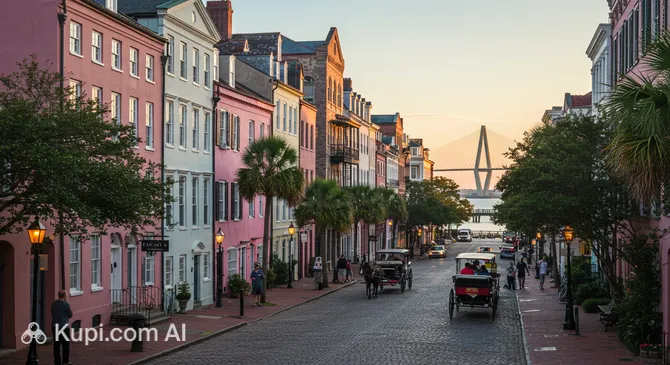
Charleston is a charming city on the southeastern coast of the USA, in the state of South Carolina, which beckons travelers with its rich history, elegant architecture, and the unmistakable atmosphere of the American South. It is a place where time seems to slow down, allowing you to savor every moment.
Charleston. Illustration.
Source: Kupi.com AI
Located on a picturesque peninsula between the Ashley and Cooper rivers, Charleston boasts a mild subtropical climate, making it an attractive destination year-round. The city's population is approximately 685,000 people, creating a cozy yet dynamic environment.
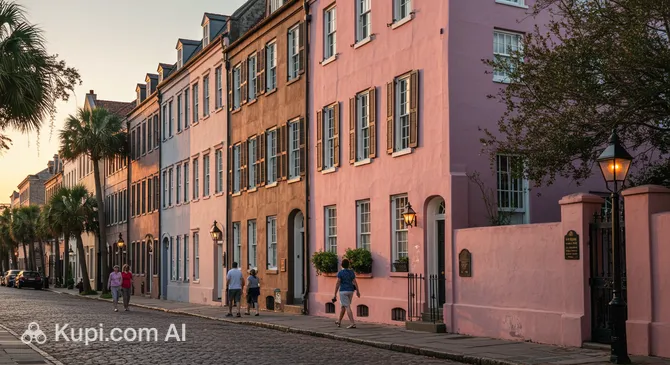
Among Charleston's main gems are its beautifully preserved historic center with cobblestone streets and antique mansions, the famous Rainbow Row with its vibrant pastel-colored houses, and Fort Sumter, where the first shots of the Civil War were fired. No less attractive is the city's gastronomic scene, offering exquisite Southern cuisine.
A visit to Charleston is an opportunity to dive into history and enjoy the beauty and hospitality of the South. This city will undoubtedly leave warm memories in your heart and a desire to return again.
The weather in Charleston is characterized by a pleasant subtropical climate. Prepare for a hot and quite humid summer: the average temperature in July is 27.8°C, and maximum values can reach 31.1°C. Winters here are mild, with an average January temperature of around 10.9°C and minimum temperatures rarely dropping below 6.4°C.
In general, expect a warm summer with occasional, and sometimes frequent, rain (for example, in July there can be up to 22 rainy days with a total precipitation of about 6 mm), and mild, relatively drier winters (in January only about 2 mm of precipitation falls). Spring and autumn months, such as April (average temperature 19.1°C) and October (average temperature 21.1°C), offer very comfortable conditions for exploring the city. For more detailed information on weather conditions by month, we recommend visiting the Charleston Climate page.
Average monthly temperature
Average monthly precipitation
Interesting Facts
In addition to its well-known historical sites and unique Southern charm, Charleston holds many fascinating secrets and little-known facts that make getting to know it even more intriguing. Ready to learn a few of them?
Rainbow Row. Illustration.
Source: Kupi.com AI
Traveler photos:
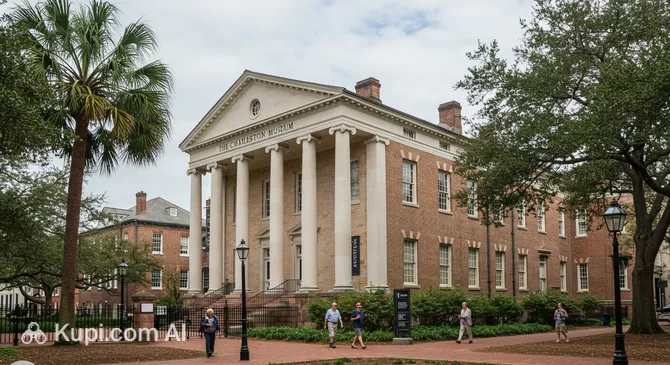
Charleston is home to the oldest museum in the modern-day USA – The Charleston Museum, founded back in 1773. Its rich collections tell the story of South Carolina's history and culture, starting from prehistoric times.
The city bears the unofficial nickname "The Holy City". This is due not only to the large number of churches of various denominations and their spires forming the city's characteristic skyline but also to the historically established atmosphere of religious tolerance that attracted settlers of different faiths from its early years.
George Gershwin's famous opera "Porgy and Bess" was written under the impression of Charleston's African-American community life. Although Catfish Row, where the opera takes place, is a fictional location, it is believed its prototype was the real-life Cabbage Row. And the bright, doll-like houses of Rainbow Row perfectly capture the flavor of old Charleston that inspired the composer.
The unique art of weaving sweetgrass baskets, which can be seen and purchased at the Charleston City Market and elsewhere, is one of the oldest and most preserved African-American craft traditions in the United States. This skill has been passed down from generation to generation for over 300 years.
How to Get There
A journey to Charleston is the beginning of an exciting discovery of South Carolina. The city is well-connected to other regions of the country, and you can choose the most convenient route for yourself. To find out all the details and plan your trip, we recommend exploring all the ways to get to the city, but below we highlight the most popular options.
The fastest and most comfortable way to get to the heart of the action is by air. The main hub is Charleston International Airport (CHS). It is important to note that it is located not in Charleston itself, but in the neighboring city of North Charleston, about 16 km from the historic center. A trip by taxi or rental car will take about 20–30 minutes depending on traffic. This is the largest airport in the region, receiving many flights daily.
If direct tickets are unavailable or if you are planning a coastal road trip, you can consider flying into nearby transport hubs. For example, Savannah/Hilton Head International Airport (SAV) is located in the city of Savannah, about 140 km from Charleston. Another option is Myrtle Beach International Airport (MYR), situated in the resort city of Myrtle Beach at a distance of about 137 km. The drive from these airports will take about 1.5–2 hours, which can be a great opportunity to enjoy Southern landscapes.
For convenience, here is a summary of the main airports:
In addition to planes, you can reach Charleston by train or car. Although there is no train station in the historic center itself, Amtrak trains (the Palmetto and Silver Meteor routes) stop at the station in North Charleston. For driving enthusiasts, the city is conveniently located near the I-26 interstate, which connects to the main East Coast highway, I-95, making the car trip simple and scenic.
Main Attractions
Charleston, a city with a rich history and unique Southern charm, offers its guests many amazing places. Here are just a few of the attractions that you should definitely include in your itinerary to fully experience the atmosphere of this wonderful USA city:
One of the key historical points is the Fort Sumter National Monument. This sea fort, located in Charleston Harbor, went down in history as the site where the first shots of the American Civil War were fired. A visit to the fort, reachable by ferry, offers not only a tour of the historic fortifications but also a deep dive into the dramatic events of the past, making it a must-visit for anyone interested in American history.
Fort Sumter National Monument. Illustration.
Source: Kupi.com AI
Traveler photos:
It is impossible to imagine Charleston without its famous Rainbow Row. This picturesque row of thirteen historic houses, painted in bright pastel colors, is one of the most photographed and recognizable landmarks in the city. A stroll along this charming street is a wonderful opportunity to enjoy unique colonial architecture and take unforgettable souvenir photos.
Rainbow Row. Illustration.
Source: Kupi.com AI
Traveler photos:
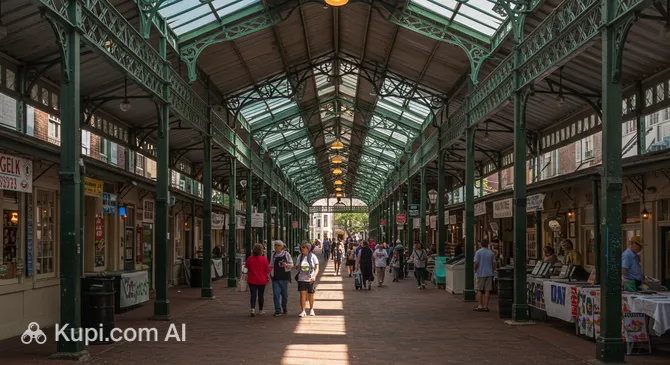
To feel the pulse of local life and purchase authentic souvenirs, head to the Charleston City Market. This historic market complex, operating since the early 19th century, offers a wide range of goods: from products by local artisans, including the famous sweetgrass baskets, to fresh produce and local delicacies. It is a great place to get acquainted with the culture and traditions of South Carolina.
Charleston City Market. Illustration.
Source: Kupi.com AI
Traveler photos:
For history and culture enthusiasts, a visit to The Charleston Museum is highly recommended. Founded in 1773, it proudly holds the title of the oldest museum in the United States. Its extensive collections cover the region's natural history, Native American culture, the colonial period, the Civil War, and much more, offering visitors a comprehensive look at the rich heritage of Charleston and South Carolina.
The Charleston Museum. Illustration.
Source: Kupi.com AI
Traveler photos:
Local Cuisine
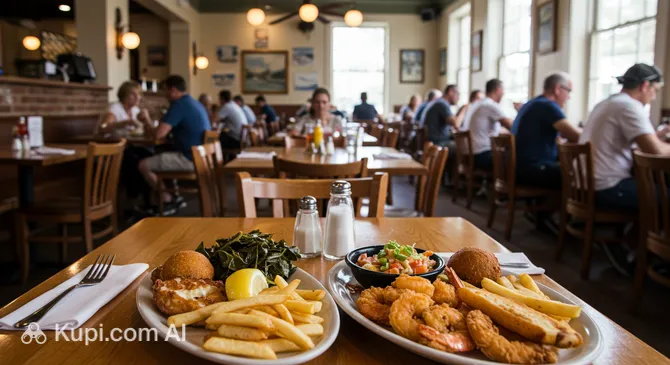
The gastronomic scene of Charleston is a true immersion into the culinary traditions of the American South, known as Lowcountry cuisine. It is famous for using the freshest local ingredients, especially seafood, and a unique combination of flavors reflecting the region's rich cultural heritage. Hospitality is felt in every dish here, and the city's charming restaurants offer both classic recipes and modern interpretations.
Be sure to try Charleston's iconic dishes. First and foremost is Shrimp and Grits—a hearty and flavorful dish that has become the region's signature. Equally famous is the delicate She-Crab Soup, thick and creamy, with chunks of crab meat and roe. Fresh oysters, served in various styles, are also an integral part of the local menu. Many restaurants, such as Hyman's Seafood, specialize in gifts from the sea, offering them in their freshest form.
Hyman's Seafood. Illustration.
Source: Kupi.com AI
Traveler photos:
Meat lovers should look for Southern barbecue—it is prepared here with special skill, using various marinades and smoking methods. Establishments such as Lewis Barbecue or Home Team BBQ will offer you authentic flavors of this cult dish. Fried green tomatoes—a crunchy appetizer with a piquant taste—are also popular. And for dessert, don't forget to try traditional benne wafers with sesame, which have a subtle nutty aroma.
Among beverages, sweet tea is ubiquitous in Charleston—a true symbol of Southern hospitality. Craft beer connoisseurs will find many interesting local varieties here, for example, in breweries like Edmund's Oast Brewing. Of course, one cannot overlook classic American bourbon, which perfectly complements a Southern-style dinner.
Dining culture in Charleston is diverse. Locals and tourists alike enjoy dining in numerous restaurants, from elegant fine-dining establishments to cozy family cafes. For fresh produce and local delicacies, you can head to the Charleston City Market, where you can also find interesting gastronomic souvenirs. Overall, the city's food scene is very vibrant, with an emphasis on ingredient quality and authenticity of flavors, making Charleston a true paradise for foodies.
Travel Tips
Planning a trip to charming Charleston? Wonderful! To ensure your journey through this historic South Carolina city is as comfortable as possible and leaves only pleasant impressions, we have prepared some practical tips.
What to bring: Charleston's climate is subtropical, so in summer (June-August), choose light, breathable clothing made from natural fabrics, a hat, sunglasses, and sunscreen. Winters (December-February) are mild but may require a sweater or light jacket. Spring and fall are the most comfortable times; dress in layers. Be sure to bring comfortable shoes, as the historic center with its cobblestone streets is best explored on foot. Don't forget an umbrella or raincoat, especially in summer when sudden downpours are possible. If you are from another country, you will need an adapter for electrical appliances (type A/B).
Transport options: Charleston's historic center is quite compact and pleasant to explore on foot. For longer trips, you can use CARTA buses, including the free DASH shuttles that run through the center. Taxis and services like Uber/Lyft are widely available. Car rentals can be useful if you plan to visit the surrounding areas (such as plantations or beaches), but be aware that parking downtown can be expensive and limited.
Financial matters: The official currency is the US Dollar (USD). Credit and debit cards (Visa, Mastercard, American Express) are accepted almost everywhere. ATMs are easy to find. You can exchange currency at banks or at the airport. Tipping is an important part of the service culture: it is customary to leave 15-20% of the bill in restaurants, $1-2 per drink for bartenders, and 10-15% for taxi drivers. An approximate daily budget (excluding accommodation) could be $100-200 per person, depending on your plans.
Self-care: Pharmacies (e.g., CVS, Walgreens) are available in many areas, some open 24/7. For medical assistance, hospitals and urgent care clinics are available to tourists; it is highly recommended to have travel insurance, as medical services in the USA are expensive. Charleston's historic center is generally safe, especially during the day. However, as in any city, be vigilant, especially after dark and in less busy areas. In summer months, drink plenty of water and use insect repellent.
Staying connected: The official language is English. Staff in the tourism sector speak English fluently. Free Wi-Fi is available in many hotels, cafes, and some public places. For constant internet access, you can purchase a local SIM card (e.g., from operators like AT&T, T-Mobile, Verizon) or use an eSIM if your phone supports it.
Respecting traditions: Charlestonians are known for their Southern hospitality. Be polite, use "please" and "thank you." It is customary to say hello ("hello", "hi"). Behave with restraint in public places. When visiting the city's numerous historic churches ("The Holy City"), dress respectfully (covered shoulders, not too short clothing), even if a strict dress code is not specified.
A few "don'ts":Do not underestimate the summer heat and humidity—plan active walks for the morning or evening. Avoid loud conversations and provocative behavior in public places, especially in historic districts and churches. Do not park in unauthorized places—fines can be high.
Expert tip: Charleston is famous for its culinary scene. Be sure to book tables at popular restaurants in advance, especially for dinner on weekends or during peak season. Also, consider going on a food tour to get to know the best dishes of Lowcountry cuisine.
We hope these tips help you better prepare for your trip and fully enjoy the hospitality and beauty of Charleston. We wish you an unforgettable journey through this amazing corner of the American South!
Entertainment & Nightlife
When the sun sets over the historic spires and cobblestone streets of Charleston, the city doesn't go to sleep; it transforms, offering its guests and residents a variety of evening and nighttime entertainment. From elegant rooftop cocktail bars to lively dance floors and cozy pubs with live music—Charleston's nightlife can satisfy a wide range of tastes.
The main hub of nighttime activity is undoubtedly the Upper King Street area. Here, many bars, restaurants, and clubs are concentrated, attracting both young people and a more mature crowd. The Market Street area and its adjacent streets also offer plenty of interesting venues, especially for those looking for a more relaxed atmosphere or traditional pubs. East Bay Street is also known for its restaurants that seamlessly transition into bars as evening falls.
Charleston is famous for its rooftop bars, which offer stunning views of the city, especially at sunset. Craft beer lovers will appreciate the local breweries and bars with a wide selection of brews. For those who want to dance, there are several nightclubs with various musical styles. Live music connoisseurs will find venues where local and visiting bands perform everything from jazz and blues to rock and country.
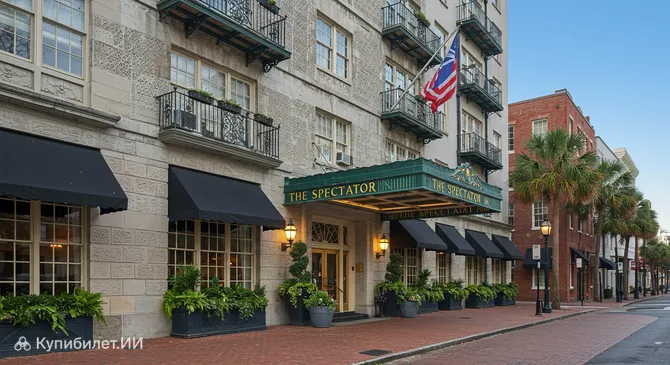
Among popular spots, one might highlight the nightclub The Spectator, known for its stylish atmosphere and trendy parties. This is the place for those who want to immerse themselves in the energy of the night city and dance until morning. For a more relaxed evening with excellent drinks, Edmund's Oast Brewing is a great choice, where you can try local beers paired with delicious snacks. Many venues in the King Street area offer unique concepts, from speakeasies to lounges with signature cocktails.
The atmosphere in Charleston's nightlife venues varies from casual and relaxed in pubs and beer bars to more sophisticated and glamorous in some clubs and cocktail bars. The crowd is generally friendly and open. The dress code is usually smart casual, though more fashionable clubs may not allow overly athletic wear. Most bars start to come alive after 9-10 PM and stay open until 2 AM, especially on weekends. Clubs are often open later.
The best time to visit popular bars and clubs is Friday and Saturday, but lively spots can be found on weekdays as well. Average drink prices can vary: beer might cost $6-9, while cocktails range from $10-15 and up. You can get around the city center at night on foot if you live nearby. Otherwise, it's better to use taxi services or ridesharing apps (Uber, Lyft), which are widely available. Plan your route in advance, especially if your accommodation is far from the nightlife center.
In general, Charleston's main tourist areas, including King Street and Market Street, are considered safe for nighttime walks, especially in crowded areas. However, you should always take standard precautions: keep an eye on your belongings, do not leave drinks unattended, and avoid poorly lit or deserted streets. If you feel uncomfortable, it's better to call a taxi directly to the venue.
During the day, Charleston also offers plenty of entertainment. You can visit one of the many museums, such as the Friends of the Hunley or the Gibbes Museum of Art. For family leisure, the Sky Zone Charleston amusement park is a great fit. Art lovers can enjoy performances at the North Charleston Coliseum & Performing Arts Center, while picturesque parks like Waterfront Park are ideal for outdoor walks.
Parks & Museums
Charleston is not just historic streets and Southern hospitality; it is also a city where you can enjoy the beauty of nature in well-kept parks and gardens, and immerse yourself in a rich cultural heritage through its many museums. Everyone will find something to their liking here, whether it's a leisurely stroll among ancient oaks or a fascinating journey through the pages of history.
Charleston's city parks and green spaces offer ideal spots for relaxation and contemplation. One of the favorites for both locals and tourists is Waterfront Park, stretching along the harbor. Here you can walk along the pier, admire the famous Pineapple Fountain—a symbol of hospitality—and enjoy views of Fort Sumter and the Ravenel Bridge. Another iconic spot is White Point Garden, located at the southern tip of the peninsula. This historic park with its majestic oaks, antique cannons, and Civil War monuments offers a peaceful atmosphere and beautiful views of the confluence of the Ashley and Cooper rivers.
Boone Hall Plantation & Gardens. Illustration.
Source: Kupi.com AI
Traveler photos:
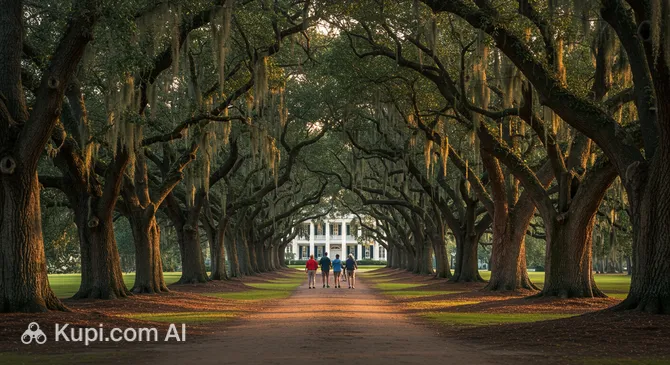
For those who want to see a classic Southern plantation with its magnificent gardens, Boone Hall Plantation & Gardens is a mandatory stop on the program. The famous Avenue of Oaks, historic buildings, and gardens blooming year-round make this place truly magical and photogenic. It is not just a park, but living history that allows you to touch the region's past.
Charleston's museum scene is as diverse and engaging as its history. A good place to start is The Charleston Museum, which proudly bears the title of "America's First Museum." Founded in 1773, it houses extensive collections telling the natural and cultural history of South Carolina from prehistoric times to the present. Exhibits include Native American artifacts, colonial-era items, and Civil War relics.
The Charleston Museum. Illustration.
Source: Kupi.com AI
Traveler photos:
Naval history buffs should definitely visit the Patriots Point Naval & Maritime Museum, where the main exhibit is the aircraft carrier USS Yorktown (CV-10). Here you can also tour a destroyer, a Cold War-era submarine, and a recreated Vietnam War camp. It is an impressive complex that will be interesting for visitors of all ages.
International African American Museum. Illustration.
Source: Kupi.com AI
Traveler photos:
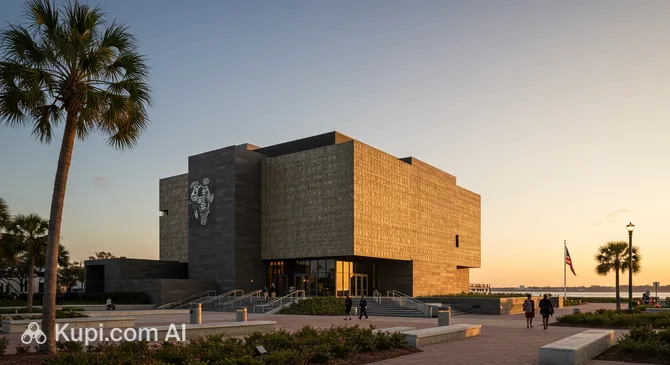
A special place in the city's cultural life is held by the recently opened International African American Museum. Located on the site of the former Gadsden's Wharf, through which many Africans arrived in America, the museum tells the complex and multifaceted story of African Americans, their culture, and their contribution to the nation's development. It is a deeply moving and important place for understanding American history.
Beyond parks and museums, Charleston is rich in historic buildings and architectural monuments. Don't miss the chance to visit the Old Exchange and Provost Dungeon, a witness to many key events of the American Revolution. Also worth noting are numerous house museums, such as the Aiken-Rhett House Museum, which is perfectly preserved and provides insight into the life of wealthy citizens in the 19th century. And for art connoisseurs, the Gibbes Museum of Art offers a wonderful collection of American art with an emphasis on works by Southern artists.
To feel Charleston's atmosphere more deeply, turn off the busy tourist routes and walk along the quiet streets South of Broad. Here you will discover charming hidden gardens, unique architectural details, and can take photos without the tourist crowds. Also, peek into small art galleries in the French Quarter, where you can find works by local masters.
Getting Around
Getting around Charleston is quite convenient, especially if you plan to explore its historic center. The basis of the public transport system is the CARTA (Charleston Area Regional Transportation Authority) bus network. CARTA buses serve not only Charleston itself but also surrounding areas, connecting the center with other parts of the city and suburbs. For tourists, the free DASH (Downtown Area Shuttle) shuttles are particularly useful; they run on three main routes covering most attractions in the historic part of the city. This is a great way to save energy and time moving between key points.
The payment system on CARTA buses is fairly simple. A single trip can be paid in cash directly to the driver (it is advisable to have the exact amount, as change may not be provided). The cost of a single trip is usually around $2.00-$2.25. For more active travelers, it is more profitable to purchase a Day Pass costing about $7, which gives the right to an unlimited number of trips during the day on all CARTA routes (except expresses). Multi-day passes are also available. Tickets and passes can be purchased at the CARTA transit center, at some retailers, or through the Token Transit mobile app. DASH shuttles, we remind you, are absolutely free.
CARTA buses usually start running early in the morning and finish late in the evening, but the schedule can vary depending on the route and the day of the week (intervals may be longer on weekends). DASH shuttles also have their own schedule, usually running from morning until evening. It is always better to check the latest schedules and route maps on the official CARTA website or in their app. Ticket validation happens upon boarding: you either drop cash into a special machine or show the driver your pass or activated ticket in the app.
In addition to public transport, other ways of getting around are popular in Charleston. Taxis and ridesharing services such as Uber and Lyft are widely available and are a convenient option, especially for trips to the airport or to areas poorly covered by buses. Charleston's historic center is very compact and pleasant for walking. Bicycle rentals are also popular—it's a great way to leisurely explore the picturesque streets and waterfronts. One of Charleston's unique transport features is the Charleston Water Taxi—a water taxi that runs between the city center (Waterfront Park and Aquarium Wharf), Patriots Point, and the Charleston Harbor Resort. This is not just a way to get around, but also a mini boat trip with beautiful views of the harbor.
Accommodation
In Charleston, you will find a wide range of accommodation options capable of satisfying the requests of all kinds of travelers, from budget seekers to luxury lovers. The city offers everything from charming historic bed and breakfasts (B&Bs) and elegant boutique hotels, many of which are located in beautifully restored antique mansions, to larger and more modern full-service chain hotels. Vacation rentals like apartments and homes are also quite popular, which can be particularly convenient for families or those planning a longer stay.
The most sought-after areas for tourists to stay are traditionally the Historic District, including its famous parts such as the French Quarter and the area South of Broad. By choosing accommodation here, you will be in the heart of the action, within walking distance of most major attractions, the best restaurants, and unique shops. The King Street area also attracts tourists with its lively atmosphere, numerous boutiques, galleries, and a variety of hotels ranging from stylish to historic.
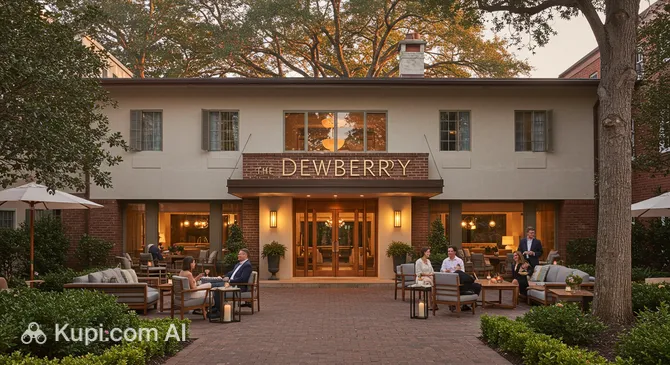
Among hotels offering a high level of comfort and an authentic Charleston atmosphere, options like The Dewberry, known for its exquisite style, or the Lodge Alley Inn, which attracts guests with its historic charm and convenient location, stand out. Regardless of your choice, it is highly recommended to book accommodation in advance, especially if your trip falls during the peak tourist season (usually spring and fall) or during major city festivals and events, when the best options are snapped up very quickly.
The Dewberry. Illustration.
Source: Kupi.com AI
Traveler photos:
The price range for accommodation in Charleston is quite wide: you can find relatively budget options (such as hostels or motels at some distance from the center), mid-range hotels with a good price-quality ratio, and, of course, luxury hotels and resorts offering exclusive service. It is most convenient to book accommodation through popular international online platforms (such as Booking.com, Expedia, Agoda) or directly on official hotel websites—sometimes this allows you to find special offers or more flexible booking terms.
Nearby Cities
For those who want to explore the surroundings, Charleston serves as an excellent starting point for day trips to several interesting nearby locations:
These nearby destinations provide insight into the region's diverse culture and landscapes. For example, Mount Pleasant, located just a few minutes' drive away, will enchant you with its Shem Creek waterfront featuring picturesque views and seafood restaurants, as well as its proximity to historic plantations like the famous Boone Hall Plantation and beautiful beaches. North Charleston, besides its role as an important transport hub, offers large shopping centers and cultural events at the North Charleston Coliseum & Performing Arts Center. And if you are ready for a slightly longer trip, Hilton Head Island will greet you with its famous beaches, world-class golf courses, and a relaxing resort atmosphere. Each of these cities offers something unique, making them excellent options for a short trip from Charleston.
Shopping & Souvenirs
Charleston is a true paradise for shopping enthusiasts, offering a unique blend of historic markets, elegant boutiques, antique shops, and modern shopping centers. The city is famous for its authentic American Southern goods, products by local artisans, and a special focus on quality and uniqueness. You can find everything here: from traditional sweetgrass baskets to designer clothing and exquisite works of art.
Main shopping areas/streets: The center of gravity for shopaholics is undoubtedly the famous King Street. This long street is roughly divided into three sections: Lower King Street (Antiques District) is known for its antique shops and galleries; Middle King Street (Fashion District) offers fashion boutiques, well-known national brands, and jewelry salons; and Upper King Street (Design and Dining District) is famous for home goods stores, modern boutiques, and restaurants. Another iconic place for shopping is the historic Charleston City Market. It is not just a market, but a true landmark where, over several blocks under covered galleries, you'll find vendors of souvenirs, local delicacies, jewelry, and, of course, the famous handmade baskets.
Charleston City Market. Illustration.
Source: Kupi.com AI
Traveler photos:
Shopping Centers: If you prefer "all-under-one-roof" shopping or are looking for great deals, there are several excellent options in and around Charleston. One popular spot is the Charleston Tanger Outlets, located near the airport. Many well-known brands are represented here, offering goods at significant discounts.
Charleston Outlets. Illustration.
Source: Kupi.com AI
Traveler photos:
Another major shopping complex is the Mount Pleasant Towne Centre. It is an open-air shopping center with a pleasant atmosphere, where you can find clothing stores, department stores, restaurants, and a cinema. It is located in the suburb of Mount Pleasant, easily accessible from downtown Charleston.
Markets: Charleston's main market is certainly the aforementioned Charleston City Market. It operates daily and offers an incredible variety of goods. Here you will find unique products by African-American artisans, especially the famous sweetgrass baskets, which are a true symbol of the region. You can also buy local spices, sauces, sweets, handmade jewelry, paintings, and many other souvenirs at the market. It is a great place to feel the local flavor and find authentic gifts.
Souvenirs: From Charleston, it's worth bringing something special that reflects its unique culture and history. Here are a few ideas:
Sweetgrass Baskets: Perhaps the most iconic souvenir. These skillfully hand-woven baskets are part of the Gullah Geechee cultural heritage.
Lowcountry Products: Local delicacies such as stone-ground grits, benne wafers with sesame, seafood spices, jams, and sauces.
Art and Crafts: Paintings by local artists featuring views of Charleston, handmade ceramics, and jewelry.
Pineapple Items: The pineapple is a symbol of hospitality in Charleston, so souvenirs with its image (from decor to kitchenware) are very popular.
Books: Publications on Charleston's history, cookbooks with Lowcountry recipes, or books on Gullah culture.
Opening Hours and Payment: Most shops in Charleston, especially on King Street and in shopping centers, are usually open from 10:00 AM to 6:00 PM or 7:00 PM, Monday through Saturday. Many boutiques and shops in the historic center are also open on Sundays, typically from 12:00 PM to 5:00 PM. The Charleston City Market is generally open daily from 9:30 AM to 5:30 PM, with some parts operating as a Night Market. Large shopping centers may have longer hours, especially during holiday periods. It is always best to check the hours of a specific store or market in advance.
Regarding payment, in Charleston, as everywhere in the USA, credit and debit cards (Visa, MasterCard, American Express, Discover) are widely accepted. Cash is also accepted, but cards are preferred for large purchases. ATMs are easy to find throughout the city.
Tax Free: In the state of South Carolina, as in most USA states, a sales tax is charged and added to the price of the item at the register. Unfortunately, the general sales tax refund system for foreign tourists, similar to Tax Free in Europe, is not common in the United States, and South Carolina is no exception. Therefore, you generally cannot count on a refund of this tax when leaving the country.