Support

Chena Hot Springs

About

Chena Hot Springs is an amazing oasis of warmth and relaxation tucked away in the wild nature of Alaska. This resort village, famous for its geothermal waters, offers travelers a unique opportunity to enjoy comfort far from civilization. There is a special atmosphere of tranquility here, where the frosty air mixes with the steam from the hot springs, creating mystical landscapes.

Geographically, the resort is located approximately 100 kilometers northeast of Fairbanks, at the end of a scenic road that passes through forests and hills. The climate here is subarctic, with long snowy winters, which makes bathing in hot water especially pleasant. While traveling through the USA, many tourists specifically include this place in their itinerary to see the famous Northern Lights, for which ideal viewing conditions are created here thanks to the lack of light pollution.
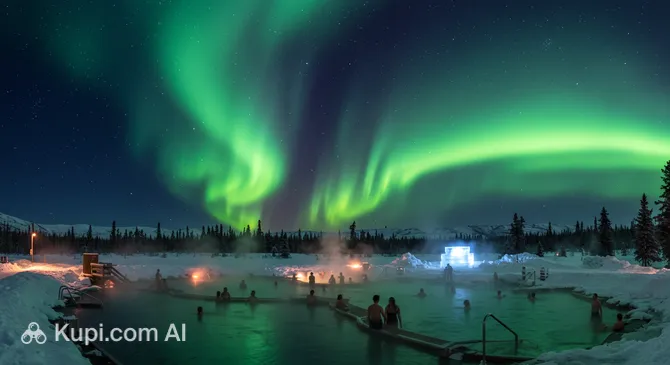
Chena Hot Springs. Illustration.
Source: Kupi.com AI

The area has a rich past. The fascinating history of Chena Hot Springs began in the early 20th century, when tired gold prospectors discovered the healing properties of the local waters. Since then, the site has transformed from a modest miners' camp into a popular year-round resort, while maintaining the spirit of Alaska's pioneers.

Among the main attractions, Rock Lake stands out—a natural lake where you can swim year-round surrounded by snow-covered boulders. No less impressive is the Aurora Ice Museum, the world's largest year-round ice museum, where the interiors, sculptures, and even the glasses at the bar are made of ice. Outdoor enthusiasts will appreciate the chance to go dog sledding or take a snowmobile tour.

Visiting Chena Hot Springs is a chance to reset and feel the powerful energy of the North. Whether you are looking for adventure or a peaceful soak in hot waters, this place will give you unforgettable memories.

Weather Overview

The climate in this part of Alaska is characterized by pronounced seasonality and significant temperature swings typical of the subarctic belt. Winters here are truly harsh, creating that unique contrast when soaking in the hot springs. The coldest month is traditionally January, when the average temperature drops to -20.8°C, and nighttime frosts can reach -23.6°C. Precipitation during this period is minimal, only about 1 mm, so the air remains dry and piercingly cold.

Summer brings a long-awaited warming, but don't expect extreme heat. The warmest month is July, when the air warms up to an average of 14.7°C, and daily maximums reach a comfortable 19.0°C. However, the summer season is quite wet: for example, up to 20 days of precipitation are recorded in August, although their intensity is low. To plan your trip as comfortably as possible, we recommend checking what the weather in Chena Hot Springs will be like during your vacation.

Expect moderately warm summers with occasional rain and very cold, dry winters. The transitional seasons, spring and autumn, are quite short here: as early as October, the temperature drops below freezing (-3.6°C), and in May, it begins to steadily rise above zero.

Average monthly temperature

Average monthly precipitation

Interesting Facts

In addition to its main attractions, Chena Hot Springs holds many fascinating secrets, blending the history of gold prospectors with cutting-edge scientific achievements. Here are a few facts that will allow you to look at this resort from a new perspective:

  • Ice created by fire. The famous ice museum operates year-round, even in the height of summer. The most amazing thing here is the technology: hot water from the springs is used to maintain the sub-zero temperature inside the room. A unique absorption refrigeration unit converts geothermal heat into cold, preventing the ice sculptures from melting.

  • An oasis in the permafrost. The resort is fully self-sufficient in fresh vegetables thanks to its own greenhouses. Using geothermal heating and special lighting, tomatoes, lettuce, and cucumbers are grown here even when the outside temperature drops below -40°C. The produce from these "Arctic gardens" is served directly to the table in the local restaurant.

  • A medical discovery. The resort was founded in 1905 by two gold-prospecting brothers, Robert and Thomas Swan. Interestingly, they were looking for hot springs not for commercial gain, but out of necessity: Robert suffered from severe rheumatism, and it was the local mineral waters that helped him cope with the ailment.

  • Energy independence. This place is a pioneer in "green" energy. It features a unique geothermal power plant that generates electricity from water with a record-low temperature for such systems (about 73°C), making the settlement almost completely autonomous from external power grids.

How to Get There

A journey to the hot springs of Alaska is an exciting experience that begins with proper route planning. Since the resort is located far from bustling metropolitan areas, it can only be reached with a transfer in a large regional center. You can find out more about how to get to Chena Hot Springs, and below we will look at the main arrival method via the nearest air hub.

There is no airport in the village of Chena Hot Springs itself, so travelers usually fly into Fairbanks International Airport (IATA: FAI). It is located in the neighboring city of Fairbanks, approximately 89.6 km from the resort. This is the region's key transport hub, receiving flights from other states as well as local airlines. The journey from the terminal to the hot springs by taxi or rental car takes approximately 1.5 hours, allowing you to enjoy scenic views of the wilderness along the way.

For convenience, here is summary information on the main airports:

AirportPassenger trafficDistance
Fairbanks International Airport576 24990 km
Fort Yukon Airport12 479173 km

There is no direct rail connection to the resort. Alaska Railroad trains only go as far as the city of Fairbanks. Therefore, the final leg of the journey from Fairbanks to Chena Hot Springs must be completed by road. Many tourists prefer to rent a car or use a shuttle, often offered by local hotels, to comfortably reach their destination along the famous Chena Hot Springs Road.

Main Attractions

Despite its distance from civilization, Chena Hot Springs offers guests a rich program. The main points of interest here are connected with the unique natural features of the region and the ingenuity of the local residents. Here are a few key places that are definitely worth visiting while at this resort.

The undisputed crown jewel of the complex is the Aurora Ice Museum. It is the world's largest ice structure that functions year-round. Inside, a constant temperature of -7°C is maintained, which allows more than a thousand tons of ice and snow to be preserved in their pristine form. Tourists come here to admire the skillful ice sculptures, sit on ice thrones, and visit the famous ice bar, where signature cocktails are served in glasses carved from the purest ice. This place creates the feeling of a real winter fairy tale even in the middle of summer.

The heart of the resort remains Rock Lake, an outdoor body of water filled with healing geothermal water. This man-made lake, framed by massive boulders, is the main reason for the visit for most travelers. The water here is rich in sulfates, potassium, and sodium, which has a beneficial effect on the body. The place takes on a special charm in winter: when the air temperature drops below zero, thick steam rises over the lake, and frost covers the coastal stones and trees, creating an incredibly photogenic atmosphere.

For animal lovers and outdoor enthusiasts, the Chena Kennel—a sled dog kennel—is open. Alaska is unthinkable without dog sled racing, and here you can get an insider's look at this culture. Visitors can not only learn about the history of the sport and training but also personally interact with friendly huskies. Depending on the season, guests are offered exciting sled rides along snowy trails or tours on special carts with wheels if there is no snow yet.

Those interested in science and ecology will find the tour of the resort's Geothermal Projects fascinating. Chena Hot Springs is a living laboratory of renewable energy. Here you can see how the heat of the earth is used not only for heating pools but also for generating electricity and heating greenhouses, where fresh herbs and vegetables are grown year-round. This is a clear example of how humans can harmoniously coexist with the harsh nature of the North.

Local Cuisine

The gastronomic scene of Chena Hot Springs is unique in that, despite the remoteness from civilization and the harsh climate, the focus is on the exceptional freshness of products. The main culinary feature of the resort is the "greenhouse to table" concept. Thanks to geothermal energy, they grow their own vegetables and herbs year-round. Therefore, when you are here, be sure to try the signature "Chena" salad. Crispy lettuce leaves, juicy tomatoes, and fresh cucumbers, grown just steps away from the kitchen even in -30 degree weather, have a special value and taste here.

The main menu is based on the natural bounty of Alaska. Tourists are strongly encouraged to order the wild Alaskan salmon or halibut. The fish here is prepared simply but masterfully, often served with a vegetable side dish or potatoes. For meat lovers, the menu often features steaks and game dishes, which are perfectly satiating after a day spent in the frosty air or the hot springs. Portions are usually generous, in the best traditions of the American North.

As for drinks, the most famous and "Instagrammable" cocktail is the Appletini. It is served in the ice bar located inside the ice museum, and the drink is poured into glasses carved from pure ice. This is a kind of initiation ritual for the resort's guests. Also popular is the local Alaskan craft beer, which is famous for its quality and variety of styles—from amber ales to stouts.

Dining culture here is centered around the resort's main restaurant, located in a historic log building. A casual, almost home-like atmosphere prevails: wooden furniture, warm light, and views of the snowy expanses create a sense of coziness. Since Chena Hot Springs is a self-contained resort, there are no typical street food markets or numerous cafes; the entire gastronomic life buzzes in the restaurant and lounge area, where travelers from all over the world share their impressions over dinner.

Travel Tips

A trip to this remote corner of Alaska requires special preparation, as harsh nature coexists with absolute comfort. To ensure your holiday goes perfectly and leaves only warm memories, we have compiled a list of important recommendations to help avoid common beginner mistakes.

  1. Clothing and Gear. The main principle is layering. Even in summer, evenings can be cool, and in winter, thermal clothing, a warm parka, and waterproof shoes are essential. The most important detail: bring a swimsuit and flip-flops, as well as a warm hat. Soaking in hot springs in sub-zero temperatures is a delight, but a wet head freezes instantly in the cold, so a hat is mandatory.

  2. Connection and Communication. Be prepared for a total "digital detox." Mobile service (even from U.S. carriers) often disappears within 20 minutes of leaving Fairbanks and is virtually non-existent at the resort itself. Wi-Fi is available in the main buildings, but it may be paid or slow. Download offline maps and a translator in advance.

  3. Transport. Public transport does not run here, and taxi apps like Uber do not operate within the resort. The best way to get there and stay mobile is to rent a four-wheel-drive vehicle. If you don't drive, book a hotel transfer in advance. Movement within the grounds is done on foot.

  4. Finances. The official currency is the USA dollar. Bank cards are accepted in the restaurant, at reception, and in the museum, but carrying a little cash ($20–$50) is strongly recommended for tipping guides and drivers. There is an ATM on-site, but it's more reliable to withdraw money in the city.

  5. Health and Safety. The nearest pharmacy and hospital are in Fairbanks (about 1.5 hours away). Be sure to pack a personal first-aid kit with all necessary medications. In winter, watch for signs of frostbite, and in summer, don't forget repellent—Alaskan mosquitoes can be very persistent.

  6. What to Avoid. Never leave the city without a full tank of gas—there are no gas stations on the Chena Hot Springs Road. Also, avoid driving fast at dusk and at night: moose often wander onto the road, and an encounter with them can be dangerous.

  7. Local Etiquette. Always take a shower before entering the hot springs—this is a strict hygiene rule. It is customary to behave quietly on the grounds, especially at night, as many guests come for the Northern Lights and tranquility.

  8. Additional Tip. Lodge rooms often do not have refrigerators or televisions, as the resort focuses on eco-friendliness and connecting with nature. If you need to keep food or medicine cold, check with reception beforehand or bring a cooler bag.

Following these simple rules will allow you not to be distracted by domestic inconveniences and fully immerse yourself in the magic of the North. Chena Hot Springs is a place where nature dictates its own terms, but by accepting them, you will receive an incredible relaxation experience in return.

Entertainment & Nightlife

Nightlife at Chena Hot Springs is fundamentally different from the usual rhythm of major cities. Here you won't find noisy discos, neon signs, or districts with endless bars. Evening entertainment at this resort is inextricably linked with Alaska's unique nature and the magic of the northern sky. The main "show" for which tourists from all over the world gather here is the hunt for the Northern Lights, and the centers of attraction are cozy lounges and unusual locations within the complex.

The epicenter of evening leisure is rightfully considered the Aurora Ice Bar. Located inside the ice museum, this establishment offers an absolutely unique experience. The bar counter, stools, and even the glasses here are carved from crystal-clear ice. The temperature inside is kept at -7°C, so visitors are provided with warm parkas. Be sure to try the signature "Appletini"—this cocktail has become a true hallmark of the resort. The bar is open until the evening, making it the perfect place for a pre-dinner aperitif.

For a more relaxed and warm evening, stop by the Chena Lounge, located in the main lodge building. It is a classic American bar with a casual atmosphere where guests gather to discuss the day's impressions. Here you can order items from the local menu, try Alaskan craft beers, or enjoy warming drinks. The dress code is as casual as it gets: tourists often come straight in their ski sweaters or fleece jackets, as comfort is paramount in the North.

A special type of nightly entertainment is soaking in the Rock Lake hot spring. The pool is open until midnight, and it is during the dark hours that it provides the most vivid emotions. Imagine: you are lying in hot water, surrounded by snowy cliffs, and above your head, if you're lucky, the lights of the aurora are dancing. This is perhaps the best alternative to any nightclub. The area around the lake is lit with soft light, creating a mysterious and romantic setting.

When planning your evening, keep a few important points in mind. Since all establishments are located within the same resort, you don't need a taxi—everything is within walking distance. However, be careful during night walks between buildings: the paths can be slippery, and the lighting is intentionally dimmed for better sky viewing. Additionally, remember the wildlife: moose often roam right through the grounds, so stay on lighted paths and do not approach the animals. Prices in the bars are higher than the state average due to the remote location, so budget around $15–$20 for a cocktail.

During the day, the resort offers an equally interesting program. While waiting for darkness to fall, you can take fascinating excursions. History and technology buffs will enjoy a tour of the geothermal power plant, while those seeking a connection with nature should head to the sled dog kennel. A sled ride through the snowy forest will be a great addition to your trip across the USA, energizing you before your evening relaxation.

Parks & Museums

At Chena Hot Springs, the concept of a "city park" takes on a completely different scale: there are no neatly trimmed lawns and fences here, as the entire resort is surrounded by the endless Alaskan wilderness. The cultural and natural heritage of this place is inextricably linked to the harsh beauty of the subarctic, the history of gold mining, and unique ice sculptures that replace classic art galleries here.

The region's main natural treasure is the Chena River State Recreation Area. This is a massive natural park covering over 250,000 acres that begins literally at the resort's doorstep. There are many hiking trails of varying difficulty here, passing through dense taiga forests and alpine tundra. Tourists come here for grayling fishing in the crystal-clear waters of the Chena River and the chance to see wild animals—moose and beavers—in their natural habitat. This place is perfect for those who want to experience true harmony with pristine nature.

Another iconic natural location nearby is the trail to Angel Rocks. This scenic route leads to impressive rock formations—granite tors rising above the forest. The walk here doesn't require mountaineering skills but offers breathtaking panoramic views of the valley, especially in autumn when the foliage turns golden and crimson. This is a great alternative to relaxed soaking for trekking enthusiasts.

In the sphere of culture and art, the undisputed leader is the Aurora Ice Museum. Although this structure is often called just an ice hotel or bar, it is essentially a unique art gallery. Works by world champion ice carvers Steve and Heather Brice are exhibited here. Visitors can admire intricate sculptures depicting jousting tournaments, wild animals, and abstract figures, all illuminated by multi-colored lights that mimic the polar aurora. This is the only museum in the USA where ice art is accessible year-round thanks to geothermal cooling technologies.

The role of a living museum of Alaskan history is played by the Chena Kennel. This is not just a kennel but an educational center dedicated to the culture of sled dog racing. They tell stories about the vital role dogs played in settling the North and the history of the Yukon Quest and Iditarod races. Guests can learn about training, mushers' gear, and the specifics of raising Alaskan huskies. This is an immersion into the traditions without which life in this region is impossible to imagine.

Insider Tip: If you want to find solitude not far from the main buildings, head to the small Duck Pond on the resort grounds. In summer, it is a quiet place to watch waterfowl, and in winter, you can take atmospheric photos of snow-covered spruce trees in total silence, away from the hustle and bustle of the main pool area.

Getting Around

It is important to immediately note the specifics of this place: Chena Hot Springs is not a town with developed infrastructure, but a secluded resort village in the wilderness. Therefore, there is a complete absence of a conventional public transport system. You will not find subways, trams, trolleybuses, or fixed-route taxis here. Within the resort, all facilities are within walking distance, and transport issues concern only arrival and departure.

The only equivalent to public transport connecting the resort with the "outside world" is an organized shuttle (transfer). It runs between the airport or Fairbanks hotels and the hot springs. This is not a regular bus with frequent stops, but a specialized service for tourists. The schedule is usually tied to check-in and check-out times, and there may be only one or two such trips per day.

The payment system here is very simple but requires planning. There are no transit passes, transport cards, or validators. A seat on the shuttle must be booked in advance (preferably 72 hours) through the resort administration. Payment is made as a fixed amount for a one-way or round-trip journey, usually via credit card at the time of booking. It is not customary to pay the driver in cash, as passenger lists are compiled in advance.

Movement within the resort grounds themselves is done exclusively on foot. Distances between the lodges, pool, museum, and restaurant are small; a walk takes 5–10 minutes. In this regard, the main advice for tourists is: dress for the weather. Since transitions between warm rooms are unavoidable, comfortable shoes and warm outerwear are your primary "transport equipment."

As for alternatives, taxi services (such as Uber or Lyft) in Chena Hot Springs practically do not work for pickups. A driver can bring you here from Fairbanks for a substantial fee, but calling a car back will be impossible due to the lack of cellular signal and the distance of the trip. Car sharing and city bike rentals are also non-existent here. In summer, you can rent a bicycle at the resort, and in winter, a snowmobile, but these are considered entertainment and a form of outdoor activity rather than a means of getting from point A to point B.

For complete freedom of movement, experienced travelers recommend renting a car at Fairbanks Airport. This will allow you not to depend on the shuttle schedule and explore the surrounding area at your own pace. However, keep in mind that in winter, the car must be equipped with an engine block heater system, as night temperatures can be extremely low.

Accommodation

It is important to understand that Chena Hot Springs is not a typical town with many competing hotels, but a secluded resort complex. The entire room inventory here is managed by one administration, so the choice of accommodation comes down to the options available within the resort itself. This creates a special atmosphere: all guests live in close proximity to the hot springs, the restaurant, and the ice museum, forming a small, tight-knit community of travelers.

The range of accommodation here is surprisingly wide for such a remote location: from comfortable hotel-style rooms to options for true adventure lovers. The main room stock is divided into several categories, differing in comfort levels and price. Tourists can choose between modern buildings with all amenities, authentic rustic-style cabins, or more exotic options like yurts and camping.

The most popular and comfortable option is staying in the Moose Lodge. This is a modern wing offering spacious rooms with televisions, full bathrooms, and standard hotel service. It is best suited for families with children and those who are not ready to sacrifice city comfort for proximity to nature. A slightly more modest but cozy option is the Fox Rooms, which also provide standard amenities but at a more affordable price.

For those who want to feel the spirit of the real Alaska, Family Suites and separate cottages are offered. Special attention should be paid to the so-called "Dry Cabins." This is a budget-friendly and very atmospheric accommodation option: simple wooden cabins without indoor plumbing (the toilet and shower are located in a nearby public building), but with electricity and heating. This is the choice for romantics and those who want to save money while spending most of their time outdoors or in the pools.

During the summer season (usually from late May to early September), there is an opportunity for the most budget-friendly holiday—camping and staying in yurts. Sites for tents and RVs are equipped with everything necessary, including fire pits. Yurts are an interesting compromise between a tent and a cabin: they protect from the weather but allow you to fall asleep to the sounds of the forest. Note that in winter, these options are unavailable due to extreme frosts.

Since the resort is compact, the concept of "districts" is relative here. All residential buildings are within walking distance of the main building with the pool (Activity Center). However, keep in mind that cottages and yurts may be located a bit further away, closer to the forest, which provides more peace and privacy but requires a short walk outside to get to breakfast or the hot bath.

Booking Tip: The resort's popularity significantly exceeds its capacity, especially during the Northern Lights season (winter) and at the height of summer. It is highly recommended to book accommodation at least 3–4 months before your trip. If you plan to visit during holidays or weekends, it is better to take care of this six months in advance.

The price range varies from budget (camping and dry cabins) to above average (rooms in Moose Lodge). Booking is mainly done through the resort's official website or by phone. Large hotel aggregators often do not show availability here, so direct booking is the most reliable way to guarantee a roof over your head in this harsh but beautiful land.

Nearby Cities

For those who want to explore the surrounding area, Chena Hot Springs serves as an excellent starting point for day trips to several interesting nearby locations:

The closest and most feature-rich destination is Fairbanks. This is the "Golden Heart of Alaska" and the region's main infrastructure hub. A trip here will allow you to visit the famous Museum of the North at the University of Alaska, which houses unique exhibits on the history and nature of the region, as well as take a stroll through Pioneer Park, a theme park recreating the atmosphere of the Gold Rush era.

For lovers of scenic road trips, a drive toward the town of Delta Junction is an interesting option. The road there is an attraction in itself, offering views of majestic mountains and the Tanana River. This town is known as the official end of the legendary Alaska Highway (ALCAN), marked by a commemorative monument where tourists love to take photos.

Nearby is Big Delta, home to an important historical site—the Big Delta State Historical Park. Here you can see the historic Rika's Roadhouse, which served as an important stopping point for travelers, traders, and gold prospectors in the early 20th century, and gain a better understanding of how people lived in these harsh lands a century ago.

CityPopulationDistance
Fairbanks64 16082 km
Kalakaket086 km
Big Delta593101 km
Delta Junction945114 km
Livengood13131 km

These nearby destinations provide insight into the diverse culture and landscapes of the region, complementing a relaxing stay at the hot springs with new experiences.

Shopping & Souvenirs

General Overview: Shopping at Chena Hot Springs is purely practical and souvenir-oriented. Since this is a secluded resort located far from civilization, you won't find typical shopping districts, fashion boutiques, or outlets. Trade here is focused on providing guests with everything they need for a comfortable stay (for example, if you forgot a swimsuit or a warm hat) and selling keepsakes related to Alaska's unique nature and the Northern Lights.

Main Shopping Areas/Streets: Due to the resort's compactness, the concept of a "shopping district" is not applicable here. All commercial activity is concentrated in one place—the Activity Center, which also serves as the main entrance to the pool. The resort's main shop is located here. In addition to souvenirs, you can purchase snacks, drinks, and warm clothing needed for walking in the frosty air.

Shopping Centers: There are no large malls or shopping galleries within the resort itself. If your goal is large-scale shopping, or buying electronics or branded clothing, you will need to head to the nearest major city—Fairbanks, located about an hour and a half away. There you will find chain supermarkets and shopping centers typical for the USA.

Markets: Traditional markets or bazaars are not held at Chena Hot Springs. However, in the main lodge, you can sometimes find small stands featuring local artisans' products, especially during peak tourist seasons. Handmade items may be offered here, but this is more the exception than the rule.

Souvenirs: The assortment of the local shop is carefully selected for tourists. The most popular purchases are clothing (hoodies, fleece jackets, hats) with the resort logo, which serves as great proof that you visited Alaska. Also worth looking at are:

  • Professional photos of the Northern Lights.
  • Jewelry and crafts made of jade or bone, created by local masters.
  • Cosmetics based on local herbs and berries.
  • Jams and syrups made from wild Alaskan blueberries or lingonberries.

Opening Hours and Payment: The shop in the Activity Center usually operates according to the pool's schedule, from early morning until late at night (often until midnight), which is very convenient for guests. Cash in dollars and credit cards from major payment systems (Visa, Mastercard, American Express) are widely accepted. Contactless payment is also available.

Tax-Free: A significant advantage of shopping in Alaska is its tax policy. Alaska is one of the few U.S. states with no state sales tax. While municipalities may introduce their own small fees, overall, the prices on the tags here are often final, making the purchase of souvenirs and clothing slightly more profitable than in other regions of the country.

Reached the end of the page?

That means the route is fully explored