Support

Denali Park

About

Denali Park is a unique corner of Alaska, located on the northern slopes of the national park of the same name, in the heart of pristine wilderness. This small but atmospheric town serves as the main gateway to North America's most impressive natural beauty. The spirit of true adventure and northern romance reigns here, attracting travelers who dream of escaping the hustle and bustle of city life.
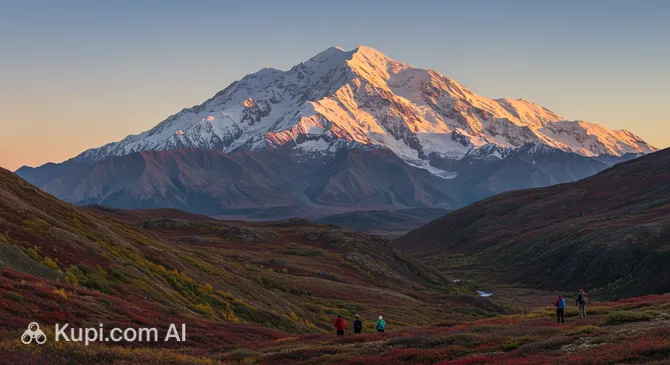
Denali Park. Illustration.
Source: Kupi.com AI

Geographically, the settlement is located approximately 400 kilometers north of Anchorage, surrounded by majestic mountains, glaciers, and the endless taiga expanses of the USA. The climate here is harsh, and the population is small, so the town's life is subject to seasonal rhythms: in winter it looks quiet and secluded, but with the arrival of summer it comes alive, welcoming guests from all over the world.

Despite its modest size, the settlement plays a key role as the region's tourism hub. The fascinating history of Denali Park is closely intertwined with the development of the protected zone and the traditions of survival in the harsh conditions of the north. Here everyone will find something to their liking: from exciting ATV safaris and hiking trails to getting to know the culture of sled dogs in local kennels and visiting cozy art galleries.

Denali Park is worth visiting at least once in a lifetime for the incomparable feeling of freedom and the encounter with untouched nature. This is a place where you can breathe the fresh Alaskan air deeply and see with your own eyes the grandeur of one of the most beautiful regions on the planet.
Weather Overview

The climate in Denali Park is harsh and unpredictable, typical for the interior regions of Alaska. Winters here are long and frosty: in the coldest month, January, the average temperature is -19.0°C, and the thermometer often drops to -21.9°C. There is little precipitation in the winter period, about 1 mm, however, low temperatures maintain snow cover for many months.

Summer brings relative warmth but remains short and cool. July is the warmest month with an average temperature of 12.5°C and highs up to 16.3°C. Travelers should be prepared for precipitation: it's quite wet here in summer, especially in August, when up to 21 rainy days are recorded. To choose the best time for your visit and pack your gear correctly, be sure to check the current weather in Denali Park for your travel dates.

Expect a cool summer with occasional rain and very cold, dry winters when nature falls into a deep sleep. The transitional seasons, spring and autumn, are swift here: already in October the average temperature drops to negative values (-3.6°C), and in May the air barely warms up to 4.1°C.

Average monthly temperature

Average monthly precipitation

Interesting Facts

Beyond its main attractions, Denali Park holds many fascinating secrets and traditions that make this place truly unique. Here are a few surprising facts to help you better understand the spirit of this northern land.

  • The Return of a Great Name. The national park adjacent to the town is famous for North America's highest mountain — 6,190 meters. For a long time, it was known as Mount McKinley, but historical justice prevailed: the summit's name was returned to Denali, which translates from the native language as "The Great One."

  • Hunting for the "Big Five." Local guides claim that seeing all the main inhabitants of these parts in a single day is a stroke of real luck, comparable to winning the lottery. The "Big Five" list here includes the bear, moose, caribou, wolf, and porcupine. Meeting the full lineup of this company is considered the ultimate achievement for wildlife photographers.

  • The Road Lottery. One of the most unusual traditions is the annual Road Lottery event. Usually, private vehicle traffic on the park road is strictly limited, but for a few days each year, lucky winners of a special lottery gain the right to drive the entire route in their own cars.

  • Dog Culture. Denali Park is famous not only for its wild animals but also for its four-legged "athletes." Sled dog culture is highly developed here: you can visit kennels, learn about husky training, and meet the dogs that prepare year-round for expeditions and races.

How to Get There

Planning a trip to this remote corner of Alaska requires attention to logistics, as it is located far from major transport hubs. To help you create an optimal route, we have prepared information about all ways to get to the city and the national park.

There is no airport in the settlement of Denali Park itself, so travelers have to fly to major Alaskan cities and then transfer to ground transport. The closest option is Fairbanks International Airport (FAI). It is located about 138 km from the park. This is the fastest way to reach your destination: the drive by rental car or taxi will take only 2–2.5 hours.

Another popular route is through Ted Stevens Anchorage International Airport (ANC). It is the region's largest air hub, receiving many flights from other states and countries. It is located further away — about 283 km from Denali. A car trip from Anchorage usually takes 4–5 hours. Many tourists choose this option to enjoy the scenic views along the George Parks Highway.

For clarity, here is summary information on the main airports:

AirportPassenger trafficDistance
Fairbanks International Airport576 249138 km
Ted Stevens Anchorage International Airport5.4 mln283 km

Rail service is one of the most scenic but not the fastest ways to reach Denali Park. The famous Alaska Railroad connects Anchorage and Fairbanks, making a stop right at the entrance to the national park (Denali Depot station). A trip on the "Denali Star" train offers incredible panoramic views, but takes significantly longer than road transport: about 8 hours from Anchorage and about 4 hours from Fairbanks.

The most flexible option is traveling by car on the George Parks Highway (Alaska Route 3), which is the region's main transport artery and is open year-round. In summer, private bus companies (such as Park Connection Motorcoach) also run between the cities and the park, offering a convenient transfer. Travel time by bus is comparable to a car trip but may increase slightly due to stops.

Main Attractions

The main magnet for travelers in this region is, undoubtedly, nature itself. Vast protected territories offer a rare opportunity to see the world as it was thousands of years ago. However, in addition to the endless expanses, there are specific places and sites that help to better understand and feel the atmosphere of Alaska.

The heart of the entire region is Denali National Park and Preserve. This is more than 2.4 million hectares of wild taiga, tundra, and glaciers. Tourists flock here to try and spot Alaska's "Big Five" animals in their natural habitat: grizzly bears, moose, wolves, caribou, and Dall sheep. A trip along the park's only road by bus reveals incredible panoramas that change with every turn, from dense forests to harsh alpine meadows.

The majestic Mount Denali — the highest peak in North America (6,190 meters) — towers over the park. Even if you don't plan a mountaineering ascent, the view of this mountain on a clear day leaves an indelible impression. The best views open up from observation decks along the park road, for example, from Stony Hill. Seeing the summit not hidden by clouds is considered great luck and the main trophy for photographers.

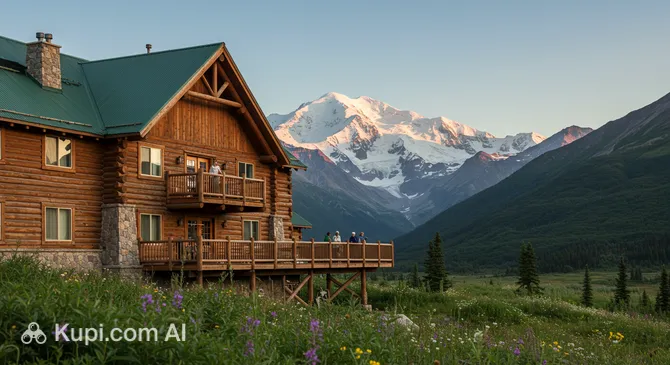
Denali Park Village. Illustration.
Source: Kupi.com AI

Traveler photos:

For a comfortable introduction to the region, Denali Park Village is an excellent choice. This is not just a place to stay, but a real tourist center located in a picturesque spot on the banks of the Nenana River. From here, it is convenient to set off on hiking trips, rafting tours, or excursions deep into the park. The complex allows you to combine adventures in the wild with comfort and civilized relaxation, offering guests educational programs about local history and geology.

Another iconic attraction is the Sled Dog Kennels. This is the only service in the USA national parks where dogs officially work as rangers, patrolling the territory in winter. In summer, tourists can visit the kennels, see demonstrations, and learn about the important role these animals play in the protection and study of the preserve. This place is especially popular with families with children and animal lovers.

Outdoor enthusiasts should pay attention to the Nenana River, which flows along the park boundary. It is one of the most popular places in Alaska for rafting. The river offers routes of varying difficulty: from calm floats that allow you to enjoy the scenery and perhaps see wild animals on the shore, to exciting rapids for those seeking an adrenaline rush in the icy water.

Local Cuisine

The culinary scene in Denali Park is a direct reflection of Alaska's harsh but generous nature. Here, food is not just satisfying hunger, but part of the adventure. The basis of the local menu is the freshest gifts of the rivers and forests. The main culinary trademark of the region is fish: salmon, sockeye, and halibut. They are prepared in many ways: grilled, smoked over alder wood, or served as delicate sashimi, allowing you to enjoy the natural taste of the product.

Meat lovers should definitely try the game dishes. Local restaurants and lodges often offer moose and venison steaks. A true classic for cool evenings is a thick, hearty caribou stew, which perfectly warms you up and restores your strength after long walks in the preserve. Such cuisine is characterized by its simplicity but is incredibly filling and rich in flavor.

Denali Park Village. Illustration.
Source: Kupi.com AI

Traveler photos:

Northern berries hold a special place in the diet. Blueberries, huckleberries, cloudberries, and cranberries grow in abundance here and become the base for many desserts. Travelers should try homemade berry-filled pies (cobblers), jams, as well as original sauces served with meat. In season, the menu is supplemented with dishes made from fresh wild mushrooms and aromatic herbs gathered in the surrounding forests.

The dining culture here is democratic: instead of pretentious restaurants, cozy cafes and diners with a relaxed atmosphere prevail. Local street food is very popular, where the main hits are juicy reindeer burgers and salmon hot dogs. Many establishments, such as those at the Denali Park Village complex, focus on eco-friendly products and support local farmers by offering guests seasonal specialties.

As for drinks, Alaska is famous for its craft brewing culture. In Denali Park's bars, you can sample many varieties of local ale and stout brewed with the purest glacier water. Warming berry infusions and herbal teas are also popular. In summer, gastronomic life is particularly vibrant: fish soup festivals, cheese tastings, and themed dinners are held, introducing tourists to the traditions of northern cuisine.

Travel Tips

A trip to Denali Park is an encounter with wild nature that requires special preparation and respect for local rules. To make your holiday as comfortable and safe as possible, we have gathered the most important practical recommendations to help you avoid surprises in this harsh but beautiful land.

  1. Clothing and Essentials. The main principle of outfitting in Alaska is layering. The weather changes rapidly, so even in summer, bring thermal underwear, a fleece jacket, and a windproof raincoat. Comfortable trekking shoes are a must, as you will be walking a lot. Don't forget sunglasses and a sleep mask if you're traveling in summer: during the "midnight sun" period, it is light almost 24/7.
  2. Transport. Forget about the usual city taxis or Uber — they are practically non-existent here. To move between hotels and the park entrance, use the free shuttles. If you have rented a car, remember that private vehicle access deep into the preserve is limited to Mile 15. For excursions, use the special park buses.
  3. Finances. The official currency is the USA dollar. Bank cards are accepted almost everywhere in the tourist zone ("The Canyon"), but cash will be useful for tipping shuttle drivers and guides (usually $5–$10), as well as for small purchases. ATMs are available in the lobbies of major hotels but may charge high fees.
  4. Health and Safety. Pharmacies in the usual sense are rare here, and the nearest hospital is far away. Be sure to bring a personal first-aid kit with all necessary medications. The main safety threat is wild animals. Buy a special bear spray and learn how to use it. In summer, stock up on powerful insect repellent for mosquitoes and gnats.
  5. Communication. The main language is English. Mobile service and Wi-Fi work relatively stably in the hotel area but completely disappear just a few kilometers after entering the park. Download offline maps of the area and the official National Park Service app in advance to have access to information without the internet.
  6. Local Etiquette. An informal and friendly style of communication is adopted in Alaska. The main rule of etiquette concerns nature: follow the "Leave No Trace" principle. All trash must be taken with you, even organic waste. Local residents are very passionate about keeping their land clean.
  7. What to Avoid. Never attempt to approach wild animals for an impressive photo. Park rules require keeping a distance of at least 275 meters from bears and 23 meters from moose. Also, avoid walking along the edges of the high-speed highway at dusk — it's dangerous due to traffic and animals.
  8. Additional Tip. When going on a bus excursion deep into the park (which can last 8–12 hours), be sure to take food and plenty of water with you. Inside the protected zone, there are no cafes, shops, or snack machines — only wild nature.

Denali is a place where proper preparation is the key to an unforgettable experience. By following these simple tips, you can feel confident and focus entirely on contemplating the majesty of the mountains and the tundra.

Entertainment & Nightlife

Nightlife in Denali Park has its own unique character, which is radically different from the usual rhythm of big cities. Here you won't find the neon signs of huge night clubs or glamorous discos. Evening entertainment in this corner of Alaska consists of cozy wooden saloons, live country music, local craft beer tastings, and soulful conversations among travelers from all over the world. Given that the sun practically never sets in summer, the concept of "nightlife" becomes quite relative: the fun can continue in daylight even well past midnight.

The epicenter of evening activity is an area often referred to by locals and tourists as "The Canyon" or "Glitter Gulch." This is a section along the George Parks Highway directly at the entrance to the national park. Most hotels, restaurants, and bars are concentrated here. The atmosphere in the establishments is extremely casual and relaxed: there is no dress code, and the best outfit is considered to be comfortable jeans, a flannel shirt, and trekking boots. The crowd is a diverse mix of tourists, mountaineers, and seasonal park workers.

Denali Park Village. Illustration.
Source: Kupi.com AI

Traveler photos:

One of the hubs for evening leisure is the Denali Park Village complex. This place is known not only for its comfortable accommodation but also for its entertainment programs. Here you can attend a popular Gold Rush-era dinner show, where actors tell the stories of Alaska's development through songs and skits while guests enjoy a hearty dinner. There are also bars on the complex grounds where you can relax with a glass of wine or a cocktail after a long day in nature.

In addition to large complexes, local bars and pubs located along the highway are popular. Often in places like "Salmon Bake" (a well-known local establishment), live music plays in the evenings, and the interiors are decorated with trophies and ancient artifacts. Tourists also love to visit breweries in the neighboring village of Healy (just 15-20 minutes away), where, for example, at 49th State Brewing you can sample famous Alaskan ales and stouts in a lively atmosphere, often accompanied by concerts by local bands.

Practical Tips and Safety:

  • Transport: Taxi services or apps like Uber practically don't work here or are very few. The main way to get around in the evening is by free hotel shuttles that run between major establishments and the park entrance. Check the schedule in advance so as not to miss the last trip.
  • Opening Hours: Most bars close around 1:00 or 2:00 AM. Restaurant kitchens may stop serving earlier, around 10:00 PM.
  • Safety: The area is considered very safe in terms of crime. The main threat at night is wild animals (moose can wander onto the road) and the highway itself. Walking along the highway at dusk is not recommended — it's better to use transportation.
  • Alcohol: Remember that US laws are strict regarding age (strictly 21 and over, always have your passport with you) and drunk driving.

Regarding daytime entertainment that transitions smoothly into the evening, it's not just about hiking. Photo tours under the midnight sun, visits to small private museums, and galleries of local artists are popular in the vicinity. For adrenaline junkies, evening rafting trips on the Nenana River or helicopter flights are available, allowing you to see the majestic landscapes in the soft pre-sunset light.

Parks & Museums

Denali Park is a place where the boundaries between urban space and wild nature are practically erased. Here you won't find the usual manicured squares with flower beds, because the entire region is one grand natural preserve. Nevertheless, special zones and information centers are equipped for tourists, performing the role of museums and immersing guests in the history, geology, and culture of this harsh land.

The main natural gem is, undoubtedly, Denali National Park itself. These are millions of hectares of tundra, taiga, and glaciers available for exploration. One of the most popular and accessible zones within the park is the Savage River area. There are convenient hiking trails here that offer breathtaking views of the surrounding mountains. It is an ideal place for those who want to feel the scale of Alaska without going on a multi-day hike. Another picturesque location is Horseshoe Lake, the trail to which leads through a coniferous forest to a quiet backwater where beavers and moose can often be seen.

The role of the main cultural and educational hub is performed by the Denali Visitor Center. This is not just an information desk, but a full-fledged modern museum. Inside are interactive exhibits telling stories about wildlife, the history of mountaineering on Mount Denali, and the life of indigenous peoples. Here you can watch the stunning film "Heartbeats of Denali," which allows you to see the park through the eyes of its inhabitants in different seasons. The center is interesting because it is harmoniously integrated into the landscape and provides a deep understanding of the region's ecosystem.

For those interested in science, the doors of the Murie Science and Learning Center are open. It serves as the main visitor center in winter, and in summer it offers educational programs for children and adults. The exhibits here are dedicated to modern climate research and paleontological finds, including dinosaur tracks discovered in the park. This place allows you to look at Alaska's nature from a researcher's perspective.

Private complexes also contribute to cultural life. For example, Denali Park Village offers its guests not only accommodation but also access to its own walking trails along the Nenana River, and hosts events that introduce visitors to gold mining history and local traditions. Such places allow you to combine comfortable relaxation with educational leisure.

Insider Tip: Don't miss the historic Sled Dog Demonstration at the park kennels. This is a real open-air museum where they preserve the tradition of using dogs to patrol the preserve. You will see how huskies prepare for winter service and learn about the legendary teams that are an integral part of Alaska's history.

Getting Around

The public transport system in Denali Park differs significantly from a typical city scheme. You won't find subways, trams, or trolleybuses here, and shuttle taxis (marshrutkas) do not exist as a class. All logistics are built around the bus service, which is divided into two main categories: transport within the national park and shuttles running between hotels and the entrance area.

The main means of transport for tourists are the park buses (Transit Buses), often called "green buses." Since private car travel deep into the preserve is strictly limited, these buses are the only way to reach remote and scenic spots. They operate on a system that allows you to get off at any stop for a walk and then board the next passing bus if there are free seats. Tickets for them are sold for a specific time and date.

For movement in the residential zone near the park entrance, there is a convenient system of free Courtesy Shuttles. Special routes, such as the Riley Creek Loop or Savage River Shuttle, connect the visitor center, train station, campgrounds, and the main hiking trails in the front of the park. Additionally, most private hotels and lodges provide their own free transfers for their guests, taking them to the tourist center and back.

Payment is required only for buses going deep into the park. The cost depends on the route length, and it is highly recommended to buy tickets online several months before your visit due to high demand. You need to pick up or print your booked tickets at the Wilderness Access Center. Free shuttles at the park entrance do not require tickets or cards; boarding is on a first-come, first-served basis. In the US, it is customary to leave small tips for the drivers of free transfers.

Traditional taxi services or ride-hailing apps are practically non-existent in Denali Park, so you should not rely on them. A popular alternative is bicycle rental: two-wheeled transport is allowed along the entire length of the park road, and many buses are equipped with racks to carry them. This gives you freedom of movement and the opportunity to explore the area at your own pace.

Accommodation

The choice of accommodation in Denali Park is quite diverse, but has its own specifics dictated by the region's remoteness and seasonality. Travelers can find options ranging from simple campgrounds and cozy wooden cabins to comfortable mid-range hotels and exclusive lodges located deep in the wilderness. There are no large luxury hotel chains or high-rise buildings here — the architecture strives to blend harmoniously into the surrounding landscape.

In terms of location, most accommodation options are concentrated in two main areas. The most popular is the area near the park entrance, often called "The Canyon" or "Glitter Gulch." Here, life hums 24/7, and shops and restaurants are within walking distance. The second popular area is the village of Healy, located about 15-20 minutes' drive to the north. There, you can find quieter and more budget-friendly options, including guesthouses and motels, but having a rental car is advisable for staying in this zone.

Among the well-known complexes offering a high level of service and full immersion in the Alaskan atmosphere, Denali Park Village stands out. This resort hotel is located in a picturesque spot on the banks of the Nenana River, just a few miles from the entrance to the preserve. It is a whole village with its own infrastructure, walking trails, and entertainment programs, making it an excellent choice for those who want to combine comfort with proximity to nature.

When planning a trip, it is important to consider that the tourist season here is very short — from mid-May to mid-September. Demand for housing during this period is colossal, so booking rooms in advance is strongly recommended, ideally 4–6 months before the trip. Trying to find a free room upon arrival in July or August may result in failure or the need to pay for the most expensive remaining options.

The price range in Denali Park is above the US average due to complex logistics and the short season. Campground spots and hostels are considered budget, the middle segment is represented by private cabins and motels, while staying in lodges with full board falls into the high price category. Booking is most convenient through major international online platforms or directly on hotel websites, which sometimes allows you to catch special package deals including transfers or excursions.

Nearby Cities

For those who want to explore the surrounding area, Denali Park serves as an excellent starting point for day trips to several interesting nearby locations:

Just a few hours' drive to the north is Fairbanks — Alaska's second-largest city. It attracts tourists with the opportunity to learn the history of the gold rush, visit the impressive Museum of the North, and relax in the famous Chena Hot Springs. This is an ideal destination for a busy day trip, allowing you to swap wild landscapes for cultural leisure.

If you head south along the scenic highway, you can reach the city of Wasilla. This place is known as the headquarters of the legendary Iditarod dog sled race. Here, travelers can visit the race museum, learn about the history of the region's development, and enjoy views of the Chugach Mountains and numerous lakes.

Although Anchorage is quite far away, it remains the region's main transport and cultural hub. A trip there will take more time, but will allow you to visit the Alaska Native Heritage Center and walk along the famous coastal trails of the state's largest city.

CityPopulationDistance
Nenana400102 km
Kalakaket0141 km
Fairbanks64 160143 km
Big Delta593157 km
Delta Junction945158 km

These nearby destinations provide an insight into the region's diverse culture and landscapes.

Shopping & Souvenirs

Shopping in Denali Park is not your usual trip to fashion boutiques or huge malls, but rather an exciting hunt for unique northern treasures. Commercial life here is seasonal: most shops open their doors in May and operate until September while tourists are in the region. The range is focused on practicality and authenticity: people buy high-quality hiking gear, warm clothes, and works by local craftsmen that remind them of Alaska's wild beauty.

The main shopping activity is concentrated in the area known as "The Canyon" or "Glitter Gulch," located along the George Parks Highway, right at the entrance to the national park. This is a busy street with wooden boardwalks lined with souvenir shops, clothing stores, and small galleries. Here you can find everything you need: from T-shirts with images of moose and bears to professional tourist equipment if you suddenly forgot something at home.

Although the town doesn't have traditional shopping centers, stores at large hotel complexes fulfill the role of major retail spaces. For example, several outlets operate within the Denali Park Village resort, offering a wide selection of goods — from books on the region's history and topographic maps to exquisite jewelry and art pieces.

Denali Park Village. Illustration.
Source: Kupi.com AI

Traveler photos:

Instead of bustling markets, "Trading Posts" and art galleries are popular in Denali. They often exhibit works by local artisans and photographers. These are the best places to find truly unique, handmade items rather than mass-produced souvenirs.

When choosing what to bring back from your trip, look for traditional Alaskan souvenirs. Particularly popular are ulu knives (a traditional Inuit knife with a semi-circular shape), jade and mammoth bone products, as well as jewelry with gold nuggets. Gastronomic hits include jams and jellies made from local wild berries (blueberries, cloudberries), smoked salmon in gift packaging, and birch syrup.

Most shops during high season (July-August) stay open late, often until 10:00 PM or even midnight, taking advantage of the polar day. Credit cards (Visa, MasterCard, American Express) are accepted almost everywhere, but having some cash in dollars for small purchases in small shops will be useful.

A nice bonus for tourists is the state's tax policy. Alaska has no state sales tax, making shopping here more advantageous compared to many other US regions. However, it's worth noting that individual municipalities may introduce their own small local fees, but generally, the prices on the tags are final.

Reached the end of the page?

That means the route is fully explored