Support

Wasilla

About

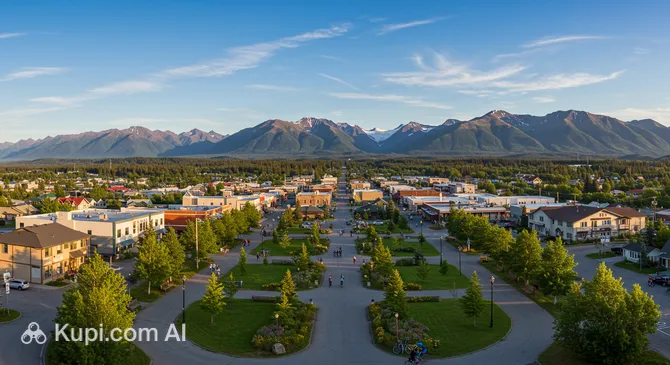
Wasilla is a cozy and picturesque city nestled in the Matanuska-Susitna Valley, about 70 kilometers north of Anchorage. Surrounded by majestic mountains, dense forests, and crystal-clear lakes, it serves as an excellent starting point for exploring the wilderness of the state of Alaska in the USA. Thanks to its location, the city attracts those seeking solitude away from the hustle and bustle of major metropolises without sacrificing comfort.

Wasilla. Illustration.
Source: Kupi.com AI

Despite its relatively small population of about 9,000 people, Wasilla is an important administrative and cultural center of the region. The local history of Wasilla is closely intertwined with the traditions of indigenous peoples and the era of northern exploration, creating a unique atmosphere of hospitality. Festivals are often held here, and there are interesting museums and cafes where you can meet travelers from all over the world.

The city offers plenty of opportunities for active recreation and adventure. Wasilla is known as the dog sledding capital and is home to the headquarters of the famous Iditarod race. Additionally, it is convenient to reach the impressive Matanuska Glacier from here or go fishing in salmon-rich rivers. Wasilla is definitely worth a visit for its amazing landscapes and authentic Alaskan experience.

Weather Overview

The climate in Wasilla can be characterized as subarctic, with long snowy winters and short, moderately warm summers. The coldest month is January, when the average temperature is about -11.1°C, and night frosts can reach -14.1°C. Spring arrives gradually: in March, freezing temperatures still prevail, and only by May does the air warm up to an average of +6.5°C.

The summer season is the most comfortable time to travel. In July, the warmest month, daytime temperatures rise to +18.0°C, which is ideal for outdoor activities. However, travelers should take the high humidity into account: the number of days with precipitation in the summer months ranges from 18 to 22. Checking the current weather in Wasilla will help you plan your trips to glaciers and lakes on the clearest days.

Expect a cool summer with frequent cloud cover and periodic rain, as well as frosty winters that require warm clothing. Autumn here is fleeting: already in September, the average temperature drops to +7.9°C, and by November, steady frosts return to the city.

Average monthly temperature

Average monthly precipitation

Interesting Facts

In addition to the main attractions and scenic views, Wasilla holds many fascinating stories that make this city truly special. Here are some facts to help you better understand the character of this unique corner of Alaska.

  • Sled Dog Racing Capital. Wasilla is famous for being home to the headquarters of the legendary Iditarod Trail Sled Dog Race. This is one of the most extreme and spectacular events in the sporting world. In the museum at the headquarters, you can learn all about the history of the competition, see real sleds, and meet the four-legged athletes.

  • Poetic Name. The city's name is rooted in the history of the Dena’ina indigenous people and is named after a local chief. In translation, it means "breath of air," which is very symbolic for this region with its crystal-clear atmosphere. The city itself was founded in 1917 as a railway station, becoming an important transport hub for the region.

  • Political Fame. Wasilla gained national fame as the city where the political career of Sarah Palin began. The former Governor of Alaska and USA Vice Presidential candidate served as the city's mayor, a fact that is still a subject of discussion and pride for many locals.

  • Traditions and Holidays. Despite the harsh climate, the residents of Wasilla know how to have a good time. In the summer, colorful fairs are organized, and in the winter, snow and ice festivals are held, carefully preserving the heritage of indigenous peoples and sharing unique Alaskan traditions with guests.

How to Get There

When planning a trip to the heart of Alaska, it's important to think about your route in advance. Wasilla has good transport accessibility due to its proximity to the state's largest city, making it easy to get here by both air and land. You can find out more details about how to get to Wasilla on our dedicated page, and below we will look at the main arrival options via the nearest air hubs.

Since Wasilla itself does not have a large passenger airport, the main gateway for tourists is the Ted Stevens Anchorage International Airport (Anchorage) (IATA: ANC). It is located in the city of Anchorage, just 54 km from the center of Wasilla. This is the region's largest transport hub, handling many international and domestic flights. A trip from the terminal to Wasilla by rental car or taxi usually takes from 45 to 60 minutes, making this the fastest and most convenient option.

Another option suitable for domestic flights within the state is the Kenai Municipal Airport (IATA: ENA). It should be noted that it is located in the city of Kenai, at a significant distance from the destination—about 149 km. A ground transfer from here will take much longer, so this route is more often chosen by travelers planning a large tour of the Kenai Peninsula.

For clarity, here is a summary of the main airports located in relative proximity to the city:

AirportPassenger trafficDistance
Ted Stevens Anchorage International Airport5.4 mln54 km
Kenai Municipal Airport175 000149 km
Valdez Municipal Airport8 000178 km
Homer Airport53 000242 km
Mudhole Smith Airport34 000246 km

In addition to air travel, many travelers prefer to rent a car in Anchorage and drive to Wasilla via the scenic George Parks Highway. This allows you to enjoy views of the Chugach Mountains and make stops at beautiful spots along the way.

Main Attractions

Despite its modest size, Wasilla offers travelers several unique spots that allow them to touch the authentic spirit of Alaska. Here, the history of the gold rush intertwines with the culture of sled dog racing and the region's industrial achievements. Getting to know the city's sights is an excellent way to understand how people settled these harsh but beautiful lands.

The undisputed center of attraction for tourists is the Iditarod Trail Sled Dog Race Headquarters. This place is the heart of the famous sled dog marathon. Visitors can not only learn the history of the legendary race in the museum, which houses photographs, trophies, and mushers' equipment, but also personally meet the four-legged champions. In the summer, dog-drawn cart rides are offered here, providing unforgettable emotions for both adults and children.

Another important spot on the city map is the Museum of Alaska Transportation and Industry. This extensive complex, both outdoors and in pavilions, tells the story of how the transport network developed in the Far North. The exhibition includes restored locomotives, vintage cars, aircraft, and heavy machinery used for road construction and resource extraction. This place clearly demonstrates the engineering genius and perseverance of the pioneers who developed the territories of the USA under challenging climatic conditions.

To immerse yourself in the local flavor, it's worth visiting the Wasilla Museum and Visitor Center. Located in the historic center of the city, it occupies several buildings, some of which are original structures from the first settlers. Here, you can see everyday objects of indigenous peoples, gold miners' tools, and learn about the early stages of the city's formation. The museum often hosts cultural events and exhibitions, making history alive and accessible to every guest.

Local Cuisine

Wasilla's culinary traditions are a colorful symbiosis of Alaska's wilderness bounties and hearty American classics. The main gastronomic symbol here is, undoubtedly, wild salmon. Local establishments prepare it with special skill: you must try the freshest fish, grilled or smoked according to old recipes that fully reveal its natural flavor.

Meat lovers will enjoy dishes made from moose and reindeer. This might be a thick, aromatic stew, perfect for warming up on a cool day, or meat cooked over an open fire. These dishes are often accompanied by products from local farms and forests: fresh vegetables, blueberries, cranberries, and cloudberries. Special attention should be given to the baked goods — be sure to try the homemade spinach bread and sweet pies with forest berries.

The dining culture in the city is very casual. Small cafes and food trucks are popular here, offering quick and delicious snacks. Street food has its own hits: smoked fish sandwiches, hearty seafood soups, and the famous Alaskan donuts. Farmers' markets and gastronomic festivals become centers of attraction for foodies, where locals sell homemade pickles, cheeses, and unique jams.

Speaking of drinks, one cannot ignore the locals' love for coffee — coffee kiosks can be found everywhere here. As for alcoholic beverages, Alaska is famous for its craft beer: there are many microbreweries in the region that use pure glacial water for brewing. Those who prefer non-alcoholic options should order warming teas or fruit drinks (mors) based on northern berries.

Travel Tips

Traveling to Wasilla is an immersion into the real Alaska, where nature dictates the rules, and the comfort of the trip directly depends on preparation. To ensure your visit to this picturesque region goes flawlessly, we've gathered the most relevant tips to help you feel confident in any situation.

  1. Clothing and Gear. The main secret to comfort in Alaska is layering. Even in summer, the weather is changeable: a sunny day can quickly turn to rain and wind, so a waterproof windbreaker and comfortable trekking boots are essential. In winter, thermal underwear, a warm parka, and a hat are vital. We also recommend bringing sunglasses: they protect your eyes not only in summer but also in winter from the bright light reflected off the snow.
  2. Transport. Public transport in Wasilla is poorly developed and not suitable for tourist purposes. The most reliable and convenient way to get around is renting a car. It is highly recommended to choose a vehicle with all-wheel drive, especially in the winter season when roads can be snow-covered. Taxi apps work, but wait times can be significant, so relying solely on them is risky.
  3. Finances. US dollars and bank cards are accepted everywhere; ATMs are available in shopping centers and at gas stations. Cash is mainly useful for small expenses at markets or for tipping. Tipping culture here is standard for America: in restaurants and taxis, it is customary to leave 15–20% of the bill for good service.
  4. Health and Safety. Wasilla is a peaceful city, but the main danger here is wildlife, not crime. Moose often wander onto the road and walk through the streets — be extremely careful while driving. Large chain pharmacies and stores (such as Walmart or Fred Meyer) are open late and offer a wide range of over-the-counter medications.
  5. Communication. The language of communication is English. Locals speak quite quickly but are always ready to repeat or explain. Wi-Fi is available in almost all cafes and hotels. Mobile service in the city is stable, but remember that the signal can drop quickly when heading into nature. Download offline maps of the region in advance.
  6. Local Etiquette. Alaskans are known for being open and friendly. It is customary to greet staff in shops and exchange a few words about the weather or the road. A vital part of etiquette is respect for nature: littering in the woods or on roadsides is considered bad manners and is strictly frowned upon.
  7. What to Avoid. Never try to get close to wild animals for a dramatic photo, even if they seem calm. Moose, which can be encountered right in town, can be aggressive, especially if they are with calves. Also, avoid leaving food or trash accessible outside — this attracts bears.
  8. Additional Tip. If your trip falls in the summer, be sure to bring a thick sleep mask. Due to its geographical location, Wasilla experiences "white nights," and daylight lasts almost 20 hours, which can disrupt your biological clock and prevent proper rest.

Following these simple rules will allow you not to be distracted by domestic trifles and fully enjoy the rugged beauty and hospitality of Wasilla. Be ready for adventure, respect the local nature, and Alaska will reciprocate, giving you memories for a lifetime!

Entertainment & Nightlife

Nightlife in Wasilla is significantly different from that of noisy metropolises: you won't find huge nightclubs with laser shows and dancing until dawn here. Evening entertainment in this city is permeated with the cozy spirit of "The Last Frontier," offering travelers a relaxed atmosphere, craft drinks, and lively conversation. The main format for relaxation after sunset is visiting local bars, pubs, and breweries where both locals and tourists gather to discuss the day's events or simply warm up after walks in the frosty air.

Most popular establishments are concentrated along the main transport routes — the Parks Highway and the Palmer-Wasilla Highway. In these areas, life doesn't stop when darkness falls. The crowd here is very casual and friendly, and there is practically no dress code: in most places, you will feel comfortable in regular casual clothes or even hiking gear. The style of the establishments varies from rugged wooden-furnished saloons to more elegant restaurants.

To get a real taste of Alaska, it's worth visiting a few iconic places. Fans of quality brews should definitely stop by the Bearpaw River Brewing Company. This is a local brewery run by four brothers, offering fresh craft beer in a casual setting. If you're looking for a more refined atmosphere for dinner or a date, The Grape Tap is an excellent choice. This wine bar is located in a historic building and is famous for its cozy setting and excellent cuisine. For those who want to dive into the atmosphere of a classic American bar with pool tables and perhaps live music, the Mug-Shot Saloon is a place with character and history.

When planning an evening out, it's important to remember logistics. Public transport in Wasilla does not operate at night, and while taxi services (Uber, Lyft) do operate, the number of cars may be limited, especially in the late hours. It is recommended to plan your return route in advance or use call-a-cab services, but be prepared for a possible wait. Prices in bars are average for the state: a pint of beer or a cocktail will cost a standard amount for the USA, but the quality of local products often exceeds expectations.

In terms of safety, Wasilla is a quiet city, and walking after dark in busy areas does not pose a threat from people. However, as elsewhere in Alaska, nature remains the main risk factor: even within city limits, you can encounter moose at night, so stay alert. If bars aren't your thing, you can spend the evening at The Valley Cinema or a bowling alley, and during the day enjoy the cultural program at local museums or walks by Lake Lucille.

Parks & Museums

Wasilla harmoniously combines the rugged beauty of northern nature and a careful attitude toward historical heritage. The city offers travelers not only well-kept green areas for family recreation but also a rich cultural program that allows for a deeper understanding of life on "The Last Frontier." From picturesque lakes to open-air exhibits, everyone will find a place to their liking here.

Green Oases and Natural Areas

One of the most popular places for outdoor recreation is Lake Lucille Park. This picturesque area, located right by the water, is ideal for those who want to enjoy peace and beautiful views without being far from civilization. The park is equipped with campsites, picnic areas, and convenient walking trails. In the summer, you can go fishing or boating here, while in the winter, the lake turns into a playground for skiers and snowmobile enthusiasts.

For active family leisure, Iditapark is indispensable, often called the "heart of the city" by locals. The main highlight of the park is the large wooden playground Wonderland, which resembles a fairytale fort. In addition, there is a skate park, basketball and volleyball courts, and well-maintained alleys for jogging. This is a great place to feel the rhythm of life in modern Wasilla and relax after excursions.

Those seeking solitude should stop by Nunley Park. This small but cozy square is located next to the city library and offers a quiet atmosphere for reading or leisurely walks among the trees.

Museums and Cultural Centers

You can dive into the region's past at the Wasilla Museum & Visitor Center. The exhibition is not limited to the walls of the main building: the museum includes an entire historical complex with original buildings from the early 20th century. You can peek into the city's first school, the log cabins of the first settlers, and learn about the culture of the Dena’ina people. This place clearly shows how a small railway settlement turned into a thriving city.

Although the Museum of Alaska Transportation and Industry was already mentioned as one of the main attractions, it is also worth noting in the context of park areas. A significant part of the exhibits is located outdoors on an extensive green territory. Walking between vintage trains, aircraft, and agricultural machinery, visitors feel as if they are traveling through time, studying the evolution of the state's industrial power against the backdrop of majestic mountains.

Historical Heritage

Special attention should be paid to the Old Wasilla Townsite. Many buildings here have been carefully preserved or moved here from other places to create an authentic atmosphere of the times when the city was founded in 1917. A walk through this area allows you to see architectural features characteristic of the gold rush and railroad construction period.

History buffs will also be interested in seeing the Teeland’s Country Store building. Built decades ago, it served as a center for trade and social life for a long time. Today it is an architectural monument reminding us of Wasilla's commercial past.

Insider Tip

If you want to see something truly unusual, take a walk along the Scout Ridge Trail. It offers breathtaking panoramic views of the valley and the Chugach Mountain Range. This place is less known among tourists than the popular parks, so you can enjoy the nature of the USA in almost complete solitude, especially in the morning hours.
Getting Around

The public transport system in Wasilla is not very extensive, which is typical for many small Alaskan towns where private cars dominate. The city is quite spread out, and distances between residential areas, shops, and attractions can be significant. Nevertheless, tourists without a car have a few ways to get around the city and its surroundings, although this will require more careful route planning.

The main form of public transport is buses operated by the regional organization Valley Transit. The route network connects Wasilla with the neighboring town of Palmer and also provides an important connection for travelers to Anchorage via the Valley Mover service. Buses run primarily on weekdays, connecting key points such as shopping centers, medical facilities, and educational institutions. This is a reliable but not the fastest way to travel, as intervals between trips can range from one to several hours.

Bus fares are usually paid in cash upon boarding. It's important to remember that drivers do not give change, so you should prepare the exact amount in small bills and coins in advance. The cost of a trip within the Matanuska-Susitna Valley is affordable, while a transfer to Anchorage will be more expensive. For those planning to use the bus frequently, monthly passes are available and can be purchased at the transport company's office or directly from the driver (check availability in advance).

A unique feature of the city's transport system is the presence of an Alaska Railroad station. Wasilla serves as a stop for flagship tourist trains such as the Denali Star in the summer season and the Aurora Winter Train in winter. While the railroad is not suitable for short trips within the city, it is perhaps the most scenic and comfortable way to get from here to Denali National Park or Fairbanks. It is recommended to book train tickets several weeks in advance, as demand is very high.

As an alternative to buses, taxi services operate in the city, including local companies (such as Alaska Cab) and popular ride-sharing apps like Uber and Lyft. However, keep in mind that the number of cars on the road is limited: unlike in major cities, wait times can be 15–20 minutes or more. In the summer, bicycle rentals are popular, as the city has a network of convenient bike paths connecting the center with park areas.

Tourists choosing to use public transport should follow the schedules closely: on weekends and holidays, bus services may be reduced or entirely absent. It is best to check the official Valley Transit website for up-to-date route information before heading out. If your destination is a remote natural attraction outside the city limits, public transport does not go there, and the most rational solution remains ordering a taxi or a transfer.

Accommodation

The choice of accommodation in Wasilla reflects the spirit of Alaska itself: comfort, functionality, and proximity to nature prevail here over ostentatious luxury. Tourists have access to a wide range of accommodation options, from classic motels and reliable mid-range chain hotels to atmospheric lodges and Bed & Breakfasts (B&Bs). Renting private cottages and log cabins is particularly popular, allowing guests to fully immerse themselves in the local flavor and feel like true pioneers.

In terms of location, the most convenient area to stay is along the main transport artery — the Parks Highway. Staying here puts you within walking distance of supermarkets, restaurants, and main shops, which is especially important for travelers renting a car. If you are looking for peace and scenic views, it's worth considering hotels located on the shores of Lake Lucille. Staying by the water gives you the opportunity to watch floatplanes take off and land and enjoy sunsets without being far from civilization.

The price range in Wasilla depends heavily on the season. In the summer months, the cost of accommodation increases significantly, and finding truly budget options becomes a difficult task. The majority of offers belong to the mid-price segment, offering clean, warm rooms with a standard set of amenities. World-class luxury resorts are practically non-existent here, replaced by high-quality private apartments and small boutique hotels with a personal approach to guests.

The main booking tip is to plan your trip in advance. The tourist season in Alaska is very short and intense (mostly from June to August), so the best places with a good price-quality ratio are snapped up as early as winter or early spring. For finding accommodation, it's convenient to use major international online platforms; however, for booking small B&Bs or forest cabins, it's often more effective to contact owners directly through their local websites.

Nearby Cities

For those who want to explore the surrounding area, Wasilla serves as an excellent starting point for day trips to several interesting nearby locations, allowing for a deeper understanding of the region.

Just an hour's drive away is Anchorage — Alaska's largest city. This is an ideal destination for those who want to combine outdoor recreation with urban comfort. Here you can visit excellent museums, such as the Anchorage Museum or the Alaska Native Heritage Center, walk along the scenic Tony Knowles Coastal Trail, and enjoy a variety of restaurants and shops.

If you're ready for a longer drive for stunning scenery and fishing, it's worth heading to Kenai. Located at the mouth of the river of the same name, this city is famous for its salmon fishing opportunities and magnificent views of volcanoes across Cook Inlet. The trip takes about three hours one way, but the scenic road and the atmosphere of the old Russian settlement are worth it.

Right next to Wasilla is the Knik-Fairview area, which was historically an important transport hub before the arrival of the railroad. It's worth a visit to see sites related to the history of mail trails and legendary dog sled races, as well as to enjoy views of the Knik Glacier.

Below is information about nearby settlements to help you plan your route:

CityPopulationDistance
Tanaina10 3148 km
North Lakes9 9419 km
Knik-Fairview18 28212 km
Fort Richardson39 km
Anchorage292 54547 km

These nearby destinations provide a glimpse into the diverse culture and landscapes of the region, making your stay in Wasilla even more fulfilling.

Shopping & Souvenirs

Shopping in Wasilla is more practical than entertaining; however, for travelers, it is a key point in the Matanuska-Susitna Valley. The city serves as the region's main trading hub, where you can find everything you need before heading into the wild: from professional hiking gear and warm clothing to unique creations by local artisans. You won't find high-fashion boutiques here, but there's an abundance of hunting, fishing, and outdoor equipment stores, as well as cozy shops with authentic Alaskan souvenirs.

The city's main commercial artery is the Parks Highway. Most of Wasilla's commercial life is concentrated along this highway. Driving along the highway, you'll see a string of shops, restaurants, and service centers. This is the most convenient spot for tourists with cars: parking is spacious and access to shops is simple. The second most important area is the intersection with the Palmer-Wasilla Highway, which also hosts many retail outlets and small boutiques.

The city doesn't have the giant indoor malls common in major USA metropolises. Commerce here is mostly organized as strip malls and standalone hypermarkets. One well-known complex is Cottonwood Creek Mall, which gathers various clothing stores, services, and cafes. Additionally, tourists often visit large chain stores such as Fred Meyer or Sportsman's Warehouse, famous for their huge selection of gear, groceries, and camping supplies — ideal places to restock before a trip to Denali.

The Wasilla Farmers Market is of particular interest to visitors. It operates during the summer season (usually June to September) and is a great place to experience local culture. Valley farmers sell fresh vegetables grown under the long northern sun, homemade baked goods, and jams. The market also attracts artisans selling handmade jewelry, knitted items, and woodwork, making it a wonderful alternative to standard stores.

The choice of souvenirs in Wasilla is closely linked to Alaska's history and nature. Given the city's status as the sled dog racing capital, the most popular gift is Iditarod race memorabilia: T-shirts, hats, and souvenirs with symbols of the famous marathon, best purchased at the shop by the race headquarters. Other noteworthy items include:

  • Ulu knives — traditional indigenous knives with a semi-circular blade.
  • Birch syrup products — a sweet delicacy produced in this region.
  • Qiviut — incredibly warm and lightweight items made from musk ox undercoat.
  • Smoked salmon — a gastronomic souvenir that can be bought in specialized shops in vacuum packaging for travel.

Shops in Wasilla follow standard American hours. Large supermarkets are open from early morning until late evening (often until 10:00 PM or 11:00 PM), and some are open 24/7. Small private shops and souvenir stores usually open around 10:00 AM and close at 6:00–7:00 PM. Bank cards and US dollars are accepted everywhere; problems with cashless payments are extremely rare, except perhaps at very small stalls during fairs.

An important nuance regarding taxes: the state of Alaska is known for having no state sales tax. However, municipal governments have the right to set their own fees. Wasilla has a city sales tax (usually around 2–2.5%), which is added to the bill at the checkout. Nevertheless, shopping here often works out cheaper than in other states, and the Tax Free system (VAT refund for tourists) as understood in Europe does not apply here due to the specifics of taxation.

Reached the end of the page?

That means the route is fully explored