Support

Fort Madison

About

Fort Madison is a charming and atmospheric city in Iowa that attracts travelers with its local character and picturesque views. Located along the wide channel of the majestic Mississippi River, it offers guests a unique blend of natural beauty and Midwestern architectural heritage.
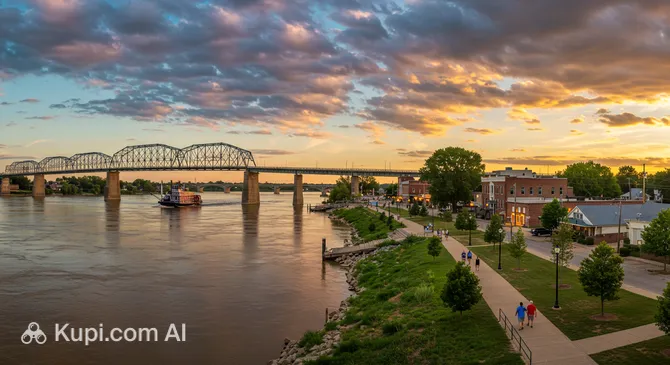
Fort Madison. Illustration.
Source: Kupi.com AI

Geographically, the city is situated in the southeastern part of the state. Although the population is small—just over 10,000 people—life in Fort Madison is rich with cultural events. When traveling through the USA, it is worth stopping here for the relaxed pace of life and a glimpse into the authentic American heartland. The climate here is humid continental, providing hot summers and snowy winters, so the best time to visit is from late spring to early autumn.

The rich history of Fort Madison deserves special attention. The city is named after the country's first military fort in the upper Mississippi. Today, tourists can visit Old Fort Madison, an accurate reconstruction of the 1808 fortress located in Riverview Park. Historical reenactments are regularly held here, allowing visitors to immerse themselves in the atmosphere of the early 19th century and the daily life of soldiers of that era.

Another iconic landmark is the Santa Fe Swing Span Bridge. It is the world's longest double-deck swing bridge and is still actively used for rail and road traffic today. Watching the massive structure swing open to let river vessels pass makes a strong impression on the city's guests.

Fort Madison is an excellent stop for those exploring the Great River region. Walks along the waterfront, visits to historical sites, and the friendliness of the locals will leave you with the warmest memories of your trip.

Weather Overview

The climate in Fort Madison is characterized by clearly defined seasons, allowing tourists to choose their travel time based on their preferences. Summers are typically warm and sunny: the hottest month is July, with an average temperature of 25.4°C and daytime highs reaching 30.3°C. However, travelers should note that precipitation is possible during the warm season, especially in May and June.

Winter brings cold and snow. The coldest month is January, when the average temperature drops to -3.1°C, and night temperatures can freeze down to -7.1°C. The shoulder seasons can be variable: while May is characterized by high humidity (up to 15 rainy days), September delights with mild weather and average temperatures around 21.5°C.

Expect warm summers with occasional rain and cold winters with moderate precipitation. To choose the ideal dates for your visit and prepare a suitable wardrobe, check the detailed weather in Fort Madison by month.

Average monthly temperature

Average monthly precipitation

Interesting Facts

In addition to its main attractions, Fort Madison holds many fascinating secrets that make its history truly unique. Here are a few facts that will allow you to see this city from a new perspective:

  • The World's Fountain Pen Capital. For a long time, Fort Madison proudly bore the nickname "Pen City." It was here in 1913 that the legendary Sheaffer Pen company was founded. It all began when local jeweler Walter Sheaffer invented a revolutionary lever-filling ink mechanism in the back room of his shop. This invention changed the writing instrument industry forever, and Sheaffer's factory remained the city's primary employer for nearly a century.

  • Unique Administrative Division. Lee County, where the city is located, is the only county in Iowa to have two county seats. Historically, this status was shared between Fort Madison and the neighboring city of Keokuk. This rare feature survives to this day, creating a kind of political dualism in the region.

  • The Oldest Prison in the West. The local historical prison (Iowa State Penitentiary) held the title of the oldest operating correctional facility west of the Mississippi River until its closure in 2015. Remarkably, it was founded in 1839—seven years before Iowa officially became a state and joined the USA.

  • Rodeo Born from a Random Stop. The famous annual Tri-State Rodeo owes its existence to railroad logistics. In the 1940s, the famous "singing cowboy" Gene Autry was transporting his livestock by train from Texas to New York. Fort Madison was chosen as the ideal place for a mandatory rest stop for the animals. Locals were inspired by this visit, and since 1948, the city has transformed into the arena for one of the most exciting rodeos in the Midwest.

  • War of 1812 Battlefield. The original fort that gave the city its name was the site of the only actual battle of the War of 1812 to take place west of the Mississippi. It was here that the American garrison repelled a siege by Native American tribes led by the famous leader Black Hawk.

How to Get There

Logistics planning is an important stage of your journey to this corner of Iowa. Since the city itself does not have a major air hub, travelers will need to create a combined route. You can find out more about how to get to Fort Madison by exploring all available options; below, we look at the main transportation hubs located in neighboring cities.

The nearest convenient option for flying in is Quad City International Airport (MLI), located in Moline, approximately 113.5 km away. This is the optimal choice for those who want to reduce transfer time. A trip from the terminal to downtown Fort Madison by rental car or taxi will take approximately 1 hour and 20 minutes by highway.

Another popular alternative is The Eastern Iowa Airport (CID) in Cedar Rapids. It is 143 km from the destination and serves a significant number of flights. The drive from here will take about 1 hour and 45 minutes. You can also consider Peoria International Airport (PIA) in Illinois (137 km away), with a drive time of about 1.5 hours.

For convenience in comparing options, we have prepared a summary table of the nearest airports:

AirportPassenger trafficDistance
Burlington Airport7 00023 km
Quad City International Airport537 000114 km
Peoria International Airport687 601137 km
The Eastern Iowa Airport1.5 mln143 km
Capital Airport145 000164 km
Dubuque Municipal Airport38 000203 km

If you are traveling by land or planning a complex route through major metropolises, consider the rail connections. The nearest major hub station is the St. Louis Railway Station (ZSV), located in St. Louis, 242 km away. A car transfer from the station to Fort Madison will take about 2.5–3 hours.

Below is information about the railway station:

StationPassenger trafficDistance
Union Station9242 km
St Louis Railway Station368 097242 km
Naperville7295 km

Main Attractions

Fort Madison offers guests the chance to immerse themselves in the early 19th-century frontier atmosphere, learn the history of famous writing instruments, and enjoy views of the great Mississippi River. The city and its surroundings feature unique museums and parks that make a visit here truly memorable.

One of the main points of interest is Old Fort Madison. This is an accurate reconstruction of the first U.S. military post in the Upper Mississippi, originally built in 1808. Visitors can walk behind the wooden stockades, tour the barracks and trading post, and interact with costumed guides who demonstrate soldier life and period crafts. This site allows you to literally touch history and learn about the complex relations between settlers and indigenous peoples.

Equally interesting is the Sheaffer Pen Museum, as Fort Madison was known for a long time as the "pen capital of the world." The exhibition is dedicated to the legacy of Walter Sheaffer, who invented a revolutionary lever-filling ink mechanism here. The museum displays hundreds of vintage pens, production tools, and models of the factory floors. It is a true find for collectors and anyone interested in the history of industrial innovation.

Railroad enthusiasts should stop by the Santa Fe Depot complex, which houses the North Lee County Historical Society. The station building itself is an architectural landmark in the Mission Revival style. Inside are museums detailing the region's railroad past, firefighting history, and local life. It also offers an excellent view of passing trains and the river.

For leisurely strolls, Riverview Park, located along the waterfront, is ideal. It is the heart of city life, where you can not only admire the panorama of the Mississippi but also see the famous double-deck swing bridge in action. The park features memorials, picnic areas, and a boat dock, making it a wonderful place to relax after a busy sightseeing program in the USA.

Local Cuisine

Fort Madison's culinary scene is a wonderful blend of classic American comfort and vibrant flavors shaped by the city's unique history. Unlike many other Midwestern towns, the traditions of rural Iowa harmoniously intertwine with a rich Mexican heritage here, creating a unique culinary landscape.

The main dish that every visitor to the state must try is the Breaded Pork Tenderloin. In local establishments, this schnitzel is often made so large that it extends far beyond the edges of the bun. This hearty and crispy treat perfectly reflects the region's love for simple, high-quality meat products. Also popular are "loose meat sandwiches," which resemble burgers but use seasoned ground meat instead of a patty.

A distinctive feature of Fort Madison is its status as the oldest Mexican community in Iowa. The area known as "The Village" is famous for its authentic cuisine, with recipes passed down through generations. Tourists should look out for real tacos, enchiladas, and, of course, elote—grilled corn with mayonnaise, cheese, and spices. This dish symbolically unites Iowa's main agricultural crop with the culinary traditions of immigrants.

The city's dining culture is diverse: from cozy family diners with a retro atmosphere to waterfront restaurants overlooking the Mississippi. Locals love to spend their evenings in "supper clubs," where dinner turns into a leisurely ritual. In the warmer months, picnics in parks and visits to farmers' markets are popular, where you can buy fresh vegetables and homemade baked goods.

Among drinks, the products of local craft breweries, which experiment with seasonal varieties, are worth noting. The region is also seeing growth in the production of corn whiskey and local wines, which can be sampled in city bars. Non-alcoholic classics include thick milkshakes and fresh-squeezed lemonades, perfectly complementing a hearty meal on a hot summer day.

Travel Tips

A journey to Fort Madison promises to be peaceful and educational, but even in a small city, it's worth considering local details for maximum comfort. We have compiled a list of practical recommendations to help you plan the perfect trip to this picturesque part of the American heartland.

  1. Clothing and Gear. Iowa's climate is contrasting, so your wardrobe will depend on the season. Summers are hot and humid—choose light natural fabrics and be sure to bring a hat. In winter, you'll need a warm jacket, hat, and gloves, as winds from the river can be piercing. Since you will be walking a lot in historical sites and parks, bring comfortable flat shoes. Don't forget a Type A or B power adapter (US standard) if your gadgets have European plugs.

  2. Transportation. Fort Madison is a small city, and public transport is poorly developed and oriented mainly toward locals. The most convenient way to get around is by rental car. This will give you the freedom to visit not just the center but also the surrounding areas. Taxi and ridesharing services (Uber, Lyft) are available, but wait times can be longer than in major cities.

  3. Finances and Payment. The official currency is the US dollar. Credit cards are accepted almost everywhere: in hotels, museums, and supermarkets. However, it is recommended to carry a small amount of cash ($1, $5, $10 bills) for payments at farmers markets, in small souvenir shops, or for tips. Tipping culture here is strict: in restaurants, it is customary to leave 15–20% of the total bill.

  4. Health and Safety. The city is considered safe for tourists, and serious crimes are rare. Nevertheless, observe standard precautions: do not leave valuables in plain sight in your car. Note that there may not be 24-hour pharmacies in town, so it's better to bring essential medications with you. In emergencies, call 911.

  5. Communication and Language. The primary language is English. Locals speak with a clear Midwestern accent. Free Wi-Fi is available in most cafes, hotels, and the library, but for stable connectivity while traveling around the region, it's better to buy a local SIM card (T-Mobile, AT&T) at a major city upon arrival or at local mobile shops.

  6. Local Etiquette. Residents of Iowa are famous for their friendliness, known as "Midwest nice." It is customary to greet clerks, drivers, and even random passersby on quiet streets. Be polite, smile, and don't hesitate to ask for help—people will be happy to give you directions.

  7. What to Avoid. Do not attempt to swim in the Mississippi River in unequipped areas. The current here is powerful and unpredictable, and the riverbed can be dangerous. Also, it is strictly forbidden to walk on railroad tracks or cross them in unauthorized places—this is an active transport hub with heavy train traffic.

  8. City Specialty. Be prepared for the sound of trains. Fort Madison is an important railroad center, and locomotive whistles can be heard around the clock, even in riverside hotels. Locals consider this part of the city's romance, so it's best to take it as an atmospheric detail; however, light sleepers should bring earplugs.

By following these simple tips, you can avoid minor hassles and focus entirely on your vacation. Fort Madison is a welcoming place where respect for local traditions and rules guarantees you a warm reception and great impressions.

Entertainment & Nightlife

The nightlife in Fort Madison perfectly matches the spirit of this small Mississippi town: it is quiet, soul-stirring, and lacks the pretension of major metropolises. You won't find loud nightclubs with laser shows or strict face control here. Instead, evening leisure is centered around cozy bars, pubs, and restaurants where locals gather to discuss the news, listen to live music, or watch sports broadcasts.

The epicenter of evening activity is the historic city center, especially the area along Avenue G and the streets adjacent to the waterfront. It is here, within walking distance of the river, that the main establishments where you can enjoy your time after sunset are located. The atmosphere is very casual and friendly ("Midwest nice"), so there is virtually no dress code: jeans and a T-shirt are appropriate everywhere.

If you want to feel the true local flavor, consider a few iconic spots. One of the city's most famous establishments is Vinnie's Longbranch. This bar has a rich history and is famous for its authentic old-school atmosphere and simple but hearty drinks. Another popular spot is River Rocks Bar and Grill, where you can not only have a cocktail but also dine with a view of the Mississippi River. For those who prefer a more lively setting, Horan's Cabaret is a common gathering place for large groups.

A special surge in nightlife occurs in September during the famous Tri-State Rodeo. During this week, the city is transformed: temporary concert venues open, and night dances and open-air parties are held. If your trip falls on these dates, be prepared for the fun to last until morning, with streets filled with cowboys and tourists from all over the USA.

When planning your evening, keep a few practical points in mind. Most bars are open until 2:00 AM, but restaurant kitchens may close as early as 9:00 PM or 10:00 PM. Prices here are significantly lower than in large cities; the average bill for drinks and snacks will pleasantly surprise you. Regarding safety, the city center and waterfront areas are considered peaceful for walking. However, transportation can be a challenge: taxi and rideshare services (Uber/Lyft) have limited availability at night, so it's best to plan your return to the hotel in advance or choose accommodation within walking distance.

During the day, Fort Madison offers more measured entertainment. You can visit historical museums, stroll through picturesque parks, or enjoy water sports on the river. This contrast between peaceful daytime relaxation and cozy evenings in bars makes a trip here balanced and relaxing.

Parks & Museums

Fort Madison reveals itself to travelers not only as a historical outpost but also as a city with picturesque green zones and a rich cultural life. Here, well-kept embankments, forested parks, and museums that preserve the memory of the region's and the country's development are harmoniously combined.

Nature and outdoor enthusiasts should definitely visit Rodeo Park. It is the city's largest recreational area, covering over 90 hectares. The park is famous for its scenic hiking and biking trails that wind through dense forests. It features camping and picnic areas, as well as the famous arena that hosts the annual rodeo. Tourists will appreciate this place for the opportunity to escape the city bustle and enjoy the silence of Iowa's nature.

Another important point of interest is Riverview Park, located directly on the banks of the Mississippi. It is an ideal spot for leisurely promenades with views of the majestic river and passing barges. The park houses an impressive Veterans Memorial and various sculptural compositions. Visitors are drawn to the park for its proximity to the historic center and the opportunity to take panoramic photos of the famous swing bridge.

Start your cultural program with a visit to the North Lee County Historical Society Museum Complex, located in the historic Santa Fe depot building. Inside are several exhibitions, including a Railroad Museum and a Fire Museum. Visitors can see unique artifacts, vintage tools, and photographs telling the story of how the railroad shaped the city's appearance. This site will interest anyone fascinated by the history of transport and the lifestyle of past centuries.

For art lovers, the doors of the Fort Madison Art Center are open. The gallery is located downtown and updates its exhibitions monthly, showcasing the work of talented local and regional artists. Here, you can not only enjoy paintings and ceramics but also purchase unique handmade souvenirs. A visit to the center allows for a deeper understanding of the contemporary cultural life of this corner of the USA.

If you want to see something truly unusual, take a look at the Santa Fe 2913 steam locomotive, installed as a monument in Riverview Park. This giant locomotive from the steam era is a symbol of past industrial power and is available for viewing 24/7.

Insider tip: When heading to Rodeo Park, try to find "Jim's Trail." This is a less crowded route that is particularly beautiful in autumn, when the leaves turn bright gold and crimson, creating an incredible atmosphere for solitude.

Getting Around

The public transportation system in Fort Madison has its own peculiarities due to the city's small size. Tourists accustomed to extensive subway networks or frequent city buses in metropolises will need to adjust to a calmer rhythm. There is no subway, tram lines, or trolleybuses in the city. The main logistics revolve around cars, walking in the center, and regional bus services.

The only type of public transport available for getting around is the SEIBUS (Southeast Iowa Bus) service. This is a regional transit network that serves the southeastern part of the state. It is important to know that this is not a classic city bus with frequent stops and a fixed schedule every 10 minutes. Most routes operate on a "demand-response" basis or have a very limited schedule oriented toward local residents reaching social institutions.

Fares for SEIBUS are primarily paid in cash upon boarding. The cost of a trip within the city is very affordable, usually just a couple of dollars, but it's best to have the exact amount ready as the driver may not have change for large bills. There are no complex systems with transport cards, validators, or mobile payment apps here, which on one hand simplifies the process, but on the other requires having small change on hand.

For comfortable travel around the city, the most popular alternatives to public transport are taxis and ridesharing services. Uber and Lyft apps work in Fort Madison; however, wait times can be significantly longer than in big cities, especially early in the morning or late at night. There are also local taxi services whose numbers can be found at hotel receptions; these often need to be booked in advance by phone.

The most convenient and reliable way for a tourist to get around remains renting a car. This gives you complete freedom and allows you to easily reach distant attractions like Rodeo Park or visit neighboring cities. Rental car agencies are generally not located in the city itself but at the nearest airports or major regional transport hubs, so it's best to arrange a car during the trip planning stage.

The historic city center and the waterfront area are compact and have excellent pedestrian accessibility. Most of the main attractions, including Old Fort Madison and the museums, are within a comfortable walking distance of each other. Cycling infrastructure is moderately developed: there are no specific city bike-sharing stations, but cycling on the streets is safe thanks to the calm traffic.

A special transport "highlight" of the city is its railway station, served by the national operator Amtrak. Although it is mainly used for intercity travel (on the Southwest Chief route), the station building and platform themselves are an important part of the transport system. For the tourist, this is not a way to get around the city but a convenient point of arrival and departure located in the immediate vicinity of the center.

Accommodation

Accommodations in Fort Madison are characterized by affordability and homey comfort, which perfectly aligns with the spirit of this small Midwestern city. You won't find luxury five-star resorts or massive hotel skyscrapers here. The bulk of the lodging options consists of reliable mid-range chain hotels, classic American motels, and several charming Bed & Breakfasts (B&Bs) located in historic buildings.

When choosing a place to stay, tourists typically look at two main areas. The first is the historic center and the waterfront. By staying here, you will be within walking distance of the Mississippi River, parks, and the city's main museums. This is an ideal choice for those who want to enjoy evening walks and the atmosphere of the old town without needing to use a car constantly.

The second popular area is concentrated along Highway 61 and the city entrances. This location is most convenient for road trippers touring the state. Here you will find modern hotels of well-known national chains, offering spacious parking, breakfasts, and quick access to transport interchanges. This is a practical option for those planning to use the city as a base for regional trips.

Booking Tip: While finding a vacant room is usually easy, the situation changes drastically in September during the famous Tri-State Rodeo. During this week, the city is packed with guests, and accommodations are often booked six months in advance. If your trip coincides with the rodeo dates or major summer festivals, make sure to reserve as early as possible.

The price range in Fort Madison can be described as budget and mid-range. The cost of living here is significantly lower than in large metropolises, allowing tourists to save their budget for entertainment and dining. You can book a room through popular international online platforms or directly by calling the hotel—many small guesthouses appreciate personal contact.

Nearby Cities

For those looking to explore the surrounding area, Fort Madison serves as an excellent starting point for day trips to several interesting nearby locations:

Just an hour's drive south is Quincy, Illinois, known as the "Gem City." It is famous for its magnificently preserved 19th-century architecture and a historic district that is perfect for walking tours. History buffs will appreciate the local museums and the atmosphere of an old river city.

If you are interested in a cultural getaway, head to Iowa City. This is the former state capital and a vibrant university hub that has earned the status of a UNESCO "City of Literature." Here you can visit the famous Old Capitol with its golden dome, stroll through the University of Iowa campus, and browse unique bookstores.

To experience the urban life of the "Quad Cities" region, consider visiting Davenport. It is the largest city in the vicinity, offering tourists great opportunities for shopping, casinos, and cultural institutions. Be sure to stop by the Figge Art Museum, located right on the riverbank, to see an impressive art collection.

CityPopulationDistance
Keokuk9 97726 km
Quincy100 54478 km
Galesburg30 29887 km
Muscatine23 75991 km
Ottumwa25 379102 km

These nearby destinations provide a great overview of the region's diverse culture and landscapes.

Shopping & Souvenirs

General Overview: Shopping in Fort Madison is not about chasing global brands in massive malls, but rather about a leisurely stroll with the chance to find unique items with a history. The city is famous for its antique scene, cozy boutiques, and home goods stores. There is an atmosphere of a classic American town where shop owners know their customers by sight, and the inventory often consists of local artisan crafts and vintage finds.

Main Shopping Areas/Streets: The heart of local commerce is the historic city center, especially Avenue G. Walking along this street, located just a block from the Mississippi River, you will find many colorful shops housed in restored 19th-century buildings. It is an ideal place to look for clothing, gifts, books, and interior decor. The area is compact and pedestrian-friendly, allowing you to combine shopping with architectural sightseeing.

Shopping Centers: In Fort Madison itself, there are no large indoor shopping malls in the traditional sense. Trade here is concentrated in small strip malls and free-standing stores. If you need a larger shopping experience with national clothing and electronics chains, locals typically head to neighboring Burlington (about a 30-minute drive), where Westland Mall is located, or to larger cities in the region.

Markets: An important part of city life is the Fort Madison Farmers Market, which usually operates during the warmer months (May to October) at the old railroad depot. Here you can buy fresh seasonal fruits and vegetables, homemade baked goods, honey, and handmade crafts from local artisans. The city is also known for its flea markets and antique fairs, which attract collectors from all around.

Souvenirs: Given the city's history, the best souvenir would be products or vintage items from the Sheaffer brand (pens and writing instruments), as this legendary company was born here. Railroad-themed souvenirs (model trains, hats, pins) are also popular, reminding visitors of the railroad's role in the region's life. Don't forget gastronomic gifts: local honey, BBQ sauces, or Iowa corn snacks.

Opening Hours and Payment: Most shops downtown operate from Monday to Saturday, opening around 09:00–10:00 and closing at 17:00–18:00. Note that on Sundays, many private shops and boutiques may be closed or have reduced hours. Bank cards (Visa, MasterCard, American Express) and US cash are accepted almost everywhere. At the farmers market, it is preferable to have cash, especially small bills.

Tax Free: In the United States, there is no single federal VAT refund system for tourists like the one common in Europe. Iowa charges a sales tax, which is added to the cost of the item at the register. It is impossible to get a refund on these funds when leaving the country, so the price on the tag will always be lower than the final total on the receipt.

Reached the end of the page?

That means the route is fully explored