Support

Fort Stockton

About

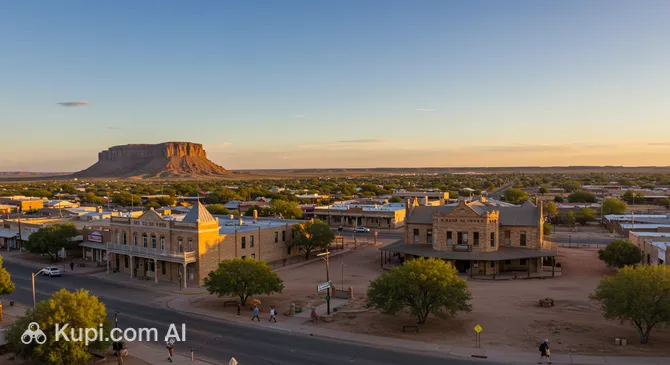
Fort Stockton is a picturesque oasis sprawling on the edge of the desert in West Texas. This cozy city, located at an altitude of about 900 meters above sea level, serves as an important transportation hub and the administrative center of Pecos County. While traveling across the USA, many tourists choose this place to enjoy the famous Texas sunsets that paint the sky in incredible shades of orange and purple.

Fort Stockton. Illustration.
Source: Kupi.com AI

Despite its modest size and population of about 8,300, the city has a special appeal. An atmosphere of peace and hospitality reigns here, where historic buildings harmoniously coexist with modern amenities. The fascinating history of Fort Stockton is closely intertwined with the era of the American frontier, and a stroll through the historical streets allows you to literally touch the past.

The city's main attractions are linked to its rich heritage: travelers can visit the grounds of the old fort, learn about the lives of early settlers in the local museum, or simply have a picnic in the shade of century-old trees. Fort Stockton is an ideal destination for those seeking inspiration, wishing to escape the hustle and bustle of megacities, and wanting to feel the spirit of true freedom.

Weather Overview

The climate of Fort Stockton is typical of the West Texas plains: sunny and dry weather prevails, characteristic of semi-desert areas. Summers in the city can be truly scorching: in June and July, daytime temperatures often reach 36–37°C, with average highs staying around 30°C. This time of year is suitable for those who love the heat and plan to spend time by the water or in air-conditioned spaces during the middle of the day.

Winters, on the other hand, are mild and comfortable, making them a good time for sightseeing. In January and December, the average temperature is about 11–13°C, although nights can be brisk, dropping to 3–5°C. Expect hot summers with periodic cloudiness and cool, dry winters. Precipitation is infrequent here, although May stands out: this month records the highest number of wet days (about 8), so a light raincoat may come in handy.

Spring and autumn are considered the most pleasant seasons for long walks, when the heat subsides and the cold hasn't set in yet. To ensure your trip is as comfortable as possible, we recommend checking the weather in Fort Stockton in advance and choosing the appropriate wardrobe for your trip.

Average monthly temperature

Average monthly precipitation

Interesting Facts

In addition to its main attractions, Fort Stockton holds many fascinating secrets that make its history truly vibrant and colorful.
  • City Symbol — Paisano Pete. One of the city's most unusual landmarks is a giant roadrunner statue named Paisano Pete. This sculpture has become a true mascot of the region and one of the most popular photo spots for travelers.

  • Desert Oasis. The city owes its existence to the legendary Comanche Springs. In the past, these powerful springs were among the largest in Texas and served as a vital stop for Native Americans, trade caravans, and settlers crossing the arid lands.

  • Military Past. Fort Stockton was established in 1859 as a strategic outpost to protect routes from raids. Today, you can see authentic historical buildings, including an old jail and a USA Army telegraph station, which immerse visitors in the atmosphere of the Wild West.

  • Oil Legends. In the early 20th century, the discovery of oil fields brought economic prosperity to the city. "Black gold" still plays an important role in the region's life, and stories of early oilmen and their luck have become an integral part of local folklore.

  • Museum in a Hotel. The Annie Riggs Museum is located in a beautifully preserved former hotel building made of adobe. This site provides insight into the daily lives of early settlers and displays unique artifacts telling the story of the challenging but exciting life on the frontier.

How to Get There

When planning a trip across the vastness of Texas, it is important to think through the logistics in advance, as distances here can be significant. You can learn more about how to get to Fort Stockton by exploring all available route options. Since the city is in a remote area, most tourists combine a flight with a car trip.

Fort Stockton itself does not have its own passenger airport, so travelers must use air hubs in neighboring cities. The closest and most convenient option is Midland International Air & Space Port (IATA: MAF). It is located in the city of Midland, approximately 133 km (83 miles) from Fort Stockton. This is a fairly busy transport hub with regular flights. The drive from there by taxi or rental car takes about 1.5 hours via the highway.

An alternative option is San Angelo Regional Airport (IATA: SJT), located in the city of San Angelo. The distance to downtown Fort Stockton is about 232 km (144 miles), so the drive will be longer—estimated travel time is about 2.5 hours. This airport is smaller but can also be useful when putting together a complex itinerary.

For clarity, here is a summary of the main airports:

AirportPassenger trafficDistance
Midland International Airport767 734133 km
Lea County Airport47 000201 km
Cavern City Air Terminal10 050207 km
San Angelo Regional Airport120 000232 km

Regarding rail service, there are no direct passenger trains to Fort Stockton. The nearest Amtrak station is located quite far away in the town of Alpine (Alpine station), making train travel an impractical option for getting directly to the city. The primary method of transportation in this region remains the roads. Fort Stockton is conveniently located at the intersection of the major I-10 interstate and US Highway 285, so many tourists prefer to rent a car at their arrival airport and enjoy the drive through the scenic landscapes of West Texas.

Main Attractions

Despite its compact size, this Texas city offers travelers a rich itinerary. Exploring the local sights not only provides opportunities for vibrant photos but also a deep dive into the atmosphere of the Wild West, capturing the spirit of the pioneers and personnel who guarded these lands in the 19th century.

Historic Fort Stockton is the heart of the city and its main historical treasure. Established in 1867, the fort served as a vital outpost protecting mail routes and travelers from San Antonio to El Paso. Today, tourists can walk through the preserved grounds, seeing the officers' quarters, the guardhouse, and the parade ground. This site attracts history buffs with the chance to literally touch walls that remember events from 150 years ago and to learn more about the harsh life of soldiers on the frontier.

The Annie Riggs Memorial Museum is a must-include on the itinerary for anyone interested in architecture and local history. The museum is housed in a former hotel built in 1899 from adobe (sun-dried brick) in the Victorian style, which is a rarity in itself. The collection includes many artifacts: from everyday items of early settlers and cowboy gear to geological finds. Visitors are drawn by the authentic atmosphere of the old inn and the fascinating stories about the hotel's owner, Annie Riggs, who was an iconic figure in the city's history.

Paisano Pete is perhaps the city's most recognizable and cheerful landmark. A massive roadrunner statue, nearly 7 meters (22 feet) long, greets guests in the city center. Erected in 1980, it long held the title of the largest sculpture of its kind in the world. Tourists stop here to take a classic "souvenir" photo of their Texas journey. Nearby is the visitor center, where you can pick up maps and find current information about events in the county.

James Rooney Memorial Park is an ideal place to relax after sightseeing. The park is located on the site of the historic Comanche Springs, which were once a vital oasis in the desert. Today, it features a cozy green space where city festivals and holidays are held. Particular attention is drawn to the historic swimming pool and canals, reminding visitors of a time when the spring water turned this arid region into a blooming garden.

Local Cuisine

The culinary scene in Fort Stockton is a true paradise for fans of hearty and authentic food. Since the city is located in the heart of a cattle-raising region, there is an absolute cult of meat here. Local restaurants proudly serve Texas steak and juicy beef barbecue cooked over an open fire. The secret to the incredible taste lies in the freshness of the products: meat is often supplied directly from nearby ranches, and fried ribs with aromatic sauces and vegetable side dishes are considered a must-try for any tourist.

Proximity to the border has left a bright mark on culinary traditions: American classics and Mexican flair are closely intertwined here. In the city's eateries, you can try excellent tacos, burritos, and enchiladas. Dishes with local spices and hot peppers, which give the food a characteristic tang, are particularly popular. If you want a quick and tasty snack, look for homemade nachos, which are prepared very generously here.

For those who prefer lighter food or want to get acquainted with the gifts of the local land, farmers markets are open. Here you can find the freshest cheeses, honey, and seasonal vegetables from local producers. Those with a sweet tooth should try homemade pies and cookies baked according to old family recipes. On hot days typical for Texas, the best way to refresh is with cold drinks: traditional lemonade or exotic mixes based on cactus fruit.

Dining culture in Fort Stockton goes beyond ordinary lunches and dinners. The city is famous for its food festivals, where food becomes a reason for celebration. At such events, travelers can not only taste the best dishes of the region but also chat with Texas chefs, learn the secrets of preparing the perfect barbecue, and fully immerse themselves in the atmosphere of Southern hospitality.

Travel Tips

Fort Stockton is a welcoming city, but like any journey through the expanses of West Texas, a trip here requires a little preparation. These practical recommendations will help you avoid surprises and focus on exploring the rich history and nature of the region.

  1. Clothing and Essentials. Given the semi-desert climate, the main wardrobe principle is layering. In summer, light breathable fabrics, a hat, and sunglasses are essential, while in winter, a warm jacket for cool evenings won't go amiss. For walks around the historic fort, choose comfortable closed-toe shoes to protect your feet from dust, hot ground, and prickly plants.

  2. Transport. Public transport in the city is practically non-existent, so renting a car is the only reliable way to get around. This will give you the freedom to see not only the center but also remote locations. Taxi apps (Uber, Lyft) here may work intermittently or have long wait times due to the small number of drivers.

  3. Finances. The official currency is the USA dollar. Bank cards are accepted at most hotels, restaurants, and supermarkets, but having some cash (small bills) is useful for paying in small souvenir shops or at farmers markets. Tipping culture here is traditional: it is customary to leave 15–20% of the bill in cafes.

  4. Health and Safety. Fort Stockton is a quiet city, but don't forget about the climate. In dry air conditions, it is vital to drink plenty of water to avoid dehydration. There are pharmacies here (e.g., chain stores), but they don't stay open 24/7, so it's better to put together a basic first-aid kit in advance.

  5. Communication. The primary language is English, but due to the proximity to the border, many locals also speak Spanish. Wi-Fi is available in hotels and cafes, but the signal may drop on highways outside the city. For stable navigation, we recommend using offline maps so you don't get lost in the desert terrain.

  6. Local Etiquette. Texas is famous for its friendliness: it is customary to greet strangers on the street with a nod or a short "Hi." Politeness and a relaxed pace are valued in communication. If you are driving, it is considered good manners to thank another driver with a wave if they yield to you on the highway.

  7. What to Avoid. It is strictly recommended not to enter private property or ranches without permission—private property rights are very strictly observed here. Also, be careful in nature: do not reach into rock crevices and watch where you step to avoid disturbing local wildlife, including snakes.

  8. Pro Tip. Never leave children or pets in a locked car even for a couple of minutes when going into a store. The Texas sun heats the interior instantly, which can be life-threatening. And be sure to take a photo with Paisano Pete—it's an unwritten tradition for all visitors to the city!

By following these simple tips, you will be able to feel right at home in Fort Stockton. Enjoy the warm welcome, delicious food, and unique atmosphere of the American South without any extra worries!

Entertainment & Nightlife

Nightlife in Fort Stockton is worlds away from the noisy entertainment of major cities. Here, you won't find massive nightclubs with thumping bass or 24-hour raves. Evening leisure in this city is the embodiment of true Texas "slow living": cozy gatherings, live country music, delicious food, and friendly conversation. Most activity is concentrated along the city's main thoroughfares, particularly on Dickinson Boulevard, where key late-night establishments are located.

The atmosphere in local bars and restaurants is as casual and relaxed as it gets. The crowd is diverse, ranging from local ranchers and oil workers to tourists traveling across the state. There is practically no dress code—jeans, t-shirts, and comfortable shoes (or cowboy boots) are appropriate everywhere. Most establishments close fairly early by big-city standards—around 10:00 PM to 11:00 PM—though the fun can last until midnight on Fridays and Saturdays.

If you are looking for specific places to spend a pleasant evening, several local favorites are worth noting. The Grey Mule Saloon is a historic building that today serves as a tasting room. Here, you can sample excellent Texas wines in the authentic setting of a late 19th-century saloon. For lovers of a more classic American experience, K-Bob's Steakhouse is a great choice. This spot is famous not only for its steaks but also for its excellent bar, where groups gather in the evening to have a beer and discuss the day's news.

Prices in Fort Stockton are pleasantly moderate. The average check for dinner with drinks is about $20–$30 per person. When planning your evening, keep in mind that public transport does not run at night, and taxi services may be unavailable. The best option is to travel by rental car, but make sure you have a designated driver, or choose a hotel within walking distance of your restaurant.

In terms of safety, Fort Stockton is a very quiet city. Walking along the central streets in the evening poses no threat, though you should be careful on the outskirts due to insufficient lighting. If you need to return to your hotel late at night and don't have a car, it's better to arrange a transfer with the establishment or hotel staff in advance, as "hailing" a car on the street is almost impossible here.

As for daytime activities that transition into the evening, the city offers several interesting options. Movie lovers can visit the historic Pecos Theatre, which retains its retro charm and shows modern films. For family recreation, local parks are great for picnics until sunset, allowing you to enjoy the cool air after a hot day.

Parks & Museums

Although Fort Stockton is surrounded by the harsh and majestic landscapes of the Chihuahuan Desert, within the city, travelers will find cozy green oases and rich collections that carefully preserve the memory of life in the Wild West. Cultural heritage here is closely intertwined with natural wealth, offering tourists a balanced itinerary between outdoor walks and immersion in history.

James Rooney Memorial Park is the city's main green artery and a favorite holiday spot for locals. The park is situated on a historic site near the famous Comanche Springs. In contrast to the surrounding semi-desert terrain, there is always plenty of greenery and shady trees here, making it an ideal refuge from the Texas sun. Tourists come here for the large open picnic areas, walking paths, and the chance to see where pioneer caravans once stopped. In summer, an outdoor swimming pool fed by natural spring water is open, which is a true lifesaver in the heat.

Zero Stone Park is a small but iconic square that will be of interest to geography and history enthusiasts. This is the site of the "Zero Stone," installed in 1859 by surveyors. This stone served as the starting point for all land surveys in this region of Texas. The park is a quiet, well-maintained space where you can make a short stop to touch the point of origin from which the development of these lands began.

Among the cultural institutions, the Annie Riggs Memorial Museum holds a special place. If you want to understand how people lived on the frontier in the late 19th century, this is the place to go. Housed in a historic adobe building with wraparound porches, the museum preserves a Victorian-era setting. The exhibits include not only furniture and clothing from that time but also unique collections: from geological samples of local soil to dental instruments from the last century. Of particular interest is the "Desert Hall," which tells the story of the region's flora and fauna.

The Old Pecos County Jail is another atmospheric museum, located right across from the courthouse. Built in 1883, the stone building with thick walls is now open for tours. Visitors can walk through the old cells and learn about the history of law enforcement in the Wild West. This place has a special, slightly somber but fascinating aura that allows one to imagine the harsh realities of justice in those years.

It is also worth paying attention to the grounds of Historic Fort Stockton. Although it is primarily an architectural complex, the surviving Officers' Row and Guardhouse buildings essentially function as open-air museum galleries. Inside some of the rooms, interiors from the 1860s–1880s have been recreated, demonstrating the daily lives of soldiers and their families serving on the edge of civilization in the USA.

For those looking for non-standard experiences, we suggest stopping by the local Visitor Center, located in the old railway depot building. Here, you can not only pick up a map for a self-guided walking tour of the historic district but also see small rotating exhibitions by local artists and craftsmen who often go unnoticed in major guidebooks.

Getting Around

The public transport system in the city of Fort Stockton has its own unique features that are important to consider when planning a trip. In the sense familiar to big-city residents—with an extensive subway network, trams, or regular city buses—public transport does not exist here. This is a typical small town whose infrastructure is entirely oriented toward motorists, so moving around without a personal or rental vehicle can cause certain difficulties.

The primary and most reliable way to get around for tourists is renting a car. Rental points can be found both in the city itself and at the nearest major airports through which travelers usually arrive in the region. Having a car provides freedom not only in moving between the hotel and restaurants but also allows you to comfortably visit remote attractions. It is recommended to book a car in advance, especially during the tourist season, as the local fleet of rental companies may be limited.

As an alternative, you can use taxi services or ride-hailing apps such as Uber and Lyft. However, it's worth remembering that due to the city's small size, the number of active drivers on the line is often low. Waiting times can range from 15 to 30 minutes, and services may be completely unavailable at night. Payment in these apps happens automatically through a linked card, eliminating the need for cash. If you decide to use local taxi companies, it's better to check the possibility of card payment in advance, although cash dollars are always accepted.

For those who prefer walking, only the historic center of the city will be a comfortable zone. The areas around the courthouse and the main museums are quite compact and easy to explore on foot. Here you can enjoy the old-fashioned atmosphere without needing transport. However, for trips to supermarkets, parks on the outskirts, or to the famous Paisano Pete statue, walking will be tiring due to the distances and hot climate, so it's better to use a car.

It is also important to distinguish between intra-city transport and intercity connections. Major bus carriers such as Greyhound make stops in Fort Stockton. Their terminals are usually located at large gas stations or stores (for example, at the Stripes store). These buses are great for getting to the city from other regions, but they are not intended for travel within Fort Stockton itself. Tickets for these should be purchased online in advance, as there may not be ticket counters on-site.

Cycling infrastructure in the city is poorly developed: there are practically no dedicated bike lanes or large bike rental services. Cycling is possible but requires increased attention on public roads. Thus, for the most comfortable holiday, the best advice remains renting a car, which will allow you to be independent of schedules and enjoy the trip at your own pace.

Accommodation

Where to stay:

Fort Stockton offers travelers a functional selection of accommodation options, primarily geared toward transit tourists and those heading to national parks. The hospitality stock mainly consists of budget motels and mid-range hotels, many of which belong to well-known American chains. You won't find luxury resorts with a full range of services here, but the city provides excellent conditions for a comfortable night's stay: clean rooms, parking availability, and breakfast. For travelers in motorhomes, there are equipped RV parks with the necessary hookups.

In terms of location, most hotels are conveniently grouped along the city's main transport arteries—I-10 and historic Highway 290, which becomes Dickinson Boulevard within the city limits. Staying here is strategically advantageous: you are in close proximity to the highway exit, gas stations, and major restaurants. The historic city center is located slightly away, but thanks to Fort Stockton's compact size, you can reach the sights from any hotel in just 5–10 minutes by car.

When planning your trip, it is important to consider the local specifics: the city serves as a hub not only for tourists but also for workers in the region's energy industry. Because of this, hotels can be full even during the non-tourist season. We strongly recommend booking accommodation in advance, especially if you plan to arrive late in the evening or on weekends, to avoid a situation where no rooms are available.

Pricing policy in Fort Stockton remains democratic. The budget and mid-range price segments predominate, making a stop here affordable for most travelers. Booking is most conveniently done through major online aggregators, where you can compare current prices and read reviews. Direct booking by phone or at the front desk is also common, especially in small private motels, but the online option is more reliable for guaranteeing your check-in.

Nearby Cities

For travelers wishing to expand the horizons of their trip, Fort Stockton serves as a convenient starting point for excursions into the surrounding areas. Within a few hours' drive are cities, each with its own unique character and set of attractions, allowing for a deeper understanding of West Texas culture.

The nearest large neighbor is Odessa, located about an hour and a bit away by car. This city attracts tourists with its famous meteorite crater, considered the second largest in the country, as well as a curious replica of Stonehenge on the campus of a local university. Odessa is also known for its vibrant sports history and theater scene, which creates a lively cultural atmosphere.

Slightly further away is Midland, often mentioned in tandem with Odessa as part of the Permian Basin metropolitan area. This is the business heart of the region, where you can visit the impressive Petroleum Museum and learn all about the "black gold" that shaped the state's economy. Additionally, the historic childhood home of President George W. Bush is located here and open for tours.

If you are willing to drive a bit longer for scenic views, head to San Angelo. The city is famous for its beautiful riverfront and parks along the Concho River, which create an oasis of greenery. History buffs will appreciate Fort Concho—one of the best-preserved examples of military architecture from the frontier era, where reenactments regularly take place, immersing guests in the 19th-century atmosphere.

CityPopulationDistance
Monahans7 80078 km
Pecos12 46783 km
Iraan1 20094 km
Wink1 00099 km
West Odessa31 927111 km

A trip to any of these cities will be an excellent addition to your itinerary, offering a contrast between the desert landscapes of Fort Stockton and the urban life of neighboring counties.

Shopping & Souvenirs

Shopping in Fort Stockton is more practical and souvenir-oriented than entertainment-focused. Here, you won't find the massive multi-story malls with luxury brands typical of major cities. Instead, the city offers cozy local shops, antique stores, and standard American supermarkets where you can buy everything needed to continue your Texas journey. Small family businesses add a special charm to local commerce, where owners personally greet guests and are ready to share a few stories about the city.

Primary commercial life is concentrated along Dickinson Boulevard. This street, which is part of the historic highway, runs through the entire city and gathers most commercial entities around it. Here, you'll find both large chain stores and pharmacies, as well as small boutiques with clothing and home goods. If you need to restock food, buy camping gear, or find simple clothing, head here.

For those looking for something more authentic, it's worth checking out the Historic Downtown area around Main Street. Tucked away in restored late 19th-century buildings are interesting antique shops and souvenir stores. A stroll here feels like a little trip back in time, where you can find real treasures related to the Wild West era among the vintage items.

There are no large shopping centers in the traditional sense in Fort Stockton. The role of the main shopping destination is filled by the Walmart Supercenter, located on the western outskirts of the city. This is a one-stop shop where tourists can find absolutely everything: from food and electronics to clothing and automotive goods. For travelers by car, this is an indispensable stop before heading further to the national parks.

As for souvenirs, it is definitely worth bringing back something featuring the city's symbol—the bird Paisano Pete. T-shirts, mugs, and magnets with the famous roadrunner are sold in most local shops and at the visitor center. The region is also famous for its pecans, which are grown in West Texas. A bag of fresh nuts or pecan-based sweets makes a delicious and useful gift.

Shops in the city usually operate on a standard schedule: from 9:00 or 10:00 AM to 6:00–8:00 PM. Large chain supermarkets stay open longer, sometimes until midnight or 24/7. Bank cards (Visa, MasterCard) are accepted almost everywhere, but in small private shops or at seasonal markets, having a small amount of cash in dollars is helpful.

The state of Texas offers a Tax Free Shopping program for international tourists, allowing for a sales tax refund when leaving the country. However, keep in mind that Refund Centers are only located in major airports and shopping malls of large cities (Dallas, Houston, San Antonio). You won't be able to process a refund in Fort Stockton itself, but you can save receipts from major stores to use this opportunity later if your route passes through the state's large hubs.
Reached the end of the page?

That means the route is fully explored